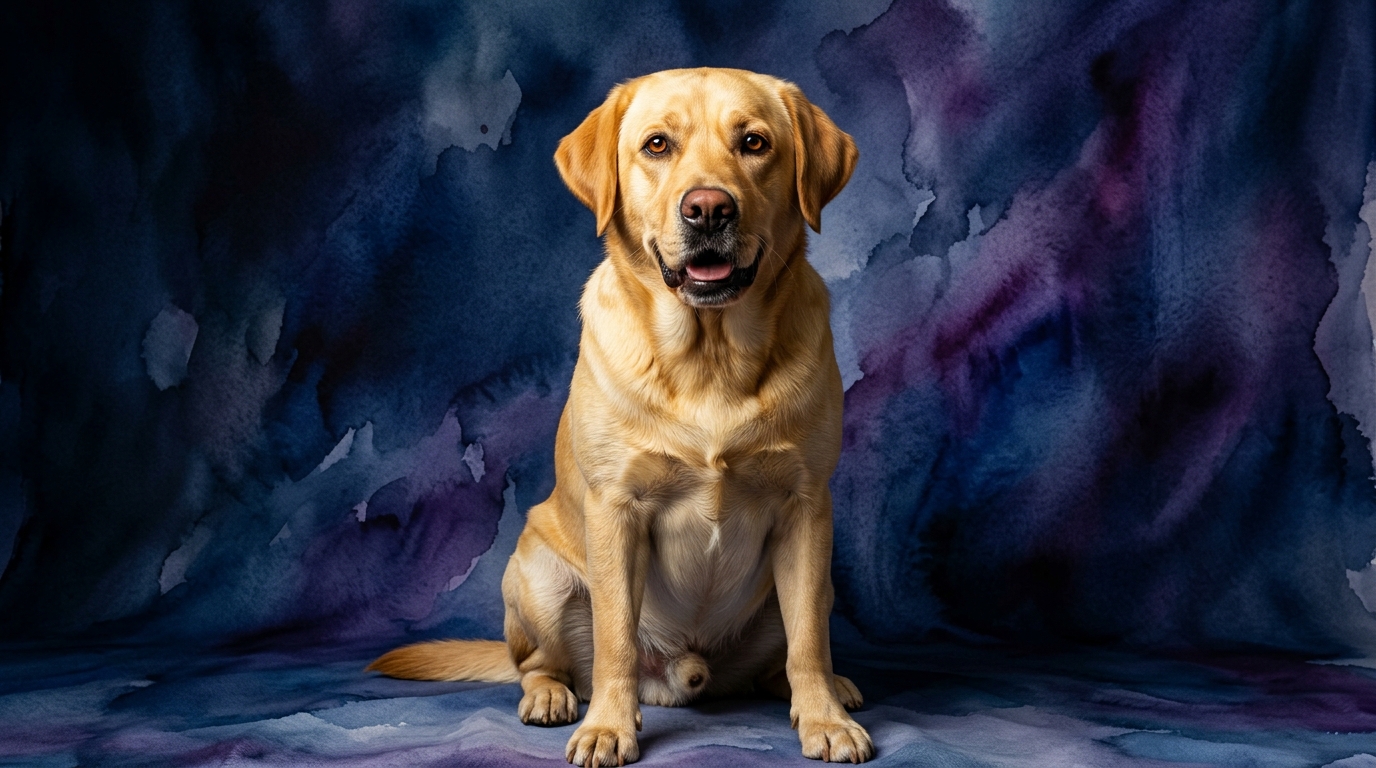
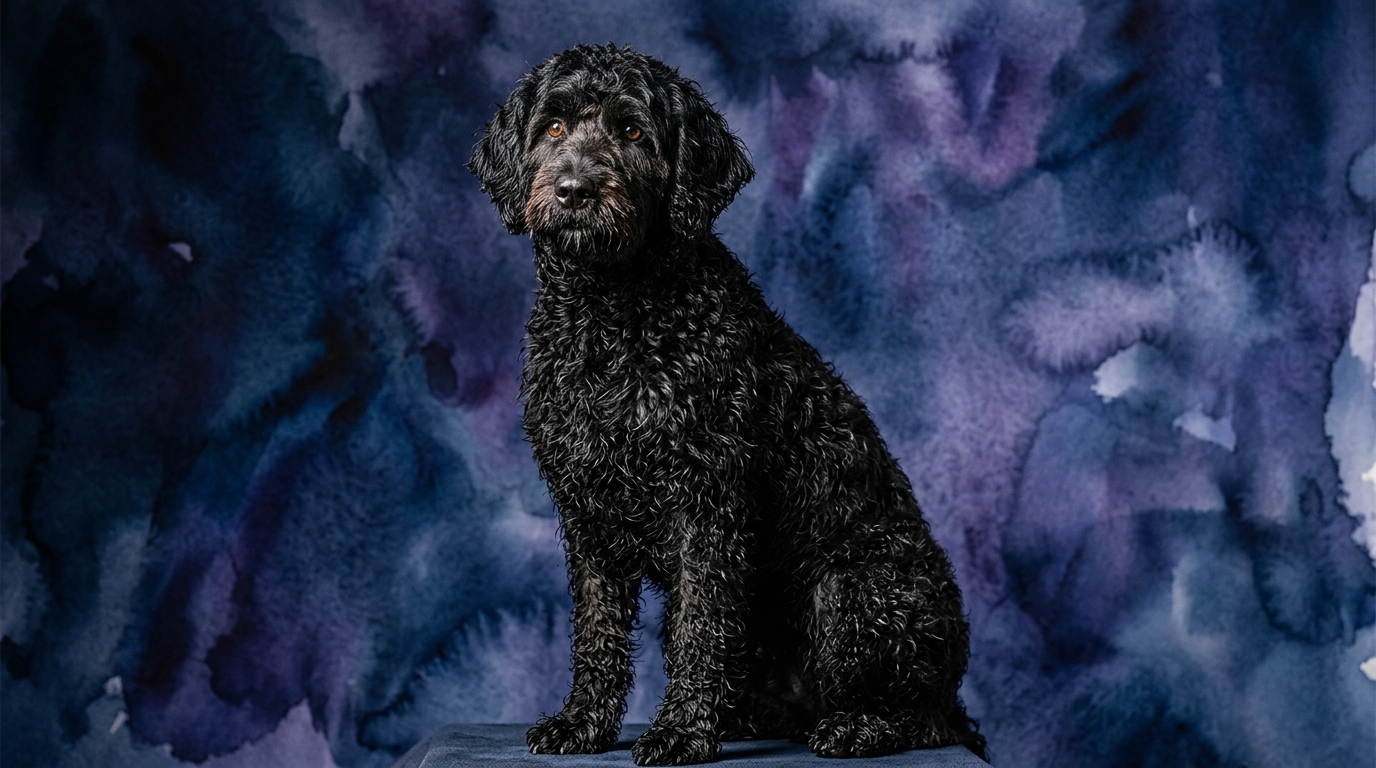
Side-by-Side IQ Profile: Labrador Retriever vs. Portuguese Water Dog
At The Cosmic Pet Pet IQ Lab, we evaluate canine intelligence across five key dimensions. The Labrador Retriever, a Sporting group dog, is notably ranked #7 by Stanley Coren, indicating a strong capacity for obedience and working intelligence. Our assessment places their Problem Solving at 4/5, reflecting their adeptness at navigating environmental challenges and achieving desired outcomes. Their Training Speed is an exceptional 5/5, demonstrating a remarkable ability to grasp and execute new commands quickly, often with minimal repetition. Social Intelligence also scores a perfect 5/5, highlighting their profound understanding of human cues, emotions, and intentions, making them highly responsive and cooperative companions. An Instinctive Drive of 4/5 signifies their robust innate urges for tasks like retrieving and scent work, while their Memory at 4/5 ensures excellent retention of learned behaviors and spatial information.
The Portuguese Water Dog, a member of the Working group, does not hold a specific Coren ranking, but our IQ assessment provides insight into their cognitive strengths. This breed demonstrates a Problem Solving capacity of 3/5, indicating they are capable of tackling practical challenges, particularly those involving physical interaction with their environment, though they may employ more trial-and-error. Their Training Speed is rated 3/5, suggesting they learn new commands at a moderate pace, requiring consistent reinforcement to solidify understanding. Social Intelligence for the PWD is 3/5, meaning they form strong bonds and understand basic family dynamics, but might exhibit a more independent approach compared to highly people-focused breeds. An Instinctive Drive of 3/5 reflects their natural inclination for water work and physical activity, guiding their active and exploratory behaviors. Finally, their Memory at 3/5 indicates reasonable retention of training and experiences, though less frequent lessons might require refreshers.
Where the Labrador Retriever Excels Cognitively
The Labrador Retriever's cognitive strengths truly shine in areas demanding rapid assimilation of information and nuanced social understanding. Their top-tier 5/5 Training Speed means they pick up new commands with remarkable alacrity, often making them a standout choice for complex obedience work or service roles where quick learning is paramount. This isn't just about rote memorization; it's about their capacity to connect a verbal cue with an action almost instantaneously. Furthermore, their 5/5 Social Intelligence gives them a distinct edge in interpreting human intentions and emotional states, allowing for exceptionally fluid communication and cooperation. A Labrador often anticipates an owner's next move or mood, making them incredibly intuitive companions. This blend of quick learning and social attunement contributes to their renowned adaptability and responsiveness in diverse environments, from bustling family homes to demanding working scenarios, solidifying their reputation as highly trainable and perceptive partners.
Where the Portuguese Water Dog Demonstrates Unique Cognitive Strengths
While the Labrador excels in certain dimensions, the Portuguese Water Dog presents a distinct cognitive profile that offers its own advantages, particularly in areas of independent thought and practical problem-solving. Their 3/5 Problem Solving, though numerically lower than the Labrador's, manifests differently; PWDs often display a resourceful, hands-on approach to physical challenges, especially those involving their environment or objects. They might methodically experiment with various strategies to retrieve a toy from a tight spot or navigate a tricky obstacle, relying on physical manipulation and persistence rather than immediate human guidance. This breed's 3/5 Instinctive Drive is strongly tied to their working heritage, fostering a resilient and self-directed engagement in tasks, particularly those involving water or herding. They don't always look to their handler for every step; instead, they might initiate actions based on their internal drive and assessment of the situation, showcasing a practical, independent intelligence geared towards physical accomplishment and sustained engagement with their surroundings.
Ease of Training: Behavioral Differences and Owner Experience
When evaluating ease of training, the Labrador Retriever generally presents a smoother experience for most owners. Their 5/5 Training Speed is a significant factor, meaning they absorb new commands and routines with fewer repetitions and greater consistency. This is coupled with their 5/5 Social Intelligence, which makes them acutely tuned into human communication and eager to please, reducing resistance and enhancing motivation during training sessions. A Labrador's strong desire for interaction and positive reinforcement makes them incredibly cooperative students, often eager to perform for praise or a treat. In contrast, the Portuguese Water Dog, with a 3/5 Training Speed and 3/5 Social Intelligence, typically requires a more patient and consistent approach. While capable learners, they may take longer to solidify commands and might exhibit a more independent streak, occasionally challenging an owner's directives if not sufficiently motivated or if the training isn't engaging enough. Their working dog mentality means they respond best to clear, purposeful tasks that engage their physical and mental energy, rather than purely repetitive drills, which can sometimes be perceived as stubbornness if not managed effectively.
Matching Breed to Lifestyle: Active vs. Relaxed Owners
For owners with a more relaxed lifestyle, the Labrador Retriever often integrates more seamlessly into the home. While they certainly benefit from regular exercise and mental engagement, their high social intelligence and eagerness to please mean they are generally content to settle down with their family after their needs are met, adapting well to varied daily routines. Their cooperative nature makes them excellent companions for a leisurely stroll or a quiet evening at home, provided their fundamental needs for activity are met. The Portuguese Water Dog, however, is better suited for highly active owners who can provide consistent, vigorous physical and mental stimulation. Their robust instinctive drive and practical problem-solving skills thrive on purposeful activities like dog sports, extensive swimming, or complex training regimens. A PWD who isn't sufficiently exercised or mentally challenged can become restless and invent their own 'work,' which might manifest as undesirable behaviors for a less active household. They truly need an owner who is ready to engage with their energetic, independent spirit daily, offering more than just basic walks.
The Verdict
Choose a Labrador Retriever if you prioritize a highly adaptable, socially attuned companion who excels in rapid learning and cooperative training, fitting well into varied family dynamics and offering intuitive interaction.
Opt for a Portuguese Water Dog if you seek an energetic, independent problem-solver, and are prepared to provide consistent, engaging physical and mental outlets for their robust working drive and adventurous spirit.
🧠 Find Your Pet's IQ Score
Our Pet IQ Lab assessment covers 25+ tests across 5 cognitive dimensions — personalized to your breed.
Take the Full IQ Test →Frequently Asked Questions
Do Labrador Retrievers or Portuguese Water Dogs bark more frequently?
Labrador Retrievers generally have a moderate tendency to bark, often using it to alert or express excitement in a communicative manner. Portuguese Water Dogs, however, can be more vocal, sometimes using barks or distinct 'yodels' to communicate their needs or express their opinions, especially if under-stimulated or seeking attention, requiring consistent training to manage.
Are Portuguese Water Dogs good with children, given their lower social intelligence score?
A 3/5 social intelligence score for a Portuguese Water Dog indicates they understand social cues and bond deeply with their family, but might not be as overtly people-focused as a Labrador. With proper socialization and training from a young age, PWDs can be excellent family dogs, though their energetic nature means supervision with very young children is always advisable to prevent accidental bumps or tumbles due to their enthusiastic play.
Which breed is more prone to separation anxiety?
Both breeds can develop separation anxiety, but Labrador Retrievers, with their higher social intelligence and strong desire for constant companionship, might be slightly more predisposed if left alone for extended periods without adequate mental and physical preparation. PWDs, while devoted, can exhibit more independent coping mechanisms, though consistency in training for alone time is crucial for both to prevent stress-related behaviors.