Side-by-Side IQ Profile: Unpacking Canine Cognition
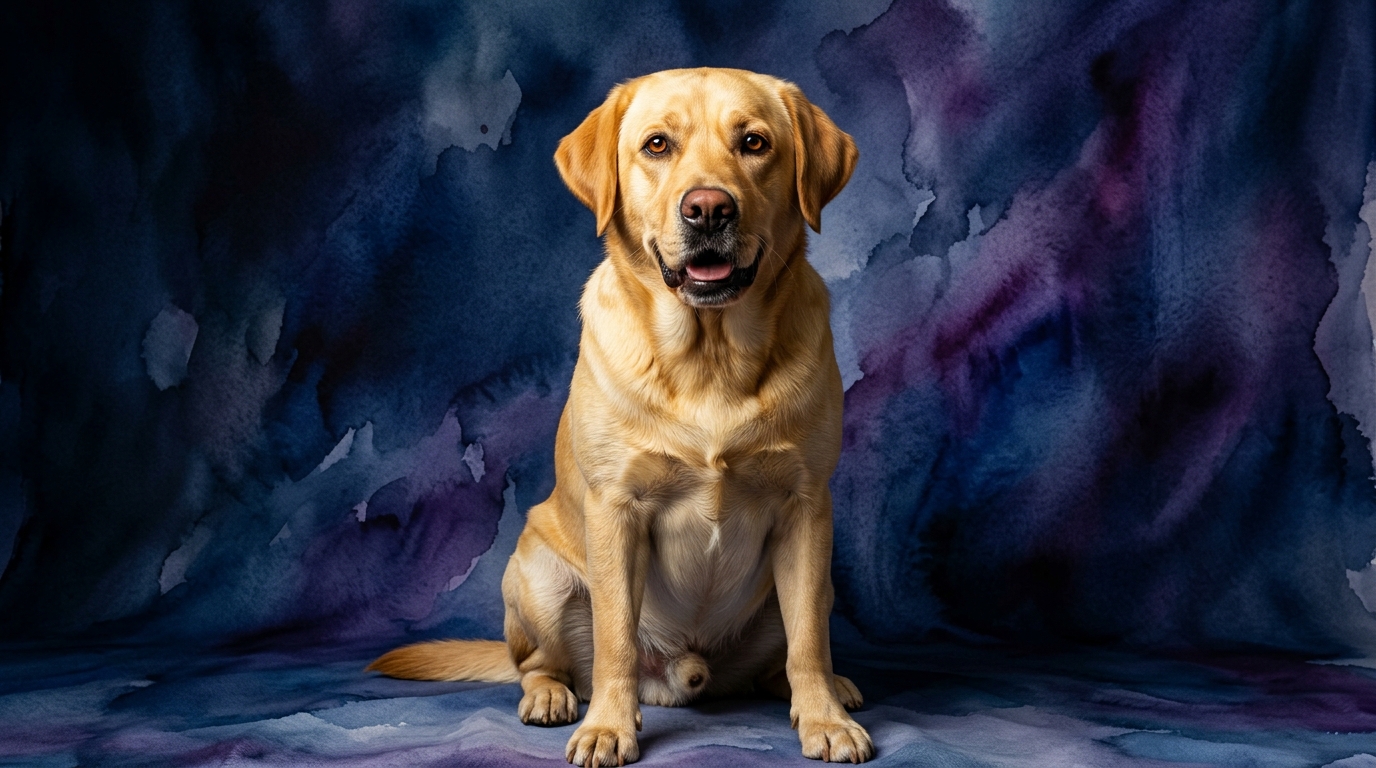
To truly understand the cognitive landscape of the Labrador Retriever and the Puli, we turn to The Cosmic Pet Pet IQ Lab's five core dimensions. The Labrador Retriever, a Sporting group dog with a Coren rank of #7, showcases a formidable cognitive profile: Problem Solving at 4/5, Training Speed at a perfect 5/5, Social Intelligence at 5/5, Instinctive Drive at 4/5, and Memory at 4/5. This paints a picture of a dog built for cooperative endeavors and quick assimilation of information.
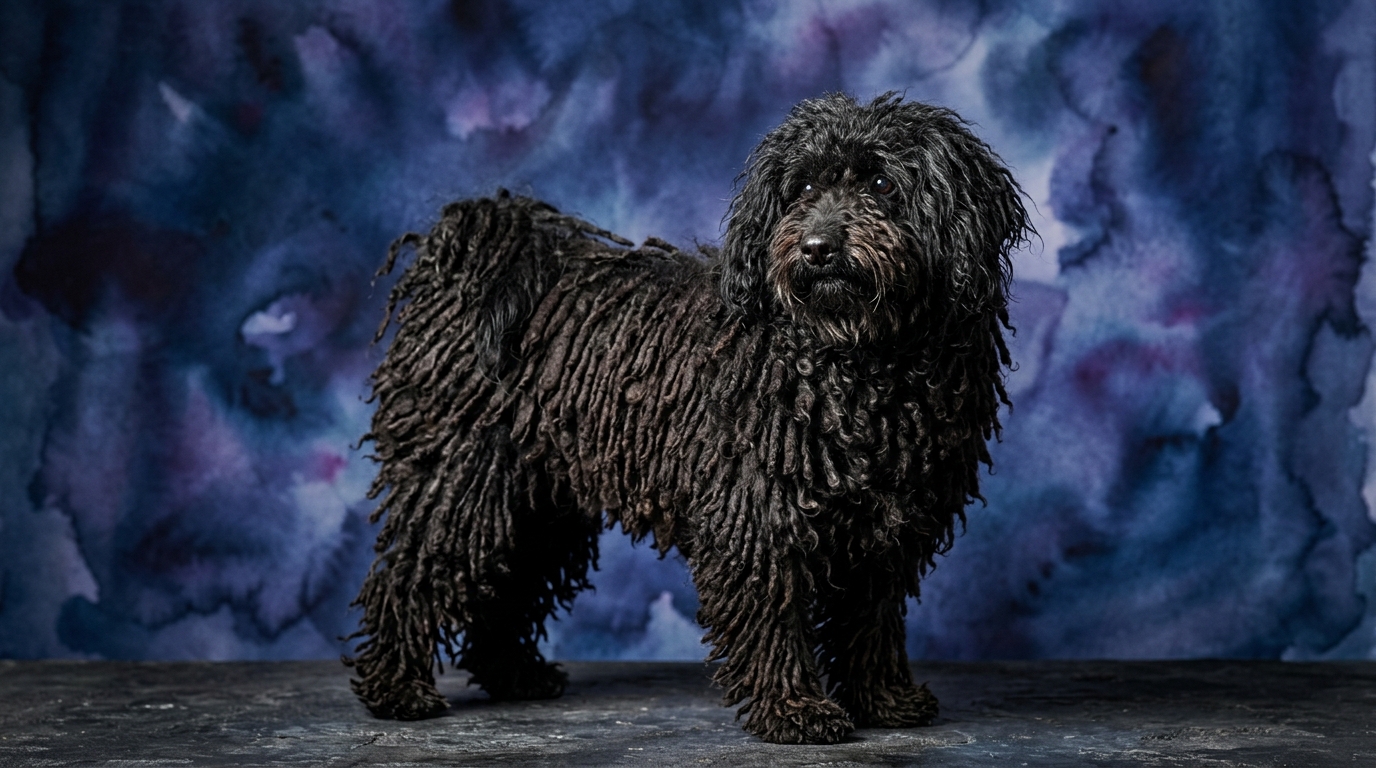
The Puli, a Herding group dog with a Coren rank of #25, presents a distinct set of intellectual attributes. Its Problem Solving also registers at 4/5, indicating a capacity for independent thought and resolution. Training Speed is 4/5, suggesting a capable learner, while Social Intelligence is 3/5, pointing to a more reserved nature. Instinctive Drive is 3/5, reflecting its herding heritage, and Memory is 4/5, indicating solid retention. While both breeds share a similar capacity for problem-solving and memory retention, their approaches to training, social interaction, and inherent drives diverge significantly, offering a rich study in canine diversity.
Where Labrador Retriever Wins Cognitively
The Labrador Retriever truly shines in its exceptional Training Speed and unparalleled Social Intelligence. Scoring a perfect 5/5 in both categories, the Labrador displays an almost innate desire to collaborate and understand human intentions. Their high social intelligence means they are remarkably adept at reading subtle cues from their handlers, making them highly responsive and eager to please. This translates into rapid learning of commands and complex tasks, far beyond simple obedience. A Labrador isn't just performing an action; it's actively seeking to partner with its human, anticipating expectations and adapting its behavior. This cognitive strength makes them ideal candidates for roles requiring intricate teamwork, such as service work, search and rescue, or competitive obedience, where a deep, intuitive bond with their handler is paramount. Their drive to engage socially and receive positive reinforcement fuels a learning curve that few breeds can match, allowing them to absorb new information and modify behavior with remarkable efficiency.
Where Puli Wins Cognitively
While the Puli's numerical scores might not always surpass the Labrador's, its cognitive strengths lie in a different expression of intelligence, particularly its independent problem-solving and discerning social approach. With a Problem Solving score of 4/5, the Puli demonstrates an impressive capacity for autonomous thought, often devising solutions to challenges without constant human prompting. This isn't a dog waiting for explicit instructions; it's a strategic thinker, a trait honed by centuries of working livestock where quick, self-reliant decisions were crucial. Their Instinctive Drive, rated 3/5, manifests as a watchful, often protective, oversight rather than a high-energy retrieve, indicating a different kind of working intelligence focused on management and guardianship. Furthermore, while their Social Intelligence is 3/5, this often translates into a deeper, more reserved bond with their primary family, less prone to indiscriminate friendliness. This discerning nature means that once a Puli trusts you, their devotion is profound, making them uniquely attuned to their inner circle and less distracted by external stimuli. Owners who value a dog capable of independent strategic thinking and a deeply personal bond will find the Puli's cognitive makeup particularly rewarding.
Which is Easier to Train and Why
When it comes to ease of training, the Labrador Retriever holds a distinct advantage, primarily due to its 5/5 Training Speed and 5/5 Social Intelligence. Labradors are inherently biddable, meaning they possess a natural willingness to comply with commands and a strong desire to please their human companions. They thrive on positive reinforcement, readily absorbing new information and commands because they actively seek to understand and collaborate. Their high social intelligence allows them to interpret human body language and vocal tones with remarkable accuracy, making communication during training remarkably fluid. This eagerness to engage and cooperate makes the training process often feel like a joyful partnership, leading to rapid mastery of both basic and advanced obedience.
The Puli, with a Training Speed of 4/5 and Social Intelligence of 3/5, presents a different training dynamic. While certainly capable learners, their herding heritage imbues them with a degree of independent thought and a strong will. A Puli might learn a command quickly but may also question its necessity or seek a more efficient path, characteristic of a dog bred to make decisions autonomously in the field. Training a Puli requires patience, consistency, and a deep understanding of their intelligent, sometimes stubborn, nature. They respond best to positive reinforcement and methods that make sense to their problem-solving minds, rather than purely rote repetition. While a Labrador aims to please, a Puli aims to understand and, if convinced, comply.
Which Suits Active Owners vs Relaxed Owners
Determining which breed suits active versus more relaxed owners requires a nuanced look at their cognitive and physical needs. The Labrador Retriever, with its 4/5 Instinctive Drive (focused on retrieving, working, and engaging) and high training speed, is an excellent match for active owners. They thrive when given a purpose, whether it's daily long walks, runs, swimming, or participating in dog sports like agility, dock diving, or field trials. Their eager-to-please nature and high social intelligence make them wonderful companions for family adventures and structured activities, as they genuinely enjoy being involved and working alongside their humans. An owner who loves being outdoors and engaging their dog in various tasks will find the Labrador an enthusiastic and tireless partner.
The Puli, while perhaps not requiring the same sheer volume of physical exertion as a working Labrador, is by no means a 'relaxed' dog in the traditional sense. Its 3/5 Instinctive Drive, rooted in herding, translates to an alert, watchful nature that needs consistent mental stimulation. Owners who appreciate a dog with an independent spirit and enjoy engaging in problem-solving games, puzzle toys, and trick training will find the Puli rewarding. While they might enjoy a good walk, their need is often more about strategic engagement and guarding their territory or family. They are better suited for owners who are active in a way that respects their independent mind and provides consistent mental challenges, rather than purely physical, repetitive exercise. A Puli demands an owner who is present and willing to engage their unique intellect.
The Verdict
Select a Labrador Retriever if you seek an exceptionally collaborative, eager-to-please companion for a wide range of family activities, dog sports, or service roles, valuing their profound biddability and social connection.
Opt for a Puli if you appreciate an independent, strategic thinker with a discerning loyalty, and are prepared to engage a dog whose intelligence manifests in self-reliance and a unique, deep bond with its chosen family.
🧠 Find Your Pet's IQ Score
Our Pet IQ Lab assessment covers 25+ tests across 5 cognitive dimensions — personalized to your breed.
Take the Full IQ Test →Frequently Asked Questions
Are Labradors good family dogs?
Yes, Labradors are renowned for their adaptable and friendly dispositions, making them excellent family companions who thrive on social interaction and readily integrate into diverse household dynamics. Their high social intelligence allows them to form strong bonds with all family members, including children and other pets, and they genuinely enjoy being part of family activities.
Do Pulik need a lot of grooming?
Yes, the Puli's distinctive corded coat requires specific and significant grooming attention, particularly during the cord-forming stage, to prevent matting and ensure coat health. Regular separation of cords and thorough drying after baths are essential to maintain their unique appearance and prevent skin issues.
Which breed is better for first-time dog owners?
The Labrador Retriever is generally more suitable for first-time dog owners due to its higher training speed and social intelligence, making it more forgiving and easier to manage. Their eagerness to please and clear communication style simplify the learning process for both dog and owner, leading to a more positive initial experience.