Side-by-Side Cognitive Profiles
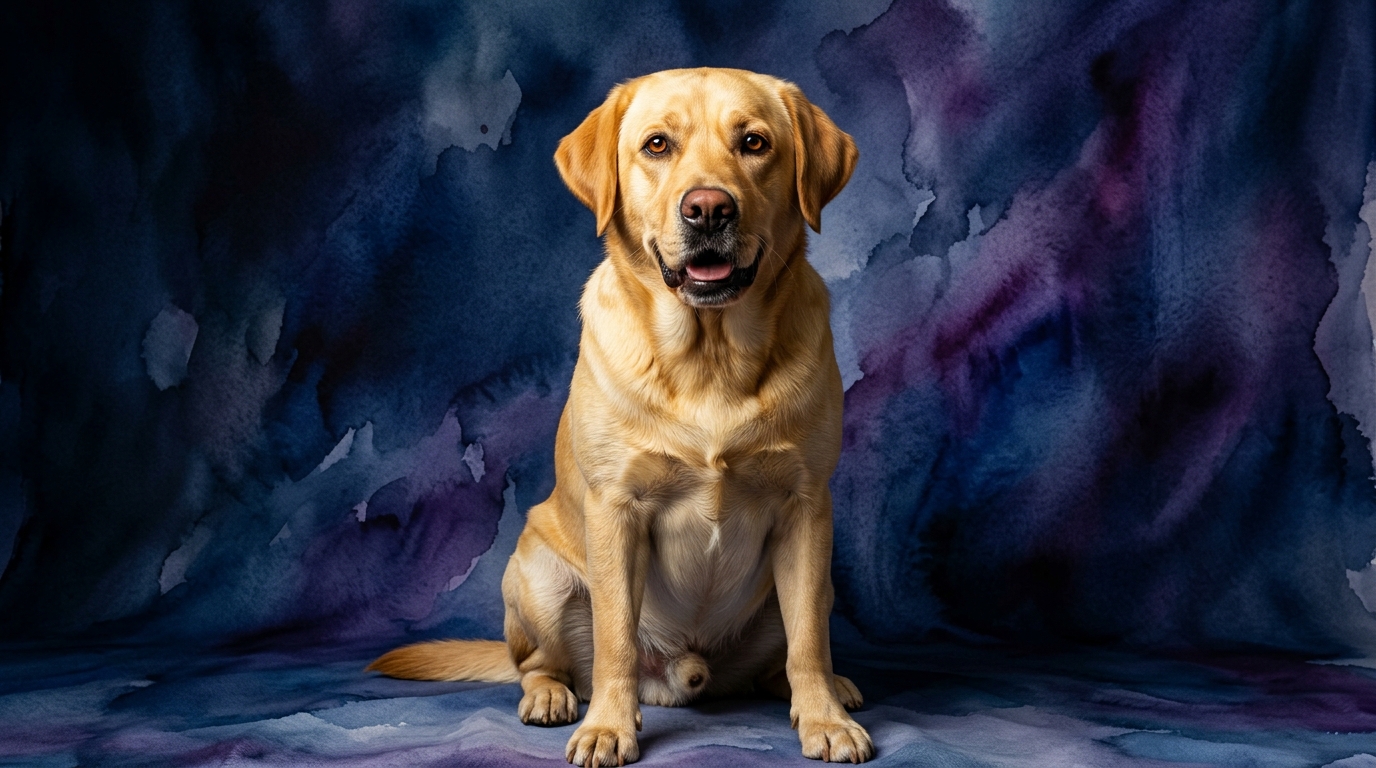
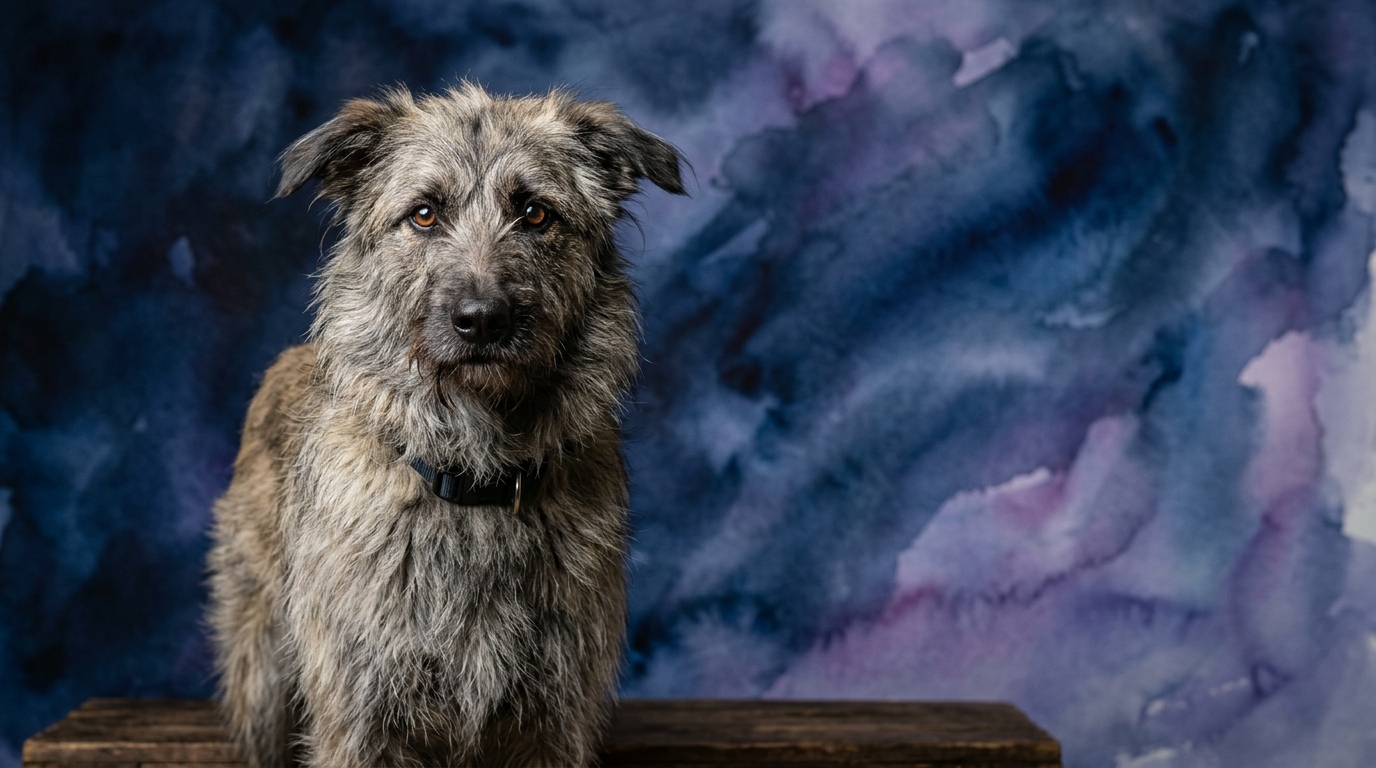
The Cosmic Pet Pet IQ Lab employs a five-dimensional framework to assess canine intelligence, offering a granular view beyond simple obedience. For the Labrador Retriever and Pyrenean Shepherd, these scores reveal divergent cognitive architectures tailored to their historical roles and breed development.
Labrador Retrievers display a robust capacity for discerning effective solutions to novel challenges, often demonstrating strategic thinking when faced with obstacles to a desired outcome (Problem Solving 4/5). Their exceptional training speed means they grasp new commands and complex routines with remarkable alacrity, driven by a strong desire to cooperate (Training Speed 5/5). They possess a profound ability to interpret and respond to human emotions and social cues, fostering deep bonds and intuitive communication (Social Intelligence 5/5). The breed's instinctive drive is robust, manifesting as a powerful urge to retrieve, explore, and engage with their environment (Instinctive Drive 4/5). With a strong memory, Labrador Retrievers retain learned behaviors, routes, and associations over extended periods, aiding in consistency and reliability (Memory 4/5).
Pyrenean Shepherds display a moderate aptitude for navigating new puzzles, often relying on established patterns or handler cues rather than immediate, independent innovation (Problem Solving 3/5). Their training speed is solid but requires consistent and patient methods, as they may take longer to solidify new commands compared to breeds with higher scores (Training Speed 3/5). Pyrenean Shepherds exhibit a functional level of social intelligence, allowing them to form bonds and understand basic human intentions, though their focus often remains on their environment or task rather than overt emotional attunement (Social Intelligence 3/5). The instinctive drive in Pyrenean Shepherds is well-defined and often directed towards their historical role in herding, showing a persistent focus on movement and control (Instinctive Drive 3/5). They possess a reliable memory for learned tasks and routines, particularly those related to their working functions or regular daily patterns (Memory 3/5).
Where the Labrador Retriever Excels Cognitively
The Labrador Retriever's cognitive strengths lie in its exceptional adaptability and eagerness to integrate with human endeavors. Their superior training speed (5/5) means they can master a vast repertoire of commands quickly, from complex agility sequences to intricate service tasks, often anticipating the next step in a routine. This rapid acquisition of skills makes them highly versatile learners.
Their elevated social intelligence (5/5) allows Labradors to read human body language and emotional states with remarkable accuracy, enabling them to offer comfort or adjust their behavior intuitively. This deep attunement fosters a collaborative learning environment, where the dog actively seeks to understand and comply with human directives. Furthermore, their strong problem-solving abilities (4/5) are frequently demonstrated when they figure out how to access a coveted toy or navigate a new environment efficiently, often employing creative solutions without extensive guidance.
Distinct Cognitive Strengths of the Pyrenean Shepherd
While the Pyrenean Shepherd's individual cognitive scores are numerically lower than the Labrador's, their strengths are honed for specific, independent working roles. Their problem-solving (3/5) is often characterized by a resilient, self-reliant approach, particularly in dynamic, open environments. A Pyrenean Shepherd might independently assess a shifting flock and devise a strategy to gather them without constant human input, a crucial trait for a herding dog where immediate handler presence isn't always guaranteed.
Their instinctive drive (3/5), though not as broadly expressed as a Labrador's, is intensely focused and effective within its herding context. This drive translates into an unwavering determination to manage and control livestock, exhibiting a persistent and strategic application of their herding instincts. Their memory (3/5) reliably serves their working needs, allowing them to recall complex territorial boundaries, flock patterns, and established routes, which is vital for effective herding over varied terrain.
Training: Ease and Approach
When considering ease of training, the Labrador Retriever generally presents a more straightforward experience for most owners. Their exceptional training speed (5/5) combined with their high social intelligence (5/5) means they are highly responsive to human direction and actively seek to please. They absorb new commands rapidly and are motivated by praise, toys, and food, making positive reinforcement highly effective. A Labrador is often eager to engage in structured training sessions and will strive to understand what is asked of them, quickly forming strong associations between actions and consequences.
The Pyrenean Shepherd, with lower scores in training speed (3/5) and social intelligence (3/5), typically requires a more patient, consistent, and nuanced training approach. While capable of learning, they are often more independent thinkers and less inherently driven to comply solely for human approval. Their focus can be more task-oriented or environmentally driven rather than handler-centric, meaning trainers need to be particularly engaging and make training relevant to the dog's intrinsic motivations. Owners might find Pyrenean Shepherds challenge commands more frequently or require more repetition to solidify new behaviors, reflecting their thoughtful, self-directed nature rather than a lack of capacity.
Matching Breeds to Lifestyles: Active vs. Relaxed Owners
The Labrador Retriever is an excellent fit for active owners seeking a versatile, engaged companion for a wide range of activities. Their robust instinctive drive (4/5) and strong problem-solving skills (4/5) make them ideal partners for everything from hiking and swimming to dog sports like agility, obedience, and dock diving. Owners who enjoy frequent interaction, structured training, and including their dog in daily outings will find the Labrador's eager participation deeply rewarding. Their social intelligence (5/5) also makes them suitable for homes with children or other pets, thriving on communal engagement.
The Pyrenean Shepherd, while also an active breed, suits owners who appreciate and can channel a dog's specific working drives and independent spirit. They are not typically suited for purely 'relaxed' owners unless that relaxation involves observing them engage in meaningful tasks or extensive outdoor exploration. Owners who are experienced with herding breeds, or those willing to dedicate time to channeling their instinctive drive (3/5) into activities like herding, advanced dog sports, or extensive off-leash exploration in secure environments, will find this breed thrives. Their moderate social intelligence (3/5) means they might be more reserved with strangers and require thoughtful socialization, making them a better match for owners who understand and respect their independent nature rather than expecting constant overt affection.
The Verdict
Choose the Labrador Retriever if you desire a highly adaptable, eager-to-please companion deeply attuned to human social cues, excellent for diverse family activities and rapid training. Their reliable nature and strong drive for engagement make them a versatile choice for many active households.
Opt for the Pyrenean Shepherd if you are an experienced owner prepared to engage with a thoughtful, independent working breed that thrives on specific tasks and challenges. They are best suited for those who appreciate a dog with a strong, focused drive for work and a more reserved social demeanor.
🧠 Find Your Pet's IQ Score
Our Pet IQ Lab assessment covers 25+ tests across 5 cognitive dimensions — personalized to your breed.
Take the Full IQ Test →Frequently Asked Questions
Is the Pyrenean Shepherd difficult to train?
The Pyrenean Shepherd is not difficult to train, but requires more patience and consistency than some breeds. Their independent nature and moderate training speed (3/5) mean that methods must be engaging and relevant to their natural drives, often benefiting from experienced handlers.
Which breed is better with children?
The Labrador Retriever, with its high social intelligence (5/5) and generally affable nature, is often a more natural fit for families with children, displaying patience and a desire to interact. Pyrenean Shepherds can be good with children in their own family but may be more reserved with unfamiliar children and require careful supervision and socialization due to their herding instincts.
Do Pyrenean Shepherds need a lot of exercise?
Yes, Pyrenean Shepherds are active working dogs with a significant need for physical and mental exercise to be content. Their instinctive drive (3/5) means they thrive on activities that engage their minds and bodies, such as herding, long walks, or dog sports, rather than just short strolls.