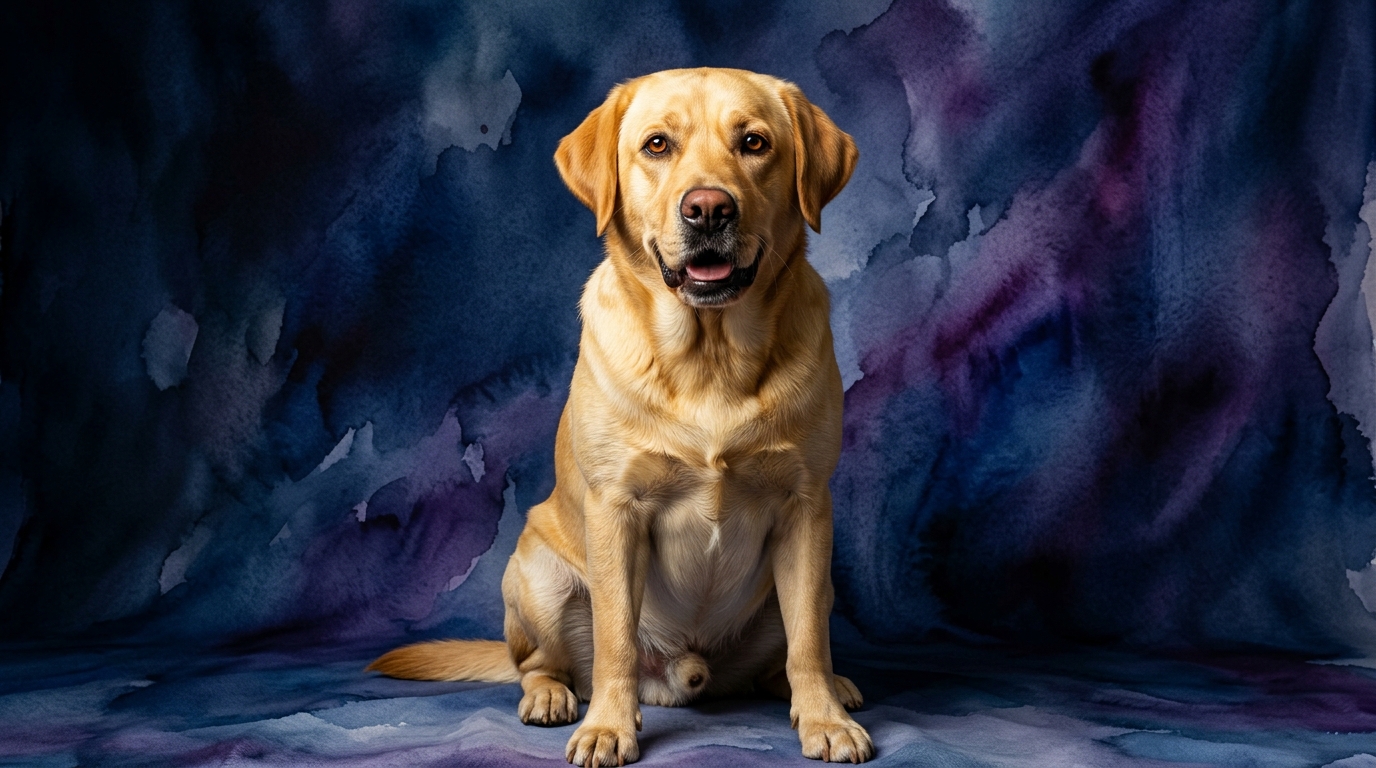
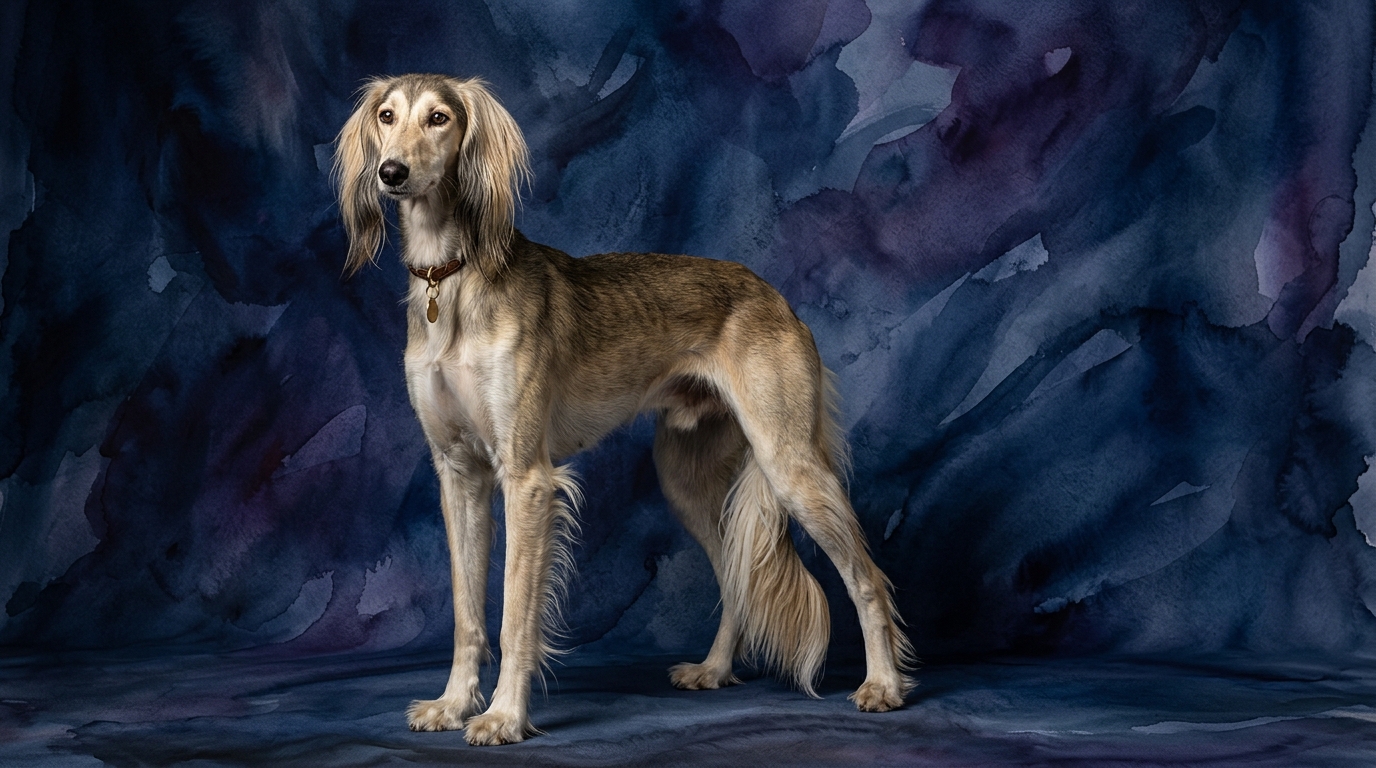
Side-by-Side Cognitive Profile: Lab vs. Saluki
The Cosmic Pet Pet IQ Lab offers a nuanced look at canine intelligence across five key dimensions, providing a framework to understand how different breeds process information and interact with their world. For the Labrador Retriever, a Sporting group dog, their Coren rank of #7 reflects a strong aptitude for obedience and working intelligence. Their Problem Solving is rated at 4/5, indicating a robust capacity to figure out challenges and adapt to new situations. Training Speed is an exceptional 5/5, meaning they grasp new commands and concepts with remarkable quickness. Social Intelligence also scores a perfect 5/5, showcasing their profound ability to understand human cues and integrate into family dynamics. Their Instinctive Drive, often centered around retrieving and companionship, is a strong 4/5, and their Memory stands at 4/5, allowing for excellent recall of learned behaviors and routines.
In contrast, the Saluki, a Hound group dog, is not Coren-ranked, which underscores their different evolutionary purpose and cognitive strengths compared to breeds primarily bred for biddable work. Their Problem Solving is rated at 3/5, suggesting they can navigate direct challenges but may approach complex, multi-step puzzles with less enthusiasm than a Labrador. Training Speed is 3/5, indicating a moderate learning pace that requires patience and consistent reinforcement. Social Intelligence is also 3/5; they form deep bonds with their chosen family but can be reserved with strangers and possess a distinct independence in their social interactions. Their Instinctive Drive, heavily geared towards sight-hunting, is 3/5, manifesting as bursts of intense focus on visual targets rather than sustained, cooperative tasks. Finally, their Memory is 3/5, sufficient for retaining information but perhaps not with the same consistent, eager recall as breeds bred for constant interaction.
Where the Labrador Retriever Excels Cognitively
Labradors shine in areas demanding cooperation and a deep understanding of human intent, making them exceptionally versatile companions. Their 5/5 in Training Speed means they pick up cues rapidly, often after only a few repetitions, making them highly adaptable to various roles from assistance work to competitive obedience. This rapid learning curve is a significant cognitive advantage, allowing them to quickly master complex sequences of commands and adapt to new environments. Their 5/5 Social Intelligence allows them to deeply attune to human emotions and desires, leading to intuitive responses that foster strong partnerships. This ability to 'read' their people and anticipate needs is a hallmark of their cognitive profile, enabling seamless integration into diverse household environments and collaborative tasks. Furthermore, their 4/5 in Problem Solving means they don't just follow orders; they can often deduce solutions to novel situations, like figuring out how to open a gate or retrieve a toy from an inaccessible spot, demonstrating a flexible and practical cognitive approach.
Where the Saluki's Unique Cognition Stands Out
While not excelling in the same metrics as a Labrador, Salukis exhibit a distinct cognitive prowess rooted in their ancient sighthound heritage. Their instinctive drive (3/5) is highly specialized, manifesting as exceptional visual acuity and an unparalleled ability to process movement at a distance. This 'hunter's intelligence' means they can rapidly assess prey trajectories and make independent decisions in open fields, a complex cognitive feat requiring quick processing and spatial reasoning that is vital for their original purpose. While their Problem Solving is 3/5, this often translates to finding the most efficient path to a visual target, demonstrating a focused, goal-oriented form of intelligence rather than one geared towards human-centric puzzles or abstract tasks. Their reserved social intelligence (3/5) allows them to observe and process their environment with a calm independence, avoiding the over-eagerness that can sometimes distract other breeds, enabling them to make independent decisions based on their surroundings.
Trainability: A Tale of Two Temperaments
The Labrador Retriever undeniably presents an easier training journey for most owners, largely due to their exceptional 5/5 Training Speed and 5/5 Social Intelligence. They possess an inherent desire to please and a remarkable ability to understand and respond to human directives quickly. Their strong instinctive drive (4/5) often aligns with tasks involving retrieving or cooperative work, making them naturally inclined to engage in structured learning activities. A Labrador will typically learn a new command in fewer repetitions, motivated by praise, food, or a toy, and will readily offer behaviors they know will earn approval, making them highly responsive to positive reinforcement and consistent guidance. Their memory (4/5) ensures that once a command is learned, it is retained effectively, leading to reliable performance.
In contrast, the Saluki's 3/5 Training Speed and 3/5 Social Intelligence mean that training requires a different approach. They are intelligent but often independent thinkers, less driven by a desire to please and more by their own internal motivations, particularly their powerful prey drive. While capable of learning, a Saluki might require more consistent, patient, and engaging sessions, often responding best to positive reinforcement techniques that make training feel like a game rather than a chore. Their memory (3/5) is adequate, but owners may find that commands need more frequent reinforcement to ensure consistent recall, especially when their attention is captured by a visual stimulus. Their cognitive strength lies in independent action in pursuit of a visual target, which can make recall challenging in open spaces without a strong foundation of training and a securely fenced environment.
Matching Canine Cognition to Owner Lifestyle
For active owners seeking a highly engaged and cooperative canine partner, the Labrador Retriever is an excellent match. Their 4/5 instinctive drive for activity, combined with their 5/5 social intelligence and trainability, means they thrive on shared adventures, whether it's hiking, swimming, or participating in dog sports. They possess the cognitive flexibility (4/5 problem-solving) to learn complex activities and the memory (4/5) to remember routes and routines. They enjoy being central to family activities and require consistent mental and physical engagement to prevent boredom, making them ideal for owners who want a dog deeply integrated into their active lifestyle.
Salukis, while incredibly athletic and requiring significant bursts of exercise, might suit a different kind of active owner or even a more relaxed owner who understands their unique needs. Their energy is often expressed in short, intense sprints rather than sustained, biddable work. An owner who enjoys long, secure off-leash runs in a fenced area where their sight-hunting drive can be safely expressed, followed by long periods of relaxed lounging, would appreciate a Saluki. Their 3/5 social intelligence means they are often content to be near their family rather than constantly interacting, making them suitable for owners who appreciate a more independent companion who values their quiet personal space after their specific exercise needs are met. For a truly relaxed owner seeking a low-maintenance energy dog, neither is ideal, but the Saluki's independent nature might make them appear more 'relaxed' indoors, provided their specific exercise needs are met with appropriate outlets.
The Verdict
Opt for a Labrador Retriever if you seek a highly cooperative, eager-to-please companion who thrives on shared activities, excels in structured training, and seamlessly integrates into a busy family life.
Select a Saluki if you appreciate an independent, elegant sighthound with bursts of incredible athleticism, a reserved affection, and whose unique cognitive strengths lie in swift, visually-driven action.
🧠 Find Your Pet's IQ Score
Our Pet IQ Lab assessment covers 25+ tests across 5 cognitive dimensions — personalized to your breed.
Take the Full IQ Test →Frequently Asked Questions
Is a Saluki difficult to train?
Salukis are not inherently difficult to train, but they require a different approach than many working breeds. Their independence and lower desire to please, coupled with a strong prey drive, mean training needs to be engaging, consistent, and reward-based, often making them less suitable for novice trainers.
Which breed is better with children?
The Labrador Retriever's high social intelligence (5/5) and generally tolerant nature make them an excellent choice for families with children, often enjoying playful interactions and adapting well to family dynamics. Salukis (3/5 social intelligence) can be good with children, especially if raised with them, but their reserved nature and potential for sensitivity mean interactions should be supervised, and they may prefer calmer environments.
Do Salukis need a lot of exercise?
Yes, Salukis require significant exercise, typically in the form of intense, short bursts of running in a secure, fenced area where they can safely express their natural sighthound instincts. While they can be couch potatoes indoors, their physical and mental well-being depends on regular opportunities for high-speed activity.