Side-by-Side IQ Profile: Labrador Retriever vs. Shih Tzu
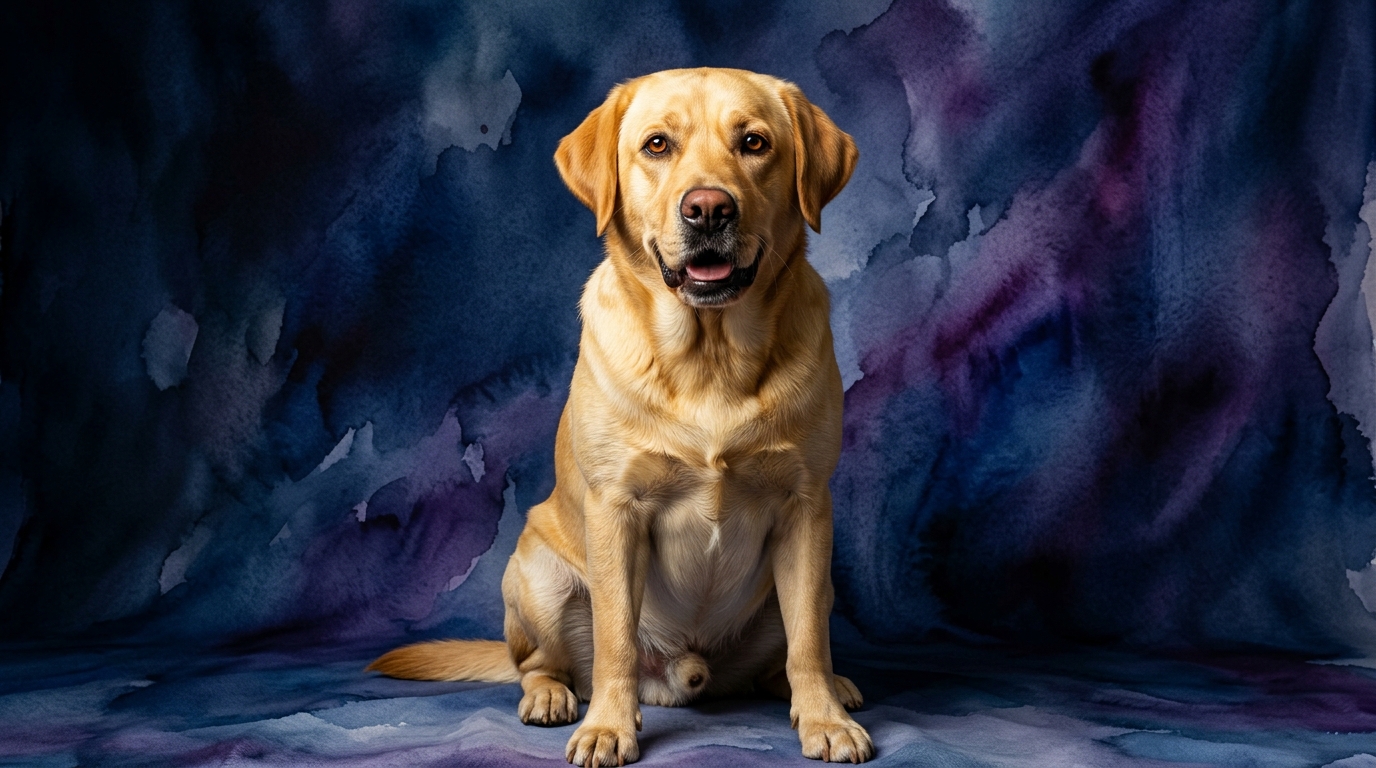
The Cosmic Pet Pet IQ Lab assesses canine intelligence across five key dimensions: Problem Solving, Training Speed, Social Intelligence, Instinctive Drive, and Memory. For the Labrador Retriever, classified in the Sporting group and holding a Coren rank of #7, the profile paints a picture of a dog built for purpose and partnership. They achieve a Problem Solving score of 4/5, indicating a strong capacity to navigate novel situations and figure things out independently. Their Training Speed is exceptional at 5/5, suggesting a rapid grasp of commands and routines. Social Intelligence also shines at 5/5, demonstrating an acute awareness of human emotions and social cues. An Instinctive Drive of 4/5 reflects their powerful natural inclinations for activities like retrieving, while their Memory stands at a solid 4/5, enabling them to retain learned behaviors and experiences effectively.
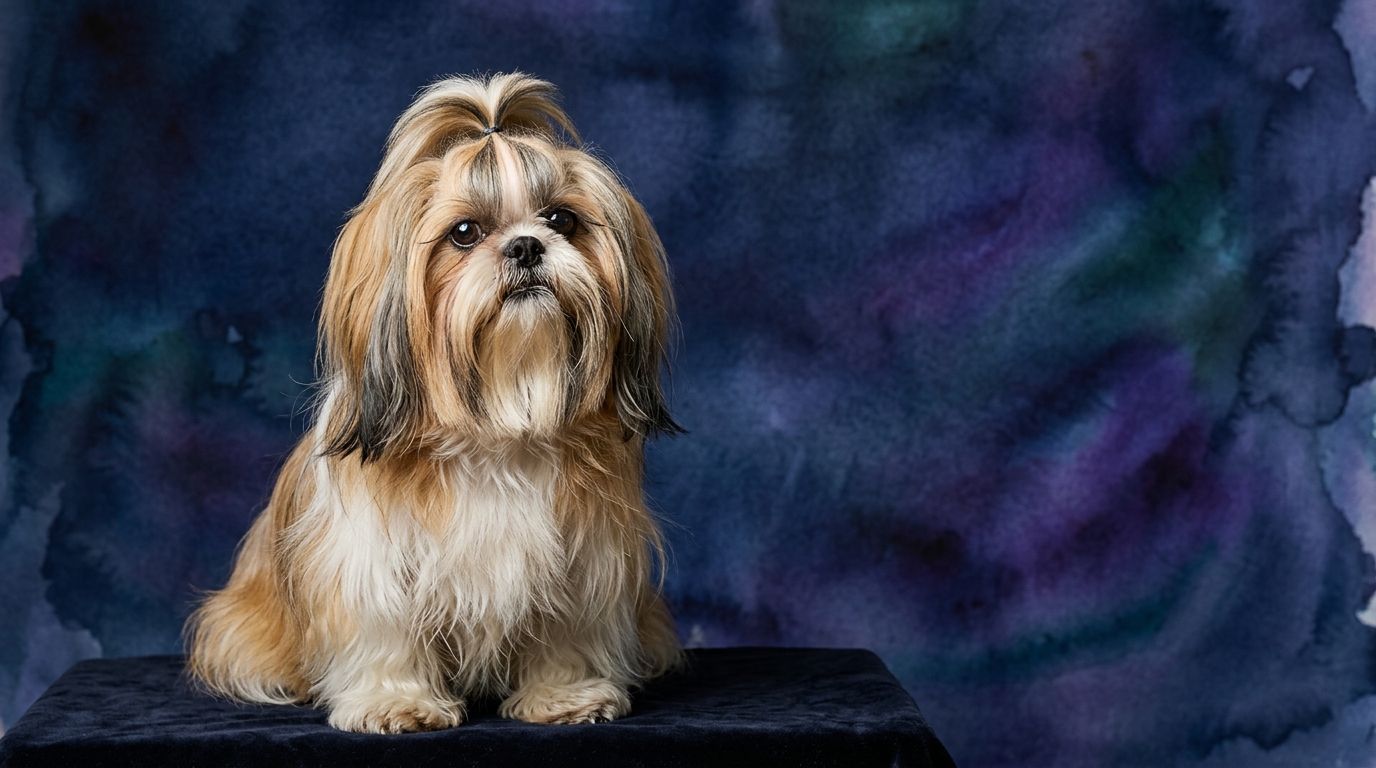
In contrast, the Shih Tzu, a delightful member of the Toy group with a Coren rank of #70, exhibits a different set of cognitive strengths, tailored more towards companionship. Their Problem Solving is rated at 3/5, suggesting a moderate ability to tackle new cognitive challenges. Training Speed is 2/5, indicating they may require more repetition and patience in learning new commands. Where they truly excel is in Social Intelligence, matching the Labrador Retriever with a perfect 5/5, showcasing their profound connection and responsiveness to their human family. Their Instinctive Drive is lower at 2/5, reflecting a reduced inclination towards traditional working tasks, and their Memory is rated 3/5, meaning they retain information adequately but perhaps not with the same precision as a Labrador.
A direct comparison highlights clear distinctions. The Labrador Retriever consistently scores higher in dimensions traditionally associated with working intelligence and trainability, such as Problem Solving, Training Speed, Instinctive Drive, and Memory. The Shih Tzu, while not scoring as high in these areas, matches the Labrador in Social Intelligence, emphasizing their core strength as an emotionally attuned companion. The Coren ranks further underscore these differences, with the Labrador's #7 position indicating a higher general working and obedience intelligence compared to the Shih Tzu's #70.
Where the Labrador Retriever Excels Cognitively
The Labrador Retriever's cognitive strengths make them particularly adept at tasks requiring focused attention and rapid learning. Their 4/5 Problem Solving ability means they are not easily stumped; whether it's figuring out how to open a gate or navigating a complex scent trail, they possess a strong capacity for practical application of their intellect. This manifests in their ability to adapt quickly to new environments and challenges, often learning through observation and trial-and-error with considerable success.
Their 5/5 Training Speed is a standout feature, allowing them to absorb and execute new commands with remarkable efficiency. This isn't just about rote memorization; it reflects an eagerness to cooperate and a cognitive agility that processes instructions quickly. Combined with a 4/5 Instinctive Drive, their natural predispositions are easily channeled into structured activities, making them prime candidates for various dog sports, assistance roles, or field work where their innate drives are harnessed effectively. Their 4/5 Memory ensures that once a lesson is learned, it tends to stick, building a reliable repertoire of behaviors over time.
Where the Shih Tzu Shines Cognitively
While the Shih Tzu may not boast the same scores in problem-solving or training speed as the Labrador, their cognitive profile is uniquely suited for their role as a devoted companion. Their perfect 5/5 Social Intelligence score is their crowning cognitive achievement. This means a Shih Tzu is exceptionally skilled at reading human emotions, understanding subtle social cues, and responding with appropriate affection or comfort. They possess an innate ability to connect deeply with their owners, often anticipating needs or reacting sensitively to moods, making them profoundly empathetic companions.
This high social intelligence allows them to navigate complex household dynamics with grace, often becoming the emotional anchor of a family. Their lower 2/5 Instinctive Drive, while meaning less inclination for high-energy working tasks, can be a cognitive advantage for owners seeking a more relaxed and less demanding companion. It implies a reduced need for intense mental and physical exertion rooted in ancient canine roles, allowing their cognitive energy to be primarily directed towards social bonding and intimate interaction.
Training Ease: Labrador Retriever vs. Shih Tzu
When it comes to ease of training, the Labrador Retriever distinctly holds the advantage, largely due to their superior Training Speed (5/5) and higher Problem Solving (4/5). A Labrador often grasps a new command after just a few repetitions and is eager to please, making the training process a swift and rewarding experience. Their inherent drive to work and their capacity for memory (4/5) mean they not only learn quickly but also retain that learning over long periods, leading to reliable obedience and performance in complex tasks. Behavioral differences include a strong focus during sessions and a generally cooperative demeanor, making them highly responsive to guidance.
The Shih Tzu, with a Training Speed of 2/5 and Problem Solving of 3/5, generally requires more patience and consistency during training. They might take longer to connect a command with the desired action and can sometimes be perceived as more independent or stubborn during lessons. Their lower Instinctive Drive (2/5) means they are less motivated by traditional 'work' rewards and might not find repetitive drills as engaging. Owners often report that Shih Tzus respond best to positive reinforcement, short, fun training sessions, and a focus on basic house manners rather than complex commands, reflecting their different cognitive priorities and learning styles.
Lifestyle Suitability: Active vs. Relaxed Owners
The cognitive profiles of these breeds directly influence their suitability for different owner lifestyles. The Labrador Retriever, with its high Instinctive Drive (4/5), strong Problem Solving (4/5), and excellent Training Speed (5/5), thrives with active owners who can provide consistent mental and physical stimulation. They are ideal for individuals or families who enjoy outdoor activities, dog sports, or who need a canine partner for specific tasks. Their cognitive makeup demands engagement; without it, their considerable mental energy might be redirected into less desirable behaviors. An active owner can fully leverage the Labrador's capacity for learning and working, fostering a well-adjusted and fulfilled companion.
Conversely, the Shih Tzu, with its lower Instinctive Drive (2/5) and emphasis on Social Intelligence (5/5), is a perfect match for more relaxed owners or those living in smaller spaces. Their cognitive needs are primarily met through close companionship and affectionate interaction rather than rigorous physical or mental challenges. While they still benefit from short walks and playtime, their contentment stems more from being near their human family and engaging in social exchanges. A relaxed owner appreciates a dog whose primary cognitive output is focused on being a loving, present companion, rather than a working partner.
The Verdict
Choose a Labrador Retriever if you seek a highly trainable, versatile, and active canine partner eager for mental and physical challenges, capable of learning complex tasks and excelling in various roles.
Choose a Shih Tzu if you desire a devoted, emotionally intelligent companion whose primary joy comes from close social interaction and a relaxed lifestyle, offering profound affection and charm.
🧠 Find Your Pet's IQ Score
Our Pet IQ Lab assessment covers 25+ tests across 5 cognitive dimensions — personalized to your breed.
Take the Full IQ Test →Frequently Asked Questions
Does a higher Coren rank mean a dog is 'smarter' for every owner?
Not necessarily. A higher Coren rank, like the Labrador's #7, indicates a greater capacity for obedience and adaptive intelligence in a working context. However, for an owner seeking a deeply social and less demanding companion, a breed like the Shih Tzu, with its high social intelligence, might be a more 'cognitively suitable' match.
How does 'Instinctive Drive' impact a dog's daily life?
Instinctive Drive reflects a dog's inherent motivation for behaviors like hunting, retrieving, or guarding. A high drive (Labrador 4/5) means they are naturally inclined towards activities that fulfill these urges, requiring owners to provide outlets. A lower drive (Shih Tzu 2/5) suggests less intense innate urges, leading to a more laid-back disposition and reduced need for specialized 'work' activities.
Can a Shih Tzu be trained for complex tricks despite its lower training speed?
While a Shih Tzu's training speed is rated lower (2/5), they are still capable of learning a variety of tricks and commands. It simply means owners should approach training with extra patience, use highly motivating rewards, keep sessions short and fun, and understand that mastery might take more time and repetition compared to breeds with higher training speed scores.