
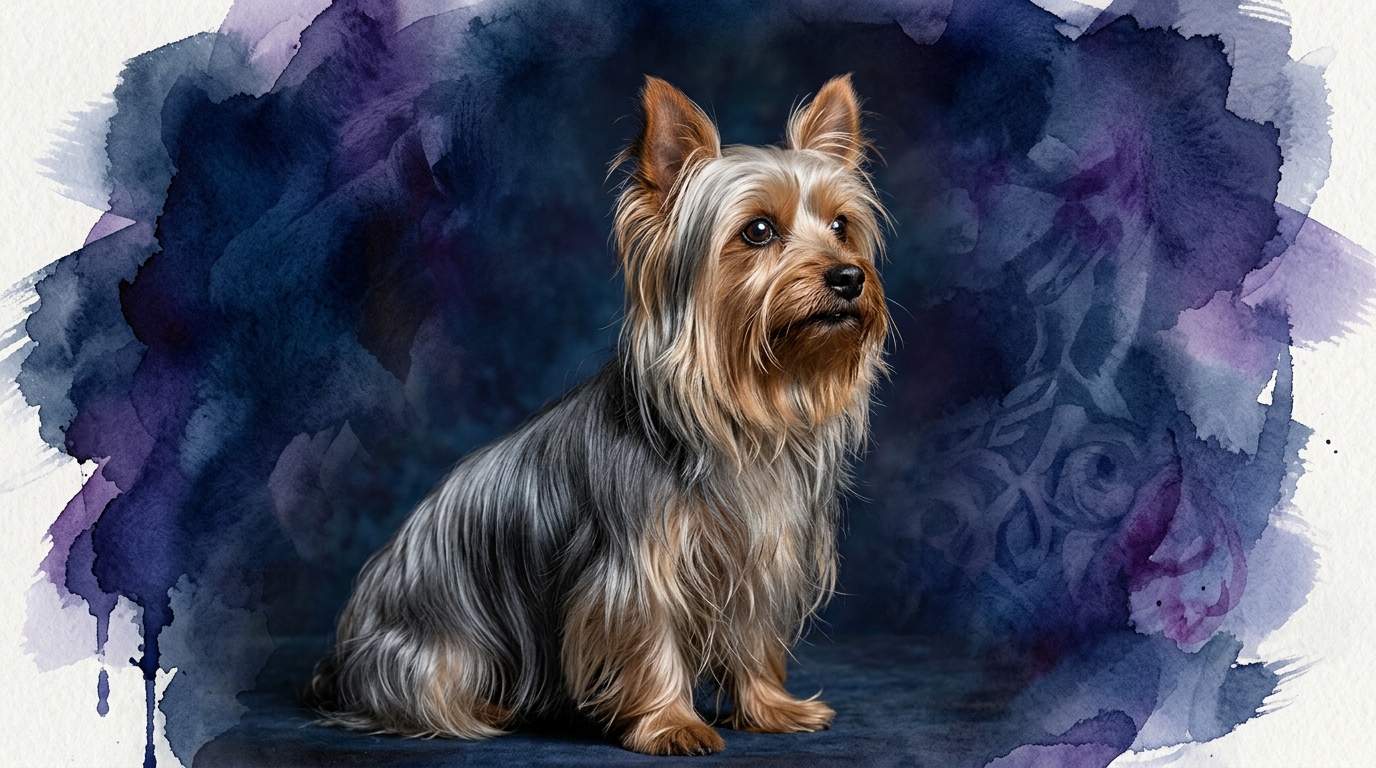
Side-by-side IQ Profile: Labrador Retriever vs. Silky Terrier
The Labrador Retriever, a Sporting group dog with a Coren rank of #7, exhibits a cognitive profile optimized for partnership and versatile tasks. Their Problem Solving is rated 4/5, indicating a methodical approach to novel challenges, often experimenting with solutions rather than giving up. Training Speed is an exceptional 5/5, meaning they grasp new commands swiftly, often in just a few repetitions, driven by their eagerness to engage. Social Intelligence also scores 5/5, reflecting a profound understanding of human social cues, body language, and emotional states, fostering strong bonds. Instinctive Drive is 4/5, rooted in their retrieving heritage, translating into a consistent desire to 'do' something purposeful, whether fetching or scent work. Finally, their Memory is 4/5, showcasing a robust capacity for retaining learned behaviors, command sequences, and the locations of favored items over extended periods.
In contrast, the Silky Terrier, a Toy group dog not specifically Coren-ranked, presents a cognitive makeup tailored to companionship and alert observation. Their Problem Solving is 3/5, meaning they tackle challenges with persistence, often relying on learned patterns or trial-and-error within their immediate environment to access toys or navigate household obstacles. Training Speed is 3/5, indicating that while capable of learning, they typically require more consistent repetition and patience to solidify new commands, influenced by their independent streak. Social Intelligence is 3/5; Silky Terriers form deep bonds with their chosen humans but might exhibit more reserved or selective social interactions with strangers. Their Instinctive Drive, also 3/5, reflects their terrier heritage with a keen, focused determination for specific tasks like pursuit or investigation, potent for their size. Memory is 3/5, allowing them to retain important routines, mastered commands, and the layout of their home territory, though perhaps with less breadth than breeds bred for extensive task recall.
Where the Labrador Retriever Wins Cognitively
The Labrador Retriever's cognitive strengths shine brightly in scenarios demanding collaborative effort and adaptable thinking. Their 4/5 problem-solving score means they don't just follow instructions; they can extrapolate and apply learned principles to new situations, like finding a dropped item in an unfamiliar setting. This adaptability is paired with a remarkable 5/5 in training speed, allowing them to absorb complex multi-step commands and intricate sequences with impressive rapidity. Their social intelligence, also a perfect 5/5, enables them to read subtle human cues and respond with appropriate behavior, making them exceptional partners in service roles where understanding human needs is paramount. For instance, a Labrador can learn to differentiate between a general request and an urgent one based on a handler's tone and body language, displaying a nuanced comprehension of social dynamics. This combination of quick learning, insightful problem-solving, and profound social awareness gives them a distinct advantage in roles requiring versatile and responsive cognitive engagement.
Where the Silky Terrier Wins Cognitively
While their overall IQ scores might suggest a less expansive cognitive profile than the Labrador, the Silky Terrier possesses distinct cognitive advantages tailored to their unique purpose and temperament. Their 3/5 instinctive drive, though numerically lower, represents a tenacious and focused determination specific to their terrier nature. This manifests as a relentless pursuit of a perceived 'intruder' (like a squeaky toy or a critter scent), showcasing a single-mindedness that can be highly effective in small-scale tasks. Their problem-solving, rated 3/5, often involves clever manipulation of their immediate environment to achieve a desired outcome, such as strategically pushing a stool to reach a counter. Furthermore, their social intelligence, also 3/5, indicates a deep, focused bond with their primary caregivers. This can translate into a highly attuned awareness of their specific human's habits and routines, making them excellent, if sometimes exclusive, companions. They may not seek broad social approval, but their loyalty and focused attention on their chosen family highlight a different, yet equally valuable, form of cognitive connection.
Which is Easier to Train and Why
When it comes to ease of training, the Labrador Retriever generally presents a smoother path for owners, largely due to their superior scores in training speed and social intelligence. A Labrador's 5/5 training speed means they pick up new commands with minimal repetition, often eager to please and highly motivated by positive reinforcement. Their 5/5 social intelligence allows them to quickly interpret human intentions and body language, making communication during training more fluid and less prone to misunderstanding. They are inherently collaborative, thriving on working alongside their human. In contrast, the Silky Terrier's 3/5 training speed and 3/5 social intelligence indicate that while trainable, they require a more patient, consistent, and creative approach. Their terrier independence means they might question the 'why' of a command or get distracted more easily, requiring owners to make training sessions highly engaging and rewarding. While they form strong bonds, their social understanding is often more selective, meaning they might be less universally compliant or eager to please outside their immediate family circle. Training a Silky Terrier is certainly achievable, but it demands a different mindset, one prepared for more repetitions and a greater emphasis on making the desired behavior intrinsically appealing to the dog.
Which Suits Active Owners vs. Relaxed Owners
Matching a dog's cognitive and physical needs to an owner's lifestyle is paramount for a harmonious relationship. For active owners seeking a highly engaged and versatile canine partner, the Labrador Retriever is an ideal choice. Their 4/5 instinctive drive for activities like retrieving and swimming, combined with their 4/5 problem-solving ability, means they thrive on structured activities, sports, and tasks that challenge both their bodies and minds. They are excellent companions for hiking, running, or dog sports, always eager for the next adventure and capable of learning complex routes or rules. Conversely, for owners who prefer a more relaxed yet still mentally stimulated home life, the Silky Terrier offers a fitting alternative. While they possess a 3/5 instinctive drive, it translates into bursts of energetic play and keen observation within their immediate environment, rather than sustained, high-impact outdoor pursuits. Their smaller size and focused attention on their human make them content with indoor games, puzzle toys, and short, engaging walks, perfectly suiting a lifestyle that values companionship and manageable bursts of activity over extensive athletic endeavors. They can be alert watchdogs, fulfilling a different kind of 'active' role within the home.
The Verdict
Choose a Labrador Retriever if you seek a highly trainable, socially adept companion eager for collaborative tasks and extensive outdoor adventures, valuing a dog that quickly grasps complex cues and thrives on purposeful engagement.
Opt for a Silky Terrier if you desire a tenacious, loyal, and alert companion well-suited to a more focused home environment, appreciative of indoor mental stimulation and shorter, engaging physical activities.
🧠 Find Your Pet's IQ Score
Our Pet IQ Lab assessment covers 25+ tests across 5 cognitive dimensions — personalized to your breed.
Take the Full IQ Test →Frequently Asked Questions
Do Silky Terriers struggle with learning commands compared to Labradors?
Silky Terriers, with a training speed of 3/5, can learn commands effectively but generally require more patience and consistent repetition than Labradors, rated 5/5. Their independent terrier spirit means training benefits from high-value rewards and engaging methods to maintain their focus.
How does the Labrador's social intelligence impact their family life?
A Labrador's 5/5 social intelligence means they are exceptionally attuned to human emotions and social dynamics, making them highly adaptable and empathetic family members. They easily integrate into diverse family structures, often forming strong bonds with multiple individuals and understanding nuanced social cues.
Is a Silky Terrier's 3/5 instinctive drive sufficient for active play?
Absolutely. While a 3/5 instinctive drive is different from a Labrador's 4/5, for a Silky Terrier, it manifests as a keen, persistent energy for focused play, such as chasing toys or exploring. This drive is perfectly sufficient for engaging, active play within a home or yard, though typically not for extensive, endurance-based activities.