Side-by-Side IQ Profile: Labrador Retriever vs. Smooth Fox Terrier
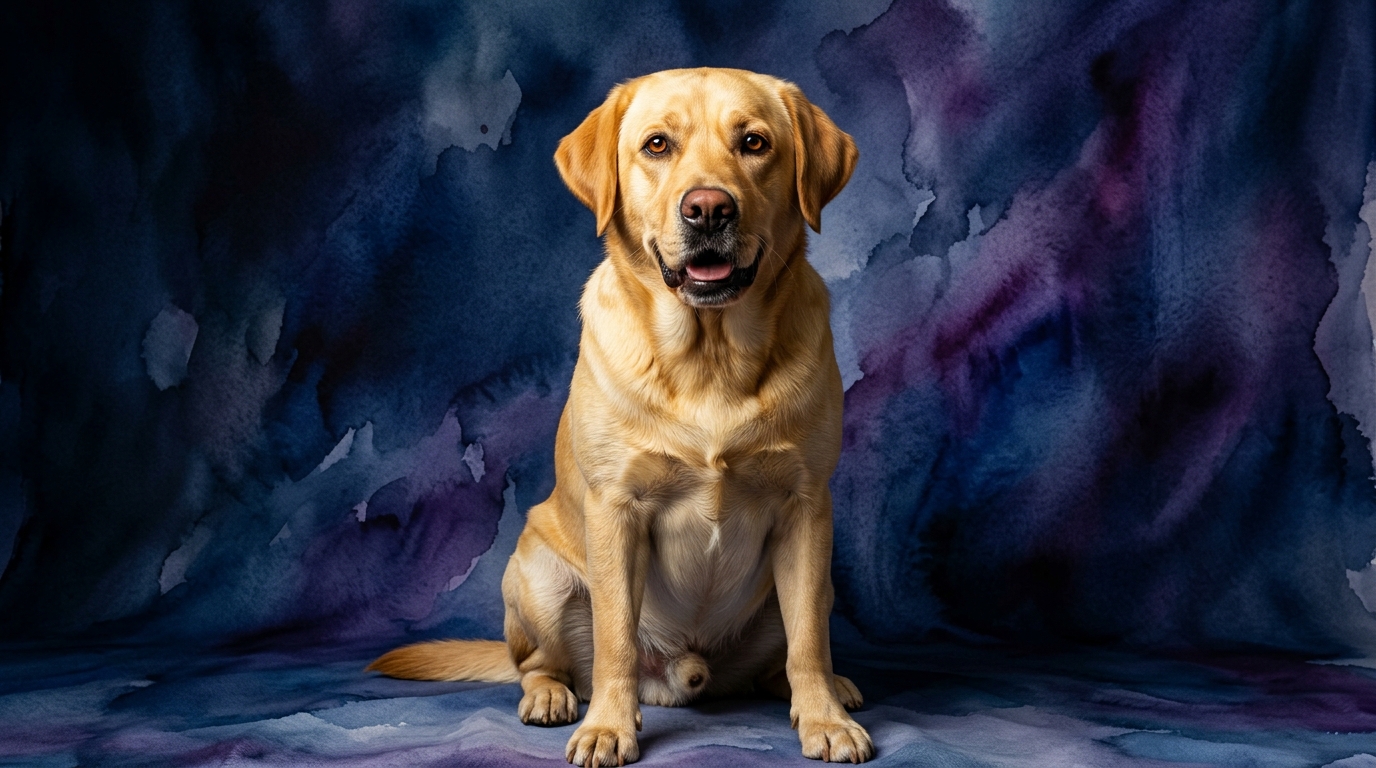
The Cosmic Pet Pet IQ Lab assesses canine intelligence across five key dimensions, providing a nuanced view of each breed’s mental aptitudes. For the Labrador Retriever, ranked #7 by Coren, their profile reflects a highly cooperative and adaptable working dog.
Labrador Retriever IQ: Problem Solving 4/5: These dogs demonstrate a strong capacity for figuring out novel challenges, often showing strategic thought in retrieving tasks or navigating complex environments. Training Speed 5/5: Labs absorb new commands and routines with remarkable alacrity, typically requiring few repetitions to solidify a behavior. Social Intelligence 5/5: Their ability to read human cues, understand social hierarchies, and adapt to varied social situations is exceptional, fostering deep bonds and cooperative work. Instinctive Drive 4/5: The powerful drive to retrieve, combined with their endurance and focus, is a hallmark of their working heritage. Memory 4/5: Labs exhibit excellent recall for learned tasks, routes, and specific individuals, contributing to their reliability in working roles.
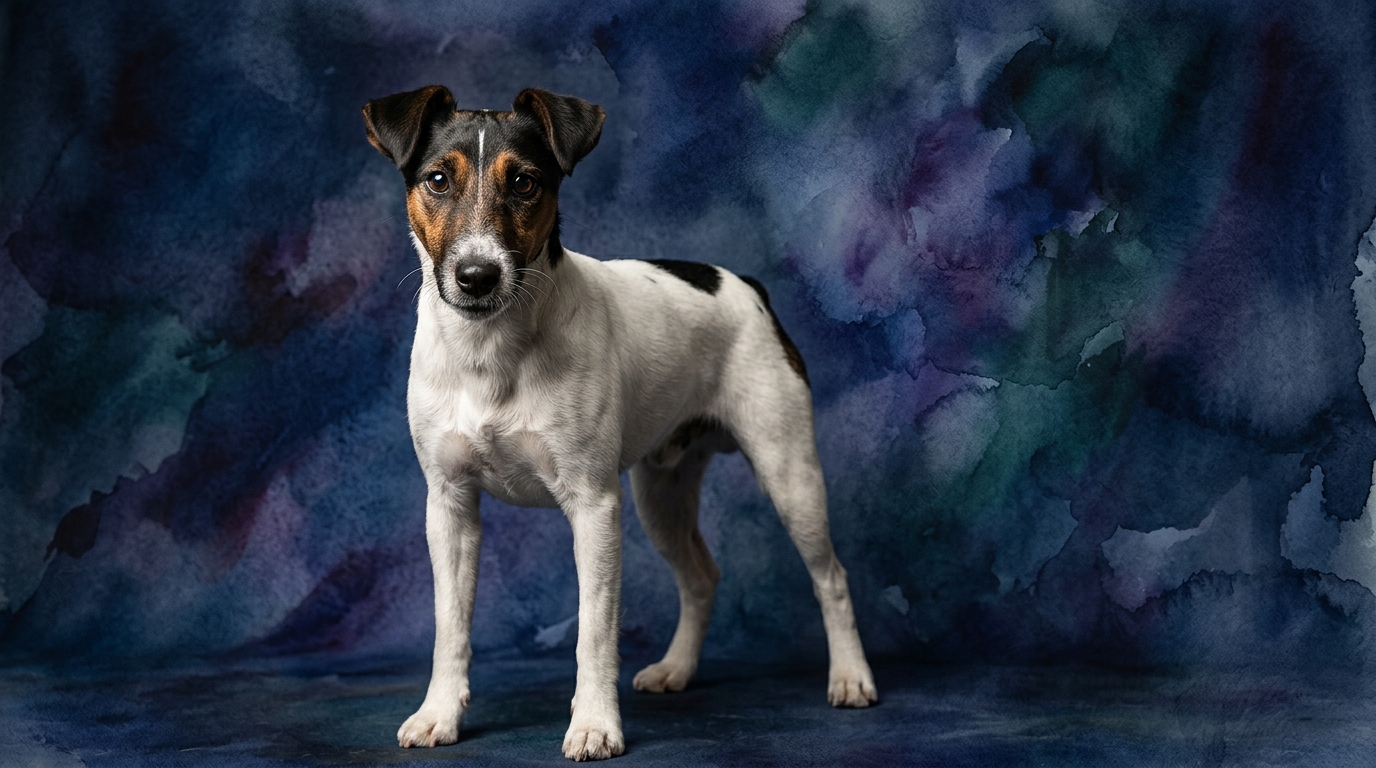
The Smooth Fox Terrier, while not Coren-ranked, presents a profile of an independent and tenacious hunter, whose intellect is geared towards self-reliant action.
Smooth Fox Terrier IQ: Problem Solving 3/5: Smooth Fox Terriers approach problems with a blend of independence and persistence; they will work at a puzzle, often through trial and error, but may not always seek human guidance. Training Speed 3/5: While capable of learning, their independent nature means they might require more patience and varied approaches during training, and may not always perform a command if a more interesting distraction is present. Social Intelligence 3/5: They are observant and can form strong bonds, but their social interactions often carry a terrier's self-assuredness, sometimes preferring to dictate terms rather than seamlessly blending into a complex social dynamic. Instinctive Drive 3/5: Their drive is primarily focused on hunting and chasing small prey, exhibiting intense focus and tenacity when engaged in these activities, though it can be less directed towards human-centric tasks. Memory 3/5: Smooth Fox Terriers remember learned behaviors and experiences, but their recall might be selective, especially if a more compelling instinctual pursuit takes precedence.
Where the Labrador Retriever Excels Cognitively
The Labrador Retriever’s cognitive strengths are deeply rooted in its heritage as a water retriever and companion, excelling in areas demanding partnership and adaptability. Their perfect 5/5 in Training Speed means they are exceptionally quick to grasp new concepts and commands, making them highly responsive partners in complex tasks or competitive dog sports. This rapid learning curve is a significant advantage for owners seeking a dog that can master a wide repertoire of behaviors efficiently.
Furthermore, the Labrador’s 5/5 Social Intelligence allows them to navigate human environments with remarkable ease, understanding subtle cues and adapting their behavior to social expectations. This cognitive trait fosters unparalleled cooperativeness, making them natural service animals, therapy dogs, and family companions. Their 4/5 Problem Solving, combined with strong memory, allows them to strategically approach challenges like finding a dropped item, often seeking human input. This collaborative problem-solving approach emphasizes their desire to work alongside their people.
Where the Smooth Fox Terrier's Intellect Shines
While the Smooth Fox Terrier's IQ scores may appear modest, their cognitive profile is perfectly adapted to their original purpose: tenacious vermin hunting. Their 3/5 Problem Solving score speaks to an independent, persistent approach; a terrier will often employ focused trial-and-error to access a hidden treat, demonstrating self-reliance requiring minimal human intervention. This cognitive independence is a "win" for owners appreciating a dog that thinks for itself.
Their 3/5 Instinctive Drive, though lower than the Lab’s, is intensely focused for hunting, translating into incredible determination for tasks like earthdog trials or agility. Their memory, rated 3/5, is certainly sufficient for retaining complex scent patterns or intricate routes. The Smooth Fox Terrier's cognitive "wins" lie in their singular focus, resilient problem-solving without needing constant human validation, and unyielding tenacity—traits paramount for an effective hunter.
Training Dynamics: Ease and Approach
The Labrador Retriever distinctly holds the advantage in training ease, directly reflecting their 5/5 Training Speed and Social Intelligence. Labs possess a profound eagerness to please and a strong desire to collaborate, quickly associating commands with actions. Their high social intelligence allows them to keenly observe and respond to human cues, making communication remarkably efficient. They thrive on positive reinforcement and consistent instruction, making the training process rewarding.
In contrast, the Smooth Fox Terrier, with 3/5 scores in Training Speed and Social Intelligence, presents a different dynamic. While capable, their independent nature and strong prey drive demand creative, patient methods. They may question commands or become easily distracted, less inclined to blindly follow. Successful training involves leveraging their instincts and consistently proving compliance is more rewarding than independent action, reflecting a difference in cognitive approach and motivation.
Matching Canine Intellect to Owner Lifestyles
The cognitive and inherent drives of both breeds dictate their suitability for different owner lifestyles. The Labrador Retriever, with its 4/5 Instinctive Drive and Memory, combined with high intelligence, thrives with active owners providing consistent mental and physical engagement. They demand retrieving games, puzzle toys, advanced obedience, or dog sports; an under-challenged Labrador can become bored. Their strong social intelligence means they crave interaction and companionship, ideal for owners wanting a dog deeply integrated into family activities.
The Smooth Fox Terrier also demands an active, engaged owner, though the nature of activity differs. Their 3/5 Instinctive Drive, highly focused on chasing and digging, requires outlets for these hardwired behaviors. Owners enjoying structured activities like earthdog trials or extensive fetch will find their terrier thrives. A "relaxed" owner unable to provide consistent engagement for their independent problem-solving and hunting drives may find a Smooth Fox Terrier challenging, needing owners who channel their sharp intellect and tenacious spirit.
The Verdict
Choose a Labrador Retriever if you seek a highly cooperative, eager-to-please companion who excels in rapid learning, social interaction, and collaborative problem-solving, thriving on consistent engagement and partnership.
Opt for a Smooth Fox Terrier if you appreciate an independent, tenacious thinker with focused hunting drives, capable of self-reliant problem-solving, and you are prepared to channel their sharp intellect into structured, engaging activities.
🧠 Find Your Pet's IQ Score
Our Pet IQ Lab assessment covers 25+ tests across 5 cognitive dimensions — personalized to your breed.
Take the Full IQ Test →Frequently Asked Questions
Is a Labrador Retriever better for a first-time dog owner?
Generally, yes. Their high training speed and social intelligence make them more forgiving for new owners, as they are typically eager to please and respond readily to consistent positive reinforcement. Their cooperative nature simplifies the learning process for both dog and human.
Do Smooth Fox Terriers require a lot of exercise?
Yes, despite their smaller size, Smooth Fox Terriers are energetic and require significant physical and mental stimulation. Their instinctive drive means they need outlets for chasing, digging, and exploring, making daily structured exercise and engaging activities crucial.
How do their problem-solving styles differ?
Labrador Retrievers often approach problems collaboratively, seeking human guidance and applying learned solutions efficiently. Smooth Fox Terriers tend to be more independent problem-solvers, relying on persistence and trial-and-error, often preferring to figure things out on their own.