A Side-by-Side Look at Cognitive Profiles
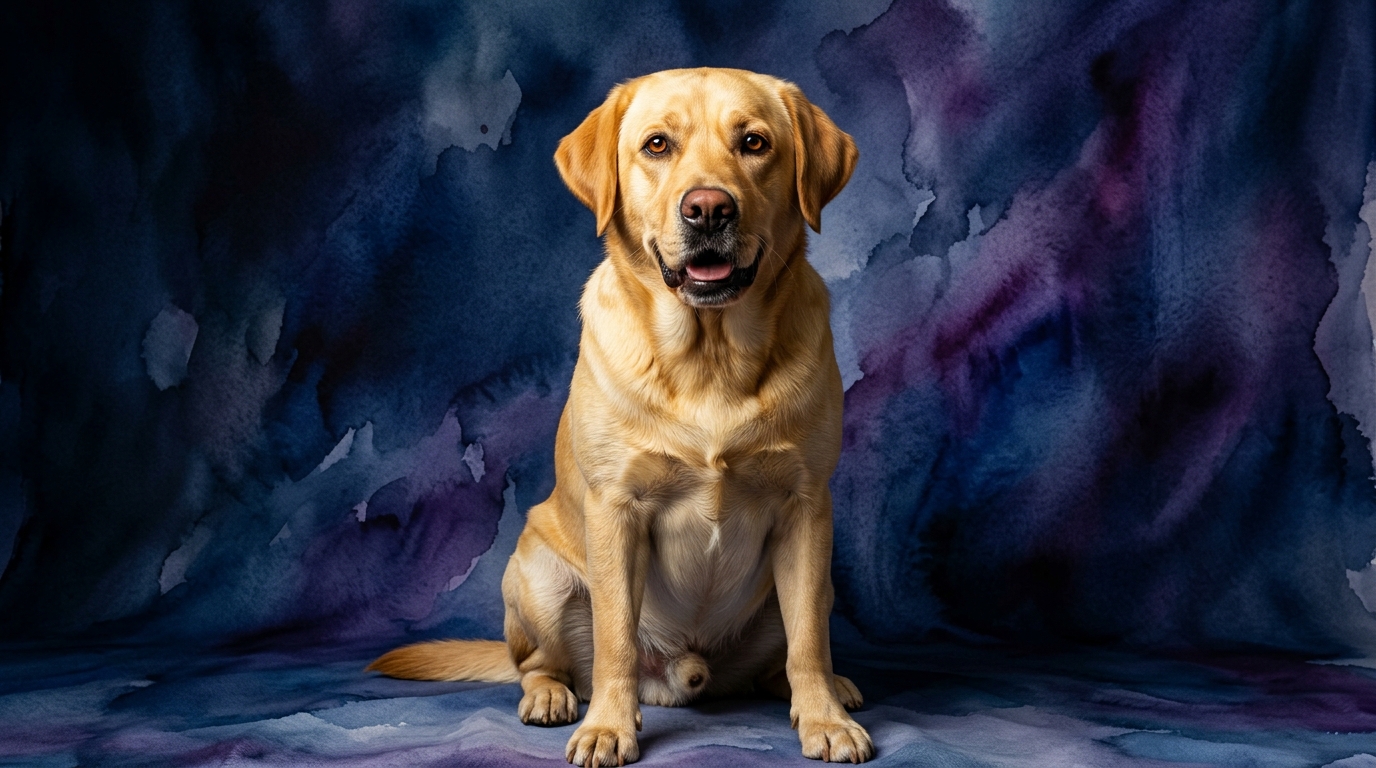
The Cosmic Pet IQ Lab's framework allows us to dissect the specific cognitive strengths and inclinations of these two breeds. For the Labrador Retriever, a Sporting group dog, their profile reveals a remarkable aptitude across the board. They score 4/5 in Problem Solving, indicating a robust capacity to navigate novel situations and figure out solutions. Their Training Speed is exceptional at 5/5, reflecting a keen eagerness to learn and rapidly acquire new commands. Social Intelligence also stands at a perfect 5/5, showcasing their profound attunement to human cues, emotional states, and complex communication. An Instinctive Drive of 4/5 underscores their strong retrieving and working ethic, while their Memory, also at 4/5, ensures excellent retention of learned information and experiences.
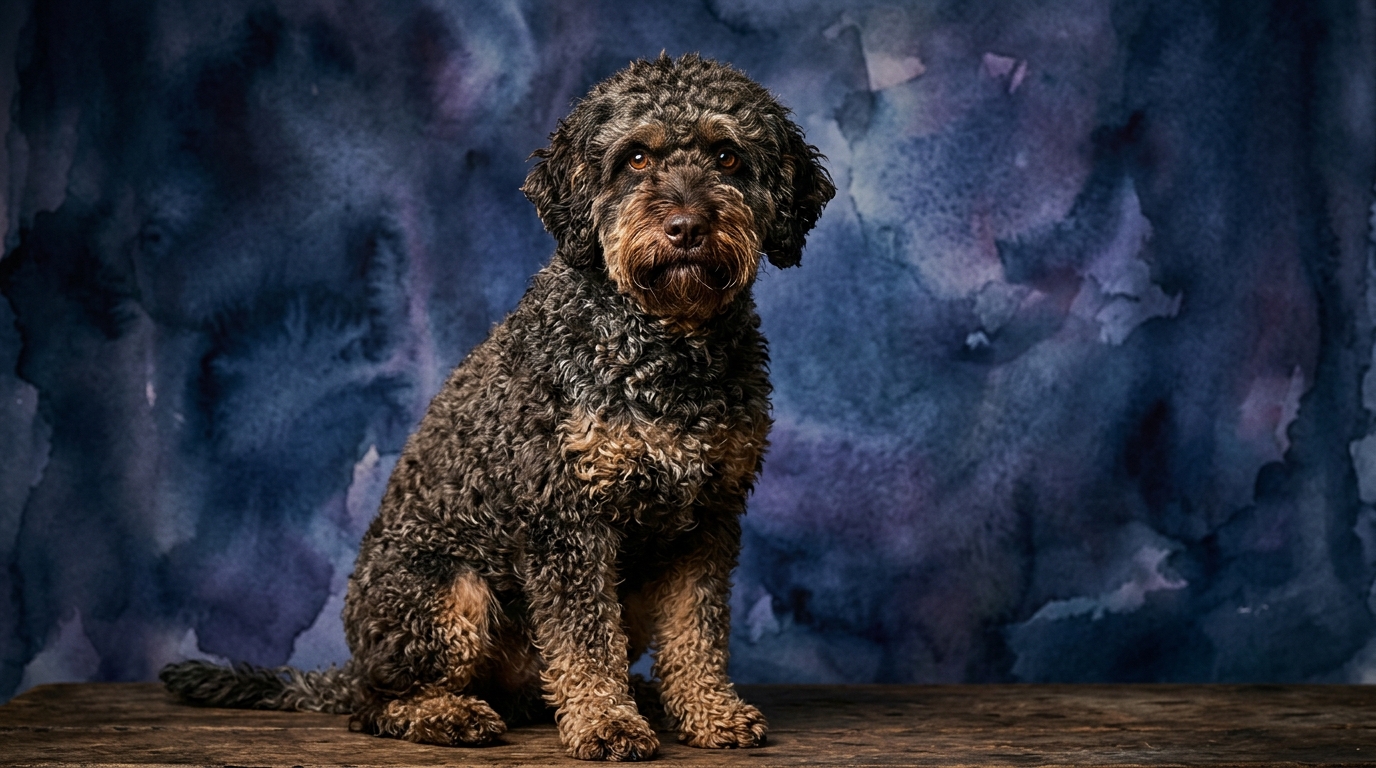
In contrast, the Spanish Water Dog, a member of the Herding group, presents a distinct cognitive blueprint. While not ranked by Coren, their IQ scores provide valuable insight. Their Problem Solving capability is rated at 3/5, suggesting they are capable of tackling challenges but might require more structured guidance or repetition compared to a Labrador. Training Speed registers at 3/5, indicating they are steady learners, though perhaps not as quick to grasp new concepts or as consistently eager for rapid instruction. Their Social Intelligence is 3/5, meaning they form strong bonds but often exhibit a more reserved or independent demeanor than the effusive Labrador. An Instinctive Drive of 3/5 highlights their inherent herding and guarding tendencies, which are potent within their specific context but perhaps less generalized than the Lab's work drive. Finally, their Memory at 3/5 signifies they retain information effectively, albeit potentially with less immediate recall or breadth than their Sporting counterpart.
Where the Labrador Retriever Excels Cognitively
The Labrador Retriever's cognitive profile showcases a breed engineered for cooperative work and rapid adaptation. Their superior Training Speed of 5/5 is a significant advantage, meaning they typically pick up complex commands and routines with fewer repetitions. This isn't merely about obedience; it reflects a cognitive wiring that prioritizes human direction and finds intrinsic reward in compliance. For instance, a Labrador often anticipates the next step in a sequence, processing cues and executing tasks like retrieving specific items or navigating agility courses with fluid precision, demonstrating their 4/5 Problem Solving in dynamic scenarios. This rapid learning curve extends to nuanced tasks, making them particularly adept as assistance dogs where intricate command chains and environmental problem-solving are paramount.
Furthermore, their 5/5 Social Intelligence allows them to interpret human body language, tone of voice, and even subtle emotional shifts with remarkable accuracy. This cognitive empathy enables a Labrador to adjust its behavior to a person's mood or needs, offering comfort or restraint as appropriate. This isn't just about being 'friendly'; it's a sophisticated understanding of social dynamics that facilitates seamless integration into family life and diverse working roles. Coupled with a 4/5 Memory, a Labrador not only learns quickly but retains those lessons and social cues over extended periods, building a deep, consistent understanding of their environment and human companions. Their instinctive drive to work alongside humans is a powerful cognitive motivator, channeling their energy into productive, cooperative endeavors.
Where the Spanish Water Dog's Cognitive Profile Offers Unique Strengths
While the Spanish Water Dog's numerical scores are generally lower than the Labrador's, their cognitive profile is uniquely suited for specific types of work and lifestyles, emphasizing independence and focused application of their instincts. Their 3/5 in Problem Solving, though lower, often manifests as a self-reliant approach to challenges. Instead of immediately seeking human input, a Spanish Water Dog might first attempt to resolve a situation using its own wits, such as figuring out how to bypass an obstacle in a field or manage a flock without constant instruction. This isn't a deficit but a different cognitive strategy, favoring autonomous decision-making in tasks where constant human oversight isn't practical.
The Spanish Water Dog's 3/5 Social Intelligence often translates into a more discerning and watchful nature. They form deep, loyal bonds with their core family but are typically less indiscriminately effusive than a Labrador. This nuanced social cognition means they are often excellent guardians, capable of assessing new situations and people with a cautious intelligence before deciding on a course of action. Their 3/5 Instinctive Drive, while not as broadly applicable as the Lab's retrieving drive, is intensely focused on herding and property protection. Cognitively, this means their problem-solving and memory are often geared towards managing livestock or patrolling boundaries, requiring a specific kind of situational awareness and spatial memory that is highly effective in their traditional roles. Their cognitive strengths lie in their capacity for independent thought and the dedicated application of their inherent working drives.
Training Dynamics: Ease and Engagement
When it comes to training, the disparity in Training Speed and Social Intelligence between these breeds creates markedly different experiences. The Labrador Retriever, with its 5/5 Training Speed and 5/5 Social Intelligence, generally presents a highly rewarding and straightforward training journey. They are eager to please, intensely focused on their human companions, and quickly form associations between commands and actions. This cognitive characteristic means they often require fewer repetitions to master a new skill and are highly motivated by positive reinforcement, thriving on praise and interaction. Their innate desire to cooperate makes them exceptionally responsive to structured training environments and consistent cues, translating into reliable obedience and advanced skill acquisition.
The Spanish Water Dog, with 3/5 in both Training Speed and Social Intelligence, requires a more patient, consistent, and creative training approach. While they are capable learners, their independent streak means they may not always be as intrinsically motivated by human approval alone. They might take longer to grasp new concepts, or they may choose to 'test' boundaries more frequently, requiring an owner to be firm, clear, and engaging. Their problem-solving (3/5) is present, but they might apply it to figuring out how to get what *they* want rather than immediately complying. Training a Spanish Water Dog often benefits from incorporating games and tasks that appeal to their herding instincts and independent nature, rather than solely relying on repetitive obedience drills. Understanding their cognitive preference for self-directed activity is key to unlocking their potential.
Matching Canine Cognition to Owner Lifestyles
The cognitive profiles of these breeds inherently align with different owner lifestyles. The Labrador Retriever's high Social Intelligence, rapid Training Speed, and cooperative Problem Solving make them an ideal companion for owners seeking an engaged, responsive, and highly integrated family member. Their cognitive makeup thrives on interaction, consistent mental stimulation through training, and being an active participant in daily life. They are exceptionally adaptable to various activities, from competitive obedience and agility to therapy work and retrieving, making them suitable for active owners who enjoy shared activities and want a dog that is always 'on board' with their plans. For a relaxed owner, a Labrador might still fit if their definition of 'relaxed' includes regular, engaging play sessions and mental puzzles to satisfy their cognitive needs, preventing boredom-driven behaviors.
The Spanish Water Dog, conversely, with its more independent Social Intelligence, focused Instinctive Drive, and self-reliant Problem Solving, suits active owners who appreciate a dog with a distinct personality and a drive for specific tasks. Owners who enjoy outdoor activities like hiking, swimming, or dog sports that leverage their agility and herding instincts will find a rewarding partner. Their cognitive independence means they can be content with periods of self-entertainment, but they still require substantial mental and physical outlets to prevent destructive boredom. A truly 'relaxed' owner who prefers minimal interaction or engagement might find the Spanish Water Dog's innate drive and need for mental occupation challenging, as their cognitive energies, while not always directed at humans, still demand an outlet. They thrive with owners who understand and can channel their unique cognitive strengths into purposeful activities.
The Verdict: When to Choose Each Breed
Choosing between a Labrador Retriever and a Spanish Water Dog hinges significantly on an owner's lifestyle, training philosophy, and expectations for canine companionship, all informed by their distinct cognitive blueprints. The Labrador Retriever is the quintessential cooperative partner, cognitively wired for rapid learning, profound social connection, and enthusiastic participation in human-led activities. Their high scores in Training Speed, Social Intelligence, and Problem Solving make them exceptionally versatile for roles ranging from family pet to service dog, thriving in environments where they receive consistent interaction, structured training, and opportunities for shared endeavors. They are an excellent choice for first-time dog owners or those seeking a highly biddable, eager-to-please companion who will seamlessly integrate into a busy family life and excel in a wide array of dog sports or working capacities.
The Spanish Water Dog, while equally capable, offers a different cognitive experience. Their more independent Problem Solving, focused Instinctive Drive, and discerning Social Intelligence appeal to owners who appreciate a dog with a strong will, a self-reliant nature, and a keen intelligence applied to specific tasks. They are best suited for experienced dog owners who understand the nuances of working with a herding breed's independence and possess the patience and creativity to channel their cognitive energies into constructive outlets. Owners prepared to provide consistent, engaging training that respects their self-directed nature, coupled with ample physical exercise and mental stimulation that taps into their herding or guarding instincts, will find an incredibly loyal, watchful, and rewarding companion. They are not a 'hands-off' dog but thrive with 'hands-on' owners who value their unique cognitive independence and specific working drives.
The Verdict
Choose a Labrador Retriever if you desire a highly cooperative, rapidly trainable, and socially intuitive companion eager to participate in all aspects of family life and excel in diverse activities.
Opt for a Spanish Water Dog if you seek an independent, self-reliant, and discerning partner who thrives on specific tasks and requires an owner committed to channeling their unique herding instincts and strong will.
🧠 Find Your Pet's IQ Score
Our Pet IQ Lab assessment covers 25+ tests across 5 cognitive dimensions — personalized to your breed.
Take the Full IQ Test →Frequently Asked Questions
Is a Labrador Retriever easier to train than a Spanish Water Dog?
Generally, yes, due to the Labrador's 5/5 Training Speed and 5/5 Social Intelligence. They are typically more eager to please and quicker to grasp new commands, making the training process often more straightforward and less repetitive than with a Spanish Water Dog.
Which breed is better for an owner who travels frequently?
This depends on the nature of travel; however, the Labrador Retriever's 5/5 Social Intelligence and adaptability often make them more comfortable with varied environments and new people, provided they receive consistent companionship and mental engagement. A Spanish Water Dog's more reserved social nature might require more careful acclimatization to frequent changes in routine and surroundings.
Do Spanish Water Dogs require as much mental stimulation as Labradors?
While their cognitive application differs, both breeds require significant mental stimulation to prevent boredom. A Labrador's need often manifests in desire for training and interactive play, whereas a Spanish Water Dog's mental energy might be better satisfied through problem-solving games, puzzle toys, or activities that engage their herding instincts, given their independent cognitive approach.