Side-by-Side Cognitive Profiles: A Closer Look
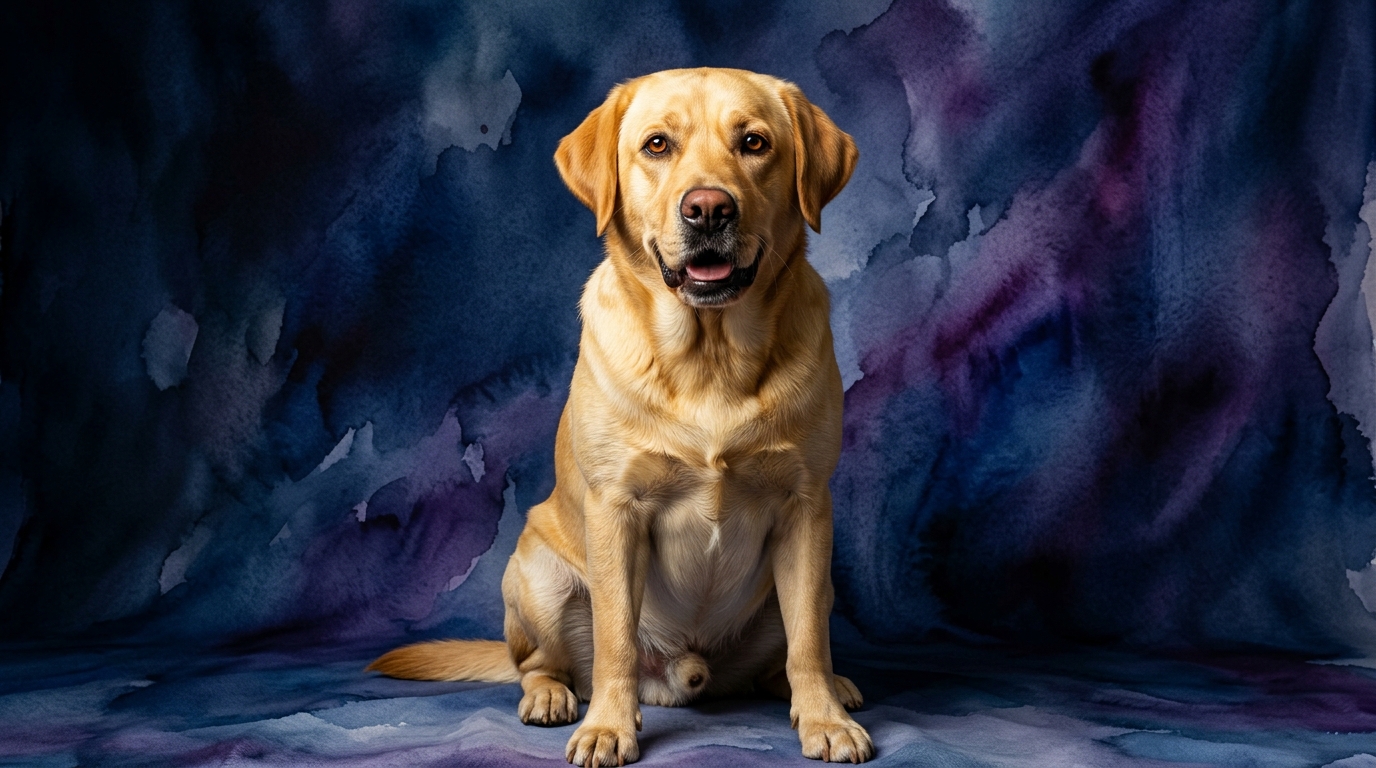
The Cosmic Pet Pet IQ Lab assesses canine intelligence across five critical dimensions, offering a nuanced view of how different breeds process and interact with their world. For the Labrador Retriever, known for its sporting heritage, these metrics highlight a cooperative and adaptable mind. Its Problem Solving is rated 4/5, indicating a strong capacity to analyze situations and devise effective solutions, often involving human collaboration. Training Speed is an exceptional 5/5, reflecting a remarkable aptitude for learning new commands and routines with swiftness. Social Intelligence also scores 5/5, demonstrating outstanding comprehension of human communication, including subtle cues and body language, allowing for deep bonds and anticipation of needs. Instinctive Drive is a robust 4/5, encompassing a well-rounded set of natural instincts for retrieving, swimming, and scent work, often channeled into cooperative tasks. Finally, its Memory is rated 4/5, indicating a solid ability to retain learned information, commands, and experiences over extended periods, contributing to consistent performance.
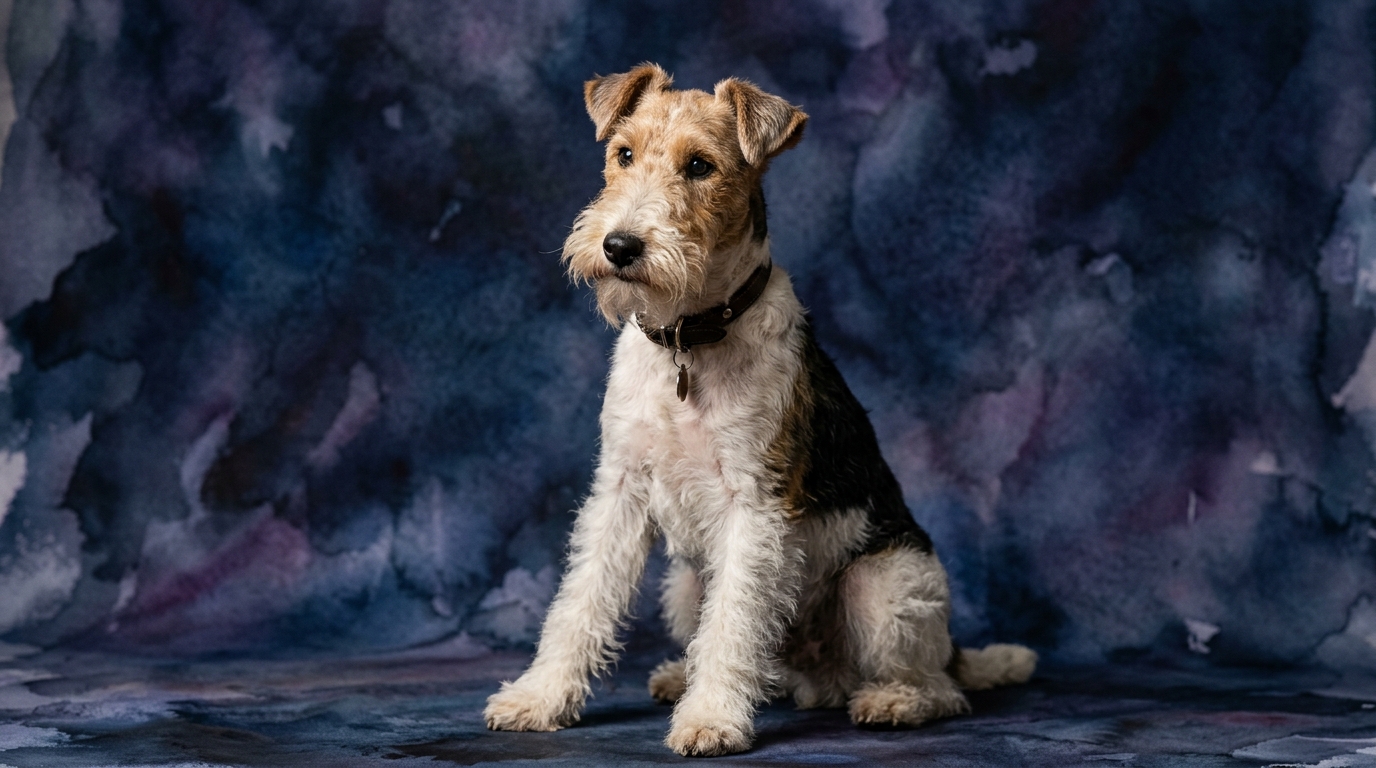
In contrast, the Wire Fox Terrier, a breed from the Terrier group, presents a distinct cognitive profile that underscores its independent and tenacious nature. Its Problem Solving is rated 3/5, approaching challenges with a persistent, often self-reliant mindset; while solutions may take longer, their tenacity ensures exploration of various approaches, often through trial and error. Training Speed is 3/5, meaning it learns at a moderate pace, requiring consistent, engaging, and patient instruction, as its independence might prioritize its own curiosity over human directives. Social Intelligence also stands at 3/5, indicating adequate understanding of human interactions but with a tendency to be more self-reliant, forming attachments but perhaps less overtly attuned to subtle human emotional shifts. Instinctive Drive is 3/5, characterized by a focused, intense prey drive typical of its terrier heritage, aimed at hunting small game, which can sometimes override other motivations. Its Memory is 3/5, retaining information and experiences reliably, though possibly requiring more repetition for intricate learning compared to breeds specializing in complex multi-step tasks.
The Labrador Retriever’s Cognitive Strengths
The Labrador Retriever, holding a Coren rank of #7, demonstrates a pronounced aptitude for cooperative learning and sophisticated social understanding. Their exceptional training speed means they grasp new commands with remarkable efficiency, often requiring fewer repetitions than many other breeds. This rapid acquisition isn't just about rote memorization; it's deeply rooted in their superior social intelligence, allowing them to interpret human intent and subtle cues effectively. For instance, a Labrador can quickly learn a complex scent discrimination task, not only because of their keen nose but also their ability to understand the handler's desire for a specific outcome. Their problem-solving skills, rated at 4/5, manifest in practical applications, such as figuring out how to retrieve an object from a challenging location or navigating a complex obstacle course, often with an eye towards fulfilling a human request. Furthermore, their strong memory ensures that once learned, these skills are retained, making them consistently reliable partners in diverse working roles, from assistance work to search and rescue.
Wire Fox Terrier’s Unique Cognitive Edge
While not featured on the Coren ranking, the Wire Fox Terrier offers a distinct cognitive profile, particularly when considering their original purpose. Their problem-solving, rated 3/5, is characterized by a tenacious, independent approach rather than a cooperative one. This means they are less inclined to wait for human direction and more likely to experiment with various strategies to achieve their own goals, such as finding a way to access an interesting scent or dig under a fence. Their instinctive drive, though rated 3/5 generally, is intensely focused on prey, giving them an unparalleled single-mindedness in pursuit. This isn't about broad obedience but about specialized, persistent action. For example, a Wire Fox Terrier might spend hours meticulously investigating a suspicious rustle in the bushes, demonstrating a focused, self-directed cognitive engagement that is a hallmark of their breed. Their moderate social intelligence means they are less concerned with human approval as a primary motivator, instead driven by their own curiosity and innate hunting instincts. This independent spirit, while posing training challenges, is precisely what made them effective at their original job, requiring them to work autonomously underground.
Ease of Training: A Tale of Two Motivations
When evaluating ease of training, the Labrador Retriever clearly holds an advantage due to their cognitive architecture. Their perfect 5/5 training speed is complemented by a 5/5 social intelligence, meaning they are not only quick to learn but also deeply attuned to human desires and cues. Labradors generally possess a strong desire to please their owners, making them highly receptive to positive reinforcement. They thrive on collaborative tasks, easily connecting actions with rewards and understanding the purpose behind commands. For instance, teaching a Labrador to "stay" involves quick comprehension of the instruction and a willingness to comply to earn praise or a treat.
In contrast, the Wire Fox Terrier, with a training speed of 3/5 and social intelligence of 3/5, presents a different training dynamic. Their independent nature often means they weigh their own interests against human requests. While capable of learning, they require more patience, creativity, and engaging methods to maintain focus. A Wire Fox Terrier might understand "stay" but choose to break it if a more interesting scent or movement catches their attention, driven by their strong instinctive impulses. Effective training for a Wire Fox Terrier often involves making the training itself a game, tapping into their prey drive, and ensuring clear, consistent expectations, as they are less inherently motivated by simply pleasing their handler.
Matching Breeds to Lifestyles: Active vs. Relaxed Owners
For owners seeking an active companion, both breeds offer engagement, though in distinct ways. The Labrador Retriever, with their robust instinctive drive and high social intelligence, thrives in structured activities like retrieving games, dock diving, agility, or long hikes with their family. They love being an integral part of an active household, participating in shared experiences and performing tasks. Their need for both physical and mental stimulation is best met through cooperative ventures.
The Wire Fox Terrier also requires substantial activity, but their independent spirit and intense prey drive mean this often translates into vigorous games of chase, earthdog trials, or exploring stimulating environments where they can engage their senses. They are excellent companions for owners who appreciate a dog with a strong, self-directed personality and can provide secure spaces for their investigative instincts, such as a well-fenced yard for digging or supervised off-leash exploration in appropriate areas.
For owners leaning towards a more relaxed lifestyle, neither breed is truly a low-energy, "couch potato" type. A Labrador Retriever can adapt to quieter periods if their daily needs for exercise and mental engagement are consistently met, but they will still seek out human interaction and involvement. A relaxed owner might find their social intelligence makes them a pleasant presence, but their underlying drive still demands an outlet. The Wire Fox Terrier, despite their smaller size, possesses a surprising amount of energy and tenacity. A relaxed owner might find their independent problem-solving manifests as mischievous behaviors if their specific drives aren't appropriately channeled. While they can enjoy quiet time, it’s often after a burst of intense activity, and their curiosity means they are always scanning for something interesting to investigate.
The Verdict
Choose the Labrador Retriever if you seek a highly cooperative, rapidly trainable partner for family life, working roles, or extensive shared activities, appreciating their social intelligence and eagerness to please.
Opt for the Wire Fox Terrier if you value an independent, tenacious companion with a unique problem-solving style and a strong, focused drive, and are prepared to channel their spirited nature with consistent, engaging training.
🧠 Find Your Pet's IQ Score
Our Pet IQ Lab assessment covers 25+ tests across 5 cognitive dimensions — personalized to your breed.
Take the Full IQ Test →Frequently Asked Questions
Are Wire Fox Terriers difficult to train?
Wire Fox Terriers are not inherently difficult to train, but they require a different approach than highly biddable breeds. Their independence and strong prey drive mean training needs to be engaging, consistent, and highly motivating, often incorporating games and positive reinforcement to capture their attention and willingness to comply.
Which breed is better for a first-time dog owner?
The Labrador Retriever is generally considered more suitable for first-time dog owners due to their higher training speed, social intelligence, and eagerness to please, making the learning process for both dog and owner smoother. Wire Fox Terriers, while wonderful companions, often require an owner with more experience in managing independent, driven personalities.
Do both breeds need a lot of exercise?
Yes, both breeds require significant daily exercise, though the type of activity differs. Labradors thrive on cooperative physical and mental challenges, while Wire Fox Terriers need outlets for their hunting instincts, such as vigorous play, chasing, and opportunities to explore and investigate. Both will develop behavioral issues if their energy needs are not adequately met.