
Side-by-Side IQ Profile: Labrador Retriever vs. Wirehaired Pointing Griffon
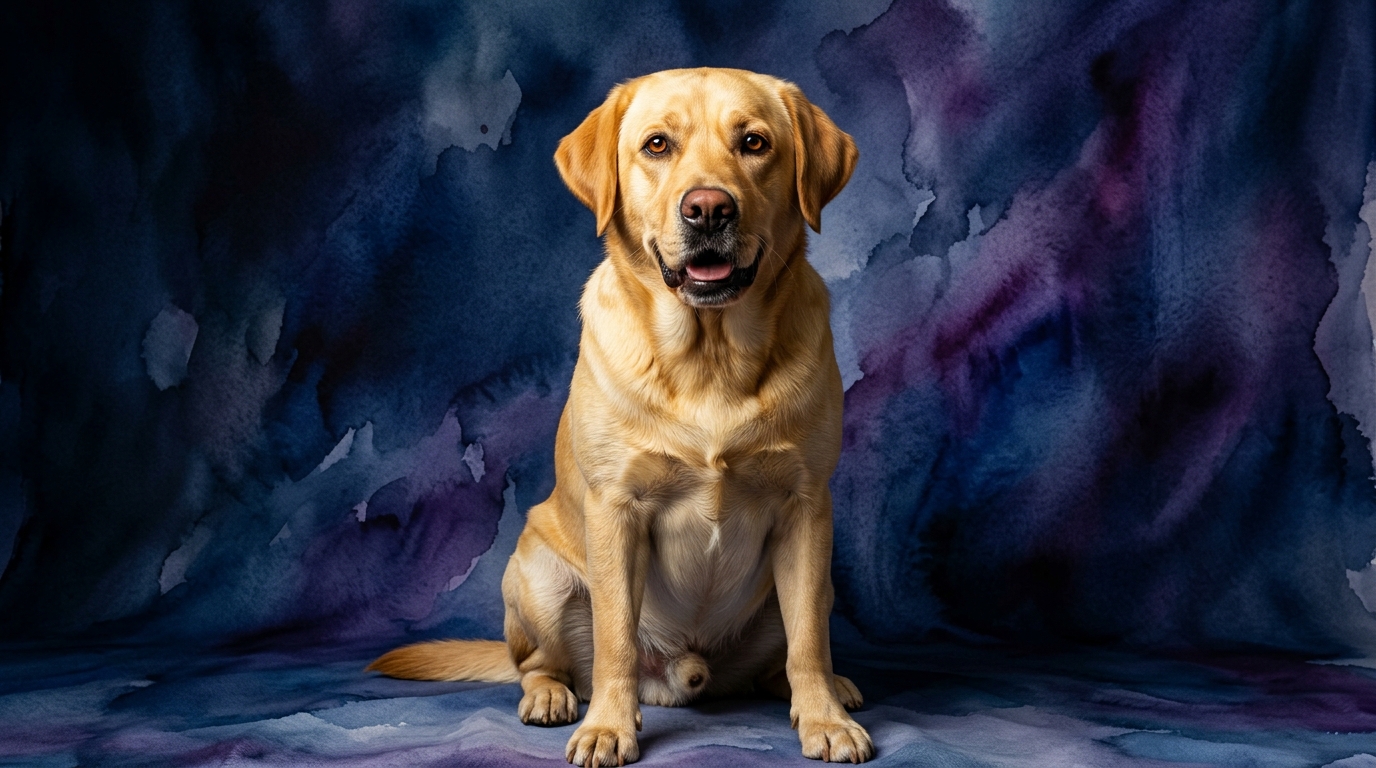
The Cosmic Pet Pet IQ Lab provides a detailed breakdown of canine cognitive abilities across five key dimensions. For the Labrador Retriever, ranked #7 by Coren for working and obedience intelligence, their profile reflects a highly adaptable and cooperative mindset. They achieve a Problem Solving score of 4/5, indicating a strong capacity to figure out complex tasks and navigate novel situations effectively. Their Training Speed is an exceptional 5/5, meaning they grasp new commands and routines with remarkable quickness, often requiring minimal repetition. Social Intelligence also stands at 5/5, showcasing their profound ability to read human cues, understand intentions, and adapt their behavior accordingly, making them highly responsive companions. Their Instinctive Drive, rated 4/5, is robustly channeled into cooperative retrieving and partnership work, while their Memory, at 4/5, ensures solid retention of learned behaviors and experiences.
The Wirehaired Pointing Griffon, while not specifically ranked by Coren, presents a cognitive profile geared towards independent, specialized hunting tasks. Their Problem Solving ability is rated 3/5, suggesting they are capable of practical solutions, particularly in field scenarios, though they might employ a more direct, trial-and-error approach. Training Speed for the Griffon is 3/5, indicating a moderate learning pace where consistent, patient repetition is essential for ingraining commands. Their Social Intelligence is also 3/5; while they form strong bonds with their primary handlers, they can exhibit a more independent streak, sometimes prioritizing their own perceptions or instincts over immediate human direction. Instinctive Drive, at 3/5, is highly specialized towards scenting, pointing, and retrieving game, which can be a powerful motivator but may also lead to focused pursuits that occasionally override handler communication. Their Memory is rated 3/5, meaning they retain information adequately but may benefit from more frequent reinforcement for less common commands or tasks.
Where the Labrador Retriever Excels Cognitively
The Labrador Retriever's cognitive strengths lie in their exceptional adaptability and their profound desire to collaborate. Their 5/5 Training Speed, coupled with a 5/5 Social Intelligence, means they are incredibly receptive to human instruction and derive satisfaction from working in tandem with their owners. This allows them to quickly master a vast repertoire of commands and cues, making them highly versatile for roles ranging from assistance work to competitive obedience. They don't just follow orders; they actively seek to understand and anticipate their handler's desires, a testament to their superior social cognition.
Furthermore, their 4/5 Problem Solving ability, supported by their solid memory, enables Labradors to apply learned principles to new situations. They can figure out how to navigate complex environments, retrieve objects from challenging locations, or even manipulate simple latches through logical deduction. This combination of quick learning, social attunement, and practical problem-solving makes them exceptionally effective partners in structured activities and dynamic environments where consistent, reliable performance is paramount.
Where the Wirehaired Pointing Griffon Shines Cognitively
While the Griffon's IQ scores are generally lower than the Labrador's, their cognitive strengths are specialized and context-dependent, particularly in areas requiring independent action and tenacity. Their 3/5 Problem Solving ability, though not as quick-thinking as a Labrador's, is highly effective in the field, allowing them to independently track game, navigate dense cover, and make decisions without constant handler input. This self-reliance is a distinct cognitive advantage when facing unpredictable outdoor challenges where immediate human guidance might be impractical.
The Griffon's 3/5 Instinctive Drive, while moderate in score, is intensely focused on its primary purpose: scenting and pointing game. This specialized drive means they possess an unwavering determination to complete their hunting tasks, often demonstrating remarkable persistence even when faced with difficulties. Their social intelligence, while not as overtly cooperative as a Labrador's, fosters a deep, loyal bond with their chosen people, allowing for effective communication within the framework of their shared activities, even if it requires a different training approach.
Which Breed is Easier to Train and Why
Based on The Cosmic Pet Pet IQ Lab's ratings, the Labrador Retriever is generally easier to train. Their 5/5 Training Speed means they absorb new information rapidly, requiring fewer repetitions to master commands. This is significantly aided by their 5/5 Social Intelligence, which fuels an innate desire to cooperate and please their human companions. Labradors actively seek to understand and respond to human cues, making them highly receptive to positive reinforcement and structured training methods. Their strong memory ensures that once a lesson is learned, it is retained effectively, contributing to their consistent performance.
The Wirehaired Pointing Griffon, with a 3/5 Training Speed and 3/5 Social Intelligence, requires a more patient and nuanced approach to training. They learn at a moderate pace, meaning trainers must be prepared for more consistent repetition and a focus on making training relevant to their natural drives. Griffons can be independent thinkers; they may not always prioritize immediate compliance if their instincts are strongly engaged. Effective training for a Griffon often involves channeling their focused instinctive drive into desired behaviors, requiring a trainer who understands their working dog mentality and can build trust through clear, consistent communication.
Matching Breeds to Lifestyles: Active vs. Relaxed Owners
Both the Labrador Retriever and the Wirehaired Pointing Griffon are sporting breeds with significant energy and a need for engagement, meaning neither is ideally suited for a truly relaxed, sedentary owner. However, their cognitive profiles suggest different types of active lifestyles. The Labrador Retriever, with its high social intelligence and training speed, thrives with owners who enjoy structured activities, interactive games, obedience training, and integrating their dog into a bustling family life. They excel when given a 'job' that involves close human partnership and constant interaction. Their cooperative nature makes them adaptable to various family dynamics, as long as their need for physical and mental stimulation is met.
The Wirehaired Pointing Griffon, while also active, aligns better with owners who appreciate a dog with a strong independent streak, particularly for outdoor pursuits like hunting, hiking, or field trials. They need outlets for their specialized instinctive drives and benefit from an owner who understands and respects their more self-directed approach to tasks. While they bond deeply, their moderate social intelligence means they might not constantly seek human approval in the same way a Labrador does. Owners prepared for consistent, patient training tailored to their natural hunting behaviors will find a fulfilling partnership with a Griffon.
The Verdict: When to Choose Each Breed
The Verdict
Choose a Labrador Retriever if you seek a highly adaptable, cooperative, and eager-to-please companion who excels in structured learning and thrives on close human interaction within a family setting.
Opt for a Wirehaired Pointing Griffon if you value a more independent, tenacious working partner with specialized hunting instincts, and are prepared to invest in patient, consistent training tailored to their natural drives.
🧠 Find Your Pet's IQ Score
Our Pet IQ Lab assessment covers 25+ tests across 5 cognitive dimensions — personalized to your breed.
Take the Full IQ Test →Frequently Asked Questions
Do Wirehaired Pointing Griffons make good family pets?
Yes, Griffons can be devoted family members, particularly with active households that understand their need for physical and mental engagement. Their moderate social intelligence means they bond well but might not be as universally outgoing or constantly seeking attention as a Labrador.
Is a Labrador Retriever a good choice for first-time dog owners?
Labrador Retrievers are often a good fit for first-time owners due to their high training speed and social intelligence, making them relatively easier to guide and integrate into a home. Consistent positive reinforcement is key to harnessing their cooperative nature and preventing boredom-related behaviors.
How do their instinctive drives differ in daily life?
A Labrador's instinctive drive often manifests as a strong desire to retrieve and work collaboratively with people, making them eager participants in games like fetch or obedience tasks. A Griffon's drive is more specifically geared towards scenting and pointing, which can lead to a focused pursuit of interesting smells in varied environments, sometimes requiring more redirection from an owner.