Side-by-Side IQ Profile: Shared Scores, Different Minds
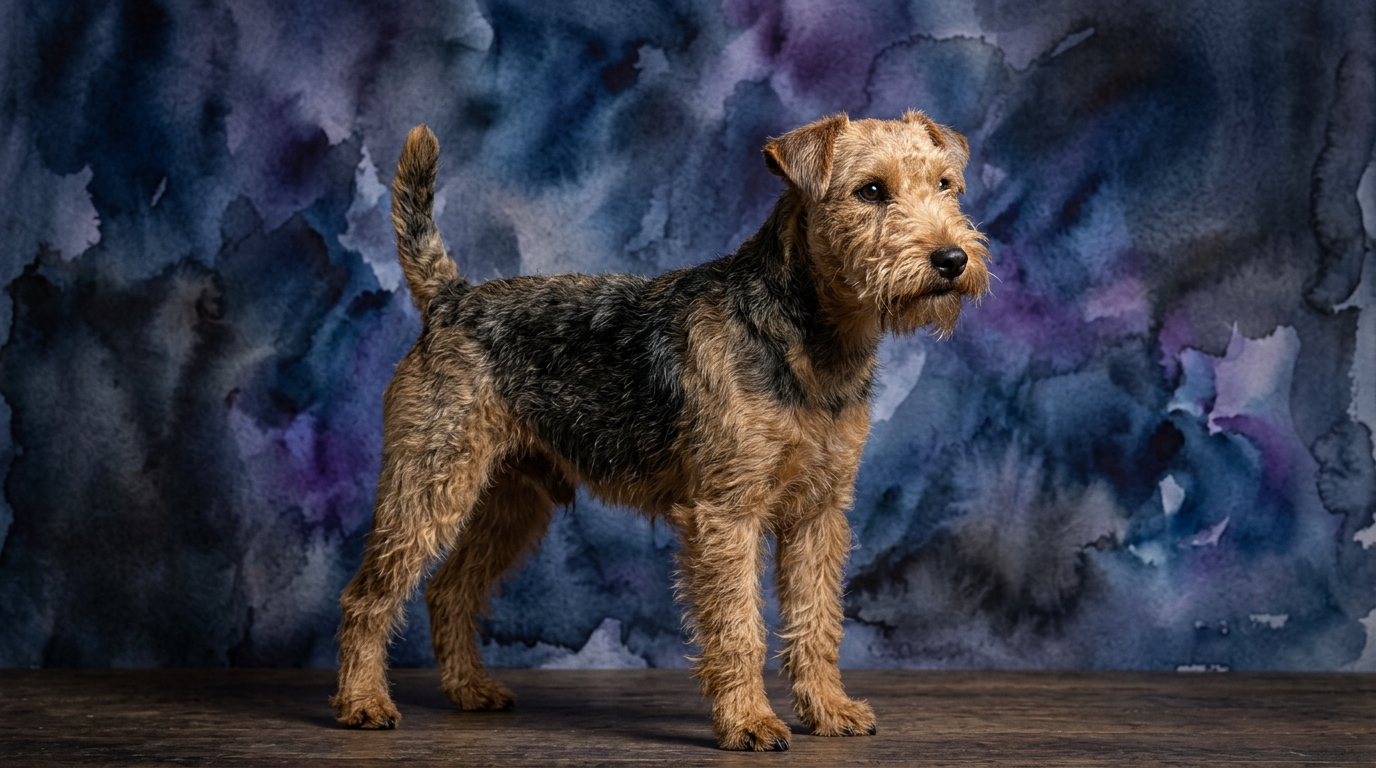
At first glance, the cognitive profiles of the Lakeland Terrier and the Borzoi appear remarkably similar, both scoring 3/5 across all five dimensions: Problem Solving, Training Speed, Social Intelligence, Instinctive Drive, and Memory. However, these identical numerical ratings belie fundamentally different expressions of canine cognition, shaped by their distinct ancestral roles and breed temperaments. The Lakeland Terrier, a member of the Terrier group, was bred for independent vermin control, demanding a specific kind of resourcefulness and determination. Its 3/5 in Problem Solving reflects a persistent, often manipulative approach to overcoming physical obstacles, while its 3/5 Training Speed indicates a capacity to learn quickly when motivated, though often tempered by a strong-willed nature. Social Intelligence at 3/5 suggests a good read of human cues, but with a selective engagement typical of self-sufficient breeds. An Instinctive Drive of 3/5 points to a focused prey drive, particularly for digging and pursuit, and a Memory of 3/5 serves its need to recall specific hunting locations and learned strategies.
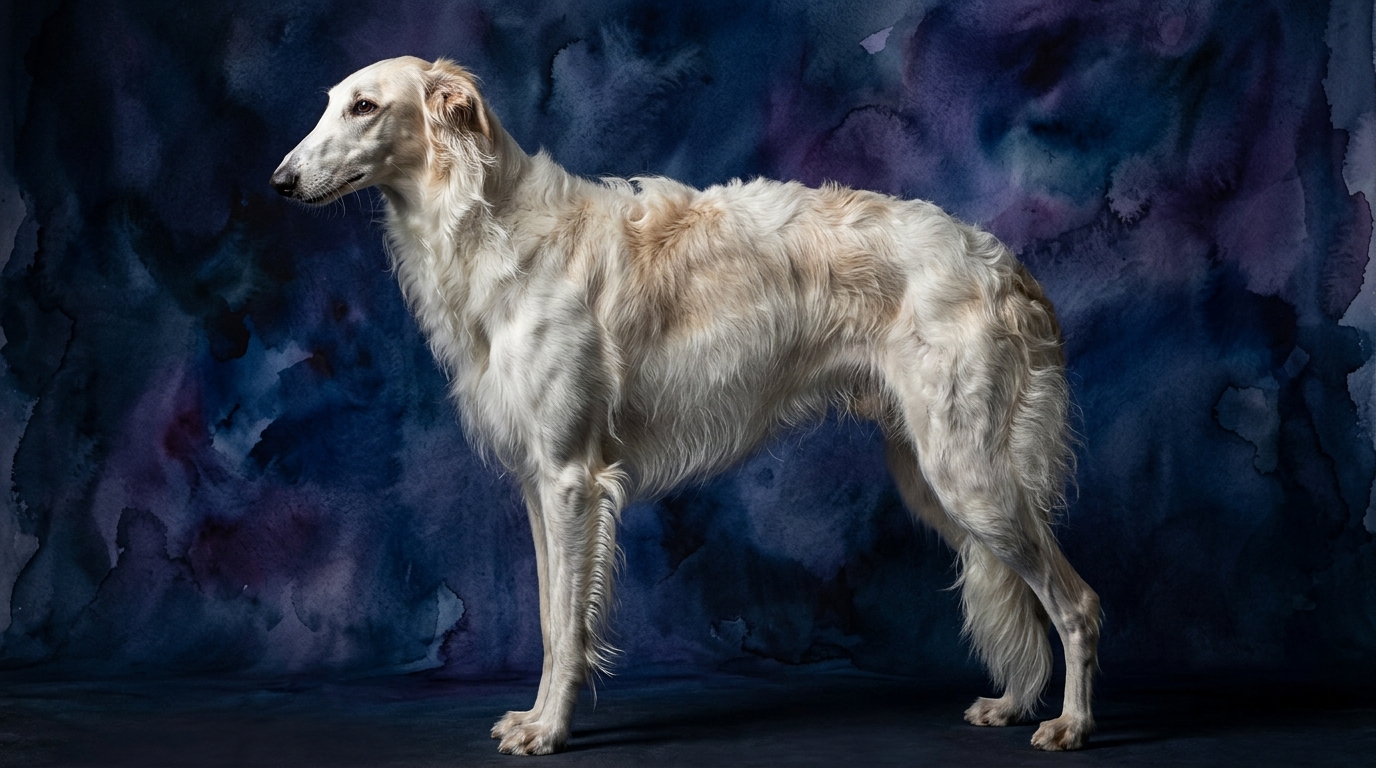
Conversely, the Borzoi, a majestic Hound with a Coren ranking of #75, brings a different cognitive flavor to its identical 3/5 scores. Its Problem Solving at 3/5 is geared towards strategic pursuit over vast distances, requiring rapid visual assessment and decision-making in an open field, rather than intricate physical manipulation. The 3/5 Training Speed highlights their ability to learn but emphasizes their independent spirit; they understand commands but often choose when to comply. Social Intelligence, also 3/5, manifests as a reserved, sensitive connection with their close family, often responding to subtle shifts in emotion rather than overt demands. Their 3/5 Instinctive Drive is a powerful, visually triggered chase instinct, distinct from the terrier's earth-bound tenacity. Finally, a 3/5 Memory likely excels in spatial recall, mapping hunting grounds, and remembering prey patterns, crucial for their sighthound heritage.
Where the Lakeland Terrier Excels Cognitively
Despite sharing the same 3/5 scores, the Lakeland Terrier often demonstrates a particular cognitive advantage in scenarios demanding hands-on, persistent problem-solving. Their 3/5 in Problem Solving shines when it involves figuring out how to bypass physical barriers, dislodge an object, or navigate confined spaces to achieve a goal, reflecting their heritage as earthdogs. This isn't just about brute force; it's about a tenacious intellectual curiosity that drives them to manipulate their environment. Within their 3/5 Social Intelligence, Lakeland Terriers excel at assertive communication, often attempting to 'manage' their human companions with clear signals, demonstrating a distinct understanding of social dynamics within their family unit. This proactive engagement, while sometimes perceived as stubbornness, showcases a specific form of cognitive processing focused on influencing their immediate world and the beings within it. Their 3/5 Training Speed is most effective when tasks require quick, decisive action and independent thought, rather than rote obedience, making them exceptionally good at learning complex sequences that align with their natural drives.
Their memory, rated at 3/5, is particularly adept at recalling the intricacies of successful past 'hunts' or problem-solving attempts, allowing them to refine strategies for future endeavors. This recall is often linked to cause-and-effect, remembering which actions led to a desired outcome. For owners who enjoy interactive puzzles or dog sports that require agility and quick thinking, the Lakeland's specific cognitive strengths make them a highly engaging and rewarding partner.
Where the Borzoi Excels Cognitively
The Borzoi, with its distinct sighthound heritage, showcases its cognitive strengths in areas that demand swift perception, strategic pursuit, and refined independence, even with identical 3/5 scores. Their Instinctive Drive, while rated 3/5, is uniquely powerful in its visual acuity and the complex cognitive processes involved in a high-speed chase. This isn't merely a reactive chase; it involves rapid assessment of terrain, prey movement, and strategic decision-making over vast distances, a sophisticated form of problem-solving (3/5) that is instinctual and immediate. The Borzoi's 3/5 Memory likely excels in spatial and environmental recall, remembering optimal chase routes, scent patterns, and the layout of large areas, which is crucial for their original purpose. This specialized memory allows them to navigate and operate effectively in expansive, dynamic environments.
Their Social Intelligence, also 3/5, manifests as a profound, quiet understanding and sensitivity to their chosen humans. Borzoi often respond to subtle cues, emotions, and unspoken intentions, forming deep bonds based on mutual respect rather than overt demonstrations of affection. This nuanced social cognition allows for a unique, almost telepathic connection with their owners. Their 3/5 Training Speed, rather than implying a slow learner, points to their ability to absorb information quickly when motivated, but their sighthound independence means they process commands through the lens of 'what's in it for me' or 'is this worth my effort,' making their learning style more about partnership and less about unquestioning obedience. This makes them particularly adept at learning tasks that are novel, engaging, and respect their inherent dignity.
Which Is Easier to Train and Why?
When considering ease of training, the identical 3/5 score for Training Speed for both breeds requires a deeper look into their behavioral tendencies. The Lakeland Terrier, despite its stubborn streak, often appears easier to train for traditional obedience tasks due to its inherent desire for engagement and a 'working' partnership with its owner. Their 3/5 Problem Solving and Instinctive Drive mean they are often eager to participate in activities that provide mental stimulation and a sense of purpose, especially if it involves solving puzzles or 'hunting' for treats. Consistency, clear communication, and positive reinforcement that taps into their drive make them responsive learners. Their terrier tenacity means they will often try to figure out what you want, even if it takes a few attempts, leading to a perception of quicker learning.
The Borzoi, on the other hand, presents a different training challenge, which is reflected in its Coren ranking of #75 for working and obedience intelligence. While their 3/5 Training Speed indicates they are capable of learning, their independent nature and sighthound heritage mean they are less inclined to perform repetitive tasks purely to please. Training a Borzoi requires immense patience, understanding their motivations (often related to chase or comfort), and making sessions novel and engaging. They are not 'difficult' because they are slow to comprehend, but because they are selective responders; they will learn quickly if they see the value or fun in it, but may choose not to comply if their interest wanes. For owners accustomed to more biddable breeds, the Borzoi’s training style can feel more challenging, demanding a partnership built on trust and respect rather than strict command-and-response.
Which Suits Active Owners vs. Relaxed Owners?
For active owners, both breeds offer unique companionship, but their activity profiles differ significantly. The Lakeland Terrier is an excellent match for owners who enjoy consistent, interactive engagement. Their 3/5 Instinctive Drive and Problem Solving mean they thrive on varied outdoor adventures, structured playtime, agility courses, earthdog trials, or even just long, stimulating walks where they can explore and 'work.' They need an owner who can provide consistent mental and physical outlets, as their cognitive engagement is constant and their energy needs are moderate to high, requiring regular, purposeful activity to prevent boredom-induced behaviors.
The Borzoi suits active owners who understand their specific exercise requirements: powerful bursts of speed in a securely fenced area, followed by long periods of relaxed lounging. Their 3/5 Instinctive Drive is best satisfied with opportunities to gallop freely, rather than endless endurance activities. While they can enjoy walks, they are not typically 'jogging partners' in the same way a terrier might be. For 'relaxed' owners, neither breed is truly hands-off. However, a Borzoi might be a better fit if 'relaxed' implies less constant mental demand for interaction and more independent observation once their exercise needs are met. They are content to be quiet, elegant companions indoors. A Lakeland, conversely, will consistently seek interaction and engagement, making them less suitable for a truly passive owner, as their 3/5 Social Intelligence and Problem Solving drive them to be active participants in the household.
The Verdict
Choose the Lakeland Terrier if you seek an interactive, tenacious companion who thrives on shared problem-solving and purposeful activity, willing to engage actively with their human's agenda.
Opt for the Borzoi if you admire independent, graceful companions, offering a nuanced relationship built on mutual respect, and who can provide ample space for their powerful sprints and quiet companionship.
🧠 Find Your Pet's IQ Score
Our Pet IQ Lab assessment covers 25+ tests across 5 cognitive dimensions — personalized to your breed.
Take the Full IQ Test →Frequently Asked Questions
Are Borzoi difficult to train due to their Coren ranking?
While the Borzoi's Coren rank of #75 indicates challenges in traditional obedience, it doesn't mean they are unintelligent. Their 3/5 Training Speed suggests they learn, but their independence means training requires patience, understanding, and making sessions novel and engaging rather than repetitive.
Do Lakeland Terriers make good apartment dogs despite their energy?
Lakeland Terriers can adapt to apartment living if their significant energy and cognitive needs are consistently met through daily walks, interactive play, and mental stimulation. Their 3/5 Instinctive Drive and Problem Solving require dedicated engagement from their owners to prevent boredom.
How do the prey drives of these two breeds differ in practice?
The Lakeland Terrier's 3/5 Instinctive Drive manifests as a tenacious, earth-bound hunt for small vermin, often involving digging and determined pursuit in confined spaces. The Borzoi's 3/5 Instinctive Drive is a powerful, visually triggered chase over open ground, requiring rapid decision-making and strategic pursuit of fast-moving targets like hare or deer.