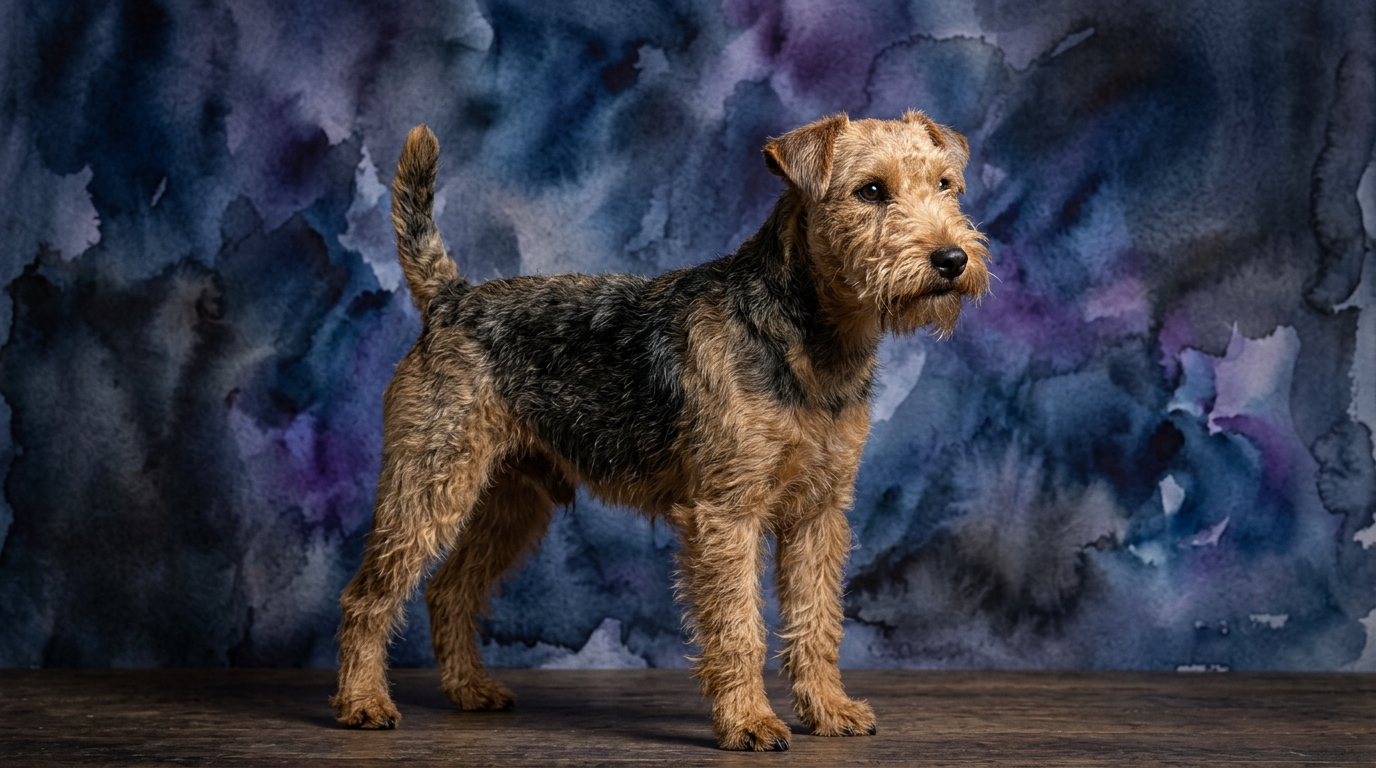
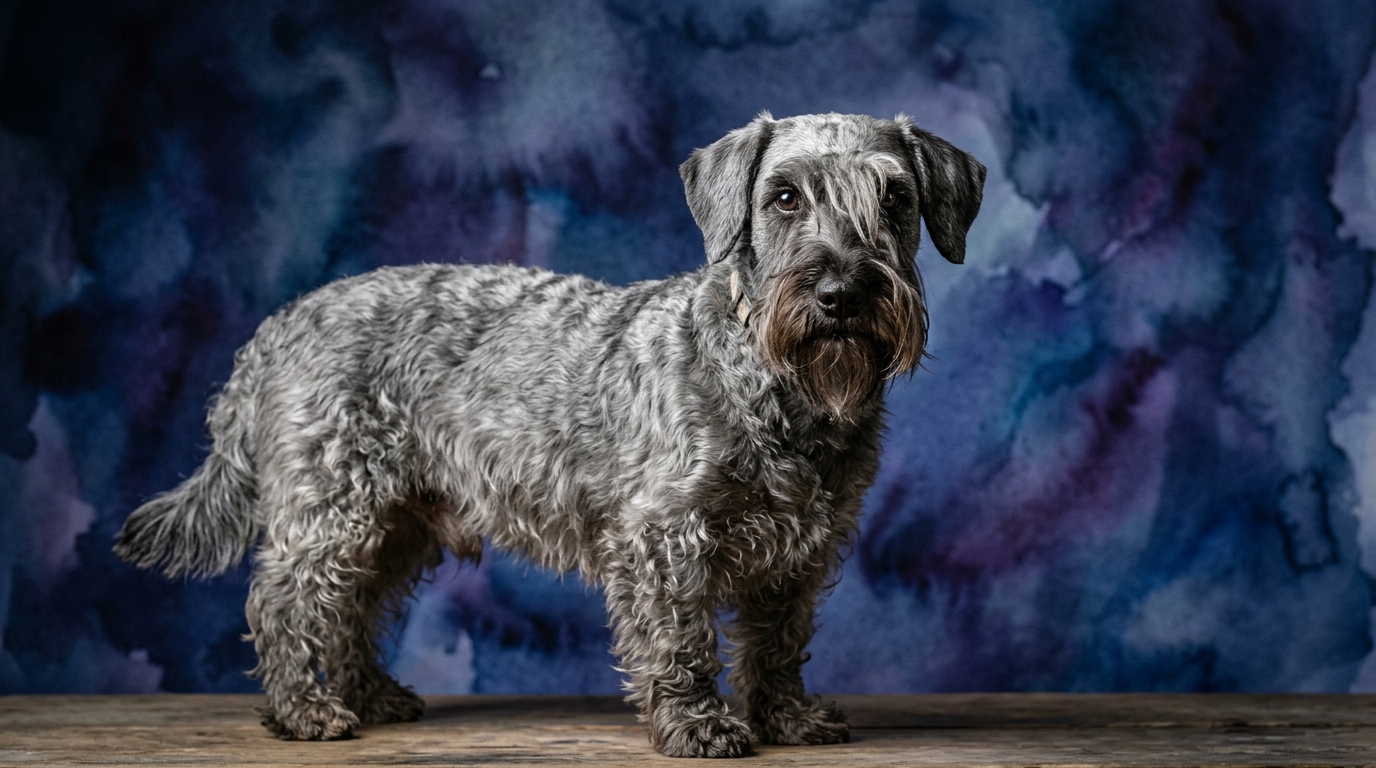
Side-by-Side Cognitive Profile: Unpacking the 3/5 Scores
**Problem Solving (3/5):** The Lakeland Terrier approaches challenges with a spirited, direct boldness, often trying multiple strategies with enthusiasm until one succeeds. The Cesky Terrier, equally persistent, exhibits its problem-solving with a more measured, methodical tenacity, often observing before acting, relying on quiet determination.
**Training Speed (3/5):** Both learn new commands moderately, but motivations differ. Lakelands thrive on engaging, varied training framed as a game, responding well to positive reinforcement. Ceskys require a more consistent, gentle, and patient approach, valuing routine and a calm learning environment for absorption and retention.
**Social Intelligence (3/5):** Lakeland's social acumen appears as outgoing, confident interactions with family, though discerning with strangers. Cesky's social intelligence manifests as a more reserved, watchful demeanor, bonding deeply with family but taking longer to warm up to new people, evaluating cues with discretion.
**Instinctive Drive (3/5):** Both possess robust terrier drive. Lakeland's drive is geared towards energetic pursuit and engagement, reflecting its fearless vermin-hunting history. Cesky's drive, equally strong, channels into focused, persistent tracking and flushing, reflecting its specialized role in small game hunting.
**Memory (3/5):** Both reliably remember commands, routines, and experiences. Lakeland's memory serves its active, exploratory nature, recalling fun places or complex routes. Cesky's memory, equally strong, aids its discerning nature, allowing precise recall of specific training nuances and vivid remembrance of experiences.
Where the Lakeland Terrier Excels Cognitively
The Lakeland Terrier, with its characteristic exuberance and confident demeanor, often demonstrates a cognitive edge in situations demanding quick, audacious responses. Its 3/5 problem-solving manifests as a willingness to experiment boldly, unafraid of failure, advantageous in novel environments or unexpected obstacles. This breed's spirited nature allows it to "think on its feet" with enthusiasm, making it particularly adept at interactive games requiring immediate physical engagement and rapid adjustments. For instance, in an agility course, a Lakeland's direct, energetic approach might lead to faster solutions. Its overtly expressive communication often makes its intentions clearer to owners, potentially streamlining cooperative tasks. The Lakeland's robust memory, combined with its zest for life, means it recalls enjoyable training sessions and positive interactions with remarkable clarity, reinforcing its desire to participate in future activities.
Where the Cesky Terrier Shows Cognitive Strengths
The Cesky Terrier, a calmer, more thoughtful terrier, exhibits cognitive strengths in areas requiring sustained focus and nuanced approaches. Its 3/5 problem-solving, while equally effective, tends to be more deliberate and persistent, allowing it to meticulously work through challenges rather than relying solely on impulse. This makes the Cesky particularly suited for tasks demanding patience and detailed observation, such as scent work or multi-step puzzle toys. Its social intelligence often manifests as a keen ability to read subtle cues from trusted companions, fostering a deeply attuned partnership. A Cesky might excel at understanding complex routines or anticipating its owner's next move due to its watchful nature and strong memory for patterns. Its relatively lower energy level allows for longer periods of sustained mental engagement without restlessness, advantageous in quiet, focused learning environments where consistency is key. This breed's memory, combined with its discerning temperament, often results in precise recall of specific training steps and strong retention of boundaries.
Training Dynamics: Which is 'Easier' and Why?
Determining which breed is 'easier' to train, given their identical 3/5 Training Speed, largely depends on an owner's style. The Lakeland Terrier's exuberance and playful spirit mean it responds best to engaging, varied sessions leveraging its curiosity. They thrive on positive reinforcement but can become bored with repetitive drills, potentially leading to stubbornness. Their independent spirit requires a consistent, firm, yet always positive approach to channel energy effectively. The Cesky Terrier, while also independent, is generally more sensitive and less overtly boisterous. Harsh correction can be counterproductive. A Cesky often excels with consistent, gentle, and patient guidance, valuing routine and clear expectations. While not always as boisterously enthusiastic as a Lakeland, their quiet determination and strong memory for patterns make them highly capable learners, especially when training taps into their natural focus. Neither is inherently 'easier'; the Lakeland suits dynamic, game-based training, while the Cesky rewards a calm, methodical approach and subtle communication.
Lifestyle Match: Active vs. Relaxed Owners
The Lakeland Terrier typically aligns better with active owners matching its spirited energy and providing ample physical and mental engagement. Their 3/5 instinctive drive and problem-solving thrive in activities like agility or earthdog trials, and long, varied walks. A Lakeland needs consistent outlets for its curiosity and athleticism; an owner enjoying outdoor adventures will find a delightful companion. Conversely, the Cesky Terrier, while a terrier, often possesses a calmer, more adaptable demeanor, suitable for more relaxed owners committed to regular, moderate activity. They enjoy walks and playtime, but their adaptability allows them to be content with a more settled home life, provided mental stimulation and daily walks are met. They thrive in various home settings, as long as engaging indoor activities are part of their routine. Their social intelligence and memory make them excellent for owners appreciating a quiet, discerning presence and precise training.
The Verdict
Choose the Lakeland Terrier if you are an active, adventurous owner seeking an outgoing, spirited companion who thrives on dynamic challenges and engaging, game-based training.
Opt for the Cesky Terrier if you appreciate a more reserved, thoughtful companion who excels with consistent, gentle training and enjoys focused activities in a calmer home environment.
🧠 Find Your Pet's IQ Score
Our Pet IQ Lab assessment covers 25+ tests across 5 cognitive dimensions — personalized to your breed.
Take the Full IQ Test →Frequently Asked Questions
Do Lakeland Terriers and Cesky Terriers get along with other pets?
Both breeds, being terriers with a 3/5 instinctive drive, possess a natural prey drive which can influence interactions with smaller pets. However, with early socialization and consistent training, they can often coexist peacefully with other dogs and cats, though supervision is always recommended to ensure harmony.
Are these terriers suitable for first-time dog owners?
While both breeds exhibit a 3/5 training speed, their independent terrier nature means they are best suited for owners who are committed to consistent training and socialization. A first-time owner who is dedicated to learning about terrier behavior and willing to invest time in positive reinforcement can certainly succeed with either breed.
How do their grooming needs compare, and does it affect their cognitive state?
Both breeds require regular grooming; Lakelands need hand-stripping to maintain their coat, while Ceskys require clipping and occasional hand-stripping. While grooming itself doesn't directly impact IQ scores, a comfortable, well-maintained coat can contribute to a dog's overall well-being, potentially enhancing their focus and responsiveness during training or social interactions.