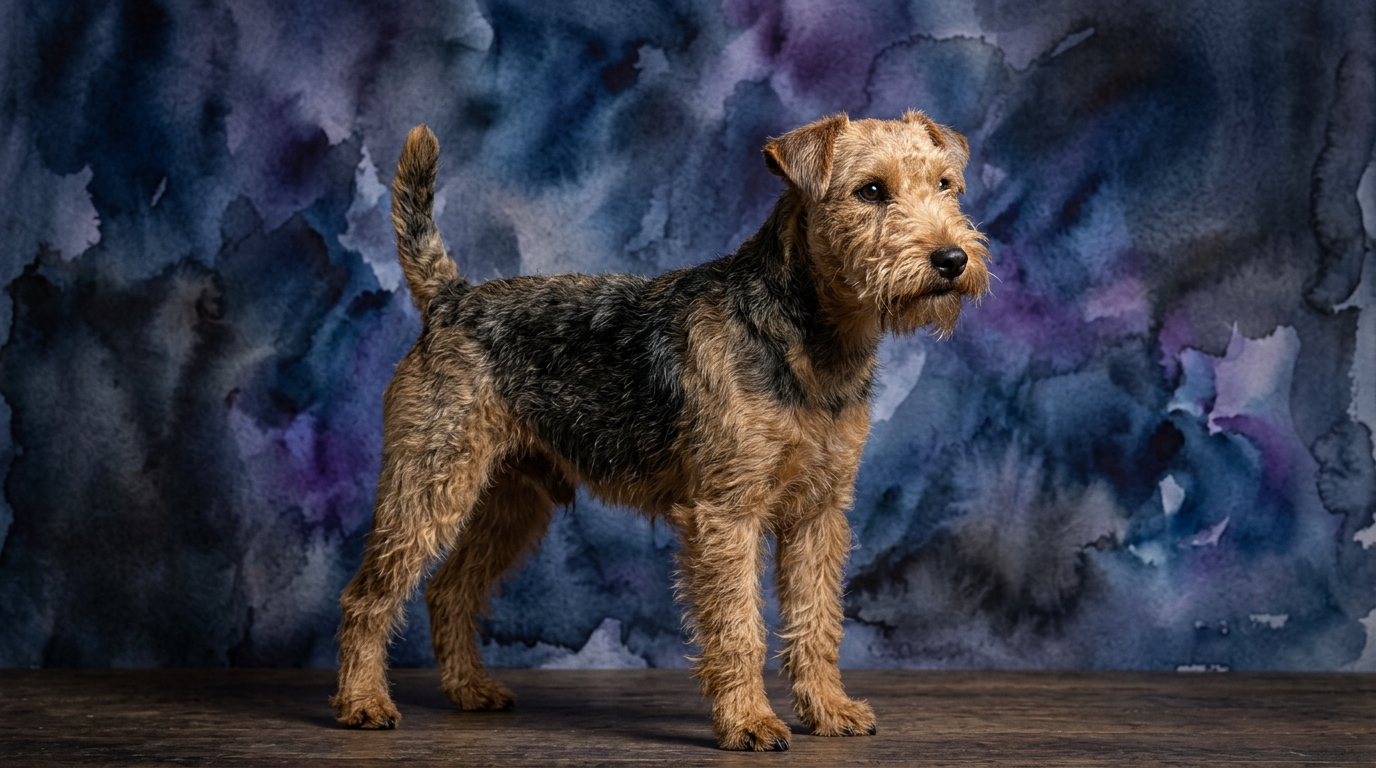

Side-by-Side Pet IQ Lab Profile
The Pet IQ Lab assesses five crucial dimensions of canine cognition, and interestingly, both the Lakeland Terrier and the Chinese Crested score an identical 3/5 in every category. This parity, however, doesn't imply identical cognitive expression; rather, it suggests a similar baseline capacity that is channeled through their inherent breed-specific temperaments and drives. Understanding this requires a deeper look into what a 3/5 score signifies for each unique dog.
For the Lakeland Terrier, a 'Problem Solving' score of 3/5 reflects a capacity for independent thought, often applied to figuring out how to achieve a goal, like navigating a tricky scent trail or outsmarting a small critter. Their 'Training Speed' at 3/5 indicates they learn commands efficiently, but their terrier tenacity means compliance is often a negotiation. 'Social Intelligence' at 3/5 suggests they can read human cues and bond deeply with their family, though they might be reserved with outsiders. Their 'Instinctive Drive' at 3/5 is pronounced, manifesting as a strong urge to dig, chase, and explore, deeply rooted in their working heritage. Finally, 'Memory' at 3/5 means they retain information well, remembering both positive and negative experiences, and routines.
The Chinese Crested, too, displays a 'Problem Solving' score of 3/5, but this often manifests in more subtle ways, such as creatively securing a warm lap, manipulating owners for attention, or finding the most comfortable spot in the house. Their 'Training Speed' at 3/5 allows them to pick up cues quickly, often eager to please their primary person, though sensitivity can sometimes hinder performance. 'Social Intelligence' at 3/5 means they are highly attuned to their owner's emotions and body language, often forming exceptionally close, empathetic bonds. Their 'Instinctive Drive' at 3/5 is typically geared towards companionship, comfort, and perhaps some light chasing, rather than intense prey pursuit. Their 'Memory' at 3/5 ensures they remember routines, preferences, and the people who provide them comfort and security.
Where the Lakeland Terrier Excels Cognitively
Despite identical scores, the Lakeland Terrier's cognitive strengths shine particularly in scenarios demanding self-reliance and physical engagement. Their 'Problem Solving' (3/5) combined with a robust 'Instinctive Drive' (3/5) allows them to excel in tasks requiring perseverance and cleverness in physical environments. For instance, a Lakeland might independently strategize how to unearth a perceived burrow or navigate a complex agility course, relying on their own judgment rather than constant human direction. This self-starting nature is a distinct advantage when an owner seeks a partner for challenging outdoor pursuits or intricate scent work.
Furthermore, their 'Training Speed' (3/5), while sometimes tempered by their independent spirit, means they are quick to grasp complex sequences or multi-step commands once motivated. Their memory (3/5) reinforces this, allowing them to recall intricate routes or previously learned solutions to environmental puzzles. This ability to learn and apply knowledge in dynamic, often unpredictable, situations positions the Lakeland Terrier as a capable and resilient cognitive partner for active and adventurous individuals.
Where the Chinese Crested Excels Cognitively
The Chinese Crested, with its identical 3/5 scores, demonstrates a distinct cognitive prowess rooted in social and emotional intelligence. Their 'Social Intelligence' (3/5) is often expressed through an extraordinary attunement to human emotional states, allowing them to offer comfort and companionship with remarkable precision. A Crested might intuitively sense when an owner is distressed and respond with gentle nudges or quiet presence, showcasing a sophisticated understanding of non-verbal cues and emotional context. This makes them exceptional emotional support animals and deeply empathetic family members.
Their 'Problem Solving' (3/5) is frequently channeled into navigating social dynamics and securing their comfort. They might cleverly use their charm to get extra lap time or figure out the optimal time to request attention, demonstrating a nuanced understanding of household routines and human vulnerabilities. This subtle, relationship-focused application of their cognitive abilities makes them masters of domestic harmony and personal connection, appealing to those who value a dog's emotional depth and intimate bond above all else.
Which is Easier to Train and Why?
When considering ease of training, the identical 'Training Speed' score of 3/5 for both breeds requires interpreting their learning styles through the lens of their inherent temperaments. The Chinese Crested often appears easier to train for basic obedience and house manners due to their strong desire to please their primary caregiver and their sensitivity. They respond well to positive reinforcement and gentle methods, often picking up commands quickly because they crave connection and approval. However, their sensitivity means that harsh corrections can lead to anxiety or withdrawal, potentially hindering their progress.
The Lakeland Terrier, while equally capable of learning quickly (3/5), presents a different training challenge. Their independent nature and strong 'Instinctive Drive' (3/5) mean they often need to be convinced that complying with a command is more rewarding or interesting than pursuing their own agenda. Training a Lakeland requires consistency, creativity, and making the learning process engaging and fun to capture their attention. They might understand a command but choose not to perform it if a squirrel is more captivating, demanding an owner who appreciates a dog with an opinion and a lively spirit.
Which Suits Active vs. Relaxed Owners?
For active owners seeking a spirited companion, the Lakeland Terrier is often the more fitting choice. Their 'Instinctive Drive' (3/5) for exploration and their 'Problem Solving' (3/5) capabilities make them enthusiastic participants in outdoor adventures, long hikes, earthdog trials, or agility courses. They thrive on having a job to do and require consistent mental and physical stimulation to prevent boredom. An owner who enjoys training and engaging in dynamic activities will find a Lakeland to be an energetic and willing partner, always ready for the next challenge.
Conversely, the Chinese Crested typically suits more relaxed owners who prioritize companionship and a calm home environment. Their 'Social Intelligence' (3/5) means they thrive on close human interaction, enjoying lap time, gentle play, and being an integral part of daily family life without demanding extensive physical exertion. While they enjoy walks and some play, their needs are generally met with indoor activities and consistent affection. An owner seeking a deeply connected, sensitive dog that prefers a cozy, predictable routine will find the Chinese Crested to be an ideal match.
The Verdict: When to Choose Each Breed
The Verdict
Choose the Lakeland Terrier if you are an active individual seeking a tenacious, independent, and clever partner for outdoor adventures and engaging mental challenges, appreciating a dog with a strong will and a zest for life.
Opt for the Chinese Crested if you desire a deeply connected, sensitive, and emotionally attuned companion who thrives on close human interaction and a serene home environment, valuing profound emotional bonds and a charming presence.
🧠 Find Your Pet's IQ Score
Our Pet IQ Lab assessment covers 25+ tests across 5 cognitive dimensions — personalized to your breed.
Take the Full IQ Test →Frequently Asked Questions
Are Lakeland Terriers stubborn during training?
Lakeland Terriers possess a strong 'Instinctive Drive' and 'Problem Solving' ability (both 3/5), which can sometimes be perceived as stubbornness. They understand commands but might prioritize their own interests, requiring consistent, engaging, and reward-based training to ensure compliance and cooperation.
Do Chinese Cresteds get along well with children?
Chinese Cresteds, with their 'Social Intelligence' (3/5), can be good with children, especially older, respectful ones who understand their sensitive nature. Their desire for close bonds makes them affectionate companions, but their delicate build and potential shyness mean they thrive in calmer environments and need careful introductions to very young, boisterous children.
How do their distinct physical traits influence their cognitive expression?
The Lakeland Terrier's robust build and wiry coat support its outdoor, active 'Instinctive Drive', allowing it to engage physically with its environment. The Chinese Crested's delicate nature, often hairless, promotes a preference for warmth and comfort, channeling its 'Problem Solving' and 'Social Intelligence' more towards securing cozy spots and close human contact, influencing how their identical cognitive scores manifest in daily life.