Side-by-Side IQ Profile: Lakeland Terrier vs. Cirneco dell'Etna
The Cosmic Pet Pet IQ Lab assesses canine intelligence across five critical dimensions, offering a detailed glimpse into a breed's mental landscape. For both the Lakeland Terrier and the Cirneco dell'Etna, these dimensions show a balanced, moderate capacity, with each scoring 3 out of 5 across the board, and neither breed appearing on the traditional Coren-ranked lists. However, a deeper dive reveals distinct expressions of these capacities.
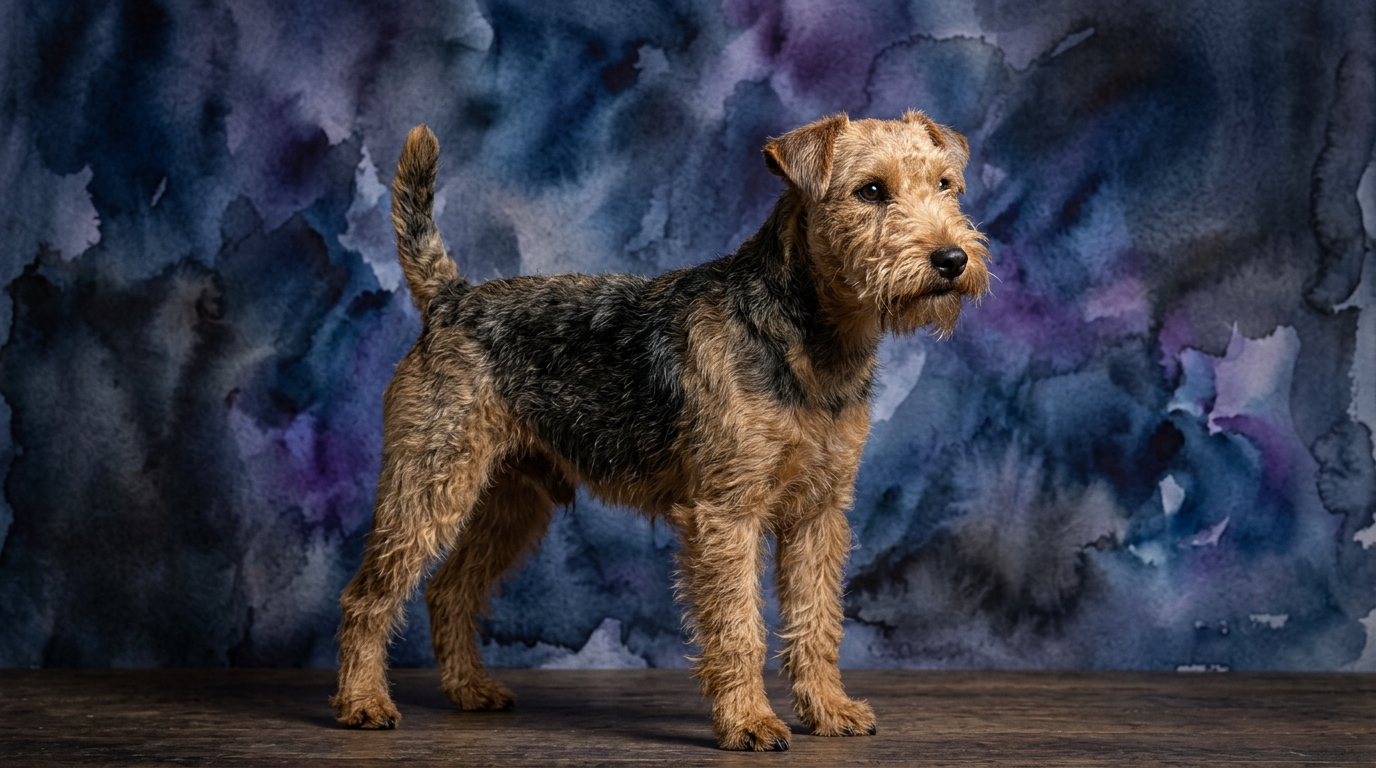
The Lakeland Terrier, originating from the rugged Lake District of England, was bred for tenacious hunting. Their **Problem Solving (3/5)** reflects a resourceful determination, often involving strategic thinking to outwit quarry or navigate challenging terrains, sometimes independently. This manifests as a cleverness in finding solutions, even if it means bending the rules. Their **Training Speed (3/5)** is moderate; they grasp concepts well, but their independent spirit means consistency, engaging methods, and a strong handler-dog bond are crucial for compliance and sustained focus. **Social Intelligence (3/5)** in a Lakeland is characterized by an assertive yet generally amicable nature, capable of forming strong bonds with their human family but also asserting themselves among other canines. Their **Instinctive Drive (3/5)** is robust, centered on prey pursuit, digging, and exploration, reflecting their working heritage and a strong impulse to engage with their environment. Finally, their **Memory (3/5)** allows them to retain training and past experiences, particularly those related to successful hunting or problem-solving outcomes, making them capable of recalling complex sequences.
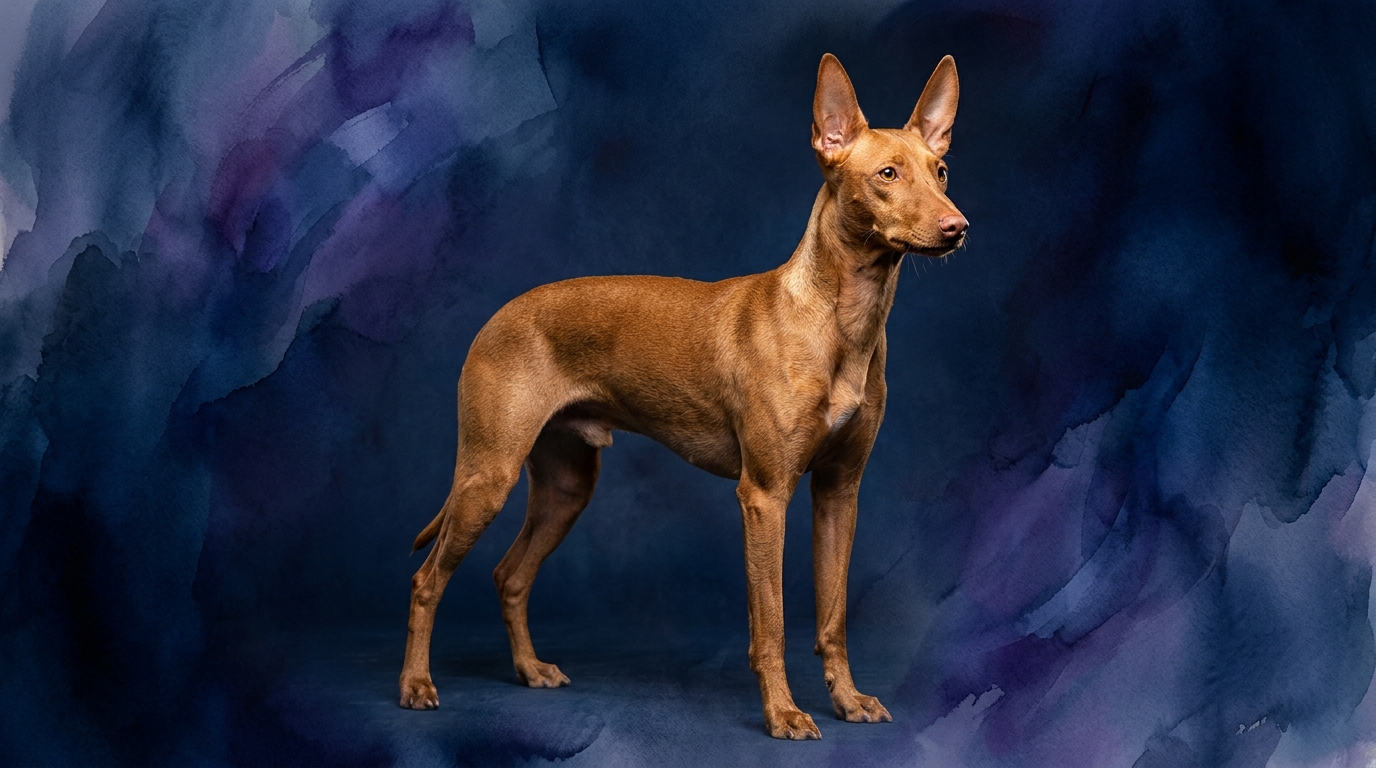
Conversely, the Cirneco dell'Etna, an ancient breed from Sicily, is a sighthound developed for hunting rabbit on the volcanic slopes of Mount Etna. Their **Problem Solving (3/5)** often involves sophisticated tracking and strategic pursuit, utilizing keen senses and physical agility to corner prey. This demonstrates adaptive thinking in varied environments, relying on observation and speed. **Training Speed (3/5)** is also moderate; they learn effectively but their sensitive, independent sighthound nature requires patient, positive reinforcement and an understanding of their easily distracted focus, particularly by movement or scent. Their **Social Intelligence (3/5)** leans towards a gentle, observant demeanor, typically reserved with strangers but deeply affectionate and intuitive with their family, exhibiting a nuanced understanding of human cues and emotions. Their **Instinctive Drive (3/5)** is primarily focused on chasing and scenting, driven by the visual and olfactory cues of prey, coupled with a strong desire for physical exertion and the thrill of the chase. **Memory (3/5)** enables them to recall intricate hunting paths, learned routines, and the specific nuances of their human companions' interactions, making them adept at remembering spatial layouts and familiar patterns.
Where the Lakeland Terrier Wins Cognitively
While both breeds exhibit a balanced cognitive profile, the Lakeland Terrier's cognitive strengths shine in areas demanding independent initiative and persistent engagement with challenges. Their Problem Solving, rated 3/5, is often applied with a terrier's characteristic tenacity; they are less likely to give up on a puzzle or a desired outcome, even if it requires repeated attempts or a clever workaround. This translates to an inherent drive to figure things out on their own terms, whether it's navigating a complex obstacle course or discovering how to access a forbidden treat.
Furthermore, their Instinctive Drive, also 3/5, is paired with a certain audaciousness. A Lakeland Terrier often approaches new situations with a confident curiosity, ready to engage rather than observe from a distance. This boldness can be a cognitive advantage when facing novel environments or needing to adapt quickly to changing circumstances, as they are less prone to hesitation. Their memory, while moderate, is particularly strong in retaining methods that led to success in their independent endeavors, reinforcing their self-reliant problem-solving loop.
Where the Cirneco dell'Etna Wins Cognitively
The Cirneco dell'Etna's cognitive advantages manifest in a more refined, sensory-driven manner, reflecting their sighthound heritage. Their Problem Solving (3/5) excels in tasks requiring keen observation, rapid assessment of a moving target, and precise execution. They are adept at spatial reasoning related to pursuit, quickly calculating trajectories and understanding environmental nuances to achieve their goal. This makes them particularly effective in agility courses that demand speed and accurate navigation.
Their Social Intelligence, also 3/5, is marked by a subtle sensitivity and perceptiveness towards their human companions. Cirnecos often pick up on emotional cues and routines with an almost ethereal understanding, forming deep, quiet bonds. This cognitive strength makes them highly attuned companions who can anticipate their owner's moods or intentions. Additionally, their memory, while moderate, is especially strong for visual and environmental cues, allowing them to recall specific locations, routes, and the patterns of their surroundings with impressive accuracy, a valuable trait for a hunting dog in varied terrain.
Which is Easier to Train and Why
Determining which breed is 'easier' to train, given their identical 3/5 Training Speed scores, comes down to understanding their motivational drivers and inherent temperaments. The Lakeland Terrier, with its independent and sometimes stubborn nature, requires a trainer who is patient, consistent, and creative. They learn at a moderate pace, but their strong will means they might choose not to comply if they don't see the immediate benefit or if the training isn't stimulating enough. Their terrier instinct to 'do it themselves' can make recall challenging if there's a more interesting scent or chase.
The Cirneco dell'Etna also learns at a moderate pace, but their training experience is shaped by their sighthound disposition. They are generally more sensitive and respond best to positive reinforcement and gentle guidance; harsh corrections can cause them to shut down. Their strong prey drive means they can be easily distracted by movement or scent, making focus a primary training objective, especially in open environments. While they are eager to please their family, their independent hunting instinct might lead them to prioritize a chase over a command. Therefore, a Cirneco often benefits from a calm, understanding trainer who can make learning a positive and engaging experience, minimizing distractions and building trust.
Which Suits Active Owners vs. Relaxed Owners
Matching a dog's cognitive and physical needs to an owner's lifestyle is crucial for a harmonious relationship. For active owners, both breeds offer engaging companionship, but with different flavors of activity. The Lakeland Terrier thrives with owners who enjoy structured activities like Earthdog trials, agility, or long, varied hikes. Their robust instinctive drive and problem-solving skills make them excellent partners for owners who appreciate a dog with a determined spirit and a desire for purpose-driven engagement. They need regular mental and physical challenges to prevent boredom and destructive behaviors, making them suitable for owners who are consistently involved in their dog's daily enrichment.
The Cirneco dell'Etna, while also active, suits owners who appreciate bursts of intense exercise followed by periods of calm companionship. Their strong instinctive drive for chasing means they excel in activities like lure coursing, fast-paced walks, or off-leash running in secure areas where they can stretch their legs. However, their sensitive social intelligence also means they cherish quiet time indoors with their family. They are well-suited for active owners who can provide outlets for their hunting instincts and then enjoy a calm, affectionate companion curled up on the sofa. They might be a better fit for owners who enjoy routine and a predictable schedule, as their sensitive nature can be disrupted by constant change.
The Verdict
Choose the Lakeland Terrier if you are an owner who values a dog with a spirited, independent problem-solving approach and enjoys engaging in activities that tap into a tenacious, confident drive.
Opt for the Cirneco dell'Etna if you appreciate a sensitive, observant companion whose intelligence shines in sensory pursuits and who thrives with a blend of intense exercise and quiet, affectionate home life.
🧠 Find Your Pet's IQ Score
Our Pet IQ Lab assessment covers 25+ tests across 5 cognitive dimensions — personalized to your breed.
Take the Full IQ Test →Frequently Asked Questions
Are Lakeland Terriers good at learning tricks?
Lakeland Terriers are capable of learning a wide array of tricks due to their moderate training speed and problem-solving abilities. Their independent nature means that engaging, positive reinforcement methods and consistent practice will yield the best results, as they need to be motivated to participate.
Do Cirneco dell'Etnas have a good memory for commands?
Cirneco dell'Etnas possess a moderate memory, allowing them to retain commands and routines effectively, especially when taught with positive reinforcement. Their sensitivity means that consistency and a calm training environment are key to reinforcing these memories, as distractions can easily pull their focus.
How do their instinctive drives impact their daily behavior?
The Lakeland Terrier's instinctive drive for digging and pursuit means they need outlets for these behaviors, such as designated digging areas or puzzle toys, to prevent unwanted yard work. The Cirneco dell'Etna's strong chase drive requires secure, fenced areas for exercise and a reliable recall trained with high-value rewards to manage their instinct to bolt after perceived prey.