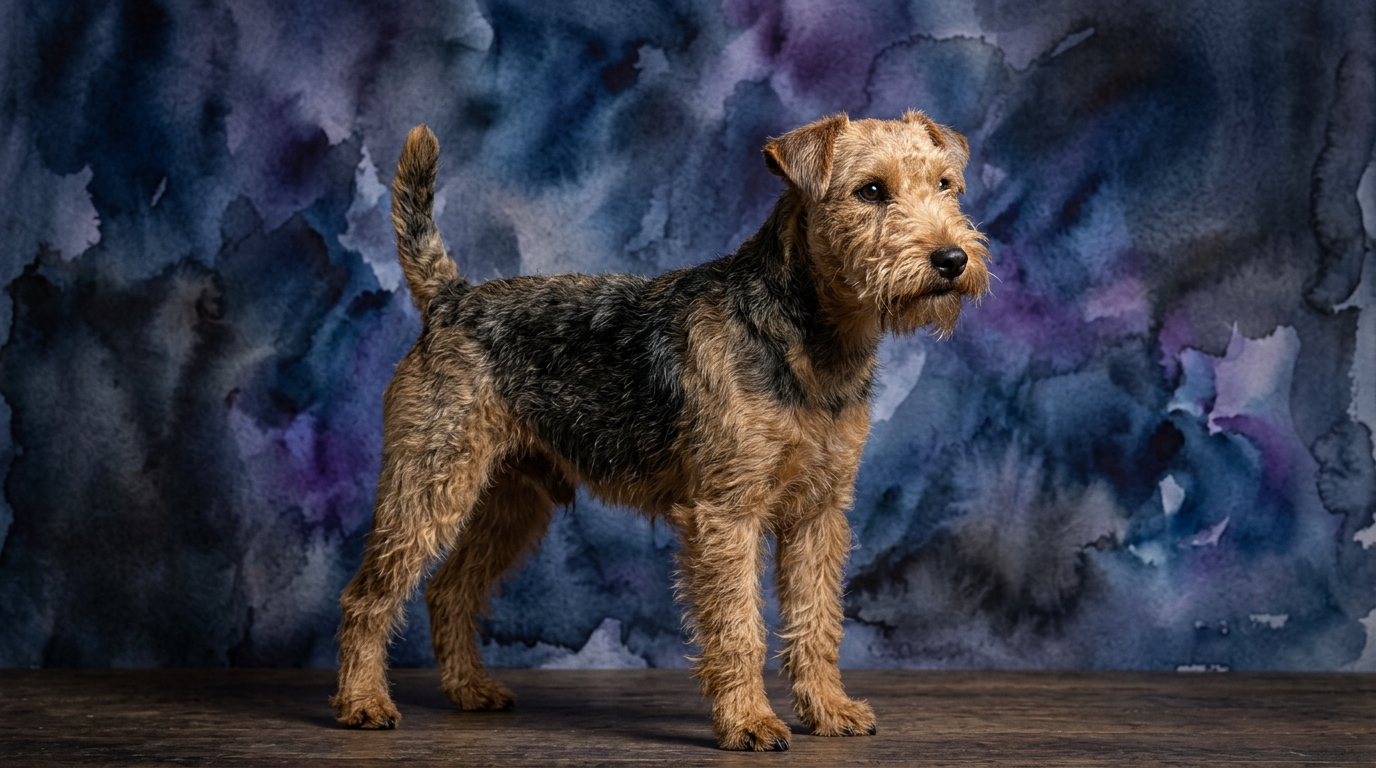

Side-by-Side Cognitive Profiles: A Deeper Look at 3/5 Scores
At first glance, the Lakeland Terrier and Manchester Terrier appear to share identical cognitive blueprints, each scoring a balanced 3 out of 5 across problem-solving, training speed, social intelligence, instinctive drive, and memory. However, these identical scores don't imply identical mental processes; rather, they reflect a similar overall capacity expressed through distinct breed-specific lenses, rooted deeply in their original purposes and temperaments. Understanding these nuances requires delving beyond the numbers to appreciate how each breed uniquely applies its cognitive gifts in everyday life.
For the Lakeland Terrier, a "3/5" in problem-solving often manifests as determined independence, stemming from their history as fox hunters in the rugged English Lake District where they needed to strategize alone underground. Their training speed, also 3/5, reflects a mind that learns effectively but often requires an owner who can make tasks engaging and worth their while, rather than relying on rote obedience. Social intelligence at 3/5 means they are highly attuned to their close family, forming deep bonds, but can be discerning or reserved with strangers, meticulously observing new interactions before fully engaging. Their instinctive drive (3/5) is powerfully geared towards scent, chase, and digging, reflecting their working heritage, while their memory (3/5) is robust for routines, learned commands, and locations, but can sometimes be overridden by a compelling scent or sight.
The Manchester Terrier, with its parallel 3/5 scores, expresses these abilities through a different lens, shaped by its origins as a ratting dog and companion in urban settings. Their problem-solving (3/5) often involves cleverness in navigating environments, quickly assessing situations to outwit vermin or understand household dynamics, often with a touch of terrier cunning. A 3/5 in training speed indicates they can pick up commands efficiently, often driven by a desire to please their person, though their keen sensitivity and terrier exuberance mean consistency and positive reinforcement are key. Social intelligence at 3/5 showcases their alertness and awareness of their surroundings, often making them responsive and interactive with their immediate family, yet capable of guarding their space or people with a sharp eye. Their instinctive drive (3/5) is acutely focused on movement and small prey, making them agile and quick to react, and their memory (3/5) is strong for learned behaviors, social cues, and even past perceived injustices, making them capable of holding a "grudge" or remembering negative experiences vividly.
Where the Lakeland Terrier’s Cognition Shines
The Lakeland Terrier's cognitive strengths truly emerge in situations demanding self-reliance and grit. Their problem-solving (3/5) allows them to independently assess and navigate complex, unpredictable environments, such as a varied hiking trail or a challenging scent work course, without constant human direction. This isn't passive problem-solving; it's an active, persistent engagement with a task, born from generations of working alone to achieve a goal.
Their instinctive drive (3/5), while shared numerically with the Manchester, is expressed with a robust, almost rugged determination for digging and tracking. This cognitive focus, combined with their physical prowess, allows them to excel in activities where persistence in pursuit of a hidden target is paramount. A Lakeland might spend hours meticulously investigating a scent trail, demonstrating a focused mental stamina that can be channeled into specific canine sports like earthdog trials or advanced nose work, where their innate drive becomes a powerful cognitive asset.
Where the Manchester Terrier’s Cognition Excels
The Manchester Terrier's cognitive profile, while numerically similar, lends itself to a different kind of brilliance, particularly in environments requiring quick discernment and sharp observation. Their problem-solving (3/5) is often characterized by a more refined, almost elegant cleverness; they might quickly figure out how to open a cabinet or manipulate a puzzle toy with precision, often observing human actions intently before attempting a solution themselves. This makes them adept at learning by watching and applying insights rapidly.
Their social intelligence (3/5) shines in their ability to be highly perceptive of human moods and household routines. They often anticipate commands or desires before they are fully articulated, demonstrating a subtle understanding of non-verbal cues. This makes them remarkably responsive and engaged companions in a home setting. Furthermore, their instinctive drive (3/5) is channeled into an intense focus on movement, making them incredibly agile and quick-thinking in activities that involve chasing or precision work, such as agility courses or competitive obedience, where their responsiveness and keen senses offer a distinct advantage.
Training: Navigating Independence vs. Sensitivity
When it comes to training speed, both breeds clock in at a 3/5, yet the journey to a well-trained dog differs significantly due to their underlying temperaments. The Lakeland Terrier's training often requires a patient, resourceful owner who understands their independent streak. While they grasp concepts effectively, their strong will means that motivation must be compelling and consistent, often requiring creative methods to convince them that complying is more rewarding than following their own agenda. They are not easily coerced and respond best to fairness, clear expectations, and positive reinforcement that makes training feel like a shared adventure.
The Manchester Terrier, despite the same 3/5 training speed, often presents a different challenge. They are generally eager to please and can pick up commands quickly, especially when praise and treats are involved. However, their sensitivity means harsh corrections can be counterproductive, potentially leading to anxiety or withdrawal. Consistency is equally vital, but for the Manchester, it's about building trust and maintaining a positive, engaging training environment to encourage their natural responsiveness and keen desire for interaction. Their sharp memory (3/5) means they remember both good and bad experiences, making early, positive socialization and training crucial.
Active Owners vs. Relaxed Owners: Matching Cognitive Needs
The cognitive makeup of these terriers dictates different lifestyle compatibilities. An owner seeking a companion for rugged outdoor pursuits and who appreciates a dog with a strong sense of self will likely find the Lakeland Terrier a perfect match. Their problem-solving and instinctive drives thrive when given opportunities for independent exploration, challenging hikes, or engaging in scent-based activities. They require mental stimulation that taps into their working heritage, preventing boredom which can lead to digging or barking. This breed suits an active owner who understands the terrier temperament and is prepared to channel their independent spirit into productive outlets.
The Manchester Terrier, while certainly active, often thrives with owners who enjoy a more interactive, companion-focused lifestyle. Their keen social intelligence and responsive nature make them excellent partners for activities like obedience, agility, or even just long, engaging walks around the neighborhood. They appreciate consistent interaction and mental games that challenge their cleverness, such as puzzle toys or learning new tricks. While they possess a strong prey drive, their adaptability to various environments and their desire to be involved in family life make them suitable for active owners who can provide structured exercise and consistent companionship, even adapting well to apartment living if their needs for physical and mental engagement are met daily.
The Verdict
Opt for a Lakeland Terrier if you seek an independent, resilient companion for adventurous outdoor living, appreciating a dog that thinks for itself and thrives on challenging, self-directed exploration.
Select a Manchester Terrier if you desire a sharp, highly perceptive, and interactive companion who excels in structured activities and thrives on consistent engagement and family involvement.
🧠 Find Your Pet's IQ Score
Our Pet IQ Lab assessment covers 25+ tests across 5 cognitive dimensions — personalized to your breed.
Take the Full IQ Test →Frequently Asked Questions
Are Lakeland Terriers stubborn during training?
Lakeland Terriers can appear stubborn due to their strong independent streak and inherent self-reliance, rather than a lack of understanding. Training them effectively requires patience, consistency, and making lessons highly rewarding and engaging to convince them that cooperation is more appealing than their own agenda.
Do Manchester Terriers get along well with other pets?
Manchester Terriers can coexist with other pets, especially if raised together from a young age, but their strong instinctive drive (3/5) for chasing small, fast-moving objects means careful supervision around smaller pets like cats or hamsters is essential. Early socialization is key to fostering positive relationships with other animals.
Which breed is better for first-time dog owners?
Neither breed is typically recommended for completely novice owners without prior research, as both possess strong terrier traits requiring knowledgeable handling. However, the Manchester Terrier's eagerness to please and slightly more companion-oriented nature might make them marginally more manageable for a well-prepared first-time owner compared to the more independent Lakeland.