
Side-by-Side IQ Profile
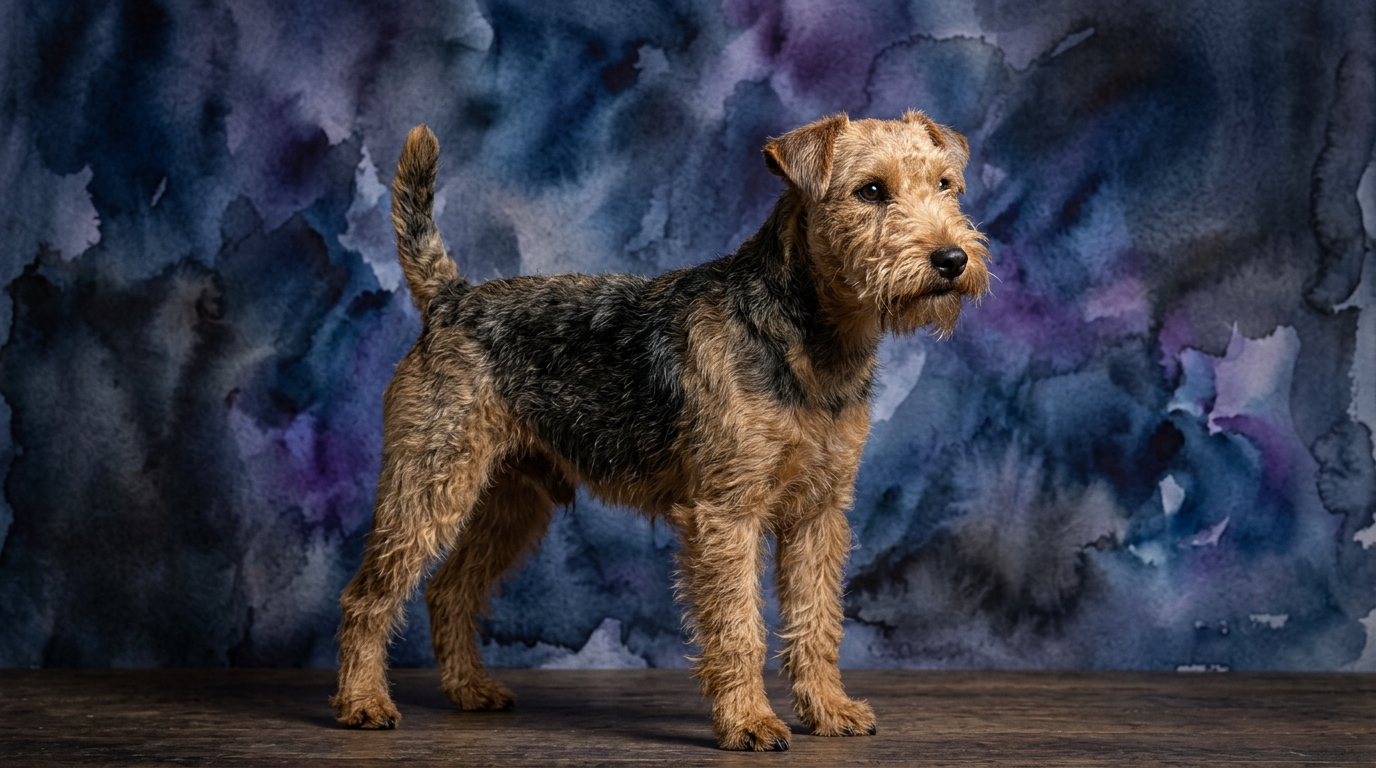
**Lakeland Terrier:** The Lakeland showcases a practical, persistent approach to challenges, a trait forged by its history of independently hunting foxes in the rugged Lake District fells. This isn't about complex abstract thought, but rather an effective, tenacious ability to navigate obstacles and strategize for a desired outcome, often involving physical manipulation of their environment. Lakeland Terriers possess a moderate training speed, absorbing commands and routines with consistent, engaging instruction. Their independent spirit means training requires patience and positive reinforcement, as they are capable of learning but also have strong opinions about applying that knowledge. Their social intelligence manifests as an acute awareness of their human family dynamics and a capacity for forming strong, loyal bonds. They understand social cues within their pack, though their terrier assertiveness means they might not always prioritize human directives over their own perceived needs or instincts. The Lakeland's instinctive drive is robust, reflecting its original purpose. This translates into a keen prey drive, a desire to dig, and a watchful nature, constantly scanning their surroundings. This drive isn't overwhelming but is a consistent undercurrent in their behavior. Lakelands exhibit a solid memory, retaining learned commands, routines, and experiences over time. This aids in their ability to navigate familiar environments and recall successful problem-solving strategies, contributing to their reliability once a behavior is established.
**Norwich Terrier:** The Norwich Terrier also demonstrates a 3/5 in problem-solving, often applying this to finding creative solutions within a home environment, like figuring out how to reach a treat or navigate household objects. Their small stature doesn't diminish their ingenuity, as they're adept at overcoming perceived barriers with determination. Similar to the Lakeland, Norwich Terriers learn at a moderate pace. They respond well to positive, reward-based training, thriving on consistency and clarity. Their desire for companionship can be a strong motivator, but their independent terrier nature means they require a firm yet gentle hand to guide their learning. Norwich Terriers excel in their social interactions, often described as highly attuned to their family's moods and routines. Their 3/5 social intelligence allows them to integrate smoothly into family life, offering comfort and companionship, and reading human emotional states with considerable accuracy. The Norwich's instinctive drive is palpable, rooted in its ratting heritage. This includes a strong prey drive for small critters, a propensity for digging, and an alert demeanor. While present, it tends to be manageable within a domestic setting with proper outlets. Norwich Terriers possess a good memory for commands, house rules, and the people they encounter. This helps them quickly adapt to new situations and remember both positive and negative experiences, making early socialization and consistent training crucial.
Where Lakeland Terrier Wins Cognitively
While both breeds share identical numerical scores across the board, the Lakeland Terrier's cognitive application often leans towards a more rugged, independent expression of its 3/5 capabilities. Its problem-solving, rated 3/5, might manifest with a slightly greater emphasis on physical tenacity and endurance, honed by its historical role traversing challenging, varied terrain in pursuit of quarry. When faced with an obstacle, a Lakeland's 3/5 instinctive drive, coupled with its problem-solving, might lead to a more persistent, physically demanding attempt to overcome it, perhaps digging deeper or navigating a more complex path to reach a goal. Their 3/5 memory also serves them well in recalling intricate routes and hunting strategies over expansive areas, making them particularly adept at tasks requiring sustained focus and navigation in larger, outdoor environments.
Where Norwich Terrier Wins Cognitively
The Norwich Terrier, though sharing the same 3/5 cognitive ratings, often demonstrates these abilities with a nuanced focus on domestic integration and social acuity. Its 3/5 social intelligence frequently translates into a particularly keen awareness of human emotional states and household routines, making them exceptionally responsive companions. This allows their problem-solving (3/5) to be applied to more intricate, human-centric challenges, such as figuring out how to gain attention or manipulate toys within a home setting. Their 3/5 instinctive drive, while present, often integrates more smoothly into family life, perhaps expressed through enthusiastic play or focused engagement with puzzle toys rather than solely outdoor pursuits. The Norwich's 3/5 training speed, combined with its strong desire for companionship, means it can be highly motivated to learn behaviors that strengthen its bond with its people, making it particularly receptive to training that emphasizes positive interaction and shared activity.
Which is Easier to Train and Why
Both the Lakeland Terrier and Norwich Terrier are rated 3/5 for training speed, indicating they are capable learners but require consistent, engaging methods. Neither breed is inherently "easy" in the way some highly biddable breeds might be, primarily due to their strong terrier instincts and independent nature. The "easier" of the two often comes down to individual personality and the owner's approach. The Norwich Terrier might be *perceived* as marginally easier to train for some owners due to its slightly more companionable disposition and strong desire to be part of the family unit. Its 3/5 social intelligence often means it is highly motivated by positive interaction and praise from its human companions, making it eager to please when the training is fun and rewarding. However, their 3/5 instinctive drive means they can still be easily distracted by small moving objects or interesting scents, requiring trainers to be consistent and patient. The Lakeland Terrier, with its slightly more robust build and history of independent work, might present a greater challenge for novice owners. Its 3/5 instinctive drive can be a powerful force, sometimes overriding a trained response if a more compelling "terrier job" presents itself. While equally capable of learning with its 3/5 training speed, the Lakeland often requires a more firm, confident, and experienced handler who understands how to channel their problem-solving (3/5) and drive into productive activities rather than allowing them to become self-employed. Both breeds benefit immensely from early socialization and consistent, positive reinforcement methods, with short, engaging sessions to maintain their interest.
Which Suits Active Owners vs Relaxed Owners
Given their terrier heritage and identical IQ scores, both the Lakeland and Norwich Terriers are best suited for active owners, though the *type* of activity might differ. Neither breed is ideal for truly "relaxed" or sedentary owners who prefer minimal engagement. The **Lakeland Terrier** thrives with owners who enjoy structured outdoor activities, such as hiking, long walks in varied terrain, or participation in dog sports like agility or earthdog trials. Their 3/5 instinctive drive and problem-solving (3/5) make them excellent partners for exploring and engaging with their environment. They require regular mental and physical stimulation to prevent boredom, which can lead to destructive behaviors. An owner who appreciates a dog with a robust, independent spirit and can provide consistent outlets for their energy and cognitive engagement will find a Lakeland a rewarding companion. The **Norwich Terrier**, while still active, might suit owners who prefer a slightly less intense pace, perhaps enjoying brisk daily walks, trips to the dog park, or engaging in indoor games and puzzle toys. Their 3/5 social intelligence makes them highly adaptable to family life, and they often enjoy being the center of attention during play sessions. They still possess a 3/5 instinctive drive and require regular exercise and mental challenges, but their smaller size and often more companionable nature mean their activity requirements can sometimes be met within a smaller footprint, making them suitable for active apartment dwellers or those with smaller yards, provided daily outings are guaranteed.
The Verdict
If you seek a robust companion for outdoor adventures and appreciate a tenacious, independent spirit that thrives on structured activity, the Lakeland Terrier, with its resilient application of its 3/5 cognitive abilities, is an excellent choice.
For those desiring a spirited, adaptable companion keenly attuned to family dynamics, yet still possessing a strong terrier drive, the Norwich Terrier, leveraging its 3/5 social intelligence within a more compact frame, will be a delightful addition.
🧠 Find Your Pet's IQ Score
Our Pet IQ Lab assessment covers 25+ tests across 5 cognitive dimensions — personalized to your breed.
Take the Full IQ Test →Frequently Asked Questions
Do Lakeland and Norwich Terriers get along with other pets?
Both breeds possess a 3/5 instinctive drive, which includes a prey drive for small animals. While they can coexist with other pets, especially if raised together from a young age, careful introductions and supervision are essential, particularly with smaller non-canine pets.
Are these terriers good with children?
Both the Lakeland and Norwich Terriers, with their 3/5 social intelligence, can be good with respectful children who understand how to interact with dogs. Early socialization is crucial, and supervision is always recommended to ensure positive interactions for both the dog and the child.
What kind of mental stimulation do these breeds need?
Given their 3/5 problem-solving and memory, both breeds benefit greatly from regular mental challenges such as puzzle toys, obedience training, scent work, or agility. Engaging their minds prevents boredom and channels their natural terrier curiosity and tenacity into productive outlets.