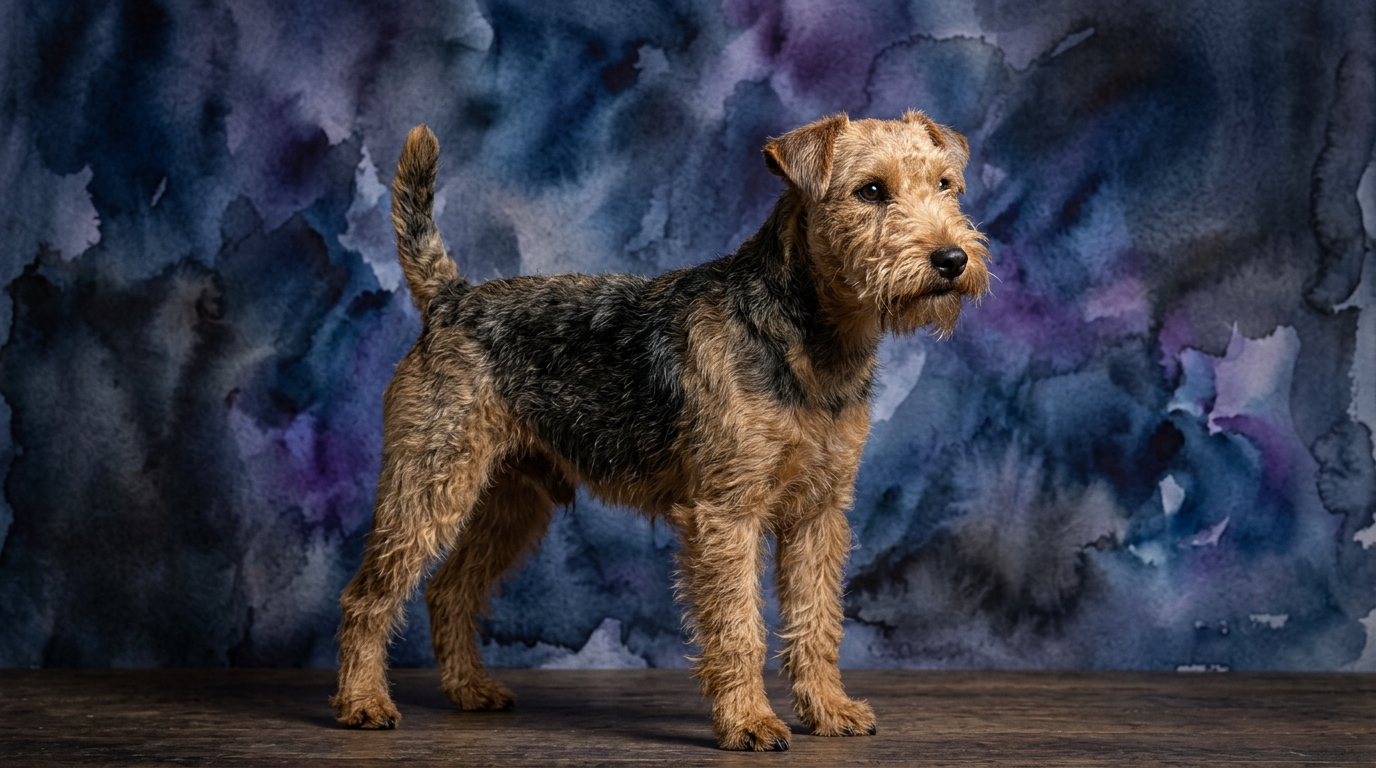

Side-by-Side IQ Profile: Unpacking Identical Scores
For the Lakeland Terrier, a 3/5 in problem-solving often manifests as determined persistence in tasks related to their terrier heritage. They may not devise complex multi-step solutions quickly, but their tenacity means they will experiment with various approaches to achieve a goal, such as finding a way around an obstacle in the yard or figuring out how to access a coveted toy. This isn't about rapid intellectual leaps but rather a pragmatic, trial-and-error approach fueled by drive. The Russian Toy, also scoring 3/5, typically applies this capacity to navigating their domestic environment and interacting with their human companions. They might learn through observation and repetition how to manipulate a specific toy to get a reward or how to subtly signal their needs to their owner. Their problem-solving is often more socially oriented, focused on achieving comfort or attention within their immediate family unit.
A 3/5 in training speed indicates that both breeds require consistent effort and patient repetition to master new commands or behaviors. Lakeland Terriers, with their independent and often spirited nature, can be responsive but also possess a strong will, sometimes requiring trainers to make lessons engaging and to overcome their natural inclination to follow their own instincts, particularly when external stimuli are present. Their learning curve is steady, but not lightning-fast, demanding clarity and motivation. Russian Toys, while eager to please their beloved owners, can also exhibit a moderate pace of learning. Their smaller size and potential for sensitivity mean that training methods must be gentle, positive, and consistent, avoiding harsh corrections that could make them withdraw. They learn best in short, frequent sessions that cater to their attention span and reinforce their desire for companionship.
Both breeds demonstrate a moderate ability to interpret human cues and adapt to social situations. For the Lakeland Terrier, this often means understanding household routines and responding to the general mood of their family, but they might not be finely attuned to subtle emotional nuances, preferring clear, direct communication. They can be sociable but often maintain a degree of independent spirit in their interactions. The Russian Toy's 3/5 in social intelligence often shines in their close bonds with their primary caregivers. They can pick up on changes in tone of voice or body language, adjusting their behavior to seek comfort or offer affection. While not always possessing the broad social acumen of some highly intuitive breeds, they are adept at navigating the social landscape of their immediate family, often forming very strong, empathetic connections.
A 3/5 in instinctive drive means both breeds possess a noticeable, but manageable, level of innate behavioral patterns. The Lakeland Terrier's drive is unmistakably rooted in its working heritage: a moderate but persistent urge to chase, dig, and explore, often triggered by small, fast-moving objects or interesting scents. This drive is a core part of their identity and needs appropriate outlets to prevent boredom or destructive behaviors. The Russian Toy's instinctive drive, while less physically demanding, is often expressed through alertness, a desire to "guard" their home or family with sharp barks, and a strong propensity for seeking warmth and comfort. They retain a moderate prey drive for small toys or insects but are more driven by companionship and security than by sustained hunting tasks.
Both breeds, with a 3/5 in memory, demonstrate a solid capacity to recall learned commands, routines, and experiences. A Lakeland Terrier will remember where they last buried a favorite toy, the layout of their favorite walking paths, or the sequence of events leading up to a car ride. Their memory serves their practical, active lifestyle, helping them navigate their environment and recall successful strategies for obtaining desired outcomes. The Russian Toy also exhibits good memory, often remembering their owner's schedule, the location of their preferred sleeping spots, or the specific cues associated with treats and playtime. Their memory is often tied to their social routines and comfort, enabling them to anticipate interactions and maintain the structure of their domestic life.
Where the Lakeland Terrier Wins Cognitively
The Lakeland Terrier's cognitive strengths are deeply intertwined with its working-class roots. Its 3/5 problem-solving, when paired with its moderate instinctive drive, translates into an impressive tenacity for focused tasks. For instance, a Lakeland might demonstrate superior perseverance in figuring out how to retrieve a toy from a tight space, methodically trying different angles or digging strategies until successful. This isn't about speed of insight, but rather a robust, unwavering commitment to a goal once set, making them effective partners for owners who enjoy engaging in structured activities like earthdog trials or agility where determination is key. Their memory, also a 3/5, serves this persistence by allowing them to recall past successes and apply learned approaches to new, similar challenges, building a repertoire of problem-solving techniques for physical endeavors.
Where the Russian Toy Wins Cognitively
The Russian Toy, while sharing identical scores, excels in a different cognitive domain, particularly within its social and domestic context. Its 3/5 social intelligence, combined with its memory, allows for a nuanced understanding of its immediate family's emotional landscape. A Russian Toy might quickly learn to recognize subtle shifts in an owner's mood, adapting its behavior to offer comfort or solicit attention with remarkable accuracy. This goes beyond simple command-response; it involves a sophisticated reading of the human-canine bond, allowing them to anticipate needs and forge incredibly deep, empathetic connections. Their memory (3/5) plays a crucial role here, enabling them to recall specific interactions and emotional cues, building a rich mental map of their human's preferences and reactions, which is a specific strength in a companion animal focused on close interaction.
Training Dynamics: Which is Easier and Why?
Both breeds score a 3/5 in training speed, suggesting neither is inherently "easy" nor exceptionally difficult, but their behavioral differences dictate distinct training approaches. The Lakeland Terrier's independent spirit and moderate instinctive drive mean training often requires patience, clear boundaries, and highly engaging methods to capture their attention and channel their natural urges. They are prone to following interesting scents or sights over commands, making recall a particular challenge without consistent, high-value reinforcement. Training a Lakeland often feels like a partnership where the dog contributes its own strong will, demanding a trainer who can be both firm and fair. In contrast, the Russian Toy's training, while also requiring consistency, tends to be more about managing their sensitivity and potential for short attention spans. They respond exceptionally well to positive reinforcement and gentle handling, thriving on praise and treats. While they can be quick to pick up on routines due to their social intelligence, their small size sometimes leads owners to overlook thorough training, which can result in "small dog syndrome" behaviors like excessive barking or fear-based reactivity. Thus, while both demand dedication, the Russian Toy may be perceived as easier to train in a quiet domestic setting due to less physical resistance and a strong desire to please, provided the methods are consistently positive and gentle. The Lakeland, conversely, requires a more robust, patient, and stimulating approach to harness its inherent drive and independence.
Matching Breeds to Lifestyles: Active vs. Relaxed Owners
The Lakeland Terrier is a clear fit for active owners who enjoy outdoor adventures and appreciate a dog with stamina and a zest for life. Their moderate instinctive drive and problem-solving skills mean they thrive on activities like hiking, long walks, agility, or earthdog sports where they can channel their natural tendencies to explore, chase, and dig. An owner who can provide consistent mental and physical stimulation will find the Lakeland an engaging and resilient companion. Without sufficient outlets, their problem-solving might turn to destructive behaviors out of boredom. The Russian Toy, on the other hand, is remarkably adaptable and can suit both moderately active and more relaxed owners, though they are not couch potatoes. While they enjoy short walks and playtime, their smaller size and preference for companionship mean they are equally content with indoor games and cuddling on the sofa. They are excellent apartment dwellers and thrive in environments where they receive ample human interaction. Their social intelligence means they are often happiest when close to their people, making them ideal for individuals or families seeking a devoted, portable companion who can adapt to various daily routines without demanding extensive physical exertion.
The Verdict
Opt for the Lakeland Terrier if you are an active individual or family seeking a tenacious, spirited companion for outdoor adventures and structured activities, appreciating a dog with a strong, independent streak and a pragmatic approach to overcoming challenges.
Select the Russian Toy if you desire a devoted, sensitive, and adaptable companion who thrives on close human interaction within a domestic setting, perfect for those who enjoy a smaller, affectionate dog easily integrated into various lifestyles.
🧠 Find Your Pet's IQ Score
Our Pet IQ Lab assessment covers 25+ tests across 5 cognitive dimensions — personalized to your breed.
Take the Full IQ Test →Frequently Asked Questions
Are Lakeland Terriers prone to stubbornness during training?
Lakeland Terriers, with their moderate training speed and independent spirit, can certainly exhibit a degree of stubbornness, especially if they perceive a task as uninteresting or if their strong instinctive drives are otherwise engaged. Consistent, positive reinforcement and making training fun and rewarding are key to success, helping to channel their determination effectively.
How much exercise does a Russian Toy typically require daily?
A Russian Toy generally requires moderate daily exercise, typically satisfied with a couple of short walks (15-20 minutes each) and engaging playtime indoors. While they are not high-energy dogs, regular physical activity and mental stimulation are important to keep them healthy and happy, preventing boredom and promoting their well-being.
Can Russian Toys serve as effective watchdogs despite their small size?
Yes, Russian Toys can be surprisingly effective watchdogs due to their alertness and moderate instinctive drive to "guard" their territory and family. They are quick to notice strangers or unusual sounds and will typically alert their owners with sharp, insistent barking, making them excellent little alarm systems for the home.