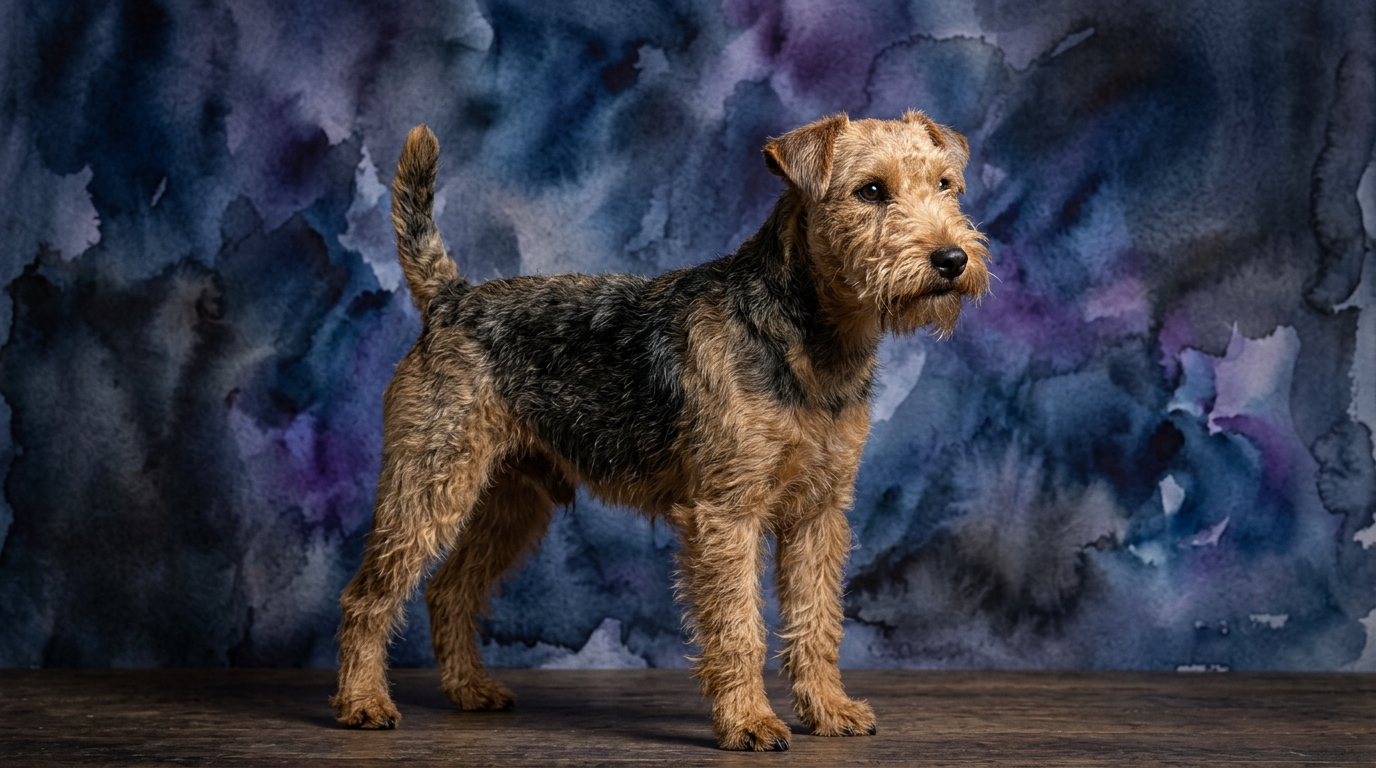
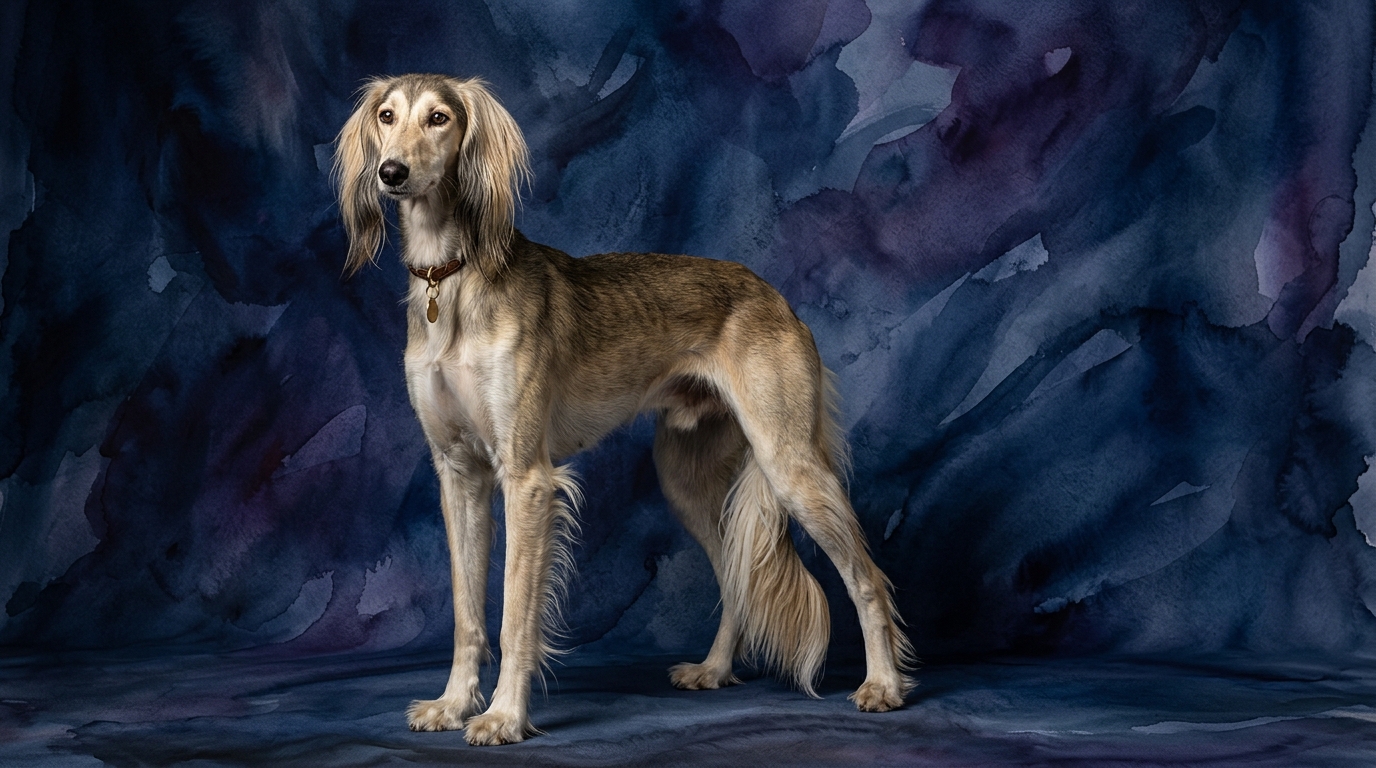
Side-by-Side IQ Profile: Identical Scores, Distinct Expressions
Both the Lakeland Terrier and the Saluki register a balanced 3 out of 5 across all five cognitive dimensions in our Pet IQ Lab assessment. While the numerical scores are identical, the practical application and manifestation of these traits are profoundly shaped by their breed heritage as a tenacious Terrier and an ancient Sighthound, respectively. Understanding these nuances is key to appreciating their individual brilliance.
For Problem Solving, both breeds score a 3/5. A Lakeland Terrier often approaches challenges with a characteristic terrier tenacity and investigative curiosity, attempting various solutions with persistent digging or prodding. Their problem-solving might involve figuring out how to access a forbidden area or retrieve a hidden toy, driven by a desire for engagement. A Saluki, on the other hand, might exhibit its 3/5 problem-solving through strategic tracking of elusive prey or navigating complex open terrains with an innate understanding of physics and momentum during a chase. Their solutions are often more independent and less reliant on handler input, focusing on efficient outcomes.
Training Speed for both stands at 3/5. Lakeland Terriers can grasp new commands and routines moderately quickly, especially when motivated by play, food, or the desire to participate. However, their independent and sometimes stubborn terrier nature means they might choose whether or not to comply based on their own assessment of the task's value. Salukis also learn at a moderate pace, but their deep-seated independence means they process commands differently. They can learn complex sequences but might not always see the immediate value in performing them repeatedly, often requiring patient, positive reinforcement and a strong bond to encourage consistent execution.
Social Intelligence is also a 3/5 for both. Lakeland Terriers display a moderate understanding of social cues, often forming strong bonds with their primary human family and being quite attuned to household dynamics. They can be reserved with strangers but typically learn to accept new acquaintances with proper introductions, observing social hierarchies within their pack. Salukis, while certainly not lacking in social understanding, often express their 3/5 social intelligence through a more reserved and dignified demeanor. They observe interactions keenly, understanding social structures but often choosing to interact on their own terms, preferring quiet companionship over boisterous engagement, and showing subtle cues of affection.
Instinctive Drive is rated 3/5 for both breeds, yet this is where their core differences shine. The Lakeland Terrier's drive is rooted in its historical role as a small game hunter, manifesting as a strong urge to dig, chase small scurrying animals, and investigate interesting scents with focused determination. This drive is often expressed through bursts of energetic pursuit and an unwavering focus on their objective. The Saluki's 3/5 instinctive drive is an ancient sighthound's powerful urge to pursue anything that moves at speed, covering vast distances with incredible grace and stamina. Their drive is less about digging and more about the thrill of the chase, triggered by visual stimuli and resulting in explosive, high-speed sprints, showcasing an unparalleled focus on their quarry.
Finally, Memory is a 3/5 for both breeds. Lakeland Terriers demonstrate a solid ability to recall commands, routines, and experiences, often remembering past training sessions or the location of favorite toys. Their memory contributes to their consistency in learned behaviors, though their independent streak can sometimes override compliance. Salukis also possess a moderate memory, capable of remembering complex routes, specific individuals, and established household rules. Their memory is often linked to their understanding of their environment and social hierarchy, allowing them to navigate familiar territories and interactions with quiet confidence.
Where Lakeland Terrier Wins Cognitively
Despite identical scores, the Lakeland Terrier's cognitive strengths often manifest in scenarios requiring adaptability and direct engagement. Their problem-solving, while a 3/5, is typically more handler-oriented, meaning they are often keen to 'work with' their human to achieve a goal, even if it's just getting a treat out of a puzzle toy. This collaborative spirit, combined with their tenacity, makes their 3/5 problem-solving appear more versatile in a domestic setting. They excel at tasks that require a quick read of human intentions and a willingness to try multiple approaches, making them adept at varied obedience or agility challenges. Their moderate social intelligence, paired with their lively personality, allows them to be more overtly expressive and responsive to direct human interaction, often signaling their understanding through clear body language and vocalizations. This can make them feel more 'connected' and easier to read for many owners, fostering a strong communicative bond.
Where Saluki Wins Cognitively
The Saluki's unique cognitive advantages lie in their profound independence and specialized sensory processing. Their 3/5 problem-solving is often applied to complex environmental navigation, utilizing their keen eyesight and spatial awareness to make swift, autonomous decisions during high-speed pursuits or explorations. This means they are particularly adept at understanding and reacting to their physical surroundings without constant human direction, a testament to their sighthound heritage. Their instinctive drive, also a 3/5, is a masterpiece of specialized cognition; it's not just about chasing, but about the intricate mental calculations involved in predicting prey movement, conserving energy, and executing precise maneuvers at speed. This makes them exceptional at tasks requiring independent thought and quick, visually-driven responses, such as lure coursing. Their moderate social intelligence, while reserved, suggests a deep, subtle understanding of their chosen companions, often expressed through quiet loyalty and an almost ethereal presence, indicating a nuanced internal world.
Which is Easier to Train and Why
When considering ease of training, even with identical 3/5 training speed scores, the Lakeland Terrier generally presents a more straightforward experience for the average owner. This is largely due to their terrier temperament; they are often more eager to please their human and are highly motivated by interaction, play, and food rewards. While they possess a stubborn streak, their desire to be involved and their generally outgoing nature make them more amenable to traditional training methods and positive reinforcement. Their 3/5 social intelligence often translates into a keen awareness of their handler's expectations, prompting them to engage more readily in structured lessons. They thrive on consistency and clear communication, and their moderate problem-solving often means they enjoy the challenge of learning new tasks, even if it takes a few repetitions to solidify the behavior.
The Saluki, conversely, can be perceived as more challenging to train, not because of a lack of cognitive capacity, but due to their profound independence and sighthound nature. Their 3/5 training speed is coupled with a discerning personality; they learn at their own pace and often require a compelling reason to perform a task. They are less driven by a desire to please and more by their own intrinsic motivations or the perceived value of the reward. Their moderate social intelligence means they understand commands, but their independent spirit often leads them to question the necessity of repeated actions, especially if they deem them pointless. Training a Saluki requires immense patience, creative motivation, and a deep respect for their unique personality. Owners must build a strong, trusting relationship and make training sessions engaging and rewarding on the Saluki's terms, rather than expecting rote compliance. While capable of learning complex commands, their execution is often less about immediate obedience and more about a thoughtful, sometimes delayed, response.
Which Suits Active Owners vs. Relaxed Owners
For active owners seeking a dynamic companion, the Lakeland Terrier is often an excellent fit. Their moderate instinctive drive means they require consistent mental and physical stimulation, thriving on regular walks, engaging play sessions, and opportunities for exploration. They are typically up for any adventure, from hiking to agility, and their problem-solving nature means they enjoy challenging puzzle toys and learning new tricks. They are active participants in family life and need an owner who can provide consistent engagement and varied activities to keep their curious minds and energetic bodies satisfied. A relaxed owner might find the Lakeland's persistent need for activity and interaction overwhelming, potentially leading to boredom-induced behaviors if not adequately stimulated.
The Saluki, while possessing a powerful 3/5 instinctive drive for bursts of speed, often surprises owners with their calm and relaxed demeanor indoors. They are built for explosive sprints, requiring opportunities to run freely and safely in a secure area to satisfy their sighthound instincts. However, once their exercise needs are met, they are typically quiet, graceful, and content to lounge, often preferring a soft couch or a sunny spot. This makes them surprisingly suitable for owners who appreciate an active dog outdoors but desire a serene companion indoors. A relaxed owner who can provide dedicated, high-intensity exercise sessions, followed by plenty of quiet downtime, will find a Saluki to be a wonderfully elegant and relatively low-key housemate. However, owners who cannot provide the necessary outlets for their intense running drive will find the Saluki restless and potentially destructive, despite their calm indoor reputation.
The Verdict: Choosing Your Canine Companion
The Verdict
Choose the Lakeland Terrier if you seek an engaged, tenacious companion who enjoys working alongside you, thrives on varied activities, and offers a more overt, responsive interaction style. They are a great match for active families or individuals who appreciate a dog with a spirited personality and a desire to be involved in daily life.
Opt for the Saluki if you admire independent thought, appreciate a dignified and reserved companion, and can provide dedicated opportunities for high-speed exercise balanced with abundant indoor tranquility. They are ideal for owners who respect a dog's autonomy and find beauty in their quiet, elegant presence.
🧠 Find Your Pet's IQ Score
Our Pet IQ Lab assessment covers 25+ tests across 5 cognitive dimensions — personalized to your breed.
Take the Full IQ Test →Frequently Asked Questions
Do Lakeland Terriers and Salukis learn at the same pace?
While both breeds have a 3/5 training speed, their motivations differ; Lakeland Terriers often learn more readily with traditional, engaging methods, whereas Salukis require a more nuanced approach respecting their independent nature. This means their perceived learning pace can vary significantly based on the handler's style and the dog's individual personality.
Which breed is better for a first-time dog owner?
A Lakeland Terrier might be a more manageable choice for a first-time owner due to their generally more eager-to-please temperament and responsiveness to conventional training. Salukis, with their profound independence and specific exercise needs, often benefit from an experienced owner who understands sighthound traits and can patiently work with their unique motivations.
How do their instinctive drives impact daily life?
The Lakeland Terrier's 3/5 instinctive drive manifests as a strong urge to dig and chase small animals, requiring secure fencing and vigilance during walks to prevent escapes. The Saluki's 3/5 drive is for high-speed pursuit, necessitating securely fenced areas for running and a leash in unfenced spaces, as they can quickly disappear in pursuit of visual stimuli.