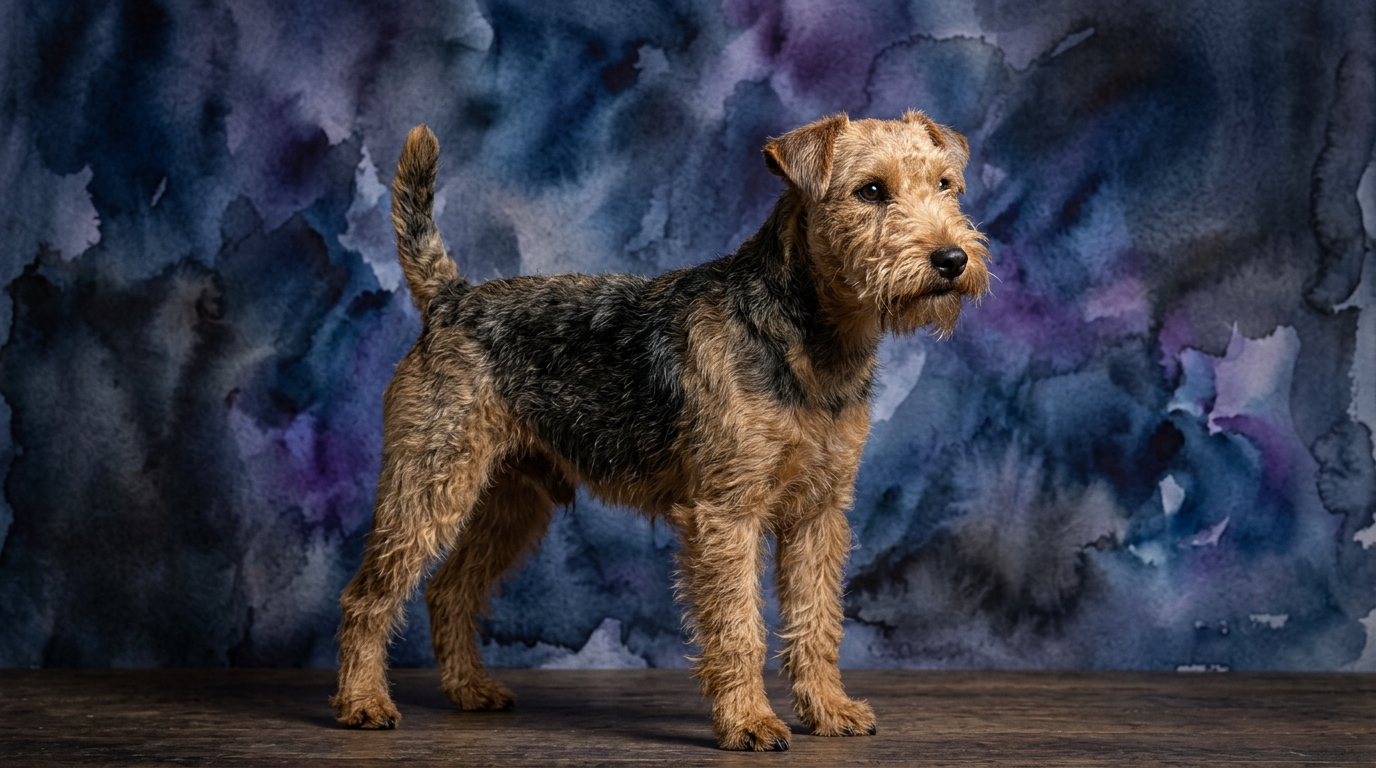
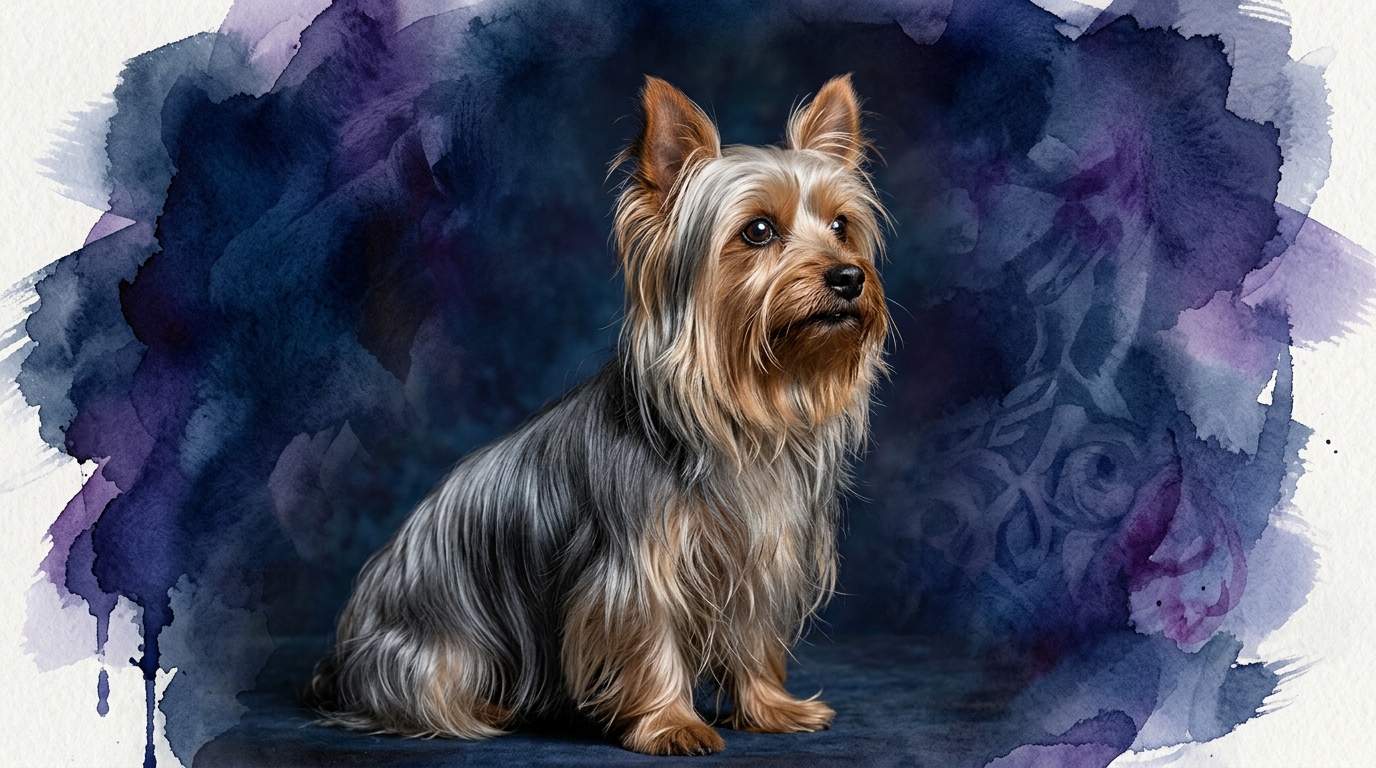
Side-by-Side IQ Profile: Understanding the 3/5 Score
While both the Lakeland Terrier and the Silky Terrier register a consistent 3 out of 5 across all five cognitive dimensions in The Cosmic Pet Pet IQ Lab, this numerical parity doesn't imply identical mental processes; rather, it suggests a comparable baseline of capability expressed through their breed-specific lenses. A 3/5 score indicates a solid, functional level of cognitive ability, signifying dogs that are capable learners and adaptable, yet might require consistent engagement to reach their full potential or to manage their inherent drives.
For Problem Solving (3/5), the Lakeland, a working terrier, applies its intellect to practical challenges like navigating complex terrain, outmaneuvering quarry, or finding hidden objects in a field environment. Its solutions are often rooted in independent thought and tenacity. The Silky, while a toy breed, still exhibits this terrier ingenuity, often directing its problem-solving prowess towards domestic puzzles, such as figuring out how to open a cupboard, retrieve a favorite toy from a tight spot, or strategically position itself for maximum human attention. Both breeds are resourceful, but their motivations and environments shape the problems they prioritize.
In Training Speed (3/5), both breeds demonstrate a moderate learning pace, meaning they can grasp new commands and routines effectively with clear, consistent instruction. The Lakeland's independent streak, characteristic of its terrier lineage, means it might learn quickly but choose to comply only when sufficiently motivated, often requiring patience and positive reinforcement to overcome its self-directed nature. The Silky, often more eager to please its human companions, can appear to learn rapidly, yet its own terrier stubbornness can emerge if it perceives a task as unrewarding or tedious, indicating that while quick to understand, consistent execution might vary.
Social Intelligence (3/5) in the Lakeland Terrier is often expressed through its ability to understand human cues within a structured environment, discerning intent and responding appropriately in a working or competitive context, though it can be reserved with strangers. Its social acumen is more about functional cooperation than effusive friendliness. The Silky Terrier, bred for companionship, exhibits its social intelligence by being highly attuned to household dynamics, reading human emotions, and adapting its behavior to seek interaction and comfort, often forming strong bonds and demonstrating a keen awareness of routines and family members' moods.
Instinctive Drive (3/5) is a defining characteristic for both. The Lakeland's drive is deeply rooted in its heritage as a vermin hunter, manifesting as a strong prey drive, a desire to dig, and a vigilant alertness to its surroundings, often accompanied by a robust bark. This drive is powerful and requires appropriate outlets. The Silky, despite its smaller stature and companion role, retains a significant terrier drive; it might chase small animals, enthusiastically 'hunt' toys, or vocally alert its owners to perceived intruders. While often channeled into play, this inherent instinct is still potent and shapes many of its behaviors.
Finally, Memory (3/5) allows both breeds to retain learned commands, routines, and past experiences with a reasonable degree of accuracy. The Lakeland remembers the layout of its territory, past training sessions, and the locations of interesting scents, which aids its independent exploration. The Silky likewise remembers household rules, where treats are stored, and the preferences of its human family, using this recall to navigate its domestic world and reinforce its desired behaviors. Both demonstrate a functional memory vital for their respective roles.
Where Lakeland Terrier Wins Cognitively
The Lakeland Terrier truly shines in its application of problem-solving and instinctive drive within challenging, unstructured environments. Its 3/5 Problem Solving score, when combined with its working heritage, indicates a breed adept at independent decision-making under pressure, such as navigating complex outdoor terrain or strategizing how to flush out a burrowed animal. This isn't just about figuring things out, but about doing so with a tenacious spirit that allows it to persevere through obstacles where a less driven dog might give up. Its cognitive strength lies in its ability to assess dynamic situations and act decisively, often without direct human instruction, relying on its own judgment and sharp senses. This self-reliance, a hallmark of its breed, means it excels when given a task that requires a blend of physical prowess and mental grit, making it particularly effective in activities like earthdog trials or advanced scent work where independent initiative is rewarded.
Where Silky Terrier Wins Cognitively
The Silky Terrier, while sharing many terrier traits, often demonstrates a nuanced edge in applying its social intelligence (3/5) within a domestic context, making it particularly adept at integrating seamlessly into diverse family structures. Its cognitive strength lies in its profound sensitivity to human emotional states and household routines, allowing it to adapt its behavior to maintain harmony and maximize interaction. Unlike the more reserved Lakeland, the Silky’s social acumen often translates into an intuitive understanding of its owner's moods and preferences, enabling it to offer comfort or solicit play at opportune moments. This breed's memory (3/5) also plays a crucial role here, as it quickly learns which family members are more amenable to its charms, where the best cuddle spots are, and the precise timing of meal or walk schedules, using this knowledge to navigate its social world with considerable finesse and charm. Its ability to 'work the room' is a testament to its refined social and recall skills.
Which is Easier to Train and Why
Despite both breeds scoring 3/5 in Training Speed, the Silky Terrier often presents as marginally easier to train for the average companion owner due to behavioral differences rooted in their primary historical functions. The Silky, while retaining terrier tenacity, was primarily developed as a companion, fostering a greater inherent desire to engage with and please its human family. This companion-oriented disposition means a Silky is generally more motivated by praise, attention, and the opportunity for shared activity, making it more responsive to positive reinforcement techniques and less likely to challenge commands purely out of independent will. Its social intelligence often makes it keen to understand what its owner desires.
The Lakeland Terrier, conversely, was bred for independent work, requiring it to make decisions autonomously and possess a strong, self-directed drive. While capable of learning at a similar pace, its training often demands a more experienced handler who understands how to channel its formidable instinctive drive (3/5) and persistent nature. A Lakeland might learn a command quickly but then weigh whether complying with it is more rewarding than pursuing its own agenda, such as investigating an interesting scent or digging. Therefore, while both require consistency, the Silky's inherent inclination towards social engagement often makes the training process feel more cooperative and less like a battle of wills for a novice owner, whereas the Lakeland demands a firm, fair, and highly motivating approach to truly harness its cognitive capabilities.
Which Suits Active Owners vs. Relaxed Owners
For active owners seeking a canine partner for adventures and structured activities, the Lakeland Terrier is often the more fitting choice. Its robust instinctive drive (3/5) and problem-solving capabilities (3/5) thrive on consistent mental and physical challenges, making it an excellent companion for hiking, agility, earthdog trials, or extended play sessions. This breed needs an outlet for its energy and intelligence; owners who enjoy training and providing varied enrichment will find a highly engaged and capable partner. A Lakeland can become restless and destructive if its cognitive and physical needs are not adequately met, underscoring its requirement for an owner who actively participates in its daily stimulation.
Conversely, the Silky Terrier, while still possessing a terrier's zest, is generally better suited for owners who prefer a more relaxed yet still interactive lifestyle. Its strong social intelligence (3/5) means it thrives on companionship and being an integral part of family life, often content with moderate daily walks, indoor play, and plenty of lap time. While it enjoys activity, its needs are typically less demanding than the Lakeland's, making it suitable for apartment living or homes with smaller yards, provided its desire for human interaction is consistently fulfilled. A Silky's cognitive strengths lean towards being a vigilant, affectionate, and adaptable housemate rather than an endurance athlete, fitting well with owners who prioritize close bonding and domestic harmony over strenuous outdoor pursuits.
The Verdict
Choose the Lakeland Terrier if you are an active, experienced owner ready to engage a tenacious, independent thinker with a strong working drive in varied physical and mental challenges.
Opt for the Silky Terrier if you desire a highly social, adaptable companion capable of charming its way into your daily routines, thriving on moderate activity and consistent human interaction.
🧠 Find Your Pet's IQ Score
Our Pet IQ Lab assessment covers 25+ tests across 5 cognitive dimensions — personalized to your breed.
Take the Full IQ Test →Frequently Asked Questions
Do Lakeland Terriers and Silky Terriers have similar temperaments due to their shared terrier IQ scores?
While both breeds score 3/5 across the IQ dimensions, their temperaments differ significantly due to their distinct histories. Lakeland Terriers are generally more independent and robust, reflecting their working heritage, while Silky Terriers are typically more companion-oriented and adaptable to domestic life, even with their underlying terrier spirit.
Which breed is better for a first-time dog owner concerning their cognitive profiles?
For a first-time owner, the Silky Terrier might be marginally easier, as its companion-driven social intelligence often makes it more responsive to training and eager to please. The Lakeland's independent nature and strong instinctive drives, while manageable, generally benefit from an owner with some prior experience in channeling terrier tenacity.
How do the instinctive drives of these two breeds manifest differently in a home environment?
The Lakeland's instinctive drive often manifests as a strong urge to dig, bark at perceived threats, and pursue small animals outdoors, requiring secure containment and outlets for these behaviors. The Silky's drive, while present, is often channeled into enthusiastic play with toys, vigilant 'watchdog' barking at the doorbell, and a keen interest in household 'pests' like dust bunnies, making it more adaptable to indoor life.