
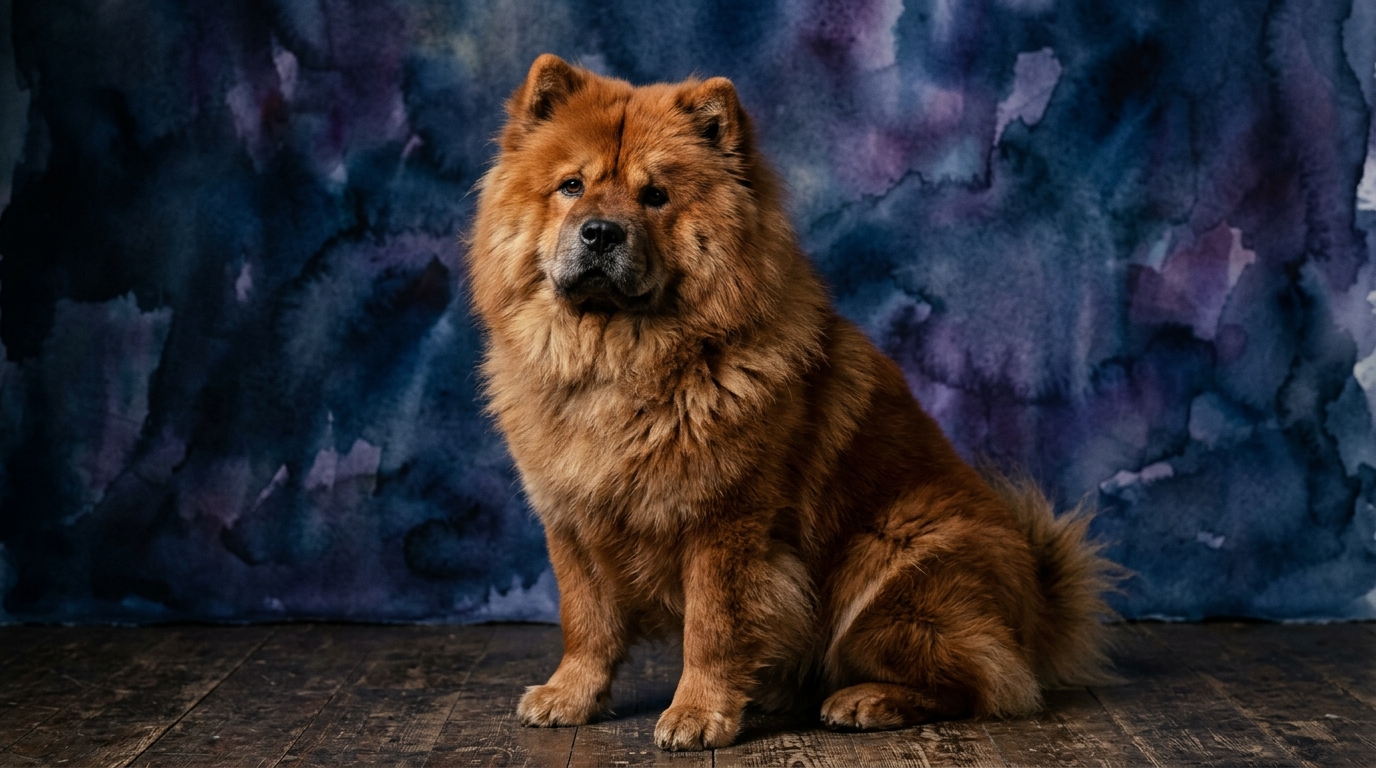
Side-by-Side IQ Profile: Leonberger vs. Chow Chow
At The Cosmic Pet Pet IQ Lab, we assess canine intelligence across five key dimensions. For both the Leonberger and the Chow Chow, all five dimensions register a score of 3/5, indicating a moderate yet capable cognitive aptitude. However, how these scores manifest in their daily lives and interactions varies considerably due to their foundational breed characteristics.
For the Leonberger, a 3/5 in Problem Solving typically translates to an ability to navigate moderately complex tasks, especially when these tasks involve cooperation with their human companions. They can figure out how to open gates or retrieve objects when motivated by a desire to please or a clear reward. Their Training Speed at 3/5 means they learn new commands and routines consistently, absorbing information at a steady pace rather than through rapid bursts of understanding, requiring patience and positive reinforcement for lasting retention. Social Intelligence, also at 3/5, reflects their natural inclination to read human emotions and intentions, fostering strong bonds with their family and adapting well to new, friendly faces, though they might show initial reserve. Their Instinctive Drive, a 3/5, is often channeled into their protective instincts, a desire to guard their family, and an enjoyment of activities that simulate their working heritage, such as carting or tracking. Lastly, their Memory at 3/5 suggests they retain learned behaviors, routines, and experiences reliably over time, remembering commands and house rules with consistent reinforcement.
The Chow Chow, despite identical numerical scores, expresses these capabilities through a different lens. A 3/5 in Problem Solving for a Chow Chow often manifests as independent resourcefulness; they might figure out how to achieve their goals (e.g., getting to a preferred napping spot) without direct human instruction, relying on their own judgment rather than seeking human input. Their Training Speed, also 3/5, indicates they can understand commands quickly, but their compliance is often discretionary. They learn at a moderate pace, but their independent nature means they might choose whether or not to perform a known action based on their current motivation. Social Intelligence at 3/5 means they are acutely observant of their environment and the intentions of strangers, but their interactions are selective and reserved. They form deep, singular bonds but are not overtly gregarious, preferring to keep their circle small. Their Instinctive Drive, a 3/5, is largely rooted in their ancient guarding heritage, manifesting as strong territoriality and a discerning watchfulness, rather than a strong drive for collaborative work. Finally, their Memory at 3/5 ensures they remember individuals, experiences, and routines, but like their training speed, their recall of commands might be influenced by their independent will.
Where the Leonberger Wins Cognitively
The Leonberger's cognitive strengths lie in their cooperative nature and their application of problem-solving within a collaborative framework. While both breeds score 3/5 in problem-solving, the Leonberger's inherent desire to work alongside humans means they are more likely to engage with and persist in tasks that benefit the family unit. Their social intelligence, though numerically similar, translates into a greater willingness to adapt to varied social situations and to interpret a broader range of human cues, making them more adaptable in dynamic family environments. This cooperative spirit makes their moderately capable memory and training speed more consistently accessible to owners, as they are generally eager to utilize their mental faculties in partnership with their people, whether it's learning a new trick or assisting with household tasks. Their instinctive drive to be a benevolent guardian is coupled with an openness to instruction, allowing their cognitive abilities to be directed more readily by human guidance.
Where the Chow Chow Wins Cognitively
The Chow Chow's cognitive advantages are rooted in their profound independence and discerning judgment. Their 3/5 problem-solving manifests as self-reliance; they are adept at making decisions and finding solutions that suit their own preferences without needing constant human direction, a trait valuable for a dog historically expected to be self-sufficient. Their social intelligence, while reserved, involves a keen ability to assess character and intent, making them exceptionally astute judges of strangers and ensuring their loyalty is deeply earned and fiercely protected. This discernment, coupled with their moderate memory, allows them to form lasting impressions and make calculated choices about who to trust and how to react, providing a unique form of cognitive strength. Their instinctive drive is profoundly tied to their territorial nature, meaning their cognitive efforts are often focused on observation and protection, making them exceptionally vigilant and unwavering in their duties, even if those duties are self-appointed.
Which is Easier to Train and Why
When it comes to ease of training, the Leonberger generally presents a more straightforward experience for owners. Although both breeds score 3/5 in training speed, the Leonberger's inherent desire to please and work cooperatively with their human companions significantly impacts their trainability. They respond well to positive reinforcement and consistent methods, understanding that compliance leads to rewards and strengthens their bond with their family. Their social intelligence makes them attuned to their owner's moods and expectations, often motivating them to perform tasks to gain approval. This willingness to engage and inherent biddability means that while they learn at a moderate pace, their learning is consistent and reliable.
The Chow Chow, conversely, presents a greater challenge due to their independent and sometimes stubborn nature. While they possess a 3/5 training speed, meaning they understand commands, their willingness to execute them is often conditional. A Chow Chow might comprehend a command perfectly but choose not to obey if they don't see the immediate benefit or are not sufficiently motivated. Their social intelligence dictates that they are loyal to their chosen few, but not necessarily eager to please in the way a Leonberger is. Training a Chow Chow requires immense patience, consistency, and a deep understanding of their unique motivations, often relying on their discerning nature to make them *want* to comply, rather than simply expecting obedience. They are not unintelligent, but their compliance is a matter of choice, not an automatic response to instruction.
Which Suits Active Owners vs. Relaxed Owners
For active owners, the Leonberger is often the more suitable companion. Their working group heritage means they thrive on regular physical activity and mental engagement. They enjoy being an integral part of family outings, whether it's hiking, swimming, or participating in dog sports like obedience or carting. Their cooperative problem-solving and social intelligence make them eager participants in structured activities, needing an owner who can consistently provide both physical exercise and mental stimulation to prevent boredom and channel their moderate instinctive drives productively. A relaxed owner who cannot commit to these daily engagements might find a Leonberger becoming restless or developing undesirable behaviors.
The Chow Chow, while not entirely sedentary, often suits a more relaxed owner, provided that owner is still mentally engaging and consistent. They do not require the same level of intense physical exercise as a Leonberger, often content with moderate daily walks and time spent observing their surroundings. However, 'relaxed' does not mean 'hands-off.' Their independent problem-solving and discerning social intelligence demand an owner who respects their boundaries, understands their unique motivations, and provides consistent, calm leadership. They require thoughtful socialization and mental engagement to prevent them from becoming overly aloof or territorial. An owner who enjoys a dog with a dignified presence and is comfortable with a less overtly affectionate and more independent companion will find a Chow Chow a rewarding match.
The Verdict
Choose the Leonberger if you seek a cooperative, family-oriented companion eager to engage in joint activities and respond consistently to training, valuing a dog that applies its cognitive abilities in partnership.
Opt for the Chow Chow if you appreciate an independent, discerning companion who offers profound loyalty on its own terms, thriving with an owner who respects its self-reliant problem-solving and dignified nature.
🧠 Find Your Pet's IQ Score
Our Pet IQ Lab assessment covers 25+ tests across 5 cognitive dimensions — personalized to your breed.
Take the Full IQ Test →Frequently Asked Questions
Do Leonbergers make good family dogs?
Yes, Leonbergers are typically excellent family dogs due to their high social intelligence (3/5) and desire to be part of the family. They are gentle, patient, and protective, forming strong bonds with children and other pets, provided they receive proper socialization and training from a young age.
Are Chow Chows difficult to train?
While Chow Chows have a 3/5 training speed, their independent nature can make them challenging. They understand commands but often choose whether to obey, requiring consistent, patient, and highly motivating training methods from an owner who understands their unique temperament.
Which breed requires more grooming?
Both the Leonberger and Chow Chow possess thick double coats that require significant grooming. Regular brushing, several times a week, is essential for both to prevent matting and manage shedding, especially during seasonal coat blows.