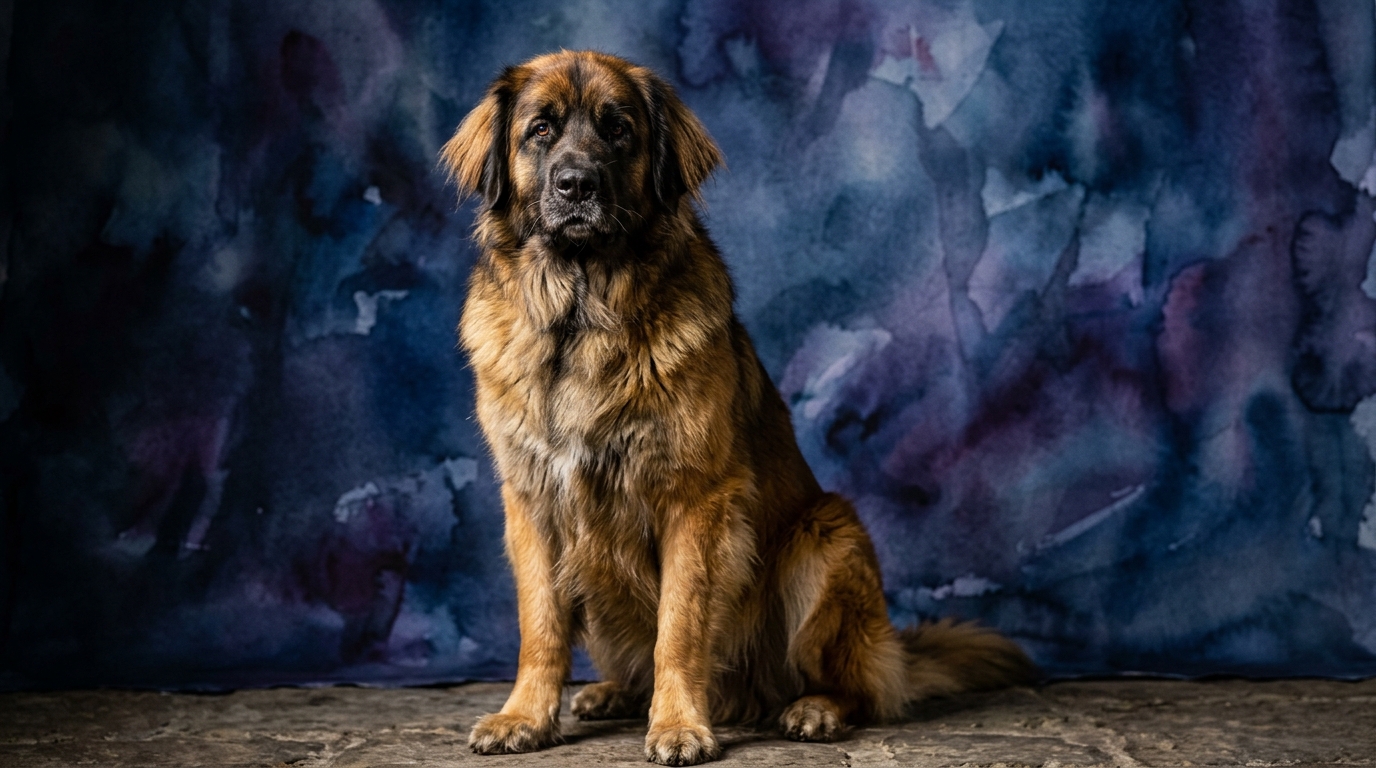
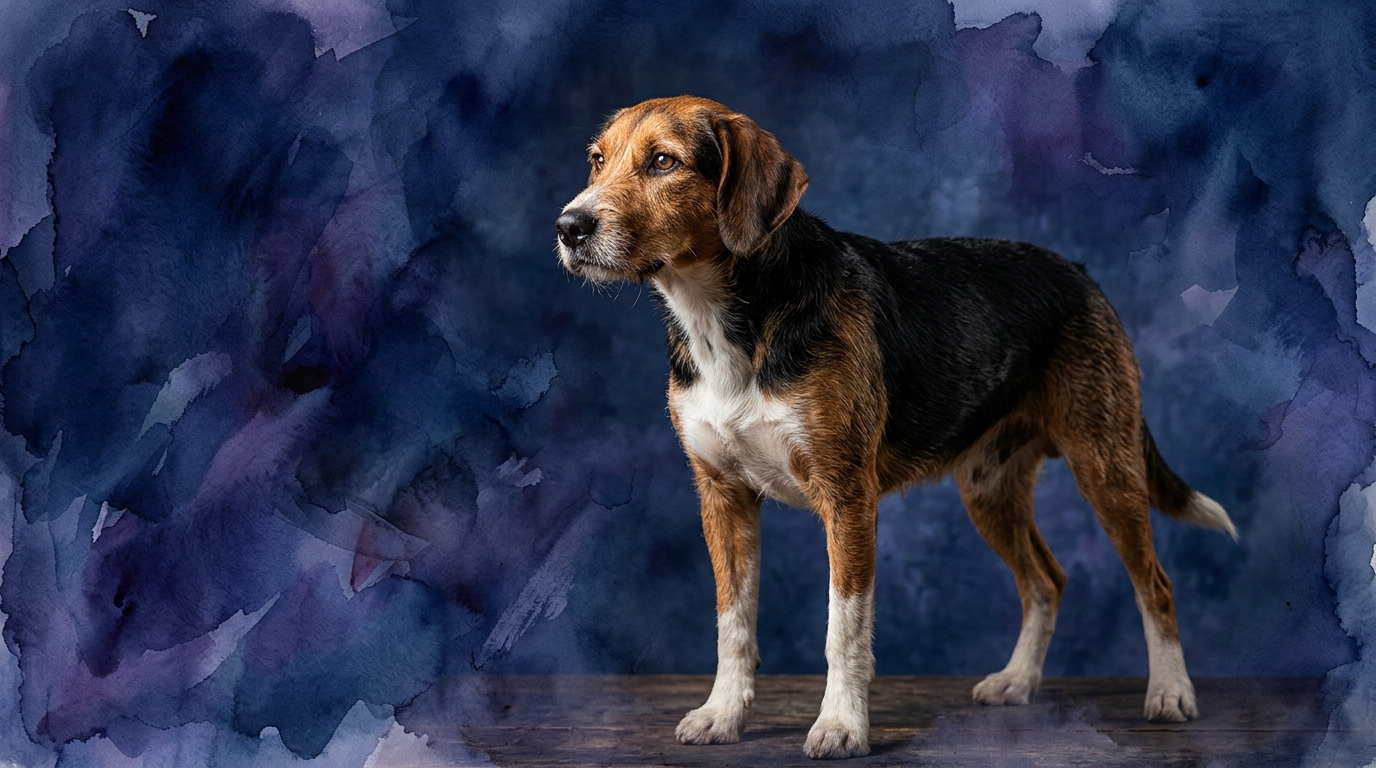
Side-by-Side IQ Profile: Interpreting Identical Scores
At first glance, the IQ scores for both the Leonberger and the Harrier appear identical across all five dimensions, each rated at 3/5. This doesn't suggest a lack of distinct cognitive strengths, but rather that their capabilities, while similar in raw score, are expressed through the lens of their breed's historical purpose and inherent nature. Let's explore how these 3/5 ratings translate into their unique cognitive landscapes.
**Problem Solving (3/5):** For the Leonberger, a 3/5 indicates a practical, rather than abstract, approach to challenges. They are adept at figuring out tasks related to their domestic environment, such as manipulating latches or finding ways to be near their family, often relying on their physical presence and persistence to achieve straightforward goals. The Harrier's 3/5 in problem-solving is acutely focused on environmental puzzles, particularly those involving scent work. They excel at deciphering complex scent trails, navigating varied terrain, and overcoming obstacles to pursue a lead, with solutions often driven by their keen nose and inherent tracking drive.
**Training Speed (3/5):** A 3/5 for the Leonberger suggests they are receptive to learning, but not necessarily instant learners. They thrive with consistent, patient, and positive reinforcement, responding well to clear instructions and a strong bond with their handler; their deliberate nature means commands need to be well-established for reliable execution. Similarly, the Harrier's 3/5 in training speed means they are capable of understanding, but their progress is often tempered by their independent hound nature and potent prey drive. Their focus can be easily diverted by interesting scents, demanding a trainer who can maintain engagement and make sessions highly rewarding and varied.
**Social Intelligence (3/5):** The Leonberger's 3/5 reflects their aptitude for reading human cues and integrating into family dynamics. They are generally sensitive to their owners' moods and intentions, often seeking to please and forming strong, empathetic bonds, and typically interact appropriately with other animals and strangers when well-socialized. A 3/5 for Harriers indicates they are capable of social bonding and understanding pack dynamics, both with humans and other dogs. They thrive in a social environment, often displaying a playful and sometimes boisterous social energy, understanding human communication but perhaps with less nuance than a dedicated companion breed.
**Instinctive Drive (3/5):** The Leonberger's 3/5 points to their inherent drives for guarding, companionship, and a desire to participate in family activities. They possess a natural protective instinct towards their family and home, channeled into loyal companionship and a watchful presence. For a hound, a 3/5 in instinctive drive is profoundly shaped by their prey drive and pack mentality. Their instinct to track, chase, and work cooperatively with other dogs (or humans in a hunting context) is fundamental, and this drive is powerful, often overriding other learned behaviors if not properly managed.
**Memory (3/5):** A 3/5 for the Leonberger suggests good recall for learned commands, routines, and individuals, especially those they bond strongly with. They remember positive and negative experiences, influencing their behavior and relationships over time, contributing to their reliability and consistency once trained. The Harrier's 3/5 also indicates good memory, particularly for scent trails and locations associated with exciting activities. They recall training cues, but their application can be situational, often influenced by the immediate environment and the presence of distracting stimuli; they are unlikely to forget a rewarding experience or a favorite hunting ground.
Where the Leonberger's Cognition Shines
Despite identical scores, the Leonberger's cognitive strengths lean towards practical application within a domestic, family-oriented setting. Their 3/5 in problem-solving manifests as a deliberate, thoughtful approach to household challenges, like patiently working to retrieve a toy or figuring out how to open a gate to follow their person. Their social intelligence (3/5) allows for a nuanced understanding of human emotions and household routines, making them particularly attuned to their family's needs and moods. This translates into a dog that often anticipates desires, offering comfort or seeking interaction at appropriate times. Their memory (3/5) reinforces their reliability, ensuring they recall established boundaries and expectations within the home environment, contributing to their reputation as stable and dependable family members. Their instinctive drive (3/5) is channeled into watchful guardianship and deep companionship, making them excel in roles where a calm, protective presence is valued over independent pursuit.
Where the Harrier's Cognition Excels
The Harrier's identical 3/5 scores translate into a distinct set of cognitive advantages, particularly in environments that tap into their hound heritage. Their problem-solving (3/5) is acutely focused on navigating complex sensory landscapes, especially scent trails. They are masters at deciphering environmental cues to track, demonstrating a persistent and focused ingenuity when pursuing a 'puzzle' in the field. This isn't about opening a cupboard, but about following an intricate path over varied terrain, ignoring distractions to reach a goal. Their instinctive drive (3/5) is arguably their most defining cognitive strength, manifesting as an unwavering commitment to the chase and a strong pack mentality. This drive, while sometimes challenging in a domestic setting, is a profound cognitive asset in their intended role, enabling cooperative hunting and relentless pursuit. Their social intelligence (3/5), while perhaps less subtle than the Leonberger's, excels in group dynamics, making them adept at communicating and working within a canine or human pack, often with a robust, playful assertiveness. Their memory (3/5) is exceptionally strong for routes, scents, and successful hunting strategies, allowing them to recall and replicate behaviors that lead to rewarding outcomes in the field.
Training Dynamics: Leonberger vs. Harrier
While both breeds share a 3/5 in training speed, the practical experience of training them diverges significantly due to their underlying drives and social motivations. The Leonberger, with its strong desire to please and bond with its family, generally presents as easier to train for obedience and household manners. Their social intelligence (3/5) means they are often motivated by human approval and a desire to be an integrated part of the family unit. They learn best with consistent, positive reinforcement from a trusted handler, and their memory (3/5) helps solidify learned behaviors, making them less likely to be distracted by external stimuli once engaged in a training session.
The Harrier, conversely, despite the same 3/5 training speed, can be more challenging. Their formidable instinctive drive (3/5), particularly their prey drive and independent nature, means they are often more interested in following a compelling scent than executing a 'sit' command. Their problem-solving (3/5) is geared towards independent pursuit, not necessarily human-directed tasks. Training a Harrier requires immense patience, creativity, and high-value rewards to compete with the allure of their environment. Off-leash reliability can be a significant hurdle, as their memory for exciting scents can override recall commands, making consistent, engaging training crucial to manage their inherent hound tendencies.
Lifestyle Match: Active vs. Relaxed Owners
The Leonberger, despite its large size, can adapt to a range of owner activity levels, though they are not couch potatoes. Their 3/5 instinctive drive is satisfied with daily walks, playtime, and being an active participant in family life. They appreciate moderate exercise and mental engagement, but their lower energy compared to many working breeds means they can also enjoy relaxed evenings at home. They suit owners who value a calm, watchful companion and are prepared for regular, but not extreme, physical activity, fitting well with those who enjoy consistent routines and want a dog deeply integrated into family activities.
The Harrier is unequivocally suited for active owners. Their 3/5 instinctive drive and problem-solving skills are best utilized in environments that allow them to run, explore, and engage their powerful nose. They require substantial daily exercise, including opportunities for off-leash running in secure areas or participation in dog sports like agility, scent work, or lure coursing. A relaxed owner who cannot provide consistent, vigorous activity will likely find a Harrier to be restless, vocal, and potentially destructive. They thrive with owners who are outdoorsy, enjoy long walks or runs, and can provide ample mental stimulation to satisfy their working hound nature.
The Verdict
Choose a Leonberger if you seek a calm, deeply bonded family guardian who thrives on companionship and routine, appreciating a dog whose cognitive strengths align with household integration and empathetic interaction.
Opt for a Harrier if you are an active, outdoors-loving individual or family prepared to channel a powerful prey drive into structured activities, valuing a robust, independent companion with an insatiable curiosity for the world of scent.
🧠 Find Your Pet's IQ Score
Our Pet IQ Lab assessment covers 25+ tests across 5 cognitive dimensions — personalized to your breed.
Take the Full IQ Test →Frequently Asked Questions
Do Leonbergers require a lot of mental stimulation?
While not needing constant, complex puzzles, Leonbergers benefit from regular mental engagement like training sessions, interactive toys, and participating in family activities. Their 3/5 problem-solving and memory mean consistent mental work keeps them content and well-behaved.
Can Harriers live in apartments or small homes?
Harriers can adapt to smaller living spaces if their significant exercise and mental stimulation needs are met daily. Their 3/5 instinctive drive demands ample opportunities for running and scent work outside the home to prevent boredom and destructive behaviors.
Are Leonbergers good with children and other pets?
With their 3/5 social intelligence and strong family bonds, Leonbergers are generally patient and protective with children and can get along well with other pets, especially when properly socialized from a young age. Supervision is always recommended, given their size.