
Side-by-side IQ Profile: Interpreting Identical Scores
At first glance, the Pet IQ Lab scores for both the Leonberger and the Lakeland Terrier appear identical across all five dimensions: Problem Solving (3/5), Training Speed (3/5), Social Intelligence (3/5), Instinctive Drive (3/5), and Memory (3/5). However, these numerical ratings are a broad stroke, and their manifestation differs significantly between a giant working dog and a tenacious terrier, shaped by their breed histories and typical temperaments.
For the Leonberger, a 3/5 in Problem Solving often reflects a thoughtful, situation-aware approach to challenges, such as discerning appropriate times for intervention within a family setting or navigating complex physical environments with their considerable size. Their Training Speed rating of 3/5 suggests a steady, deliberate learning pace; they grasp concepts well but might require consistent, patient reinforcement, partly due to their physical development and an independent streak. Their Social Intelligence at 3/5 indicates a good understanding of human cues and family dynamics, often expressed through a reserved initial approach to strangers but a deep bond with their inner circle. An Instinctive Drive of 3/5 typically manifests as a desire for companionship, gentle guardianship, and a drive to be a useful, integrated member of the family unit, rather than a strong prey or territorial impulse. Lastly, their 3/5 Memory means good retention of routines, commands, and social interactions, contributing to their reliability and consistent demeanor.
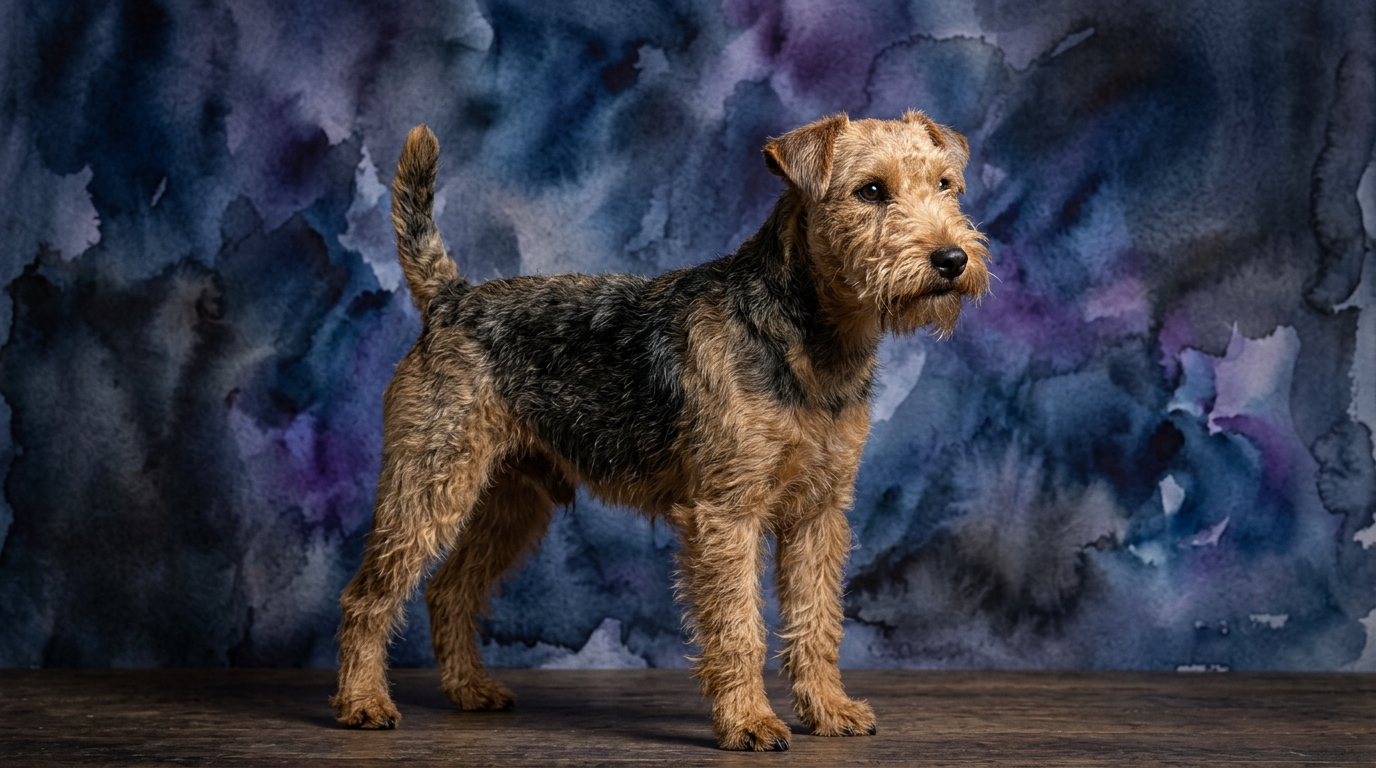
The Lakeland Terrier's 3/5 scores, conversely, paint a picture of a different cognitive style. Their Problem Solving at 3/5 often translates into quick, frequently independent, and resourceful thinking, particularly when it involves achieving a goal like getting to a scent source or outmaneuvering an obstacle; this can sometimes appear as mischievous ingenuity. A 3/5 in Training Speed implies they can learn rapidly, but their independent terrier spirit and selective attention can make consistent execution a challenge without highly engaging motivation and creative methods. Their Social Intelligence at 3/5 suggests a keen awareness of their human's mood and intentions, often leveraged to their advantage, making them charming and assertive. The 3/5 Instinctive Drive for a Lakeland is strongly rooted in their terrier heritage, fueling a desire for exploration, digging, and a pronounced prey drive that directs much of their cognitive energy. Their Memory, also 3/5, allows for good retention of past experiences, especially those related to rewards, exciting discoveries, or specific 'rules' they have successfully bent, contributing to their tenacious personality.
Where the Leonberger Wins Cognitively
The Leonberger's cognitive strengths shine in areas demanding calm discernment and thoughtful processing, especially within social contexts. Their ability to integrate into a family with a gentle, watchful presence showcases a superior capacity for situation-appropriate decision-making. A Leonberger can often assess a scenario and respond with measured restraint, whether it's gently nudging a child away from danger or calmly greeting a new visitor. This isn't abstract problem-solving, but rather a practical, empathetic understanding of their environment and the needs of their human companions. Their size necessitates a measured approach to movement and interaction, fostering a cognitive style that prioritizes careful consideration over impulsive action. This thoughtful disposition makes them adept at tasks requiring a steady hand and a calm temperament, such as therapy work or simply being a reassuring presence, where their cognitive processes are geared towards harmonious interaction and quiet guardianship.
Where the Lakeland Terrier Wins Cognitively
The Lakeland Terrier, in contrast, excels in quick-witted adaptability and tenacious, often independent, problem-solving. Their cognitive victories emerge when faced with novel situations that engage their innate terrier drives, such as navigating complex scent trails or figuring out how to access a desired item. This breed demonstrates a cleverness in strategizing for short-term gains, often displaying a spirited inventiveness in overcoming obstacles or outmaneuvering perceived barriers. Their cognitive processes are geared towards action and discovery, making them highly effective at tasks requiring agility of thought and a persistent drive to achieve a goal. This mental nimbleness, combined with their physical dexterity, allows them to excel in activities like earthdog trials or intricate scent work, where rapid assessment and decisive action are paramount. They possess a street-smart intelligence, always looking for an angle or a solution, even if it's unconventional.
Training Aptitude: Ease vs. Engagement
When considering ease of training, the Leonberger generally presents fewer challenges in terms of compliance, primarily due to their inherent desire to please and their strong bond with their family. Their steady learning pace (3/5 Training Speed) means they absorb commands consistently with patient, positive reinforcement. While their sheer size and slower physical maturity might mean a longer period to master complex physical maneuvers, their lower instinctive drive (3/5) compared to a terrier's intense prey drive makes them less prone to distractions. They respond well to a calm, consistent approach, valuing companionship and approval as key motivators, which simplifies the training process for basic obedience and household manners.
The Lakeland Terrier, despite also scoring 3/5 in Training Speed, presents a different training dynamic. They are quick learners, capable of grasping new commands rapidly, but their independent nature and strong instinctive drives (3/5 Instinctive Drive) can make consistent execution more demanding. Their prey drive, digging instincts, and desire for exploration mean that external stimuli are often far more compelling than human directives. Training a Lakeland requires creativity, high-value rewards, and a firm but fair hand to effectively channel their cleverness and tenacity. Owners must work to make training engaging and stimulating to capture their attention and motivate them to focus. Their impulsivity and tendency to follow their nose or curiosity can be significant hurdles, requiring consistent proofing and management in varied environments to achieve reliability.
Lifestyle Match: Active vs. Relaxed Owners
The Leonberger, despite its imposing size, often suits owners seeking a more relaxed, yet engaged, companion. While they benefit from regular, purposeful walks and mental stimulation, their 'active' needs are often more about quality interaction and being an integral part of family life rather than high-intensity sports. They are typically calm and composed indoors, content to be near their humans, making them suitable for owners who appreciate a gentle giant's steady presence and are prepared for the commitment of their grooming and space requirements. Their cognitive processes are geared towards observation and calm interaction, fitting well into a home that values a serene, watchful companion.
The Lakeland Terrier, conversely, is an ideal match for active owners who relish a spirited, energetic partner. This breed thrives on consistent mental and physical stimulation to prevent boredom, which they might otherwise channel into inventive, sometimes destructive, behaviors. They excel in activities that engage their keen terrier instincts, such as structured play, agility, scent work, or long, varied walks that offer new sights and smells. Lakeland Terriers are not content to be couch potatoes; their cognitive makeup demands regular challenges and opportunities to explore and problem-solve. Owners must be prepared to provide engaging outlets for their tenacious drive and quick wit, ensuring their zest for life is channeled productively.
The Verdict
Choose the Leonberger if you seek a gentle, thoughtful companion capable of calm discernment and a steady presence, valuing a dog's natural protective instincts applied with restraint, and can provide ample space and consistent, patient guidance.
Choose the Lakeland Terrier if you appreciate a spirited, quick-witted partner with a zest for life, eager to engage in mental and physical challenges, and who can provide consistent, engaging training to channel their tenacious terrier drive.
🧠 Find Your Pet's IQ Score
Our Pet IQ Lab assessment covers 25+ tests across 5 cognitive dimensions — personalized to your breed.
Take the Full IQ Test →Frequently Asked Questions
Do Leonbergers and Lakeland Terriers learn at the same pace?
While both breeds score 3/5 in training speed, their learning styles differ. Leonbergers tend to learn steadily and thoughtfully, often seeking to please, while Lakeland Terriers learn quickly but may be more selective in their compliance due to their independent nature and strong drives.
How do their problem-solving abilities manifest differently?
A Leonberger's 3/5 problem-solving often involves practical, situation-aware decisions within their environment or social group, prioritizing safety and calm. A Lakeland Terrier's 3/5 rating reflects a tenacious, often independent approach to overcoming obstacles or pursuing interests, sometimes with a mischievous flair.
Is one breed more prone to destructive behaviors if not mentally stimulated?
Both breeds benefit from mental stimulation, but the Lakeland Terrier, with its strong instinctive drives, is generally more prone to channeling boredom into destructive behaviors like digging or excessive chewing if not adequately engaged. Leonbergers might become more withdrawn or lethargic if under-stimulated.