
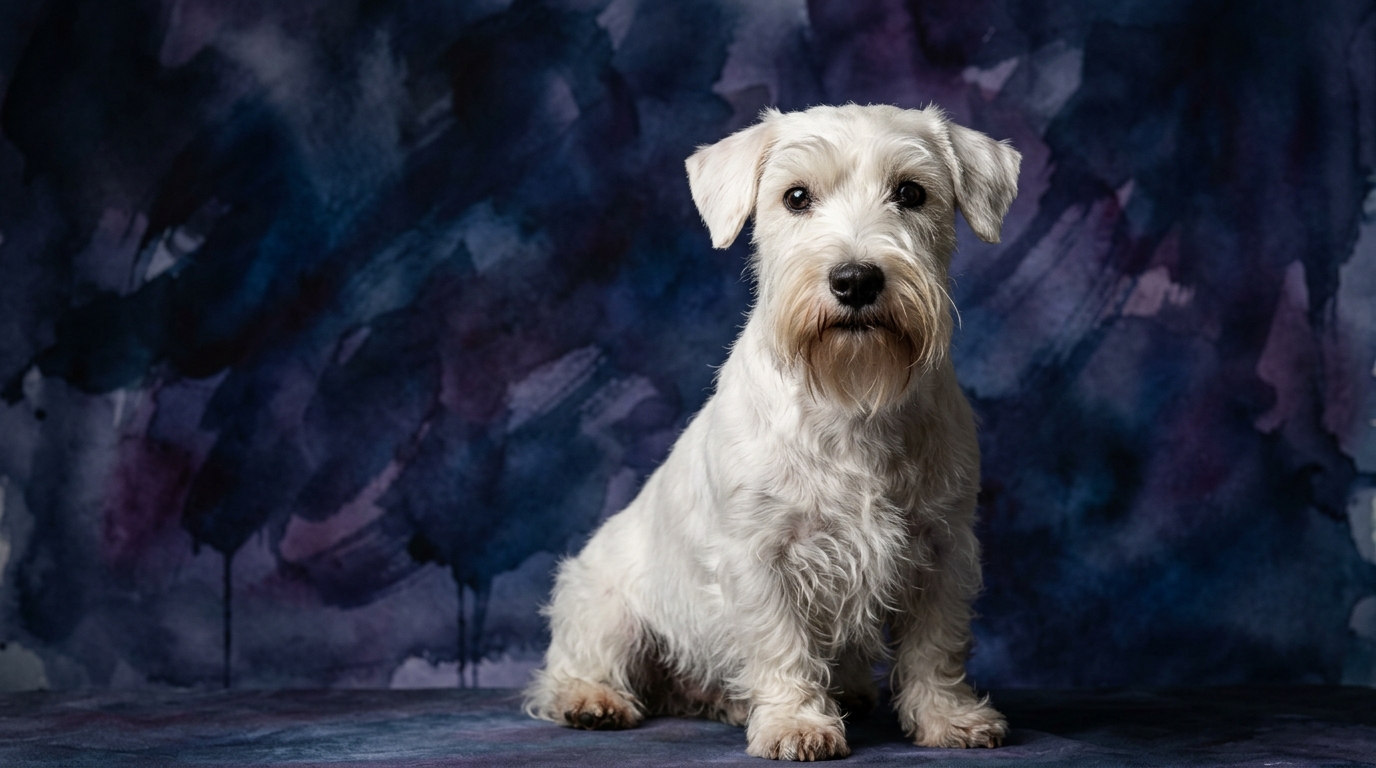
Side-by-Side IQ Profile: Unpacking Identical Scores
Problem Solving (3/5): For the Leonberger, this score reflects their capacity to understand multi-step commands within a household context, such as retrieving specific items or navigating moderately complex environments like a busy home with obstacles, often pausing to assess before acting. The Sealyham Terrier, with the same 3/5 score, showcases a different brand of problem-solving; their intelligence leans towards resourcefulness and persistence in overcoming physical barriers, manifesting as cunning strategies to extract a favorite toy or relentless determination to access a tempting scent.
Training Speed (3/5): Leonbergers, at a 3/5, are receptive learners who absorb new commands with consistent, positive reinforcement, aided by their desire to please their human companions, though complex sequences might take more repetitions to solidify. The Sealyham Terrier also scores 3/5, indicating a quick grasp of new concepts, often picking up new tricks rapidly, but their terrier independence and strong internal motivations can make consistent application of learned behaviors selective.
Social Intelligence (3/5): A 3/5 in social intelligence for the Leonberger signifies their profound empathy and attunement to human emotions, allowing them to read subtle cues and often offering comforting nudges or adjusting their behavior based on the mood of their people. The Sealyham Terrier’s 3/5 score highlights their keen awareness of their human companions’ routines and preferences, and their ability to charm and manipulate to achieve their goals, discerning who is most likely to yield to their requests.
Instinctive Drive (3/5): The Leonberger’s 3/5 instinctive drive is characterized by a strong, protective guardianship instinct towards their family, coupled with a desire to be involved in household activities, with a moderate prey drive typically focused on larger, slower-moving targets. For the Sealyham Terrier, a 3/5 instinctive drive is a powerhouse of classic terrier traits: an intense prey drive focused on small, quick-moving quarry, a powerful digging impulse, and a propensity for vocalization, fueling their relentless pursuit of perceived vermin.
Memory (3/5): Leonbergers, with a 3/5 memory score, demonstrate a reliable recall of established routines, people they’ve met, and past training cues, even after long periods, shaping their future interactions and responses. The Sealyham Terrier’s 3/5 memory is particularly sharp for locations where exciting events occurred—be it a spot where a squirrel was chased or a hidden treat was discovered—remembering complex scent trails and the sequence of actions that led to a reward.
Where the Leonberger Wins Cognitively
The Leonberger's cognitive strengths truly shine in scenarios demanding sustained cooperation and a gentle, expansive presence, often leveraging their 3/5 social intelligence for nuanced emotional support within a family. For instance, a Leonberger might instinctively provide comforting physical presence to a distressed family member or subtly position themselves to gently guide children, demonstrating an intuitive grasp of complex social dynamics that extends beyond simple command execution.
Their problem-solving, though rated 3/5, excels in tasks requiring a calm, methodical approach within a larger, more varied environment, such as patiently navigating a bustling household while remaining attuned to their handler, or learning multi-step 'helping' tasks like carrying specific items. This blend of gentle discernment and cooperative spirit makes them particularly adept at roles where thoughtful interaction and steady reliability are paramount, rather than rapid, independent action.
Where the Sealyham Terrier Wins Cognitively
The Sealyham Terrier, despite their identical 3/5 scores, demonstrates unique cognitive advantages rooted in their terrier heritage of independent action and tenacious pursuit, particularly in problem-solving that requires inventive, persistent efforts. Their 3/5 problem-solving manifests as a rapid, cunning approach to overcoming physical barriers, such as devising ways to extract a coveted toy from a tight space or strategizing an escape route from a perceived enclosure, showcasing impressive adaptability on the fly.
Their instinctive drive, also 3/5, is channeled into an intense, focused determination for tasks like scent tracking or 'vermin' control, making them exceptionally effective at specific, high-drive activities where singular focus and unwavering resolve are key. This drive fuels a cognitive loop of searching, strategizing, and executing, allowing them to excel in scenarios demanding quick, decisive actions and persistent engagement with their environment, often driven by their keen memory for locations of interest.
Which Is Easier to Train and Why
When considering ease of training, the identical 3/5 training speed scores for both breeds belie significant practical differences in their behavioral responses and motivational requirements. Leonbergers generally approach training with a desire to please their human companions, making them cooperative students, though their large size and slower physical maturation require patience and consistent positive reinforcement for complex sequences to become fluid.
In contrast, Sealyham Terriers, while quick to grasp new commands, bring a strong independent streak and formidable terrier tenacity to the training arena, requiring engaging, varied sessions to prevent boredom. Their high instinctive drive means environmental distractions can easily override compliance, often choosing a more compelling scent or perceived 'job' over executing a known command, demanding a more creative and resilient trainer.
Which Suits Active Owners vs. Relaxed Owners
The Leonberger, despite its imposing size, is often suited for owners who might be considered 'relaxed' in terms of high-intensity sports but are deeply 'active' in their desire for companionship and consistent, moderate engagement. They thrive on being an integrated part of family life, needing daily walks, supervised outdoor time, and mental stimulation, but can be a calm, majestic presence indoors once these needs are met.
Conversely, the Sealyham Terrier, in their compact form, often requires a more 'active' owner prepared to channel their robust terrier drives, as their mental and physical needs are substantial. They require structured play, walks with ample sniffing opportunities, and outlets for their digging and chasing instincts, making them best suited for owners who enjoy engaging in earthdog trials, agility, or consistent, stimulating activities.
The Verdict
Opt for a Leonberger if you are seeking a deeply devoted, gentle giant who thrives on constant companionship and requires a calm, watchful presence within a family setting, and you are prepared for their moderate, consistent engagement needs.
Select a Sealyham Terrier if you are an experienced owner prepared for a spirited, independent companion with a strong inherent drive, who enjoys engaging in stimulating activities and appreciates a dog with a formidable personality in a compact package.
🧠 Find Your Pet's IQ Score
Our Pet IQ Lab assessment covers 25+ tests across 5 cognitive dimensions — personalized to your breed.
Take the Full IQ Test →Frequently Asked Questions
Do Leonbergers and Sealyham Terriers have similar energy levels?
No, despite identical IQ scores, their energy manifests differently. Leonbergers require moderate, consistent exercise and mental engagement, thriving on companionship, while Sealyham Terriers, though smaller, possess a higher, more intense drive for activity and exploration, needing outlets for their terrier instincts.
Are these breeds good for first-time dog owners?
A Leonberger can be a good choice for a committed first-time owner willing to invest in early training and socialization due to their cooperative nature. Sealyham Terriers, with their independent and tenacious terrier traits, are generally better suited for owners with some prior experience in dog training and behavior.
How do their grooming needs compare?
Leonbergers have a thick, double coat requiring regular brushing (several times a week) to prevent mats and manage shedding. Sealyham Terriers have a wiry coat that needs weekly brushing and regular hand-stripping or professional grooming to maintain its texture and prevent matting.