Side-by-Side Pet IQ Lab Profile
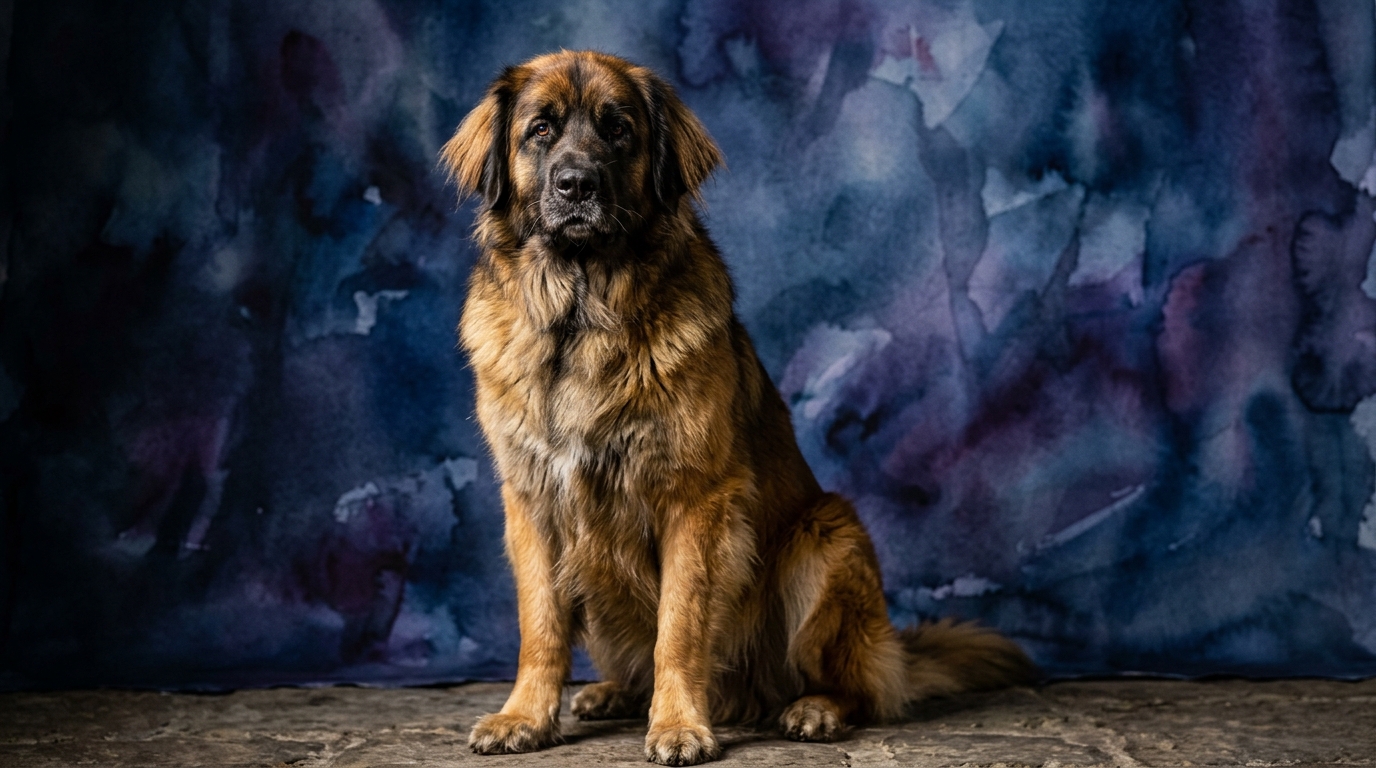
The Leonberger, a majestic working dog, presents a balanced yet thoughtful cognitive profile. Their problem-solving ability, rated 3/5, suggests a capacity for practical solutions within their environment, often relying on learned patterns or human direction rather than complex innovation. Training speed, also 3/5, indicates they are receptive to learning but require consistent, patient instruction, absorbing information steadily rather than with immediate grasp. Social intelligence, scoring 3/5, highlights their attunement to family dynamics and human emotional states, fostering deep bonds while maintaining a discerning demeanor towards strangers. Their instinctive drive, at 3/5, is characterized by a natural protective inclination and a desire to be a calm presence, rather than an intense urge for specific tasks. Memory, rated 3/5, ensures they retain commands and experiences reliably, contributing to their dependable nature.
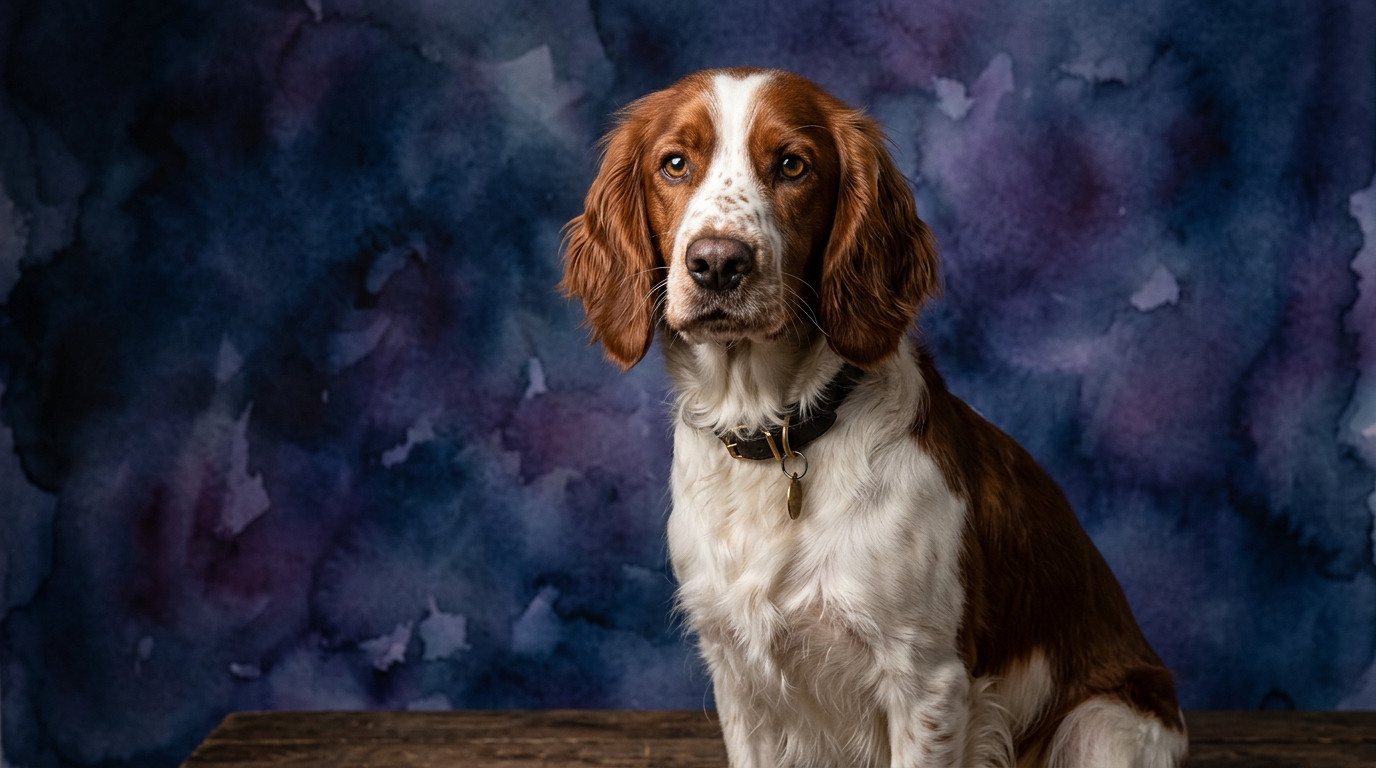
The Welsh Springer Spaniel, a vibrant sporting breed, exhibits a more agile and task-oriented cognitive makeup, reflected in its Coren rank of #31. Their problem-solving ability, a robust 4/5, showcases a resourceful mind adept at navigating challenges, particularly those encountered in fieldwork or seeking out specific objectives. Training speed, strong at 4/5, points to a quick learner eager to engage and respond to cues, making them highly receptive to structured training. Social intelligence, rated 3/5, means they are generally affable and cooperative, though their focus might often be directed towards their activity rather than intricate human emotional nuances. Their instinctive drive, 3/5, is rooted in their gundog heritage, manifesting as a keen desire to hunt, retrieve, and work alongside their handler. Memory, an impressive 4/5, is a key asset, enabling them to recall complex sequences of commands, scent trails, and spatial information with precision.
Where the Leonberger Wins Cognitively
While not always the quickest, the Leonberger’s cognitive strengths lie in areas demanding discernment, patience, and a steady presence. Their problem-solving (3/5) often manifests as a thoughtful approach to maintaining harmony within their home environment, such as gently nudging a child away from danger or patiently waiting for a complex door mechanism to be opened by a human, rather than attempting to force it. This is a deliberate form of intelligence focused on safety and companionship. Their social intelligence (3/5) allows them to excel in understanding subtle shifts in family dynamics, offering comfort when needed, or acting as a calm, watchful guardian. They might not be solving complex puzzles at lightning speed, but they are processing social cues and environmental safety with a depth that emphasizes stability and protection. Their memory (3/5) supports a reliable understanding of routines and boundaries, making them predictable and reassuring companions who rarely forget a kind hand or a gentle correction. This breed’s cognitive profile is geared towards being a thoughtful, stable presence.
Where the Welsh Springer Spaniel Wins Cognitively
The Welsh Springer Spaniel shines in dynamic, task-oriented cognitive functions. Their superior problem-solving (4/5) enables them to quickly adapt to changing environments and figure out efficient ways to achieve goals, whether it’s locating a hidden toy or navigating complex terrain during a retrieve. This is an active, 'on-the-go' intelligence. Their training speed (4/5) and excellent memory (4/5) mean they absorb and retain commands and multi-step routines with remarkable efficiency, making them highly proficient in activities like obedience, agility, and scent work. They not only learn quickly but also remember the nuances of tasks, allowing for sophisticated performances. This breed's instinctive drive (3/5), while shared with the Leonberger, is channeled into a specific purpose, fueling their tenacity and focus in pursuit of a goal. Their cognitive strengths are rooted in their ability to process information rapidly, make quick decisions, and execute tasks with precision and enthusiasm, thriving on mental engagement that challenges their keen senses and agile minds.
Which is Easier to Train and Why
When evaluating ease of training, the Welsh Springer Spaniel generally presents a more straightforward experience for many owners, primarily due to its cognitive profile. With a training speed of 4/5 and problem-solving at 4/5, they are quick to grasp new concepts and eager to engage in structured learning sessions. Their excellent memory (4/5) means commands stick readily, and they often delight in the process of working collaboratively with their handler, driven by their sporting instincts. They respond well to positive reinforcement and clear directives, making progress feel rapid and rewarding. In contrast, the Leonberger, with a training speed of 3/5 and problem-solving at 3/5, learns at a more deliberate pace. While certainly trainable and willing to please, they require more patience and consistency. Their thought process can be more considered, and they may need additional repetitions to solidify new behaviors. Owners might find that while a Welsh Springer Spaniel actively seeks out the next command, a Leonberger might ponder it, requiring a more gentle, encouraging approach to maintain engagement. This isn't a deficiency in intellect, but rather a difference in learning style and motivation, where the Leonberger thrives on companionship and understanding rather than purely task-driven efficiency.
Which Suits Active Owners vs. Relaxed Owners
The distinction in cognitive profiles clearly delineates which breed would thrive with different owner lifestyles. The Welsh Springer Spaniel is an ideal match for active owners who enjoy structured activities and outdoor adventures. Their high problem-solving (4/5), training speed (4/5), and pronounced instinctive drive (3/5) demand significant mental and physical engagement. Owners who can provide daily vigorous exercise, enroll them in dog sports like agility or scent work, or involve them in hiking and field activities will find a Welsh Springer Spaniel a wonderfully enthusiastic and fulfilled companion. Their quick wit and eagerness to learn require consistent outlets. Conversely, the Leonberger, while needing regular exercise, is better suited for owners seeking a more relaxed yet devoted companion. Their moderate problem-solving (3/5) and training speed (3/5), combined with a balanced instinctive drive (3/5), mean they are content with a stable routine, moderate walks, and the comfort of family presence. They are thoughtful observers whose social intelligence (3/5) makes them excellent at simply being "present" and offering calm companionship. Owners who appreciate a gentle giant that enjoys quiet evenings as much as a leisurely stroll will find the Leonberger's steady temperament and affectionate nature deeply rewarding, without the constant demand for high-intensity mental tasks.
The Verdict
Choose a Leonberger for a calm, devoted companion who thrives on family presence, gentle routines, and offers a watchful, protective nature without demanding intense mental or physical challenges.
Opt for a Welsh Springer Spaniel if you desire an energetic, quick-witted partner eager for structured activities, outdoor adventures, and a strong, cooperative working bond that thrives on consistent mental engagement.
🧠 Find Your Pet's IQ Score
Our Pet IQ Lab assessment covers 25+ tests across 5 cognitive dimensions — personalized to your breed.
Take the Full IQ Test →Frequently Asked Questions
Are Leonbergers difficult to train due to their size?
Leonbergers are not difficult to train, but their moderate training speed (3/5) means they benefit from consistent, patient, positive reinforcement. Their thoughtful nature means they learn steadily, requiring more repetition than some quicker breeds, but they are very willing to please their family.
Do Welsh Springer Spaniels need a lot of exercise?
Yes, their sporting background and higher cognitive drives mean Welsh Springer Spaniels require significant daily physical and mental exercise. Without adequate outlets, their problem-solving (4/5) and instinctive drives (3/5) can lead to boredom and potentially mischievous behaviors.
How do their social intelligences differ, both scoring 3/5?
While both score 3/5, a Leonberger's social intelligence often manifests as discerning loyalty and a keen awareness of family dynamics, offering comfort and protective presence. A Welsh Springer Spaniel's social intelligence is typically seen in their cooperative interaction during tasks and their generally friendly, if sometimes task-focused, demeanor with people.