Side-by-Side IQ Profile: Unpacking the '3 out of 5'
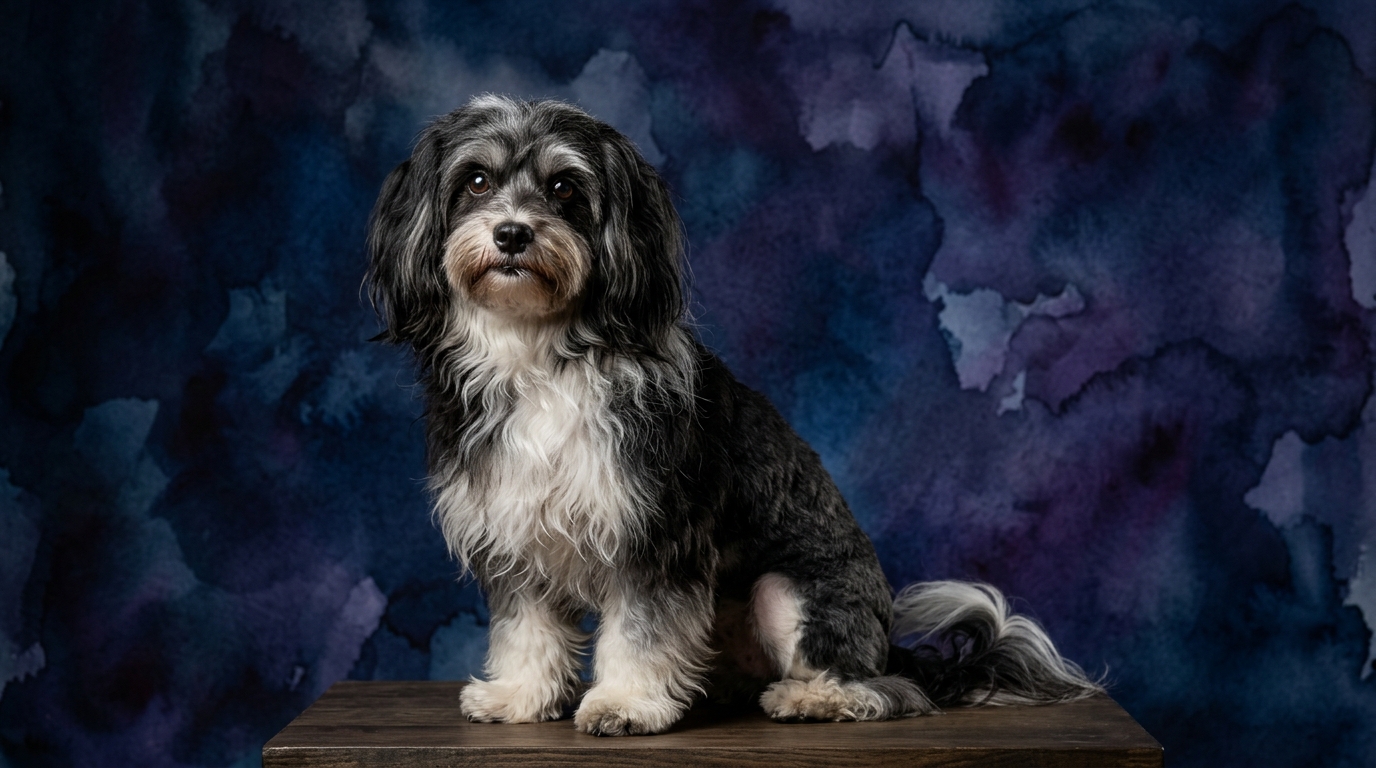
Despite identical numerical scores, the qualitative expression of intelligence in the Löwchen and the Polish Lowland Sheepdog (PON) varies significantly, rooted in their divergent historical roles. For the Löwchen, a Non-Sporting companion breed, a '3/5' in Problem Solving typically manifests as a cleverness in navigating household dynamics, figuring out how to gain attention or access desired objects, and adapting quickly to new social scenarios. Their Training Speed at '3/5' indicates a willingness to learn for social reward and companionship, often picking up commands with moderate repetition, while their '3/5' Social Intelligence shines in their ability to read human emotions and engage charmingly with family members and respectful strangers. Their Instinctive Drive, also '3/5', is primarily geared towards interaction and play, with a moderate drive for chasing small moving objects, and their Memory at '3/5' allows them to retain routines, learned tricks, and positive or negative past interactions effectively.
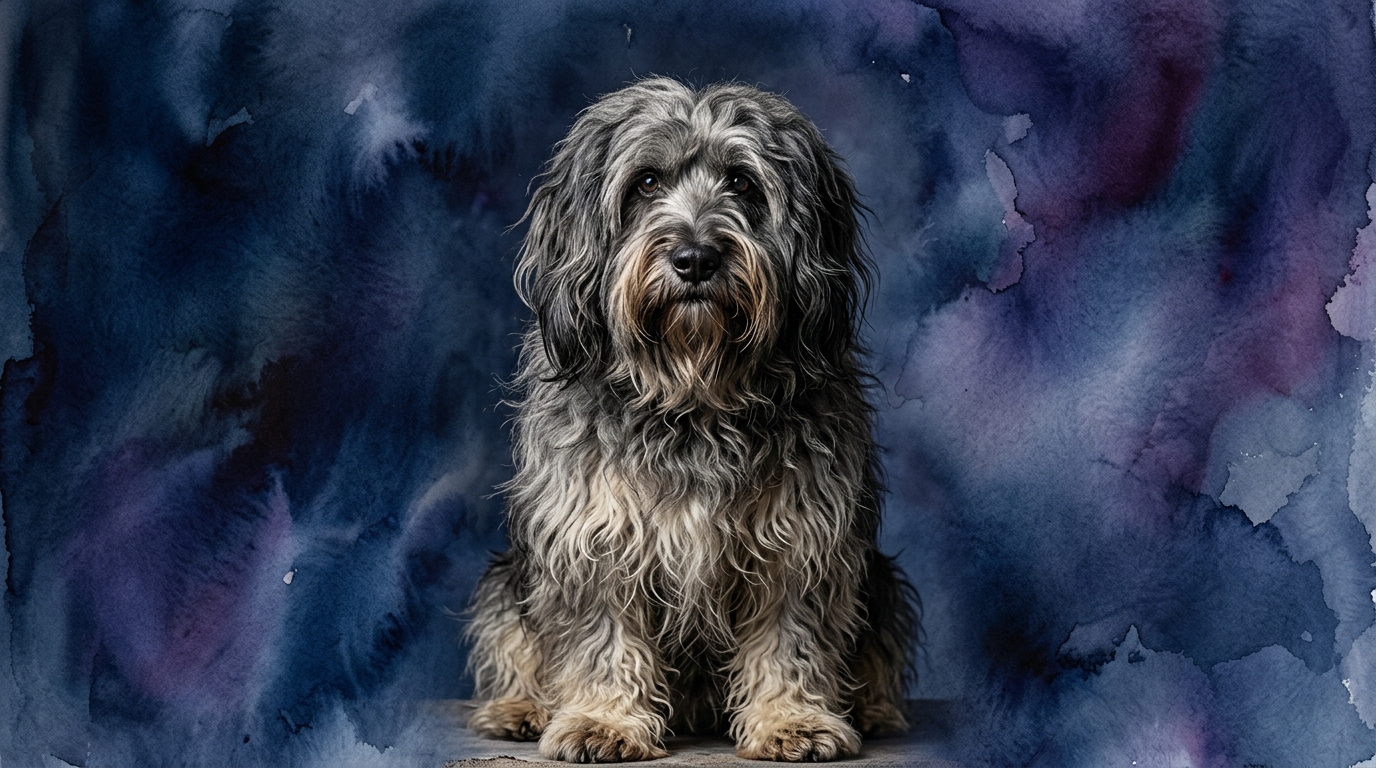
The Polish Lowland Sheepdog, a Herding breed, interprets the same '3/5' scores through a different lens. Their Problem Solving at '3/5' is often directed at environmental challenges, such as strategizing how to move perceived 'flock' members (family or pets) or finding solutions to navigate complex outdoor spaces, reflecting their pastoral heritage. A '3/5' Training Speed for a PON means they are capable learners of complex tasks, especially when given a purpose, though their independent streak might require consistent and clear direction. Their Social Intelligence at '3/5' involves a keen awareness of their 'pack' hierarchy and the nuanced social cues within their family, often displaying a reserved but observant demeanor with outsiders. Their Instinctive Drive, a robust '3/5', is clearly tied to their herding roots, manifesting as a desire to gather and manage, sometimes with a gentle nudge or 'eye', and their '3/5' Memory is particularly strong for routes, tasks, and sequences of commands tied to a specific objective.
Where the Löwchen Excels Cognitively
The Löwchen's cognitive strengths, while numerically matched with the PON, often lean towards social adaptability and creative, human-centric problem solving. Their '3/5' Social Intelligence, for example, allows them to excel in diverse social environments, effortlessly charming new acquaintances and integrating into varied family structures. They are adept at using their vocalizations and body language to communicate their needs and desires, often 'reading' their human companions with remarkable accuracy to solicit play, affection, or treats. This specific cognitive advantage makes them highly responsive to subtle human cues, allowing for a fluid and intuitive partnership in a companion role.
Furthermore, their '3/5' Problem Solving, when applied to a domestic setting, can manifest as a delightful ingenuity. A Löwchen might quickly learn which family member is most susceptible to their puppy-dog eyes for an extra treat, or how to subtly manipulate a toy to get maximum attention. This isn't about herding sheep, but about mastering the art of joyful cohabitation. Their moderate Instinctive Drive focuses their mental energy on engaging with people and toys, rather than complex environmental management, allowing their cognitive resources to be primarily dedicated to social interaction and playful engagement.
Where the Polish Lowland Sheepdog Excels Cognitively
The Polish Lowland Sheepdog's cognitive prowess is deeply rooted in their working heritage, giving them an edge in tasks requiring sustained focus and environmental awareness. Their '3/5' Problem Solving is particularly suited for understanding spatial relationships and navigating intricate patterns, a skill honed over generations of managing livestock across varied terrains. This translates into an ability to quickly map out new environments, remember complex routes, and even anticipate movements, making them adept at activities like agility courses or scent work where strategic planning and spatial reasoning are key.
A PON's '3/5' Instinctive Drive, channeled into their herding tendencies, provides a powerful internal motivation for task completion and understanding order. This drive, while requiring appropriate outlets, means they are often eager to engage in activities that mimic their ancestral duties, such as 'herding' family members or toys. Their '3/5' Memory excels in retaining sequences of commands and understanding complex instructions when tied to a purposeful activity. They often remember training cues and routines with impressive longevity, especially if the learning was engaging and provided a clear objective, demonstrating a cognitive strength in purposeful recall.
Training Dynamics: Löwchen vs. Polish Lowland Sheepdog
When considering ease of training, the identical '3/5' Training Speed for both breeds belies distinct approaches and motivations. The Löwchen, with their strong companion drive and '3/5' Social Intelligence, often responds exceptionally well to positive reinforcement methods centered around praise, play, and treats. They typically enjoy the training process as a bonding activity and are eager to please their human companions, making them generally cooperative. Their moderate Instinctive Drive means fewer innate urges to redirect during basic obedience, though their playful nature might require keeping training sessions engaging to maintain focus.
The Polish Lowland Sheepdog, conversely, benefits from a training approach that acknowledges their '3/5' Instinctive Drive and independent problem-solving capabilities. While they learn commands efficiently, particularly if the task feels purposeful, they may test boundaries or attempt to 'herd' their handler if not given clear and consistent leadership. Their training benefits from structure, consistency, and engaging their mental faculties with tasks that challenge their herding instincts in appropriate ways, such as puzzle toys or advanced obedience. Without sufficient mental engagement, their '3/5' Problem Solving can lead to finding their own 'work' to do, which might not always align with an owner's preferences.
Matching Breeds to Lifestyles: Active vs. Relaxed Owners
The Löwchen, despite their '3/5' scores, generally aligns better with owners seeking a more relaxed yet engaged companion. Their moderate Instinctive Drive and reliance on social interaction mean they thrive in homes where they receive consistent attention and affection, but do not necessarily demand extensive, high-intensity physical tasks. While they enjoy walks and playtime, their exercise needs are typically met with daily strolls and indoor games. Their '3/5' Social Intelligence makes them adaptable to various household dynamics, fitting seamlessly into families that prioritize companionship and charm over rigorous activity schedules.
The Polish Lowland Sheepdog, with their robust '3/5' Instinctive Drive and problem-solving orientation, is a better fit for active owners who are prepared to provide consistent mental and physical stimulation. They require more than just walks; they need 'a job' or engaging activities that challenge their herding instincts and intelligence. This could involve dog sports like agility, herding trials, advanced obedience, or extensive, varied walks that allow them to explore and 'manage' their environment. Owners who appreciate a dog with an independent streak and are committed to consistent training and engagement will find a rewarding partner in the PON.
The Verdict
Choose the Löwchen if you seek a charming, socially adept companion who thrives on human interaction and enjoys a moderately active, affectionate household. They are wonderful for owners who appreciate a dog whose cognitive strengths lie in companionship and clever domestic problem-solving.
Opt for the Polish Lowland Sheepdog if you are an active owner prepared to provide consistent mental and physical challenges, valuing a dog with strong working instincts and a keen, independent problem-solving mind. They excel in environments where their innate drives can be channeled into purposeful activities.
🧠 Find Your Pet's IQ Score
Our Pet IQ Lab assessment covers 25+ tests across 5 cognitive dimensions — personalized to your breed.
Take the Full IQ Test →Frequently Asked Questions
Do Löwchen and Polish Lowland Sheepdogs require similar amounts of training?
While both breeds score '3/5' in Training Speed, their training needs differ in approach and intensity. Löwchen respond well to positive, social-based training, whereas PONs benefit from consistent, purposeful training that engages their herding instincts and independent nature more rigorously to prevent self-directed 'work'.
Which breed is better for first-time dog owners?
The Löwchen is generally more forgiving for first-time owners due to their adaptable nature and strong desire for companionship, making their '3/5' cognitive profile easier to manage. The Polish Lowland Sheepdog's '3/5' instinctive drives and independent problem-solving require more experienced handling and commitment to consistent training and mental stimulation.
How do their '3/5' social intelligence scores manifest differently?
A Löwchen's '3/5' social intelligence is often expressed as charming adaptability and keen emotional reading of their human family, thriving in varied social settings. A PON's '3/5' social intelligence, in contrast, often involves a more reserved observation of their 'pack' hierarchy and strong loyalty to their immediate family, with less immediate openness to strangers.