The Cosmic Pet IQ Profile: Löwchen vs. Toy Poodle
To understand the cognitive landscape of these two delightful breeds, we turn to The Cosmic Pet Pet IQ Lab, which assesses five key dimensions of canine intelligence. This side-by-side analysis reveals their unique mental aptitudes.
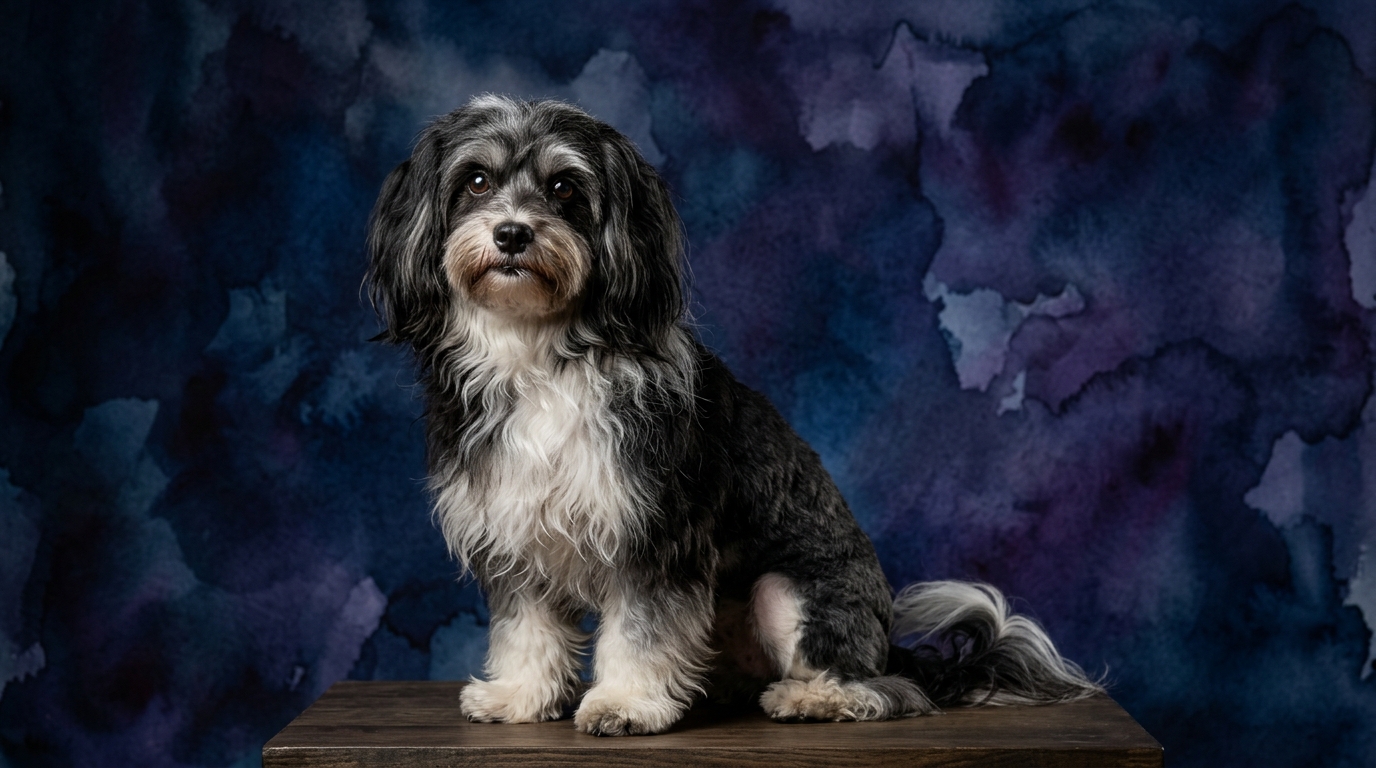
The **Löwchen**, a member of the Non-Sporting Group, shows a balanced, moderate cognitive profile across the board. Their Problem Solving is rated 3/5, indicating a capacity for navigating straightforward challenges with a steady approach rather than instant solutions. Training Speed also stands at 3/5, meaning they absorb new commands at a reasonable pace, requiring consistent repetition to solidify behaviors. Social Intelligence is 3/5, reflecting their ability to form strong bonds and read human cues, though perhaps not with the hyper-sensitivity of some breeds. Their Instinctive Drive is 3/5, suggesting typical canine curiosity without overwhelming prey or working urges. Finally, Memory is 3/5, allowing them to retain learned behaviors and routines reliably, but perhaps needing occasional refreshers for less practiced skills.
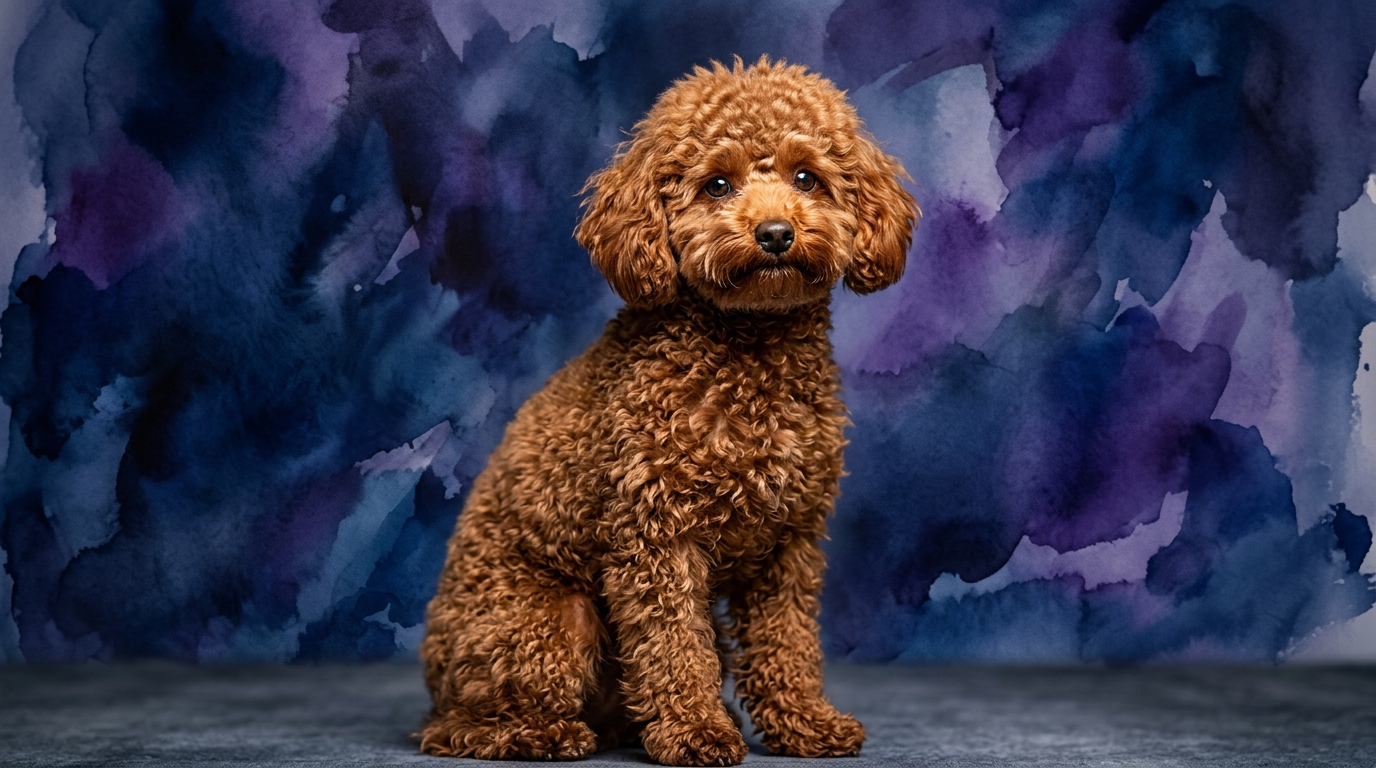
In contrast, the **Toy Poodle**, a Toy Group member with a notable Coren rank of #2, presents a profile marked by exceptional cognitive prowess in several areas. Their Problem Solving is an impressive 5/5, signifying an outstanding ability to analyze situations, devise strategies, and execute solutions efficiently. Training Speed also reaches 5/5, indicating they grasp new commands and behaviors with remarkable rapidity, often after only a few repetitions. Their Social Intelligence is 3/5, mirroring the Löwchen's capacity for connection and empathy with their human companions. Instinctive Drive is 3/5, similar to the Löwchen, reflecting moderate natural urges. Crucially, their Memory is 5/5, demonstrating an outstanding capacity for retaining a vast array of commands, routines, and experiences over long periods, with learned behaviors typically ingrained for life.
Where the Löwchen Shines Cognitively
While the Toy Poodle generally scores higher in raw cognitive metrics, the Löwchen's specific blend of moderate aptitudes can be a distinct advantage for certain lifestyles. Their 3/5 in Problem Solving means they are capable of navigating their world effectively without constantly seeking out complex mental puzzles. This translates to a more relaxed demeanor in a home environment; a Löwchen is less likely to become bored and invent its own 'problems' to solve, such as figuring out how to open cabinets or doors, which can be a common trait in breeds with higher problem-solving drives. Instead, their approach is more measured, requiring guidance but leading to less independent mischief.
Similarly, their 3/5 in Instinctive Drive means their natural urges for chasing or exploring are present but not overwhelming. This can make them easier to integrate into diverse living situations, as they are less likely to be compelled by intense prey drives or an insatiable need to patrol. Their moderate memory also means that while they remember their training and routines, they might also be more forgiving of slight inconsistencies from their owners, adapting rather than getting stuck on perfectly executed patterns. Their moderate profile suggests a dog that is engaged and capable, less prone to overstimulation without intense mental outlets.
Where the Toy Poodle Excels Cognitively
The Toy Poodle’s cognitive profile presents clear advantages, particularly in areas of rapid learning and retention. Their 5/5 Problem Solving score signifies an exceptional ability to analyze situations, understand cause-and-effect, and independently develop solutions. This means they are adept at tasks like manipulating objects, navigating complex environments, or even understanding abstract concepts, making them outstanding candidates for advanced training, dog sports, or service work where quick thinking is paramount. They proactively engage with their environment, seeking to understand and interact with it deeply.
Furthermore, their 5/5 Training Speed is a testament to their remarkable capacity for acquiring new commands and behaviors almost instantaneously. This rapid assimilation means they require fewer repetitions to master a skill, making the training process incredibly efficient and rewarding. Paired with their 5/5 Memory, once a Toy Poodle learns something, it is typically ingrained for life. This robust recall ensures that commands stay sharp and behaviors remain consistent, even after long periods without practice. This combination allows for a broad and intricate repertoire of skills, making them versatile and responsive.
Training Aptitude: Which is Easier to Train and Why?
Based on The Cosmic Pet Pet IQ Lab metrics, the Toy Poodle is demonstrably easier to train due to its 5/5 Training Speed and 5/5 Memory scores, compared to the Löwchen's 3/5 in both categories. A Toy Poodle's exceptional training speed means they grasp new commands, tricks, and routines with remarkable rapidity, often understanding what's expected after just a few repetitions. This translates to a highly efficient training process where progress is swift and consistent. For instance, teaching a Toy Poodle to 'stay' or 'heel' might take a handful of short sessions, as they quickly connect the command to the desired action. Their outstanding memory ensures that once these behaviors are learned, they are deeply embedded and reliably recalled, even after extended breaks from practice, meaning less re-teaching and more enjoyment.
In contrast, the Löwchen, with its 3/5 Training Speed, requires a more patient and consistent approach. While certainly trainable and eager to please, they will need more repetitions and longer periods of practice to solidify new behaviors. Teaching a Löwchen the same 'stay' command might involve more frequent, shorter sessions spread over a longer duration before it becomes consistently reliable. Their 3/5 memory means that while they will remember their training, occasional refreshers will be more important to keep less frequently used commands sharp. A Toy Poodle’s quick processing makes them incredibly responsive, whereas a Löwchen’s style is steady progress and reinforcement over time. This difference can manifest in real behavioral scenarios; a Toy Poodle might learn complex obstacle courses or intricate dance routines with relative ease, while a Löwchen would likely excel at foundational obedience with consistent, positive reinforcement.
Matching Canine Cognition to Owner Lifestyle
The choice between a Löwchen and a Toy Poodle based on owner activity levels largely hinges on their cognitive engagement needs. The Toy Poodle, with its 5/5 Problem Solving and 5/5 Memory, is an excellent match for active owners who are prepared to provide consistent mental stimulation in addition to physical exercise. These dogs thrive on learning new things, engaging in dog sports like agility or obedience, and solving complex puzzles. An owner who enjoys teaching advanced tricks, participating in canine activities, or having a dog that can quickly learn intricate routines will find the Toy Poodle incredibly rewarding. Without adequate mental outlets, their high cognitive capacity can lead to boredom and creative (sometimes destructive) problem-solving, such as figuring out how to access forbidden areas or creating their own entertainment.
Conversely, the Löwchen, with its balanced 3/5 scores across the board, is often a better fit for more relaxed owners who appreciate a capable but less intensely demanding cognitive companion. While they certainly benefit from training and engaging play, their moderate problem-solving drive means they aren't constantly seeking out complex intellectual challenges. They are content with regular walks, interactive play sessions, and consistent basic obedience, without the same intrinsic need for advanced mental gymnastics that a Toy Poodle might exhibit. A Löwchen’s lower instinctive drive also means they are less likely to be consumed by intense urges that require specific outlets, making them adaptable companions for owners who prioritize companionship and moderate activity over competitive dog sports or advanced brain games. They enjoy family life without needing to be cognitive stars.
The Verdict
For those seeking a charming, adaptable companion with a steady, manageable cognitive profile and less intense demands for mental gymnastics, the Löwchen is an ideal choice, offering a delightful balance of engagement and ease.
If you desire a highly responsive, quick-witted canine partner eager to master complex tasks and thrive on consistent mental challenges, the Toy Poodle's exceptional learning and memory capabilities make it a superb fit.
🧠 Find Your Pet's IQ Score
Our Pet IQ Lab assessment covers 25+ tests across 5 cognitive dimensions — personalized to your breed.
Take the Full IQ Test →Frequently Asked Questions
Are Löwchens difficult to train due to their moderate scores?
Not at all; Löwchens are very trainable, though they require more patience and consistency than a Toy Poodle. Their 3/5 Training Speed means they'll learn, but it will take more repetitions to solidify new commands. Positive reinforcement and regular practice are key to their success.
Do Toy Poodles require constant mental stimulation to avoid behavioral issues?
Toy Poodles do benefit significantly from regular mental engagement due to their 5/5 Problem Solving and Memory. While 'constant' might be an overstatement, providing daily opportunities for learning, puzzle toys, or interactive games is crucial to keep them content and prevent boredom-related behaviors.
How do their social intelligence scores (both 3/5) impact their family life?
Both breeds, with their 3/5 Social Intelligence, are capable of forming strong, empathetic bonds with their human families. They can read moods and respond affectionately, making them sensitive and engaging companions. This moderate score indicates they are attuned to household dynamics without necessarily possessing the hyper-awareness some herding breeds might exhibit.