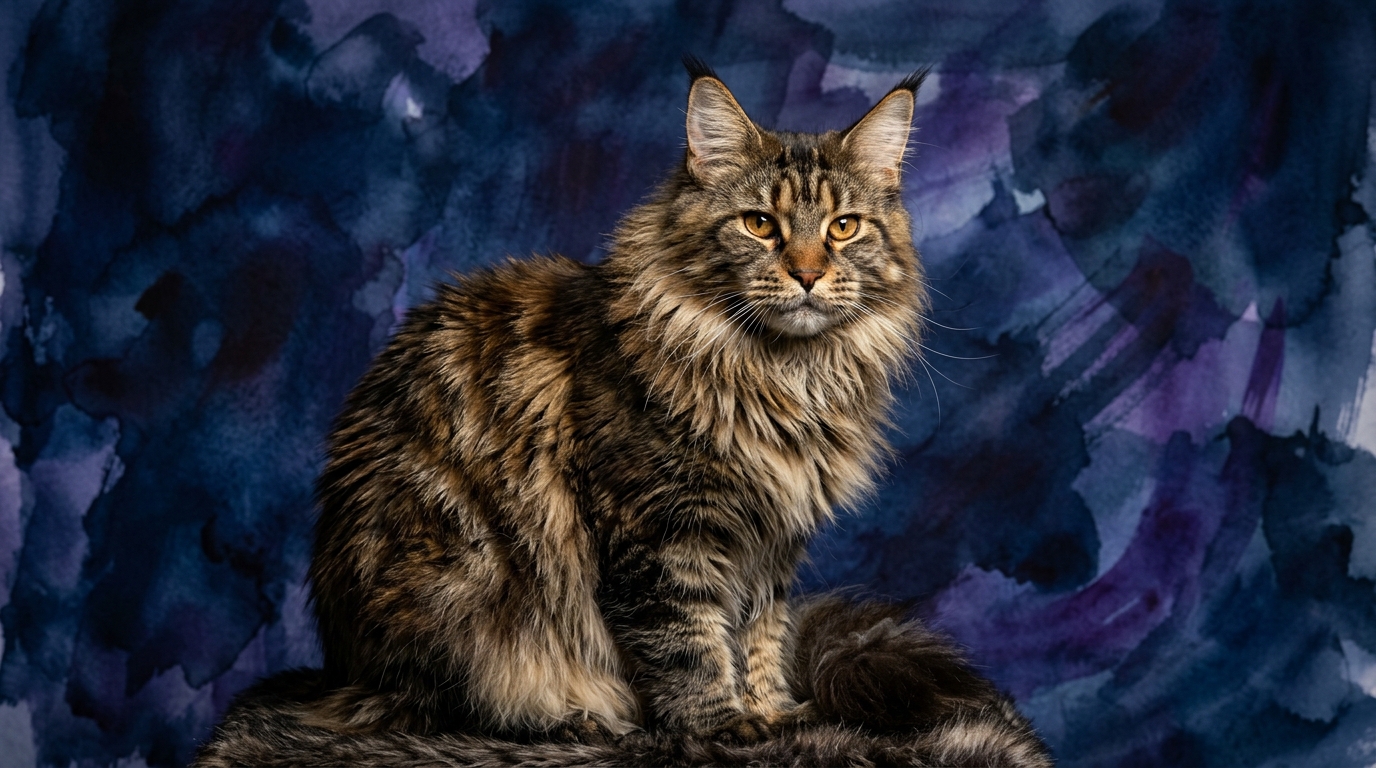
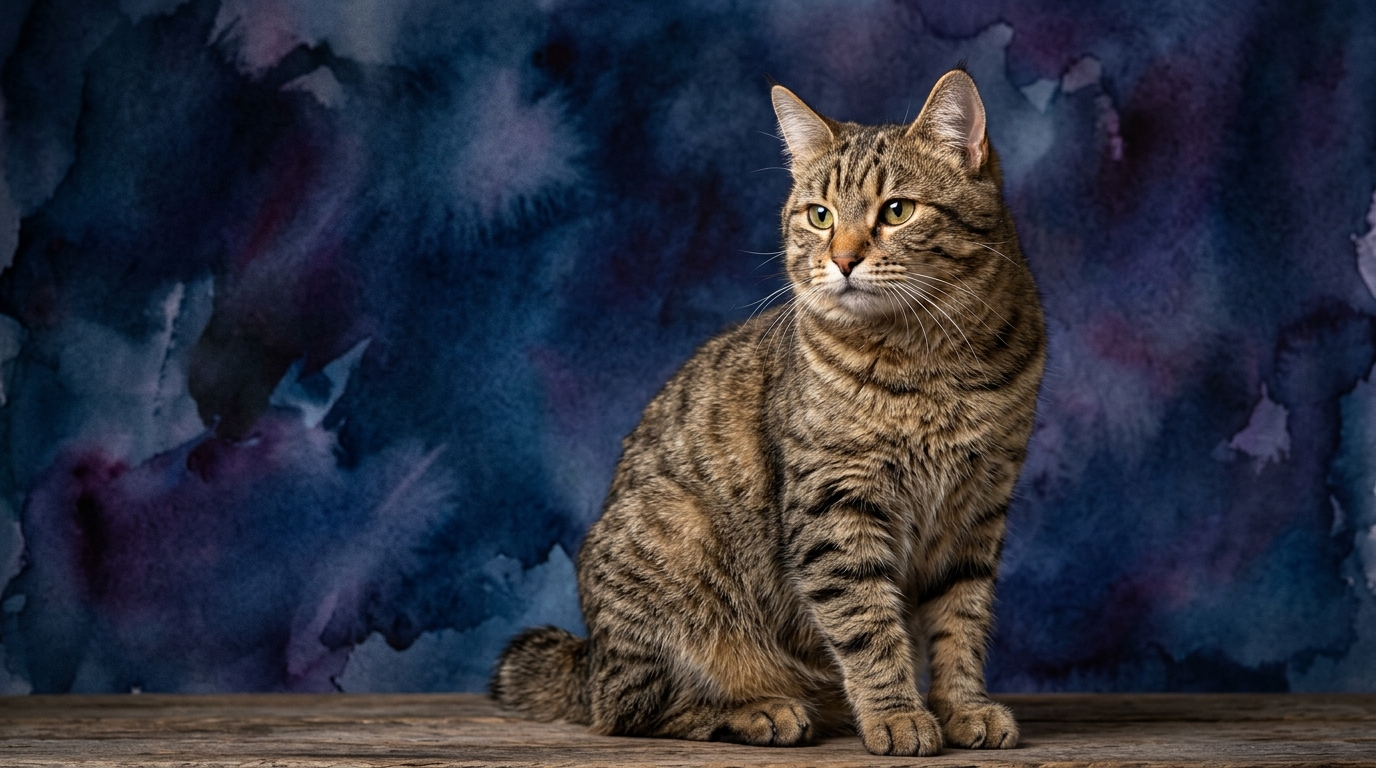
Side-by-Side IQ Profile: Maine Coon vs. Pixiebob
The Cosmic Pet Pet IQ Lab provides a detailed framework for understanding feline cognitive abilities across five key dimensions. Examining these scores for the Maine Coon and Pixiebob reveals their inherent mental predispositions.
The Maine Coon presents a robust cognitive profile:
Problem Solving (4/5): These cats display a notable aptitude for navigating their environment and overcoming obstacles. Their curiosity drives them to explore cause-and-effect relationships, often leading them to figure out how to open specific types of doors, retrieve hidden treats from puzzle toys, or even manipulate light switches. They learn from observation and apply previous successes to new, similar challenges, showcasing a flexible approach to novel situations.
Training Speed (4/5): The Maine Coon's responsiveness to training is often a pleasant surprise for cat owners. Their cooperative nature and desire for social interaction mean they typically respond well to positive reinforcement methods. They can quickly associate commands with actions, learning tricks like 'sit,' 'stay,' or even walking on a leash with remarkable efficiency when consistent training is applied.
Social Intelligence (5/5): This breed truly excels in understanding and integrating into human social structures. A Maine Coon often reads human moods, responds to vocal tones, and seeks appropriate interaction, whether it's a quiet cuddle or an energetic play session. They form deep, communicative bonds with their family members, often acting as a watchful, empathetic presence within the home.
Instinctive Drive (4/5): While domesticated, the Maine Coon retains a strong, well-defined predatory instinct. This manifests as a keen interest in chasing and 'hunting' interactive toys, batting at laser pointers, or even engaging in games of fetch. This drive, when properly channeled through play, is a significant part of their personality, providing both entertainment and a vital outlet for their natural behaviors.
Memory (4/5): Maine Coons exhibit a solid capacity for recall. They remember routines, such as feeding times or preferred play sessions, and can retain complex associations over time. This includes remembering specific people, the locations of favored resting spots, or even sequences of actions required to achieve a desired outcome, contributing to their adaptability and trainability.
In contrast, the Pixiebob offers a more balanced, moderate cognitive blueprint:
Problem Solving (3/5): Pixiebobs approach problem-solving with a practical, albeit less complex, methodology. They are capable of understanding straightforward cause-and-effect scenarios, such as pushing a toy to make it move or navigating a simple maze for a treat. However, they may require more direct instruction or repeated exposure to master more intricate challenges, preferring simple, effective solutions over elaborate experimentation.
Training Speed (3/5): Training a Pixiebob requires patience and a consistent approach. While they can certainly learn commands and routines, their learning curve might be more gradual compared to breeds with higher scores. Success often hinges on identifying their individual motivators and employing short, engaging training sessions that reinforce positive behaviors without overwhelming them.
Social Intelligence (3/5): Pixiebobs are affectionate and bond with their families, but their social expressions can be more subtle. They observe their human companions closely and enjoy being present, often choosing to be near rather than constantly on a lap. Their social engagement is often described as thoughtful; they appreciate companionship but may not actively seek constant, overt interaction in the same way a Maine Coon might.
Instinctive Drive (3/5): The Pixiebob possesses a moderate, well-balanced instinctive drive. They enjoy play that simulates hunting, but this drive is typically less intense or persistent than in breeds bred for more robust predatory roles. This means they are content with regular, but perhaps not exhaustive, play sessions, and their natural instincts are generally manageable within a household setting.
Memory (3/5): Pixiebobs demonstrate a functional memory for daily routines and important associations. They remember where their food bowls are, the sound of their owner's return, and familiar faces. While they may not retain as many intricate details or complex sequences as breeds with higher memory scores, their recall is sufficient for navigating their home and maintaining a predictable daily rhythm.
Where the Maine Coon Excels Cognitively
The Maine Coon's cognitive profile demonstrates a clear advantage in several key areas, making them distinctively adaptable and interactive companions. Their Problem Solving score of 4/5 indicates a higher capacity for complex thought and environmental manipulation. Owners often observe them strategizing to access favorite spots or figuring out how household objects function, going beyond simple trial-and-error to apply learned solutions. This translates into a cat that can be more engaging with puzzle toys and more curious about its surroundings.
Furthermore, their exceptional Social Intelligence (5/5) means Maine Coons are particularly adept at understanding and responding to human emotional states and communication cues. This makes them remarkably attuned to family dynamics, often seeking to participate actively in household life and forming deeply empathetic bonds. Their higher Training Speed (4/5) is directly linked to this social acumen and their problem-solving skills; they process new commands and routines more quickly, often eager to cooperate for positive reinforcement and social interaction. Finally, their robust Memory (4/5) ensures that these learned behaviors and complex associations are retained, building a foundation for consistent behavior and enriched interaction over time.
Where the Pixiebob's Profile Offers Unique Strengths
While the Maine Coon generally demonstrates higher scores across all cognitive dimensions, the Pixiebob's unique profile offers distinct advantages for specific owner lifestyles and household dynamics. Their moderate Instinctive Drive (3/5), for instance, can translate into a less intense focus on 'hunting' household items or small pets. This might mean fewer instances of destructive play or relentless pursuit of perceived prey, offering a calmer, more predictable presence for owners who prefer a less overtly driven feline.
Furthermore, the Pixiebob's Social Intelligence (3/5), while not as effusive as the Maine Coon's, fosters a subtle, observant companionship. They are present and affectionate without being constantly demanding of attention, making them ideal for individuals who appreciate a cat's independent spirit and quiet loyalty. This allows for a harmonious coexistence where the cat is engaged but not overwhelming. Their Problem Solving at 3/5 also means they are less likely to creatively dismantle complex household objects or figure out intricate ways to access forbidden areas, potentially simplifying household management and reducing the need for constant 'cat-proofing' against a highly curious mind. In essence, the Pixiebob's cognitive balance offers a stable, easygoing companion whose mental energy is well-contained within the domestic sphere.
Ease of Training: Behavioral Differences in Action
When it comes to training, the cognitive differences between the Maine Coon and Pixiebob translate into tangible behavioral variations. The Maine Coon, with its 4/5 Training Speed and 5/5 Social Intelligence, generally proves to be a more receptive and cooperative student. Their eagerness to engage with humans and their capacity to quickly grasp cause-and-effect relationships make them proficient at learning tricks, responding to verbal cues, and adapting to routines such as leash walking or harness training. They often view training as a form of interactive play and bonding, accelerating their learning process. Their strong memory ensures that once a behavior is learned, it is well-retained, requiring less frequent reinforcement to maintain.
The Pixiebob, scoring 3/5 in Training Speed and Social Intelligence, can certainly be trained, but the process typically demands more patience and consistency from the owner. Their slightly more reserved social nature means building a strong foundation of trust and understanding their individual motivators — be it a specific treat or a favorite toy — is paramount. While they are capable of learning basic commands and house rules, the pace might be slower, and lessons might need more repetition to solidify. Owners should approach Pixiebob training with realistic expectations, focusing on positive reinforcement and celebrating small successes, understanding that their learning style is more deliberate than the Maine Coon's.
Matching Feline Intelligence to Owner Lifestyles
The cognitive profiles of the Maine Coon and Pixiebob suggest they are best suited for different owner lifestyles, reflecting their distinct needs for mental engagement and social interaction.
For the Active Owner: The Maine Coon is an excellent match for individuals or families who thrive on interaction and are keen to provide consistent mental stimulation. Their high Problem Solving (4/5) and Instinctive Drive (4/5) mean they flourish with interactive play sessions involving puzzle toys, fetch, and even agility training. Owners who enjoy teaching their pets new behaviors and engaging in conversational 'chatting' will find the Maine Coon's 5/5 Social Intelligence incredibly rewarding. They are not content to merely observe; they want to be an active, participating member of the household, requiring owners who can meet their demands for intellectual and social engagement.
For the Relaxed Owner: The Pixiebob, with its generally balanced 3/5 scores across cognitive dimensions, is often a better fit for owners who appreciate a calmer, more predictable feline presence. While they certainly enjoy play and affection, their needs for intense mental puzzles or constant social interaction are typically more moderate. They are content to observe and be near their family without constantly demanding attention or intricate games. A relaxed owner will appreciate the Pixiebob's stable temperament and the lower likelihood of them creatively dismantling household items out of boredom. They offer companionship that is present and affectionate, yet allows for a more independent coexistence, making them ideal for those seeking a tranquil, undemanding feline companion.
The Verdict
Choose a Maine Coon if you desire a highly interactive, quick-learning companion eager to engage in complex play and social dynamics, and you're prepared to provide consistent mental enrichment.
Choose a Pixiebob if you seek a stable, observant feline companion that enjoys a predictable routine and offers affectionate presence without constant demands for complex interaction or training.
🧠 Find Your Pet's IQ Score
Our Pet IQ Lab assessment covers 25+ tests across 5 cognitive dimensions — personalized to your breed.
Take the Full IQ Test →Frequently Asked Questions
Are Maine Coons generally vocal?
Maine Coons, with their high social intelligence, are often quite vocal, using a range of chirps, trills, and meows to communicate with their human companions. This is part of their interactive nature and how they engage with their family.
Do Pixiebobs typically get along with other pets?
Pixiebobs, while having a moderate social intelligence, can generally adapt well to living with other pets, especially if introduced thoughtfully. Their calm demeanor and balanced instinctive drive often allow for peaceful coexistence in multi-pet households.
How much mental stimulation does a Maine Coon need daily?
Maine Coons, with their 4/5 problem-solving and memory, benefit from regular mental challenges like puzzle feeders, interactive toys, and training sessions for 15-30 minutes daily to prevent boredom and keep their minds engaged.