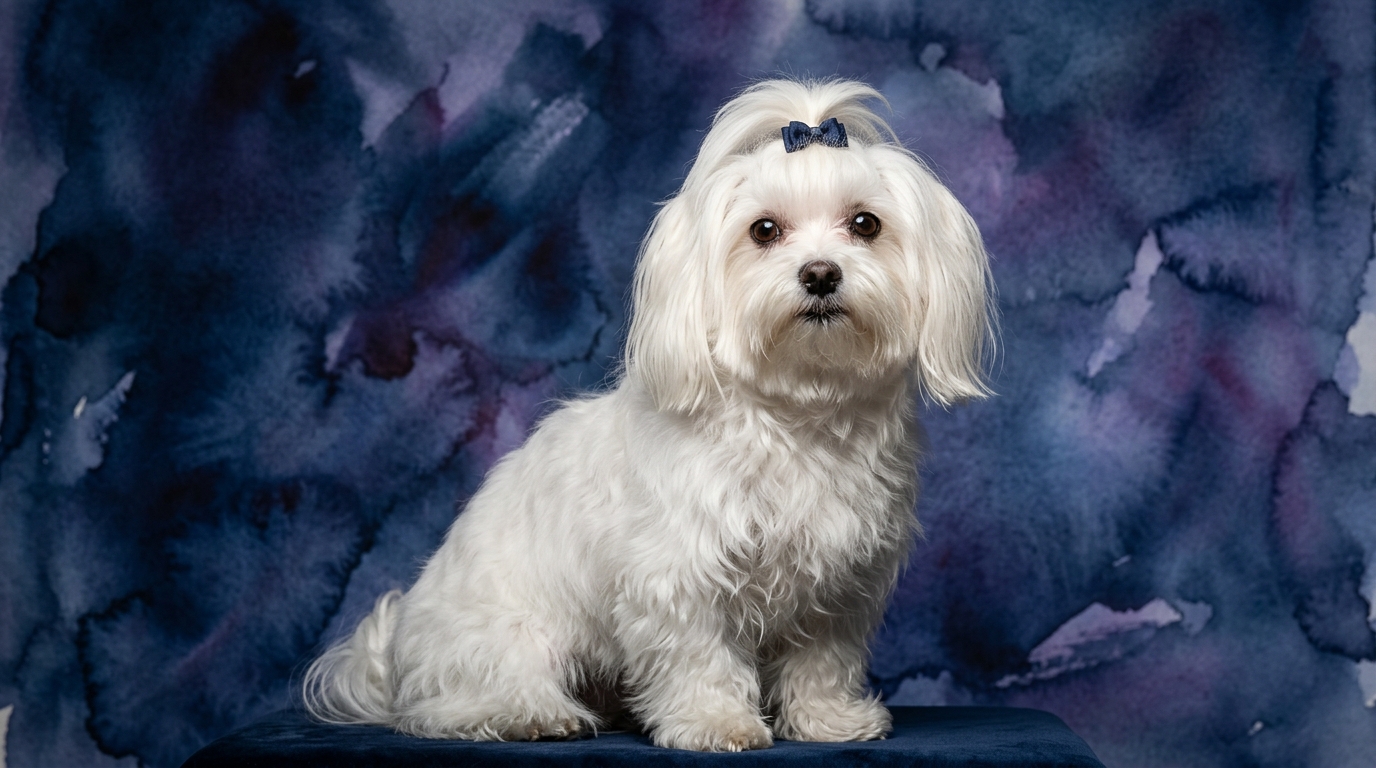
Side-by-Side IQ Profile: Maltese
The Maltese, a cherished Toy breed, possesses a Coren rank of #59, indicating a moderate capacity for understanding and obeying new commands. Their cognitive breakdown reveals specific strengths and areas for development. In Problem Solving, they score 3/5, capable of navigating moderately complex situations, often relying on keen observation and social skills to interpret cues rather than relying on brute-force trial and error. Their Training Speed is also 3/5, meaning they learn new commands at a moderate pace, thriving on positive reinforcement and consistent, engaging sessions, with their desire to please their human companions being a significant motivator.
Where the Maltese truly shines is in Social Intelligence, earning a perfect 5/5. They are exceptionally attuned to human emotions and social dynamics, making them highly responsive companions who often anticipate needs or react to subtle changes in mood. Their Instinctive Drive is quite low at 2/5, aligning with their historical role as companion animals whose primary instinct is often to seek comfort and companionship rather than engage in tasks like hunting or guarding. Finally, their Memory is rated 3/5, indicating a solid ability to recall routines, people, and learned commands, though consistency helps reinforce their retention.
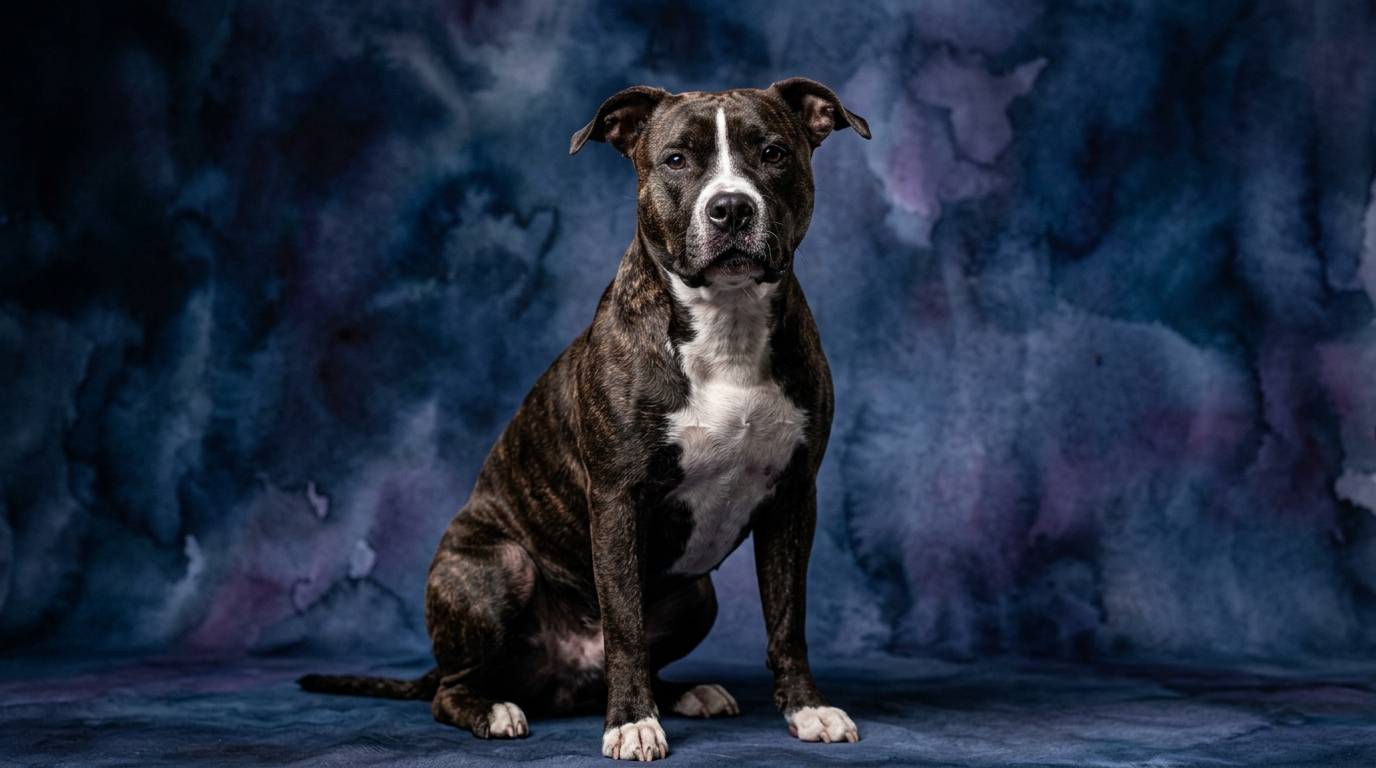
Side-by-Side IQ Profile: American Staffordshire Terrier
The American Staffordshire Terrier, a powerful Terrier breed, holds a Coren rank of #48, suggesting a higher aptitude for working and obedience intelligence compared to the Maltese. Their cognitive profile demonstrates a blend of physical prowess and mental acuity. Like the Maltese, they score 3/5 in Problem Solving, able to tackle new challenges with a thoughtful approach, though they might benefit from structured guidance. Their Training Speed is also 3/5; they learn at a steady pace, responding well to clear, consistent training methods, with their eagerness to engage and physical capabilities enabling them to master complex physical tasks.
In Social Intelligence, the AmStaff scores 3/5. While generally affable and good-natured, they understand human cues but may not possess the same nuanced sensitivity as breeds specifically bred for close companionship. Their Instinctive Drive is a moderate 3/5, often manifesting as a desire to engage in physical activities, explore, or protect their family, which can be channeled positively in training and sport. A notable strength for the AmStaff is their Memory, rated 4/5. This indicates a strong ability to retain learned behaviors, commands, and experiences over time, aiding in long-term skill development and reliable performance.
Where the Maltese Wins Cognitively
The Maltese's paramount cognitive advantage lies in its exceptional social intelligence (5/5). They are profoundly empathetic, often sensing and responding to human emotional states with remarkable accuracy, making them unparalleled comfort companions. This acute sensitivity allows them to form deep, intricate bonds, often anticipating their owner's needs or reacting to subtle shifts in mood or tone before an explicit command is given.
This high social intelligence translates into a unique ability to integrate seamlessly into a human family's emotional landscape. While their problem-solving and training speed scores are average, their capacity to understand and reciprocate affection, and to use social cues for communication, sets them apart. They excel in environments where emotional connection and nuanced interaction are prioritized, often learning complex routines through observation of human behavior rather than just command repetition.
Where the American Staffordshire Terrier Wins Cognitively
The American Staffordshire Terrier demonstrates a distinct cognitive edge in memory (4/5) and a slightly higher instinctive drive (3/5), coupled with a superior Coren rank (#48 vs #59). Their robust memory means they retain learned commands and experiences over extended periods, making them excellent candidates for advanced training and consistent performance in various disciplines. This cognitive staying power ensures that once a concept is grasped, it is likely to be remembered and applied reliably.
Their moderate instinctive drive, combined with this strong memory, equips them for more structured activities and working roles. While not as socially attuned as the Maltese, their capacity for remembering complex sequences and their eagerness to engage physically allow them to excel in dog sports, obedience trials, or roles requiring consistent application of learned skills. This combination makes them particularly adept at mastering and performing intricate tasks with precision and reliability.
Which is Easier to Train and Why
When evaluating ease of training, both breeds share a moderate training speed score (3/5), yet their learning motivations diverge. The Maltese, with its exceptional social intelligence (5/5), often learns quickly due to a strong desire for human connection and approval. They thrive on positive reinforcement and gentle guidance, potentially using their social savvy to 'train' owners if consistency wavers, and are sensitive to harsh corrections.
The American Staffordshire Terrier, while also responding well to positive methods, benefits from a stronger memory (4/5) and moderate instinctive drive (3/5), alongside a higher Coren rank. This combination means learned behaviors are retained longer, and their drive can be channeled into focused sessions for complex tasks. Their robust memory and eagerness to engage physically make them reliable performers in structured training, though their independent nature requires a firm, consistent approach to maintain focus.
Which Suits Active Owners vs Relaxed Owners
For relaxed owners desiring a deeply connected, emotionally responsive companion, the Maltese is an ideal choice. Their low instinctive drive (2/5) and high social intelligence (5/5) mean they flourish with companionship, cuddles, and gentle indoor play, making them perfect lap dogs content with shorter walks. Their primary 'activity' is often emotional engagement with their family, requiring minimal strenuous physical exertion but maximum emotional investment.
Active owners will find the American Staffordshire Terrier a more suitable match. Their moderate instinctive drive (3/5), physical build, and robust memory (4/5) demand regular exercise, mental stimulation, and structured activities. AmStaffs excel in dog sports, long walks, and engaging play that challenges both body and mind, thriving when given consistent routines to channel their energy and intelligence productively for hiking, agility, or obedience.
The Verdict
If your lifestyle prioritizes deep emotional connection, nuanced social interaction, and a companion content with a calm indoor environment, the Maltese is your ideal match.
Opt for the American Staffordshire Terrier if you're an active individual or family seeking a physically capable, mentally robust partner for structured activities and consistent engagement.
🧠 Find Your Pet's IQ Score
Our Pet IQ Lab assessment covers 25+ tests across 5 cognitive dimensions — personalized to your breed.
Take the Full IQ Test →Frequently Asked Questions
Do Maltese dogs excel at learning tricks?
While their training speed is moderate (3/5), their exceptional social intelligence (5/5) and desire to please mean they can certainly learn a variety of tricks, especially those involving interaction and attention. Consistency and positive reinforcement are key to their success.
Are American Staffordshire Terriers difficult to train?
Not at all. With a training speed of 3/5 and strong memory (4/5), they are quite capable learners. Their drive and physical nature mean they thrive with clear, consistent methods and benefit from channeling their energy into structured activities and positive reinforcement.
How do their Coren rankings relate to daily life?
The AmStaff's higher Coren rank (#48 vs #59) suggests they generally grasp and obey commands with fewer repetitions. For daily life, this means an AmStaff might pick up household rules or specific cues a bit faster, while a Maltese's social intelligence makes them highly intuitive to your routine and emotional state.