Side-by-Side Cognitive Profiles: Maltese vs. Border Terrier
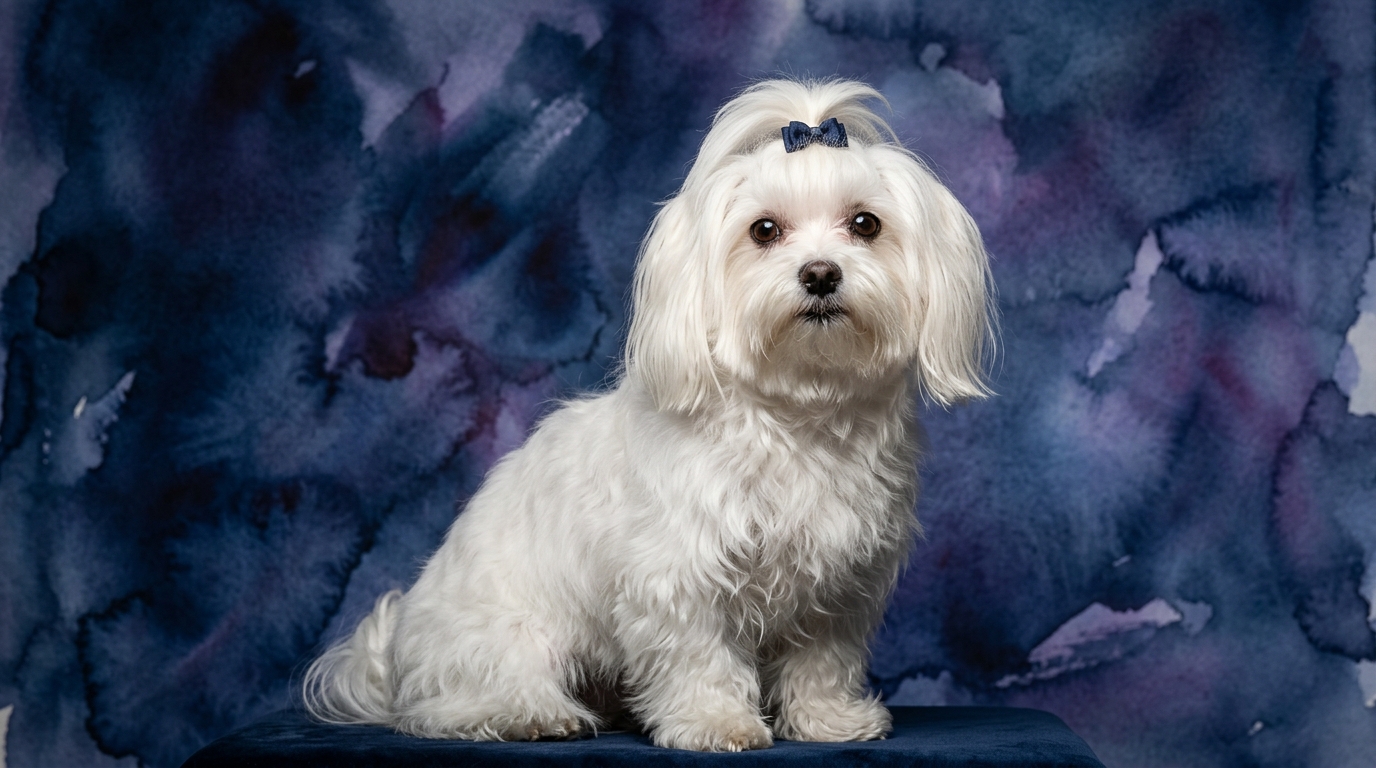
The Maltese, a breed from the Toy group, presents a unique cognitive makeup, particularly shining in areas of social acumen. Their Problem Solving ability rates at 3/5, indicating they can navigate moderate challenges and learn routines with some guidance, often relying on human input for solutions. Training Speed also sits at 3/5, suggesting a steady but not exceptionally rapid pace for command acquisition. Where the Maltese truly excels is in Social Intelligence, scoring a perfect 5/5; these dogs are profoundly attuned to human emotions, body language, and social cues, making them exceptionally empathetic and interactive companions. Their Instinctive Drive is low at 2/5, meaning they possess minimal inherent drive for tasks like hunting or herding, aligning with their companion role. Memory is rated at 3/5, signifying a solid but not extraordinary capacity for recall.
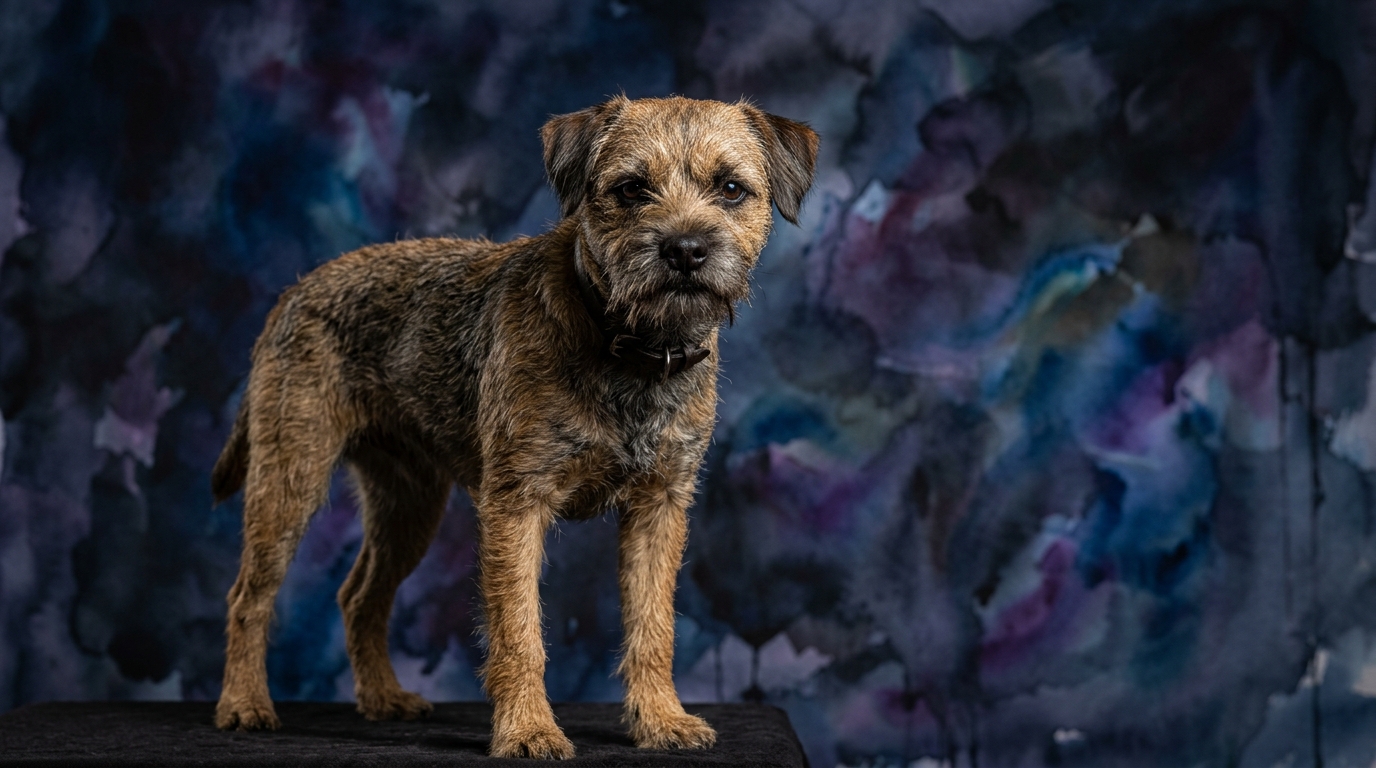
In contrast, the Border Terrier, a member of the Terrier group, displays a different set of cognitive priorities, rooted in their working heritage. Their Problem Solving capability is higher at 4/5, reflecting a breed that is often resourceful and adept at figuring out puzzles or navigating complex environments independently. Training Speed also outpaces the Maltese at 4/5, indicating a quicker grasp of new commands and a generally faster learning curve. Social Intelligence for the Border Terrier is 3/5; while they are certainly capable of forming strong bonds and understanding human interactions, their focus isn't solely on pleasing or mirroring emotions as intensely as the Maltese. Their Instinctive Drive is moderate at 3/5, reflecting a discernible prey drive and a propensity for independent action characteristic of terriers. Memory, at 4/5, suggests a strong ability to retain lessons, routines, and experiences over time.
Where the Maltese Wins Cognitively
The Maltese's undeniable cognitive strength lies in their exceptional Social Intelligence, scoring a full 5/5. This isn't merely about being affectionate; it's a deep-seated ability to read, interpret, and respond to human emotions and intentions with remarkable accuracy. A Maltese can often sense a change in your mood before you even vocalize it, offering comfort or adapting their behavior to match the household's emotional tone. This profound social awareness means they are incredibly responsive to subtle cues, making them intuitive companions who seamlessly integrate into family dynamics. They excel at emotional communication, often using their own body language and vocalizations to convey their needs and feelings in a way that is easily understood by their human counterparts. This high social IQ fosters an incredibly strong, empathetic bond, making them unparalleled at providing emotional support and companionship.
Where the Border Terrier Wins Cognitively
The Border Terrier's cognitive advantages are most evident in their practical intelligence and learning efficiency. With a Problem Solving score of 4/5, they demonstrate a superior capacity for independent thought and navigating challenges. This often translates into a dog that can figure out how to open gates, retrieve hidden toys, or devise creative solutions to reach desired objects. Their Training Speed, also at 4/5, means they pick up new commands and routines more quickly than many other breeds, often requiring fewer repetitions to solidify a behavior. Coupled with a Memory score of 4/5, Border Terriers retain these lessons effectively, making them excellent candidates for advanced training, dog sports, or complex trick learning. Their robust memory also helps them recall specific locations, people, and past experiences, contributing to their adaptability and consistent performance in structured activities.
Which is Easier to Train and Why
When considering ease of training, the Border Terrier generally holds an edge due to its higher Training Speed (4/5) and stronger Memory (4/5). These traits mean they typically grasp new commands more quickly and retain them over longer periods. Their problem-solving acumen also contributes, as they can often infer what is expected of them in a training scenario. However, their moderate Instinctive Drive (3/5) means they can be easily distracted by scents or small prey, requiring consistent engagement and clear boundaries during sessions. While they learn fast, their independent nature means training must be engaging and rewarding to maintain their focus.
The Maltese, with a Training Speed of 3/5 and Memory of 3/5, might take a bit longer to learn new commands. However, their supreme Social Intelligence (5/5) can be a significant advantage. They are highly motivated by human interaction and praise, making them eager to please their owners. While they may require more repetitions, their desire for connection and understanding of human cues means they are often highly cooperative once they understand what is being asked. Their lower Instinctive Drive (2/5) also means they are less likely to be distracted by environmental stimuli, allowing for more focused training sessions, particularly in a home environment.
Which Suits Active Owners vs. Relaxed Owners
The Border Terrier, with its higher scores in Problem Solving, Training Speed, and Instinctive Drive, is better suited for active owners. These dogs thrive on mental and physical stimulation, enjoying activities that challenge their intellect and utilize their moderate prey drive, such as agility, earthdog trials, or extensive trick training. Owners who enjoy long walks, hiking, or engaging in various dog sports will find a willing and capable partner in a Border Terrier. Their robust memory and quick learning make them excellent candidates for advanced obedience or competitive activities, and they benefit greatly from owners who can provide consistent, stimulating engagement.
Conversely, the Maltese is an ideal match for more relaxed owners who prioritize companionship and emotional connection. Their unparalleled Social Intelligence and lower Instinctive Drive mean they are content with being close to their humans, offering comfort and enjoying gentle play. While they still benefit from regular walks and mental enrichment, their primary need is for social interaction and a secure, loving environment. Owners who spend a lot of time at home, enjoy quiet evenings, and seek an empathetic, responsive companion will find the Maltese's cognitive profile perfectly aligns with a more serene lifestyle, thriving on affection and close proximity.
The Verdict
Choose the Maltese if your priority is a deeply empathetic, socially attuned companion who thrives on emotional connection and a more relaxed lifestyle.
Opt for the Border Terrier if you seek a quick-witted, problem-solving partner eager for engaging activities and more structured training challenges.
🧠 Find Your Pet's IQ Score
Our Pet IQ Lab assessment covers 25+ tests across 5 cognitive dimensions — personalized to your breed.
Take the Full IQ Test →Frequently Asked Questions
Do Maltese dogs respond well to positive reinforcement?
Absolutely, Maltese dogs, with their high Social Intelligence, respond exceptionally well to positive reinforcement like praise, gentle petting, and treats. Their desire to please and connect with their human companions makes them highly motivated by positive feedback during training sessions.
Are Border Terriers prone to independent thinking during training?
Yes, Border Terriers exhibit strong independent thinking due to their Problem Solving score of 4/5 and moderate Instinctive Drive. This means they might try to figure things out on their own or follow a scent, requiring trainers to be consistent and make sessions highly rewarding to maintain their focus.
Which breed is better for a first-time dog owner?
For a first-time owner, the Maltese might be slightly more forgiving due to their lower instinctive drives and high social intelligence, making them generally easier to manage in a home setting. Border Terriers, while trainable, require an owner committed to consistent training and mental stimulation to manage their independent nature and working drives.