Side-by-Side IQ Profile: Maltese vs. Bull Terrier
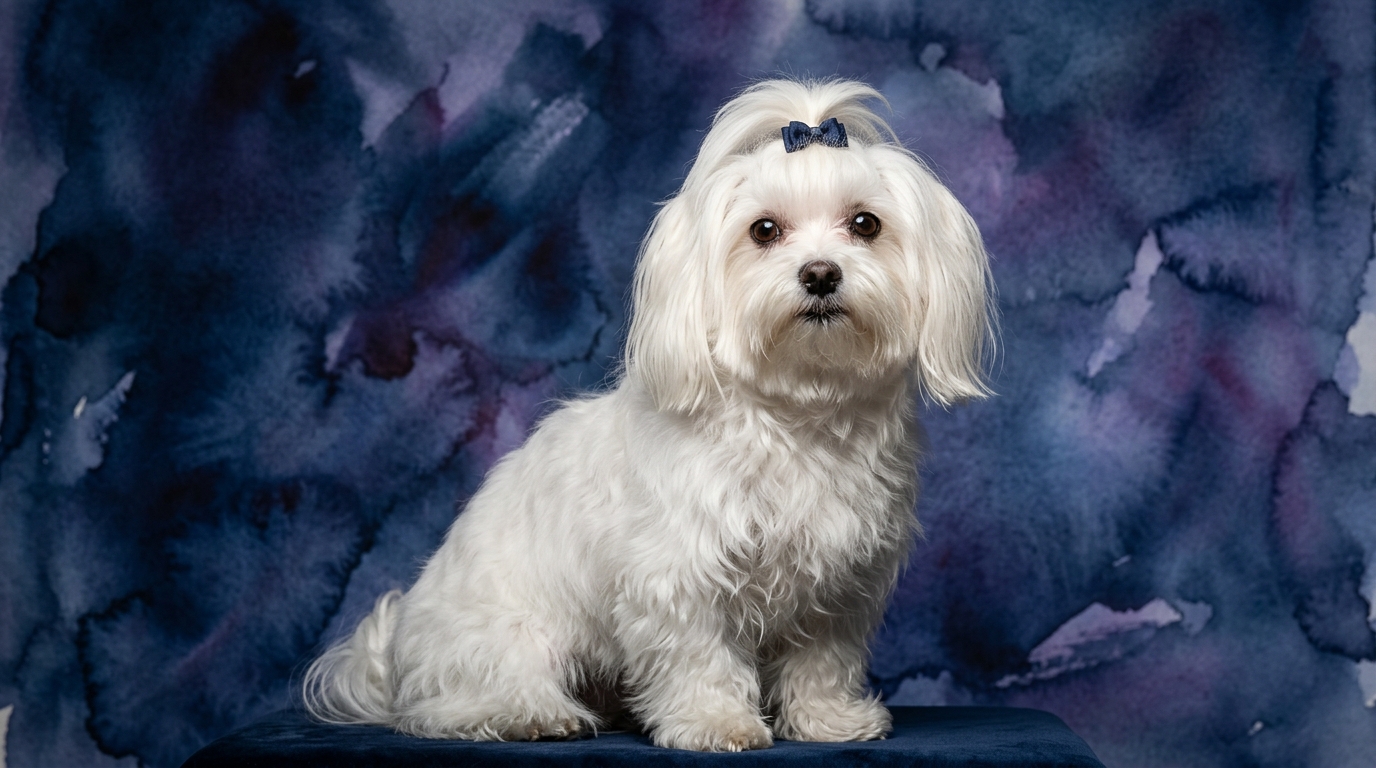
The Cosmic Pet Pet IQ Lab employs a comprehensive five-dimensional framework to assess canine intelligence, moving beyond simplistic notions of 'smartness' to pinpoint specific cognitive strengths. For the Maltese, a beloved Toy breed, its Coren rank stands at #59, indicating a moderate level of working and obedience intelligence. Its individual cognitive dimensions are: Problem Solving (3/5), suggesting a moderate capacity to independently figure out novel situations; Training Speed (3/5), reflecting a moderate pace in acquiring new commands; Social Intelligence (5/5), an exceptional aptitude for understanding human cues and emotions; Instinctive Drive (2/5), a low inherent motivation for tasks like hunting or guarding; and Memory (3/5), an average ability to retain information over time.
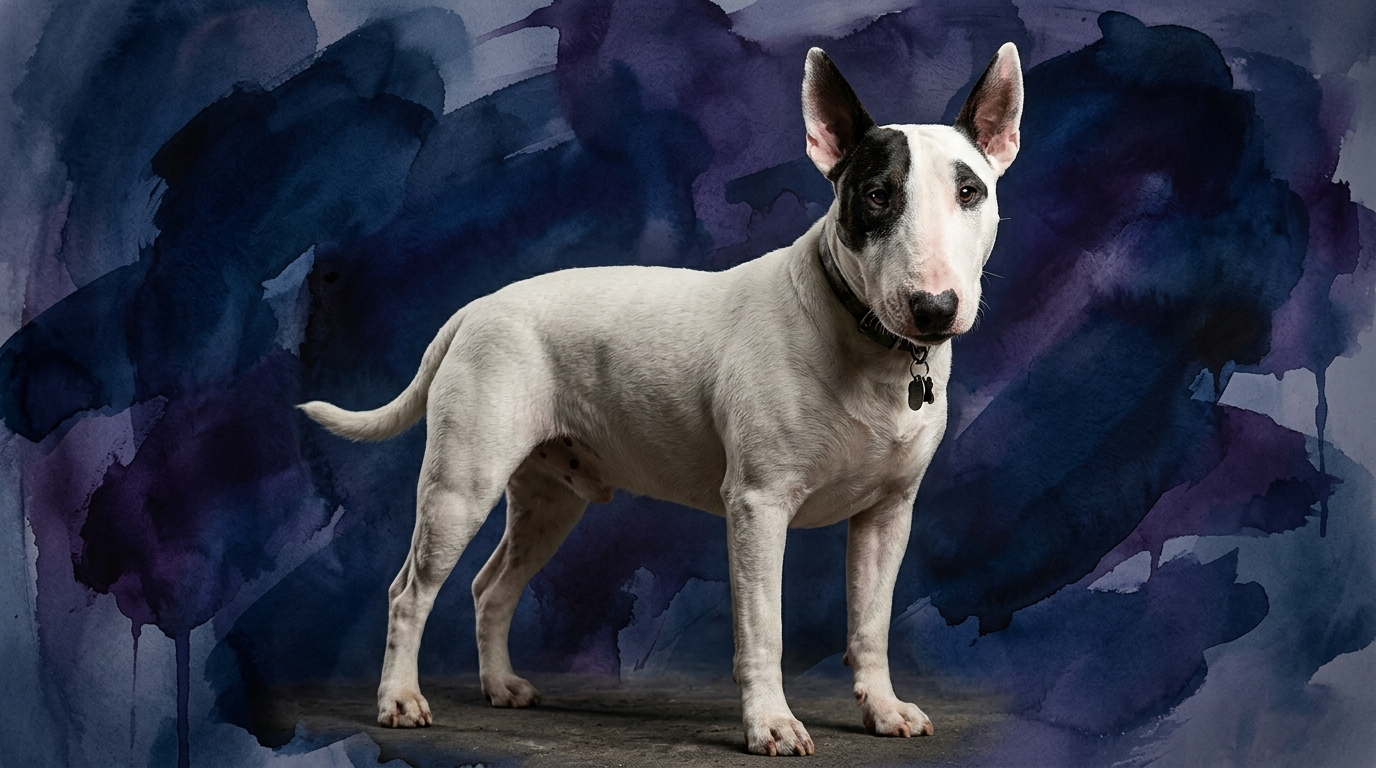
In contrast, the Bull Terrier, a sturdy Terrier breed, holds a Coren rank of #66, placing it slightly lower than the Maltese in terms of working and obedience intelligence. Its cognitive breakdown reveals: Problem Solving (3/5), mirroring the Maltese's moderate capacity for independent thought; Training Speed (3/5), also a moderate pace in learning new behaviors; Social Intelligence (3/5), a moderate understanding of human social dynamics, often accompanied by an independent streak; Instinctive Drive (3/5), a moderate inherent motivation that can manifest as persistence or playful tenacity; and Memory (3/5), an average capacity for recall, similar to the Maltese.
Where the Maltese Wins Cognitively
The Maltese undeniably shines in the realm of Social Intelligence, boasting a perfect 5/5 score compared to the Bull Terrier’s 3/5. This superior social acumen means a Maltese is exceptionally adept at reading and responding to human emotions and intentions. They possess an intuitive grasp of their owner's mood, often offering comfort or mirroring feelings with remarkable precision. This isn't just about being 'affectionate'; it's a sophisticated cognitive ability to interpret subtle facial expressions, vocal tones, and body language, allowing them to form deeply reciprocal and empathetic bonds. They might anticipate your needs, subtly nudge for attention when you're feeling down, or seem to 'understand' complex social situations within the household. This makes them profoundly attuned companions, often appearing to communicate on a more nuanced, emotional level than many other breeds.
Their low Instinctive Drive (2/5) further enhances their social compatibility, as they are less likely to be distracted by external stimuli like prey scent or territorial impulses. Instead, their cognitive focus remains predominantly on their human companions, making them highly responsive to social cues and validation. This focused attention on human interaction fosters a profound connection, where their intelligence is geared towards maintaining harmony and closeness within their social unit.
Where the Bull Terrier Wins Cognitively
While both breeds share similar scores in Problem Solving and Training Speed, the Bull Terrier edges out the Maltese in Instinctive Drive, scoring 3/5 compared to the Maltese's 2/5. This moderate instinctive drive translates into a more robust and persistent approach to engagement with the world. A Bull Terrier is more likely to engage in self-motivated exploration or persistent play, often demonstrating a determined spirit when pursuing an object or a game. This drive, while not as intense as in working breeds, provides an inherent push for activity and mental stimulation that goes beyond purely social interaction. They might exhibit a greater inclination for activities that involve searching, chasing, or manipulating objects, channeling their energy into purposeful play.
This moderate drive, combined with their sturdy physical nature, means Bull Terriers are often more robust in their engagement with their environment. They possess a certain 'can-do' attitude, even if it's self-directed or involves a degree of stubbornness. This cognitive trait means they can be more independent in their play and explorations, requiring owners to provide structured outlets for their mental and physical energy. Their persistence, when properly channeled, can make them formidable partners in activities like agility or scent work, where their drive to accomplish a task is a significant asset.
Which is Easier to Train and Why?
Despite both breeds scoring 3/5 in Training Speed, the Maltese (Coren rank #59) generally presents as an easier dog to train compared to the Bull Terrier (Coren rank #66). This difference largely stems from their divergent social intelligence and instinctive drives. The Maltese's exceptional Social Intelligence (5/5) means they are highly motivated by pleasing their human companions and responding to positive reinforcement. Their eagerness to connect and their ability to keenly read human cues make them remarkably receptive to training. They thrive on praise, affection, and the close bond formed during training sessions, which acts as a powerful motivator. Additionally, their low Instinctive Drive (2/5) means fewer internal distractions like a strong prey drive, allowing them to focus more intently on the task at hand and the trainer's instructions.
The Bull Terrier, with its moderate Social Intelligence (3/5) and moderate Instinctive Drive (3/5), can be more of a challenge. Their independence means they might not be as consistently motivated by owner approval alone, sometimes preferring to follow their own instincts or interests. Their persistence, while a strength in some contexts, can manifest as stubbornness if they don't see the immediate value in a command. Training a Bull Terrier often requires more creativity, consistency, and engaging methods to capture and maintain their attention. While they are certainly capable of learning, their training success hinges more on the owner's ability to make the process stimulating and rewarding, rather than solely relying on their innate desire to please.
Which Suits Active Owners vs. Relaxed Owners?
Considering their distinct cognitive profiles, the Maltese is an ideal companion for more relaxed owners or those seeking a less physically demanding pet. Their low Instinctive Drive (2/5) and smaller size mean they require less intense physical exercise, often content with indoor play, short walks, and ample cuddle time. Their high Social Intelligence (5/5) means their primary source of mental stimulation comes from interactive social engagement with their human family. They thrive on companionship, emotional connection, and being an integral part of daily household life, making them perfectly suited for individuals or families who prefer a calmer pace and a dog whose needs are largely met through close interaction and affection.
Conversely, the Bull Terrier is better suited for active owners who can provide consistent physical and mental engagement. Their moderate Instinctive Drive (3/5) and robust build necessitate regular exercise, including structured walks, vigorous play sessions, and activities that challenge their problem-solving skills. They benefit from owners who understand their need for outlets for their energy and persistence, such as obedience training, puzzle toys, or even dog sports. A sedentary lifestyle can lead to boredom and potentially destructive behaviors in a Bull Terrier, making them an excellent match for owners who enjoy an active lifestyle and appreciate a dog with a spirited, independent personality that requires dedicated attention to their needs for engagement and stimulation.
The Verdict
Choose a Maltese if you seek a deeply empathetic companion who excels at reading human emotions and thrives on close, reciprocal social bonds, fitting seamlessly into a more serene household.
Opt for a Bull Terrier if you appreciate a dog with a persistent, independent spirit and moderate drive, suitable for an owner who can provide consistent engagement and structured activity.
🧠 Find Your Pet's IQ Score
Our Pet IQ Lab assessment covers 25+ tests across 5 cognitive dimensions — personalized to your breed.
Take the Full IQ Test →Frequently Asked Questions
Do Maltese dogs understand human emotions better than Bull Terriers?
Yes, the Maltese scores 5/5 in social intelligence compared to the Bull Terrier's 3/5. This suggests Maltese dogs are exceptionally adept at interpreting human cues, expressions, and emotional states, making them highly attuned and empathetic companions.
Which breed is more likely to devise its own solutions to problems?
Both breeds score 3/5 in problem-solving, indicating a moderate capacity for independent thought in novel situations. While neither is at the top tier, both can learn to navigate challenges with some guidance and practice.
How do their instinctive drives impact their daily behavior?
The Maltese's low instinctive drive (2/5) means they are less prone to chasing or digging, preferring companionship. The Bull Terrier's moderate drive (3/5) suggests a greater propensity for playful persistence and a need for outlets for their energy, which might include more vigorous play or exploration.