Side-by-Side IQ Profile: Maltese vs. Cesky Terrier
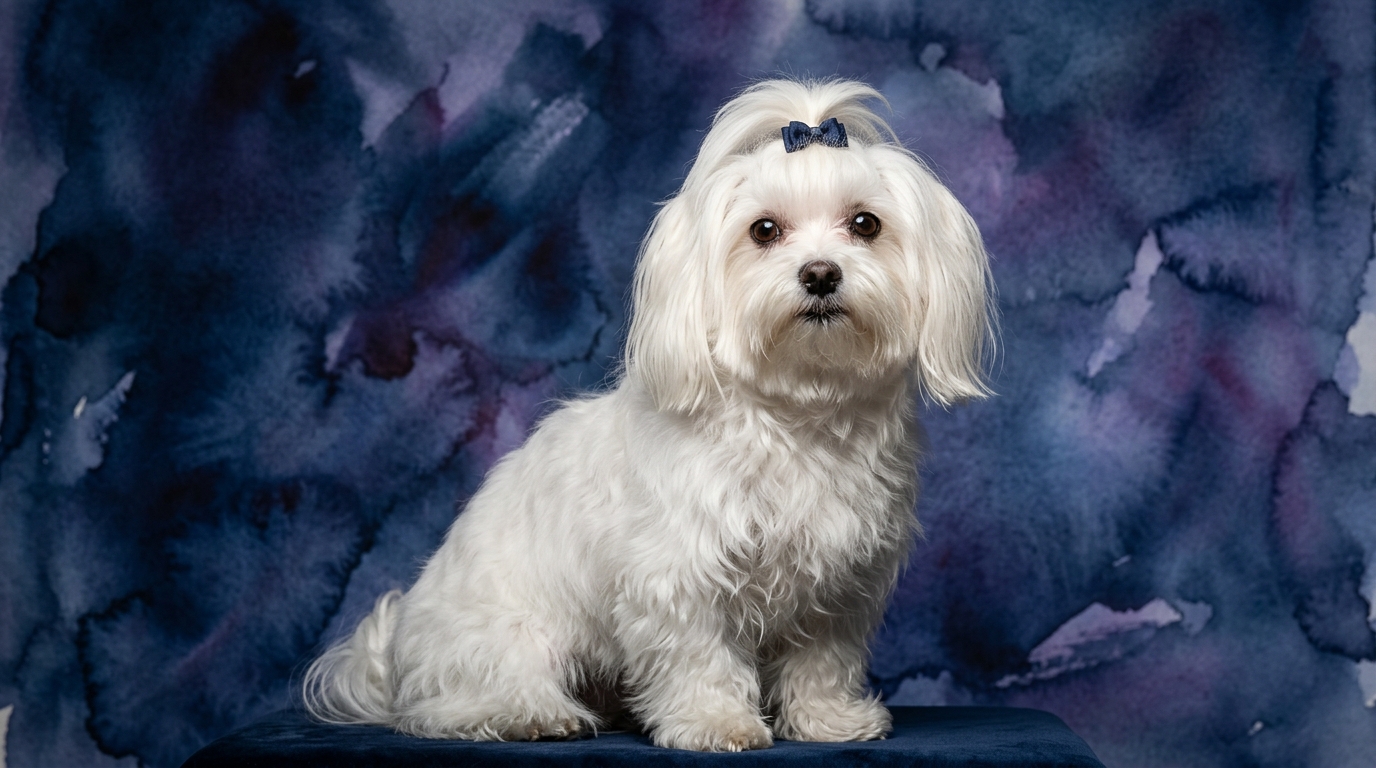
The Cosmic Pet Pet IQ Lab assesses canine intelligence across five crucial dimensions, offering a nuanced view beyond simple 'smart' labels. For the Maltese, a Toy group dog, we observe a Coren rank of #59, indicating a solid foundation in obedience and adaptive intelligence. Their Problem Solving score is 3/5, suggesting they can navigate moderate cognitive challenges, perhaps figuring out how to retrieve a toy from under furniture or manipulating a puzzle feeder with some effort. Training Speed also sits at 3/5, meaning they require consistent, clear instruction but are generally receptive to learning new commands over time. Where the Maltese truly shines is in Social Intelligence, scoring a remarkable 5/5; this reflects an exceptional ability to read human emotions, respond to subtle cues, and form deep, reciprocal bonds. Their Instinctive Drive is lower at 2/5, as their breeding history prioritizes companionship over independent work, and their Memory is 3/5, allowing them to retain learned behaviors and routines effectively.
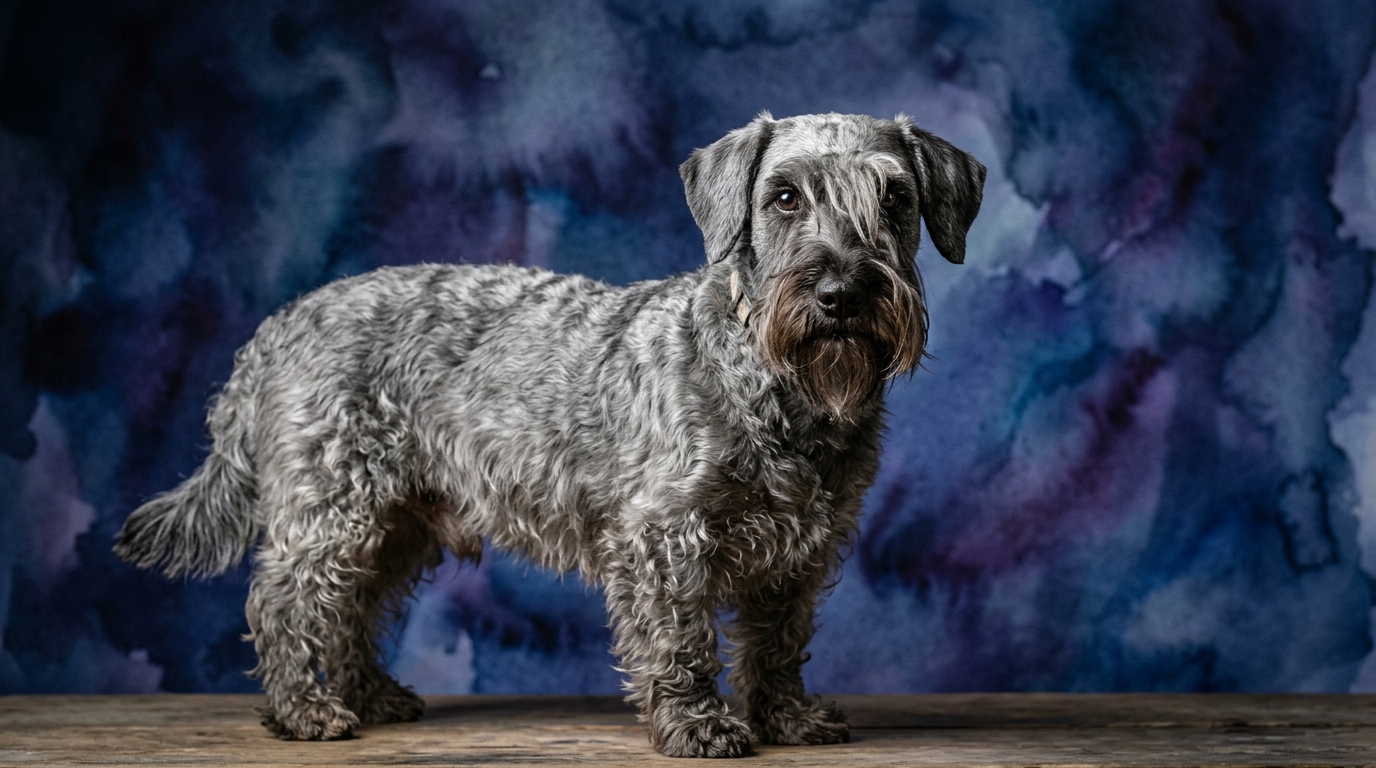
In contrast, the Cesky Terrier, a member of the Terrier group, does not have a Coren rank, which doesn't diminish their cognitive capabilities but rather highlights their distinct working heritage. Their Problem Solving score matches the Maltese at 3/5, indicating a similar capacity for tackling environmental puzzles or overcoming obstacles, often with a terrier's characteristic persistence. Training Speed is also 3/5, meaning like the Maltese, they benefit from structured training but aren't instant learners. The most significant divergence lies in Social Intelligence, where the Cesky scores 3/5; while capable of forming affectionate bonds, they exhibit a more independent streak and may not be as attuned to human emotional nuances as the Maltese. Their Instinctive Drive is higher at 3/5, reflecting their historical role as a hunting dog with innate urges for scenting, digging, and pursuit. Finally, their Memory is 3/5, providing a reliable capacity for recalling past experiences and learned commands.
Where the Maltese Wins Cognitively
The Maltese's exceptional Social Intelligence (5/5) is their undeniable cognitive superpower, setting them apart from many other breeds, including the Cesky Terrier. This high score means a Maltese is incredibly adept at understanding and responding to human communication, both verbal and non-verbal. They often seem to anticipate their owner's moods or desires, offering comfort or seeking interaction at just the right moment. This translates into a dog that is highly attuned to its family's emotional landscape, making them extraordinarily empathetic companions. For an owner, this means a Maltese might pick up on a subtle sigh or a shift in tone, adjusting their behavior accordingly – perhaps snuggling closer during a quiet evening or initiating play when sensing a need for cheer. Their strong social drive makes them eager to please and highly motivated by human approval and connection, which influences their overall learning and adaptability within a human household.
Where the Cesky Terrier Wins Cognitively
The Cesky Terrier's stronger Instinctive Drive (3/5) gives them a distinct cognitive edge in areas related to their working heritage. While their Problem Solving score is similar to the Maltese, the Cesky often applies this skill with a persistent, independent determination fueled by their natural drives. This means they are more likely to engage with environmental challenges that involve scenting, tracking, or investigating, displaying a tenacious focus that might be less apparent in a Maltese. A Cesky might excel at scent games, finding hidden treats with impressive dedication, or persistently working to unearth a perceived 'prey' in the yard. Their independence, stemming from their original purpose of working without constant human direction, also means they are more self-reliant in problem-solving tasks, less likely to look to their owner for immediate guidance and more inclined to figure things out on their own. This cognitive trait makes them particularly suited for activities that tap into their innate terrier grit and problem-solving tenacity.
Which is Easier to Train and Why
Both the Maltese and Cesky Terrier share a Training Speed score of 3/5, indicating they are moderately receptive to learning new commands. However, the Maltese's superior Social Intelligence (5/5) significantly contributes to an easier and often more rewarding training experience for the average owner. A Maltese is inherently motivated by pleasing their human companions and thrives on positive social reinforcement, such as praise, gentle petting, and shared attention. Their ability to quickly grasp human intentions and emotional states means they are more likely to understand what is being asked of them and adjust their behavior to gain approval. This makes them highly responsive to reward-based training methods that capitalize on their desire for connection.
The Cesky Terrier, while trainable, presents a different dynamic due to their lower Social Intelligence (3/5) and higher Instinctive Drive (3/5). They are intelligent enough to learn, but their independent nature means they may not always prioritize human approval to the same extent as a Maltese. Training a Cesky often requires more patience, consistency, and a deeper understanding of terrier motivations. They might be more inclined to follow their nose or pursue an interesting sound than to perfectly execute a 'sit' command if the distraction is more compelling. Successful training with a Cesky often involves making the training itself a fun, engaging puzzle that appeals to their problem-solving skills and instinctive drives, rather than solely relying on their desire to please.
Which Suits Active Owners vs. Relaxed Owners
For relaxed owners seeking a devoted, emotionally responsive companion, the Maltese is often the ideal choice. Their high social intelligence means they are content to spend much of their time in close proximity to their human family, thriving on companionship and interaction. While they enjoy short walks and playtime, their exercise needs are moderate, making them well-suited for apartment living or owners with a less demanding physical routine. They are excellent lapdogs and thrive in environments where they receive consistent attention and affection, making them perfect for those who enjoy a calm, interactive home life.
The Cesky Terrier, with its higher instinctive drive and independent nature, is better suited for more active owners who appreciate a dog with a bit more grit and a purpose. While not requiring marathon runs, they do benefit from regular, engaging activities that stimulate both their body and mind. Owners who enjoy structured walks, puzzle toys, scent work, or even earthdog trials would find the Cesky's natural tendencies fulfilling. Their independent streak means they can be content with periods of self-entertainment, but they also need outlets for their terrier energy and curiosity. They are best for owners who are prepared to provide consistent training, mental enrichment, and clear boundaries, channeling their natural drives into positive behaviors.
The Verdict: When to Choose Each Breed
The Verdict
Choose the Maltese if you prioritize a highly social, empathetic, and emotionally attuned companion who thrives on close human interaction and offers profound loyalty, ideal for a relaxed home environment.
Opt for the Cesky Terrier if you appreciate an independent, tenacious, and curious dog with a strong instinctive drive, suited for owners who can provide consistent training and engaging activities to fulfill their working heritage.
🧠 Find Your Pet's IQ Score
Our Pet IQ Lab assessment covers 25+ tests across 5 cognitive dimensions — personalized to your breed.
Take the Full IQ Test →Frequently Asked Questions
Are Maltese prone to separation anxiety?
Due to their high social intelligence and deep bonding capacity, Maltese can be more susceptible to separation anxiety if not properly conditioned to alone time from a young age. Their strong desire for human companionship means they thrive best when integrated into daily family life.
Do Cesky Terriers get along with other pets?
Cesky Terriers can get along well with other pets, especially if socialized early, but their instinctive drive may lead to a higher prey drive towards smaller, fast-moving animals. Proper introductions and supervision are crucial, particularly with cats or smaller rodents.
How do their grooming needs compare?
The Maltese requires significant grooming, including daily brushing to prevent mats in their long, silky coat and regular professional trims. The Cesky Terrier has a more manageable, wiry coat that benefits from regular brushing and occasional hand-stripping or clipping to maintain its texture and appearance.