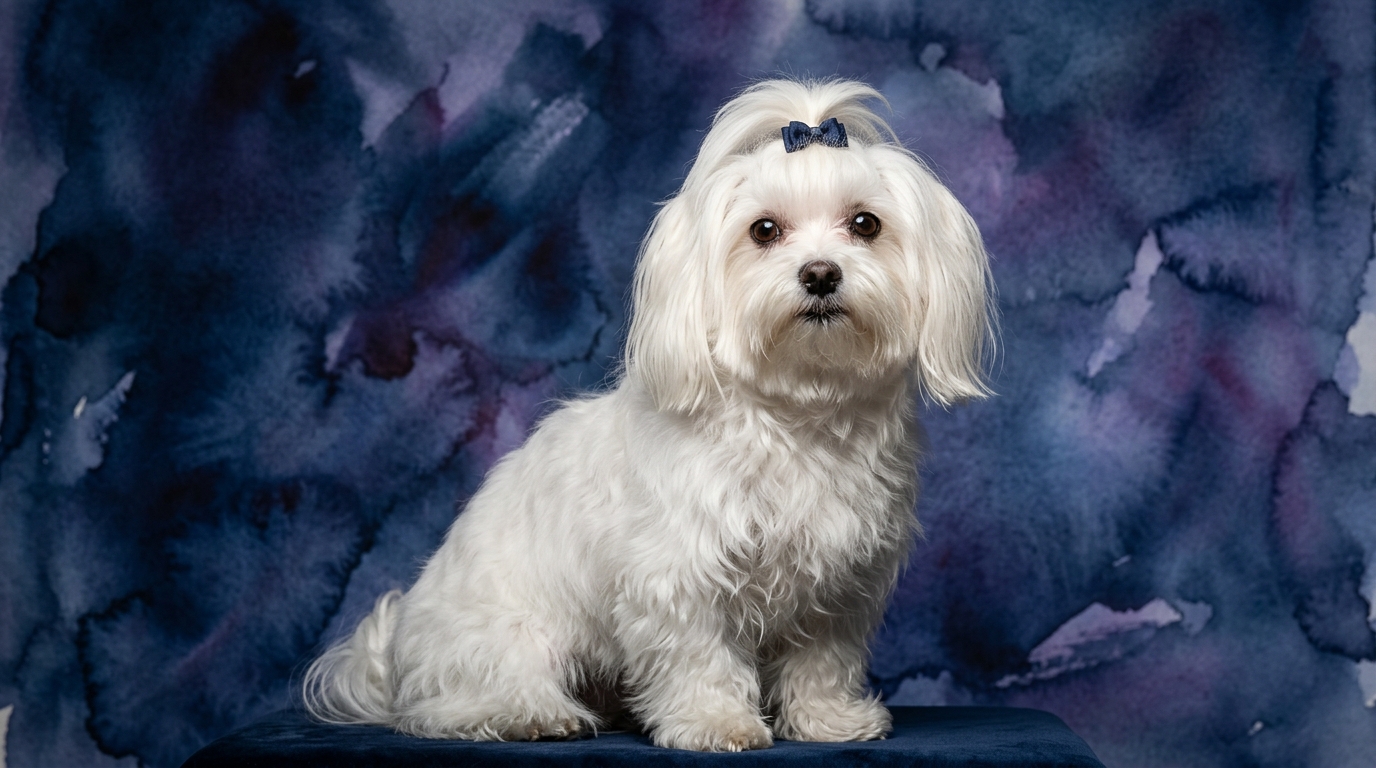
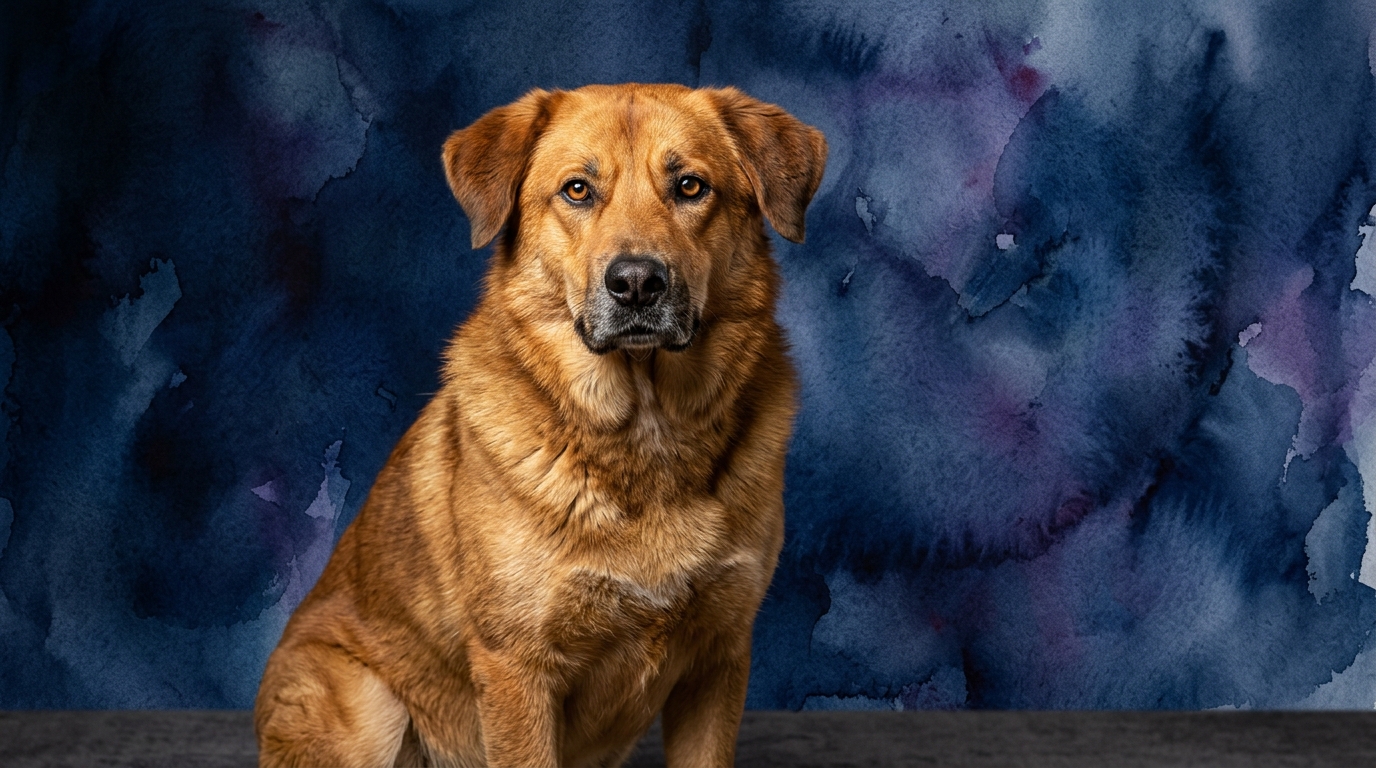
Side-by-Side Cognitive Profiles: Maltese vs. Chinook
The Cosmic Pet Pet IQ Lab employs a five-dimensional framework to assess canine intelligence, offering a nuanced understanding beyond simple obedience. For the Maltese, a beloved Toy group companion with a Coren rank of #59, their cognitive scores paint a picture of an emotionally sensitive and adaptable housemate. Their Problem Solving is rated 3/5, indicating a capacity to navigate household challenges, such as figuring out how to retrieve a dropped toy from under a sofa or understanding complex routines like meal times and walks. Training Speed for the Maltese also stands at 3/5, suggesting they grasp new commands at a moderate pace, thriving on positive reinforcement and consistent guidance.
Where the Maltese truly shines is in Social Intelligence, scoring an exceptional 5/5. This reflects their profound ability to attune to human emotions, interpret subtle social cues, and form deep, empathetic bonds with their caregivers. Their Instinctive Drive, however, is a modest 2/5, meaning their genetic predispositions lean heavily towards companionship rather than tasks like herding, guarding, or extensive hunting. Finally, their Memory is rated 3/5, indicating they retain learned commands and experiences effectively, especially when linked to positive interactions.
In contrast, the Chinook, a robust Working group breed not currently listed in Coren's rankings, presents a cognitive profile geared towards utility and endurance. Their Problem Solving capability is also 3/5, but this manifests in a practical, task-oriented way, such as finding efficient routes through varied terrain or understanding the mechanics of a gate latch. Their Training Speed aligns with the Maltese at 3/5, signifying they learn new tasks and commands at a steady rate, particularly when the training involves purpose-driven activities.
The Chinook’s Social Intelligence is 3/5, reflecting a strong loyalty and responsiveness to their immediate family, though perhaps less overt emotional attunement compared to the Maltese. Their Instinctive Drive is a solid 3/5, underpinning their heritage as sled dogs with a natural inclination for pulling, endurance, and navigating outdoor environments. This drive is a key component of their overall mental makeup. Their Memory, like the Maltese, is 3/5, crucial for retaining complex sequences of commands and learned routes essential for their historical working roles.
Where the Maltese’s Mind Excels
The most striking cognitive advantage for the Maltese lies in their unparalleled Social Intelligence, scoring a perfect 5/5 compared to the Chinook’s 3/5. This dimension signifies an extraordinary capacity for emotional attunement and human-canine communication. A Maltese often seems to anticipate their owner's moods or needs, responding to subtle shifts in facial expression, tone of voice, or body language that might go unnoticed by other breeds. They are masters at creating and maintaining deep, reciprocal emotional connections.
This exceptional social cognition makes the Maltese particularly adept at roles requiring close emotional support, often excelling as therapy dogs or simply as intuitive companions who offer comfort without explicit commands. Their motivation for learning and cooperation is often deeply rooted in a desire to please their human companions and maintain that strong social bond. For owners seeking a dog that feels like a true emotional confidant, the Maltese's cognitive wiring is uniquely suited to foster such a relationship.
Where the Chinook’s Mind Shines
While both breeds share similar scores in Problem Solving, Training Speed, and Memory, the Chinook’s moderate Instinctive Drive of 3/5 (compared to the Maltese’s 2/5) provides a distinctive cognitive edge in practical, task-oriented scenarios. This inherent drive stems from their working heritage, imbuing them with a mental resilience and sustained focus on completing a job or engaging in purposeful activity. Their minds are wired for endurance and navigating complex physical challenges, not just solving a quick puzzle.
This translates into a strong capacity for sustained mental engagement in activities like long hikes, pulling sports, or advanced obedience training where a clear objective is present. A Chinook’s cognitive strengths are best observed when they are given a 'job' to do, whether it's navigating a challenging trail or learning a multi-step routine. Their ability to maintain focus and dedication to a task, even with environmental distractions, showcases a different facet of cognitive strength, one less focused on immediate social feedback and more on intrinsic accomplishment.
Training Dynamics: Which Breed is Easier?
Assessing which breed is 'easier' to train requires understanding their core motivations, as both the Maltese and Chinook share a 3/5 rating for Training Speed and Problem Solving. The Maltese, with their stellar Social Intelligence, is primarily motivated by human interaction, praise, and gentle rewards. They are eager to please their human companions, making them highly responsive to positive reinforcement that strengthens the bond. Their desire for approval means they often learn basic obedience quickly, especially when training sessions are fun and engaging.
However, their focus might wane during repetitive or complex tasks that lack immediate social payoff. Keeping training sessions short, positive, and varied is key to maintaining a Maltese's engagement. They are less driven by an intrinsic need to perform a 'job' and more by the joy of companionship. While they might grasp concepts at a similar speed to a Chinook, their *compliance* is often tied to the strength of their relationship with the trainer and the perceived social reward.
The Chinook, conversely, is motivated by purpose and a sense of accomplishment, driven by their moderate instinctive drive. They thrive on having a 'job' to do, whether it's learning a new trick that leads to a reward, participating in a sport, or navigating a challenging environment. Training for a Chinook benefits from clear structure, consistency, and activities that tap into their working heritage. They might not be as overtly 'eager to please' for social praise alone as a Maltese, but once they understand the objective and their role, they commit to the task with focus and determination.
Therefore, while both breeds learn at a similar pace, the 'ease' of training depends on the owner's approach and the dog's individual motivation. An owner who understands the Maltese’s need for social connection will find them a cooperative student, whereas an owner who provides the Chinook with purpose and clear tasks will find them a dedicated learner. Neither is inherently 'harder,' but they require different motivational strategies.
Matching Canine Cognition to Owner Lifestyles
The distinct cognitive profiles of the Maltese and Chinook naturally align with different owner lifestyles, particularly regarding activity levels and desired companionship. The Maltese, with its low Instinctive Drive (2/5) and supreme Social Intelligence (5/5), is an ideal match for individuals or families seeking a devoted, emotionally perceptive companion whose primary activity is close human interaction. They are perfectly content with indoor living, enjoying lap time, gentle play, and short, leisurely strolls around the neighborhood. Their cognitive needs are largely met through consistent social engagement, cuddles, and perhaps some simple puzzle toys to stimulate their problem-solving skills.
They thrive in environments where their human companions are frequently present, offering constant opportunities for connection and emotional mirroring. For relaxed owners, seniors, or those with limited mobility, a Maltese offers rich companionship without demanding extensive physical exercise. Their cognitive well-being is tied to the warmth and consistency of their human relationships, making them a perfect fit for a less active, more contemplative home.
The Chinook, in contrast, with its moderate Instinctive Drive (3/5) and practical Problem Solving (3/5), is best suited for active, outdoor-oriented owners. This breed requires consistent physical and mental engagement to truly flourish. Owners who enjoy activities like hiking, jogging, cross-country skiing, or participating in dog sports will find a Chinook to be an enthusiastic and capable partner. Their cognitive satisfaction comes from having regular opportunities to use their bodies and minds in structured, purposeful ways.
Without sufficient outlets for their working drive, a Chinook can become bored, potentially leading to undesirable behaviors. Their cognitive well-being hinges on regular challenges that allow them to exercise their natural instincts for endurance, navigation, and teamwork. For an owner who embraces an active lifestyle and is prepared to integrate their dog into those adventures, the Chinook offers a loyal, resilient, and mentally engaged companion who thrives on shared purpose and exploration.
The Verdict
If your lifestyle prioritizes an emotionally attuned, affectionate companion who thrives on close human interaction and requires less intense physical activity, the Maltese is an excellent choice.
If you lead an active, outdoor-oriented life and desire a loyal, resilient partner who can participate in endurance activities and appreciates having a purpose, the Chinook will be a fulfilling companion.
🧠 Find Your Pet's IQ Score
Our Pet IQ Lab assessment covers 25+ tests across 5 cognitive dimensions — personalized to your breed.
Take the Full IQ Test →Frequently Asked Questions
Are Maltese dogs good for first-time owners?
Yes, their high social intelligence and eagerness to please make them generally adaptable companions, though their delicate size requires careful handling. They respond well to positive reinforcement and thrive on consistent human interaction, making them a rewarding choice for new dog parents.
Do Chinooks require a lot of exercise?
Chinooks do require consistent physical and mental stimulation due to their working dog heritage, benefiting from daily walks, hikes, or engaging in dog sports. Providing outlets for their moderate instinctive drive, such as pulling a cart or participating in agility, is crucial for their overall well-being and preventing boredom.
How do Maltese and Chinooks handle being left alone?
Maltese, with their high social intelligence and deep emotional bonds, can be prone to separation anxiety if not properly conditioned, preferring constant companionship. Chinooks, while devoted, are generally more independent and can handle solitude better, especially if they have had sufficient exercise and mental stimulation before being left for reasonable periods.