Side-by-Side IQ Profile
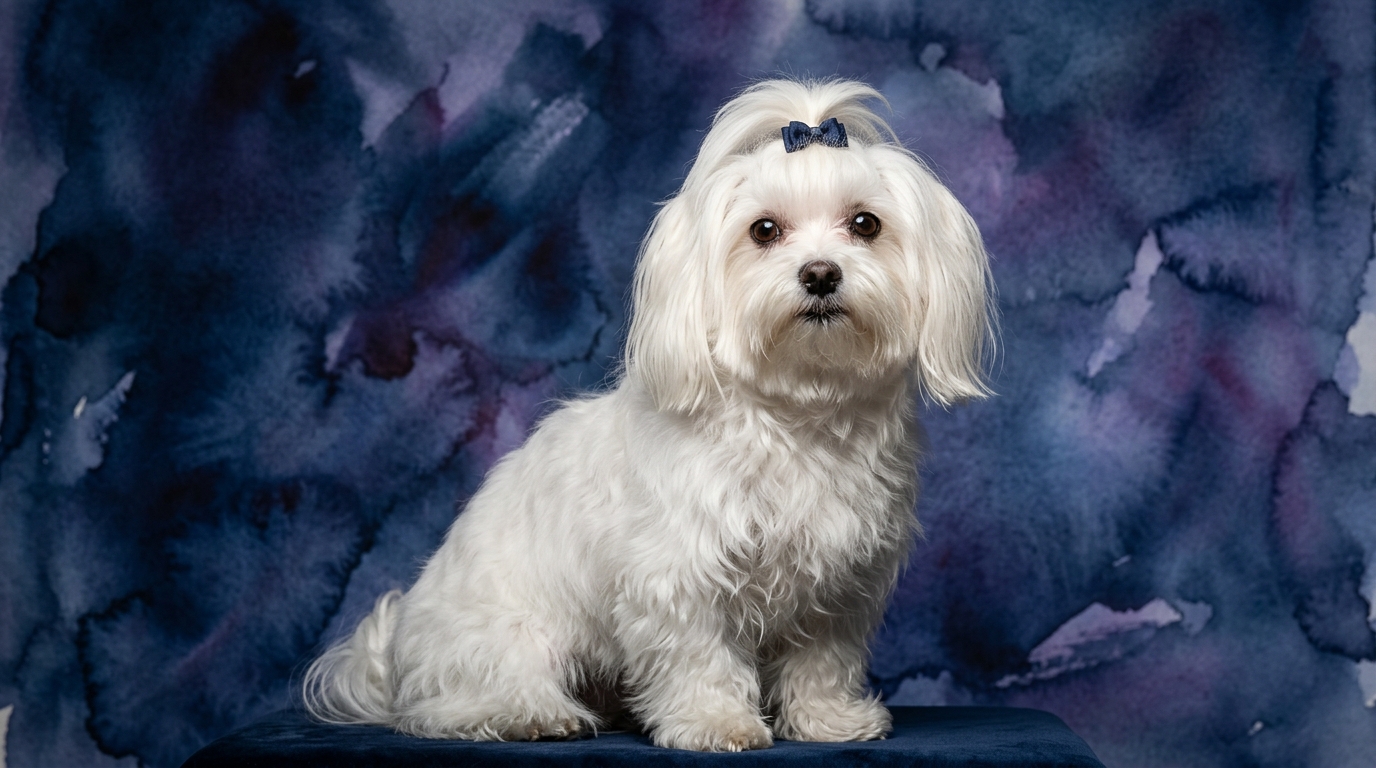
**Maltese (Toy Group, Coren Rank #59):** This breed, recognized for its companionable nature, possesses a unique cognitive blueprint.
**Problem Solving (3/5):** The Maltese exhibits a moderate capacity for navigating novel challenges, often relying on learned patterns or human assistance rather than extensive independent strategizing. They can figure out simple puzzles but might not persist with complex ones without encouragement.
**Training Speed (3/5):** These small companions demonstrate a respectable ability to grasp new commands and routines, learning at an average pace. Their willingness to please, coupled with their alertness, makes them responsive to consistent, positive reinforcement training methods.
**Social Intelligence (5/5):** This is where the Maltese truly shines. Possessing exceptional social acumen, they are highly attuned to human emotions, body language, and vocal cues. Their capacity for forming deep bonds and understanding social dynamics contributes to their reputation as empathetic and responsive companions.
**Instinctive Drive (2/5):** With a low instinctive drive, the Maltese typically shows minimal inclination towards strong prey drive, territoriality, or complex working behaviors. Their focus is primarily on companionship and interaction within the domestic sphere.
**Memory (3/5):** The Maltese maintains a solid, average memory, allowing them to recall commands, routines, and significant social interactions. They remember familiar faces and places well, contributing to their consistent behavior in established environments.
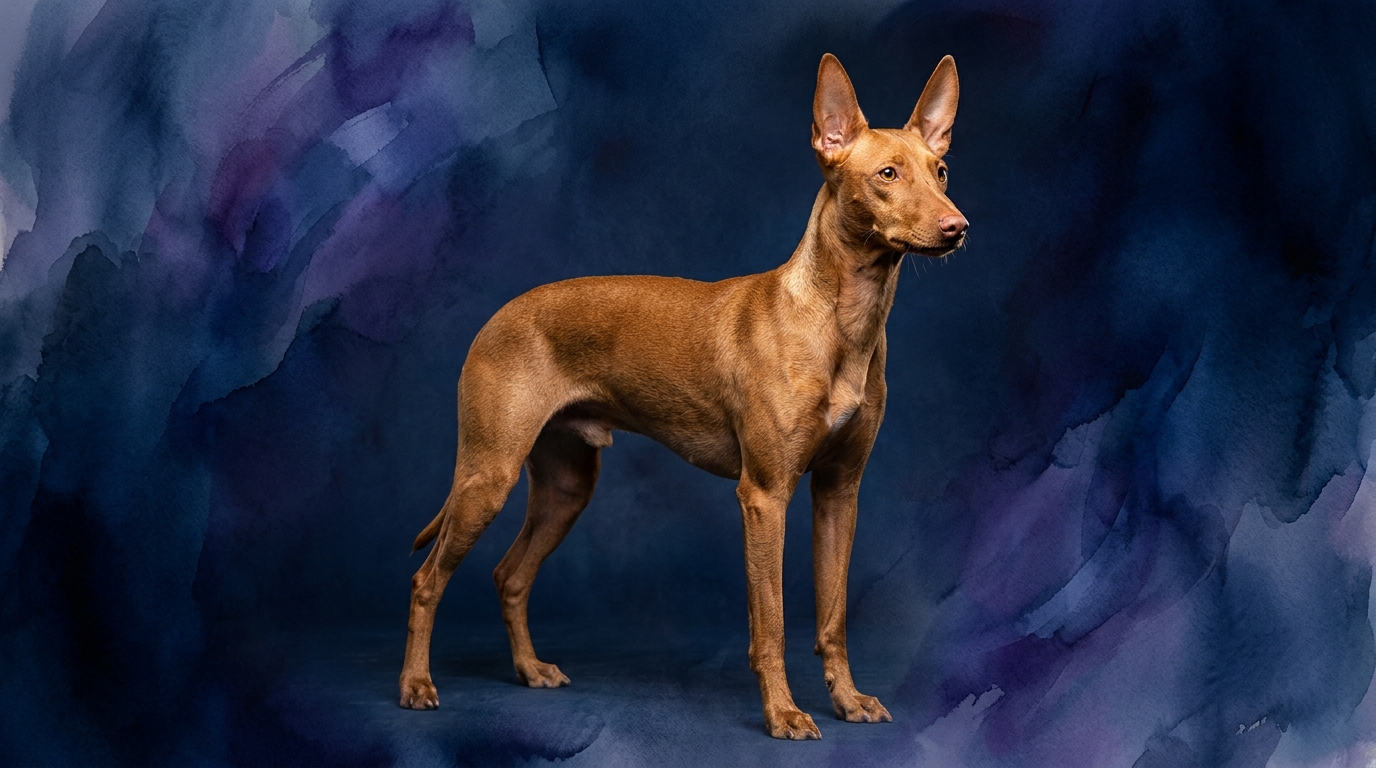
**Cirneco dell'Etna (Hound Group, Not Coren-Ranked):** Hailing from Sicily, this rare hound breed presents a different set of cognitive priorities.
**Problem Solving (3/5):** Much like the Maltese, the Cirneco dell'Etna also scores a 3/5 in problem-solving. This indicates a moderate ability to tackle new situations, often employing practical, direct approaches rather than intricate planning. They can learn to navigate their environment effectively but might not excel at abstract puzzle-solving.
**Training Speed (3/5):** The Cirneco shows an average training speed, capable of learning commands and behaviors with consistent effort. Their independent hound nature means that while they learn, motivation might need to be carefully managed to maintain engagement.
**Social Intelligence (3/5):** Scoring a 3/5, the Cirneco possesses a functional level of social intelligence. They recognize their human family and form bonds, but their interpretation of human social cues is generally less nuanced and intense than that of breeds specifically developed for close companionship. They appreciate interaction but often prefer to do so on their own terms.
**Instinctive Drive (3/5):** As a member of the hound group, the Cirneco dell'Etna exhibits a moderate instinctive drive, particularly evident in their natural inclination for chasing and scenting. This drive is a core part of their historical purpose and influences their engagement with the environment.
**Memory (3/5):** The Cirneco has an average memory, enabling them to retain training, remember their territory, and recall familiar individuals. This memory supports their ability to navigate and hunt effectively in their native environment.
Where Maltese Wins Cognitively
The Maltese clearly distinguishes itself in the realm of social intelligence, scoring a perfect 5/5 compared to the Cirneco's 3/5. This significant difference means a Maltese is exceptionally adept at reading and responding to human emotions and social cues. They often anticipate their owner's needs or moods, offering comfort or initiating play with remarkable sensitivity. This heightened social awareness makes them incredibly responsive to subtle shifts in tone or body language, fostering a deeply empathetic bond. Furthermore, while both breeds share a 3/5 in problem-solving and training speed, the Maltese's strong social drive often translates into greater motivation to engage with training and overcome challenges when it involves pleasing their human companions. Their desire for connection frequently overrides independent impulses, making them more inclined to seek guidance and work cooperatively in cognitive tasks. This intrinsic social motivation can make their average scores in other cognitive areas feel more accessible and applicable in a domestic setting.
Where Cirneco dell'Etna Wins Cognitively
While the Maltese excels in social attunement, the Cirneco dell'Etna holds a slight edge in instinctive drive, scoring 3/5 against the Maltese's 2/5. This moderate drive is a direct reflection of their heritage as sighthounds, giving them a natural propensity for independent exploration, tracking, and the pursuit of small game. This isn't about being more 'driven' in a general sense, but rather having a more pronounced, inborn set of behaviors related to their original working function. Their problem-solving, while numerically identical at 3/5, might manifest differently; a Cirneco might demonstrate this by finding creative ways to navigate obstacles in pursuit of a scent or visual target, rather than seeking human direction. This self-reliance, stemming from their instinctive drives, means they are often more self-sufficient in novel outdoor environments, relying on their senses and inherent curiosity to understand and interact with their surroundings without constant human input. Their memory, also 3/5, is often applied to recalling territories, scent trails, and hunting patterns, demonstrating a practical, environmental intelligence rooted in their breed's purpose.
Which is Easier to Train and Why
Based on our Pet IQ Lab profiles, the Maltese generally presents as the easier breed to train, primarily due to its outstanding social intelligence (5/5). While both breeds share an average training speed of 3/5, the Maltese's profound desire to connect and please its human companions provides a powerful intrinsic motivator. They are highly attentive to their owner's feedback, making them quick to understand and respond to cues, and more likely to comply with commands to maintain that positive social interaction. Their lower instinctive drive (2/5) also means they are less prone to distraction by environmental stimuli like scents or moving objects, allowing them to focus more intently on the training task at hand. In contrast, the Cirneco dell'Etna, with its moderate social intelligence (3/5) and higher instinctive drive (3/5), often approaches training with a more independent spirit. While capable of learning, their natural inclinations towards exploring scents or pursuing visual stimuli can make them more easily distracted and less consistently focused on human-led tasks. Training a Cirneco often requires more patience, creativity, and a strong understanding of their hound nature to channel their drives constructively, whereas a Maltese is typically more eager to engage in cooperative learning sessions.
Which Suits Active Owners vs. Relaxed Owners
The choice between a Maltese and a Cirneco dell'Etna also hinges on an owner's lifestyle and activity preferences. The Cirneco dell'Etna, with its moderate instinctive drive and historical background as a hunting hound, thrives with active owners who can provide ample opportunities for physical exercise and mental stimulation that taps into their natural instincts. They benefit from long runs, secure off-leash play in fenced areas, lure coursing, or even hiking, where their keen senses and agile bodies can be fully engaged. Owners who enjoy outdoor adventures and can consistently meet a Cirneco's need for purposeful activity will find a rewarding companion. Conversely, the Maltese, with its lower instinctive drive and exceptional social intelligence, is an ideal fit for more relaxed owners who prioritize companionship and indoor activities. While they enjoy short walks and playtime, their primary need is for consistent social interaction and being an integral part of family life. They are content with moderate daily exercise, often satisfied with indoor games and cuddles, making them suitable for apartment living or individuals seeking a devoted, less demanding exercise partner.
The Verdict
You should choose a Maltese if you seek a highly socially attuned companion who thrives on close interaction, is relatively easy to train due to a desire to please, and fits seamlessly into a more relaxed, indoor-oriented lifestyle.
You should choose a Cirneco dell'Etna if you are an active individual or family looking for an independent yet affectionate companion with a moderate drive for exploration and physical activity, and you appreciate a dog that retains aspects of its ancient working heritage.
🧠 Find Your Pet's IQ Score
Our Pet IQ Lab assessment covers 25+ tests across 5 cognitive dimensions — personalized to your breed.
Take the Full IQ Test →Frequently Asked Questions
Does the Coren ranking affect their daily behavior?
Yes, Coren's ranking primarily assesses a breed's working and obedience intelligence, reflecting how quickly and consistently a dog learns and performs commands. A higher rank, like the Maltese's #59, suggests they are generally more responsive to formal training and human direction in everyday situations.
Are Cirneco dell'Etna difficult to train because they aren't Coren-ranked?
Not necessarily difficult, but their training approach differs. The Cirneco's lack of a Coren rank doesn't mean they can't learn, but rather that their cognitive strengths might lie outside traditional obedience, often involving more independent problem-solving related to their hound instincts. Consistent, positive reinforcement tailored to their natural drives is key.
How does social intelligence impact a dog's suitability for families with children?
High social intelligence, as seen in the Maltese, often means a dog is more perceptive of children's moods and actions, potentially leading to more gentle and adaptable interactions. While the Cirneco can be good with children, their more independent social nature means they might require more supervision to ensure respectful boundaries are maintained by both dog and child.