
Side-by-side IQ profile
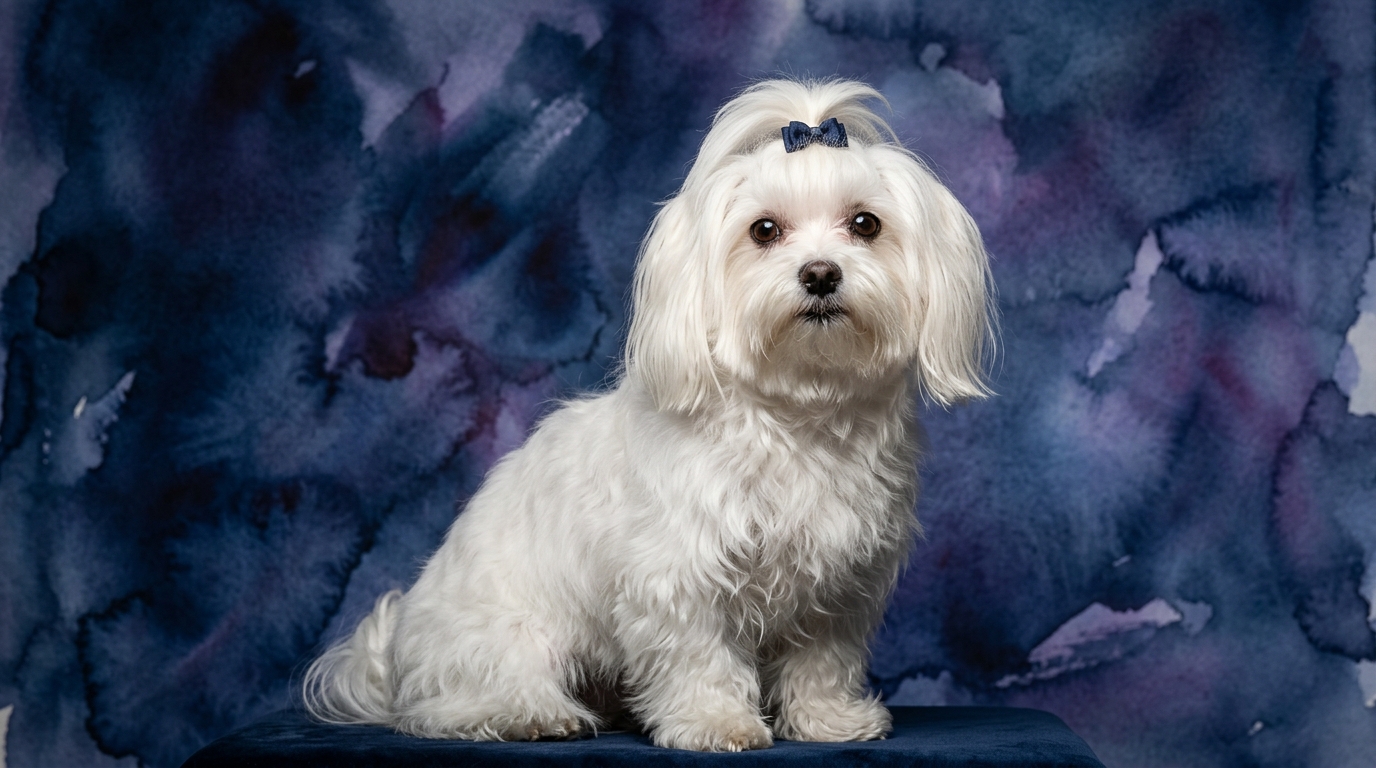
**Maltese (Toy Group, Coren Rank #59)**
**Problem Solving (3/5):** Adept at practical challenges like retrieving objects or gaining attention, the Maltese applies direct, often comfort-seeking solutions within their immediate domestic environment. They can navigate household puzzles such as finding a dropped toy under furniture with focused determination.
**Training Speed (3/5):** These spirited companions learn new commands at a moderate pace, thriving on positive reinforcement and consistent, engaging sessions. Their eagerness for interaction often makes training a rewarding experience, though their small size and sensitivity can sometimes lead to distraction.
**Social Intelligence (5/5):** Uniquely skilled, the Maltese excels at interpreting human emotions and intentions, forming deep, empathetic bonds and anticipating needs with remarkable acuity. They are profoundly attuned to their owners' moods, often offering comfort or seeking interaction based on subtle cues.
**Instinctive Drive (2/5):** Possessing a relatively low instinctive drive, their primary focus is companionship, with minimal inclination for hunting, guarding, or herding behaviors. Their instincts are largely directed towards securing and maintaining close human connection.
**Memory (3/5):** Their solid memory retains commands, routines, and familiar individuals, contributing to strong attachments and consistent learned behaviors. They reliably recall their daily schedules and the positive interactions associated with their family.
**Neapolitan Mastiff (Working Group, Not Coren-Ranked)**
**Problem Solving (3/5):** Approaching challenges methodically, the Neapolitan Mastiff solves practical problems related to their environment and routine, such as navigating space or understanding household dynamics. Their solutions tend to be deliberate and grounded in their immediate surroundings.
**Training Speed (3/5):** These majestic dogs learn new behaviors steadily, responding best to clear, firm, and consistent instruction. Repetition is crucial for embedding commands, and their substantial physical presence necessitates early and diligent training for proper management.
**Social Intelligence (3/5):** Displaying a respectable understanding of family dynamics and emotions, they form deep, though often subtly expressed, attachments to their human companions. Their social awareness contributes to their role as watchful, devoted family members.
**Instinctive Drive (3/5):** With a moderate instinctive drive, particularly for guarding and protection, they exhibit natural vigilance over their territory and family, combined with profound loyalty. This drive is a core aspect of their historical purpose and temperament.
**Memory (3/5):** Their reliable memory supports consistent behavior, allowing them to retain training, recognize familiar faces, and maintain established routines and boundaries. This robust recall aids in their discerning nature and their ability to uphold household rules.
Where Maltese Wins Cognitively
The Maltese's cognitive strengths lie preeminently in their social intelligence, a dimension where they achieve an exceptional 5/5 rating. This indicates an unparalleled ability to interpret human moods, intentions, and even subtle emotional shifts, making them extraordinary companions. They possess an innate capacity for empathy and deep connection, often appearing to anticipate their owner's needs or offering comfort precisely when it's required. This social acuity allows them to integrate seamlessly into family life, becoming highly responsive and intuitive partners. While other breeds might excel in physical tasks or complex problem-solving, the Maltese triumphs in the intricate dance of interspecies communication and emotional attunement, often becoming the emotional barometer of a household. Their ability to read a room and respond appropriately showcases a sophisticated understanding of social dynamics that few breeds can match.
Where Neapolitan Mastiff Wins Cognitively
The Neapolitan Mastiff's cognitive advantages are rooted in their practical application of intelligence, particularly their balanced instinctive drive and solid memory. While their problem-solving and training speed match the Maltese, their distinct advantage lies in the purposeful nature of their instinctive intelligence, rated at 3/5. This drive translates into a natural vigilance and a profound understanding of their role as guardians, a cognitive function less pronounced in the Maltese. They possess an innate ability to assess situations related to their territory and family, often responding with calm discernment rather than impulsive action. Their robust memory supports this by allowing them to recall who belongs and who doesn't, contributing to their consistent protective behaviors. This combination of instinct and memory makes them adept at understanding boundaries and maintaining order within their perceived territory, a cognitive strength that underpins their calm, watchful demeanor and makes them highly effective protectors.
Which is Easier to Train and Why
Both the Maltese and the Neapolitan Mastiff share an identical training speed rating of 3/5, suggesting neither holds a distinct advantage in the *rate* at which they acquire new commands. However, the *ease* of training can differ significantly due to their behavioral profiles. The Maltese, with its exceptional social intelligence (5/5) and lower instinctive drive (2/5), often presents fewer behavioral challenges rooted in strong independent urges. Their profound desire for companionship and connection makes them highly motivated by positive interaction and praise, often eager to comply to maintain that bond. They are generally less prone to strong-willed behaviors or territorial disputes that can complicate training. In contrast, the Neapolitan Mastiff, despite its similar training speed, requires a trainer who understands their moderate instinctive drive (3/5) for guarding and their more independent nature. While equally capable of learning, their sheer size and potential for developing protective behaviors necessitate a consistent, confident leader from an early age to channel their natural instincts appropriately. Therefore, while both learn, the Maltese's innate social compliance often makes the *process* feel smoother and less demanding for the average owner.
Which Suits Active Owners vs Relaxed Owners
The Maltese is an ideal companion for owners who appreciate a more relaxed, yet interactive, lifestyle. Their small stature and lower instinctive drive (2/5) mean their exercise needs are modest, satisfied by short walks and indoor play. They thrive on close human companionship, making them perfect for individuals or families who spend ample time at home and desire a constant, affectionate presence. Their high social intelligence (5/5) means they are content observing and engaging in quiet activities alongside their owners, making them well-suited for apartment living or less physically demanding routines. The Neapolitan Mastiff, despite its imposing size, also suits a more relaxed owner in terms of high-intensity activity, but requires an owner who is active in terms of consistent leadership and structured routines. While they aren't built for endurance running, they need regular, moderate exercise to maintain their health and mental well-being. More critically, their moderate instinctive drive (3/5) and protective nature demand an owner who is proactively engaged in their socialization and training to ensure they are well-adjusted and confident. Their sheer presence requires an owner who can confidently manage a large, powerful dog, making them less suitable for passive individuals and more for those who are calm, consistent, and assertive in their ownership approach.
The Verdict
Choose the Maltese if you prioritize a deeply empathetic, highly responsive companion that thrives on close social interaction and fits seamlessly into a more relaxed, indoor-centric lifestyle. They excel at emotional connection and are ideal for those seeking a constant, affectionate presence.
Opt for the Neapolitan Mastiff if you seek a loyal, protective companion with a calm, discerning demeanor, and you are prepared for consistent, firm leadership and structured routines for a large, powerful breed. They offer steadfast devotion and a quiet, watchful presence to the right owner.
🧠 Find Your Pet's IQ Score
Our Pet IQ Lab assessment covers 25+ tests across 5 cognitive dimensions — personalized to your breed.
Take the Full IQ Test →Frequently Asked Questions
Do Maltese dogs get along well with other pets given their high social intelligence?
The Maltese's high social intelligence primarily refers to their understanding of human cues and emotions. While generally adaptable, their social interactions with other pets depend heavily on early socialization and the individual temperament of the animals involved. They often do well with polite, calm companions, but need careful introductions.
Is a Neapolitan Mastiff's guarding instinct difficult to manage for first-time dog owners?
A Neapolitan Mastiff's guarding instinct, while a natural part of their cognitive profile, requires a confident and experienced owner to manage effectively. First-time owners may find their protective tendencies challenging without consistent training, early socialization, and a clear understanding of breed-specific needs, which can be a significant undertaking.
How do their memory capabilities impact their daily lives?
Both breeds share a 3/5 memory rating, meaning they reliably recall routines, commands, and familiar individuals. For the Maltese, this aids in maintaining household habits and reinforcing affectionate bonds, making them predictable and cherished companions. For the Neapolitan Mastiff, it supports their consistent protective behaviors and adherence to established boundaries, contributing to their reliability as guardians.