Side-by-side IQ Profile: Unpacking Cognitive Dimensions
At The Cosmic Pet Pet IQ Lab, we analyze canine intelligence across five key dimensions: problem solving, training speed, social intelligence, instinctive drive, and memory. This nuanced approach allows for a comprehensive understanding of how different breeds process information and interact with their world, moving beyond simplistic notions of 'smartness.'
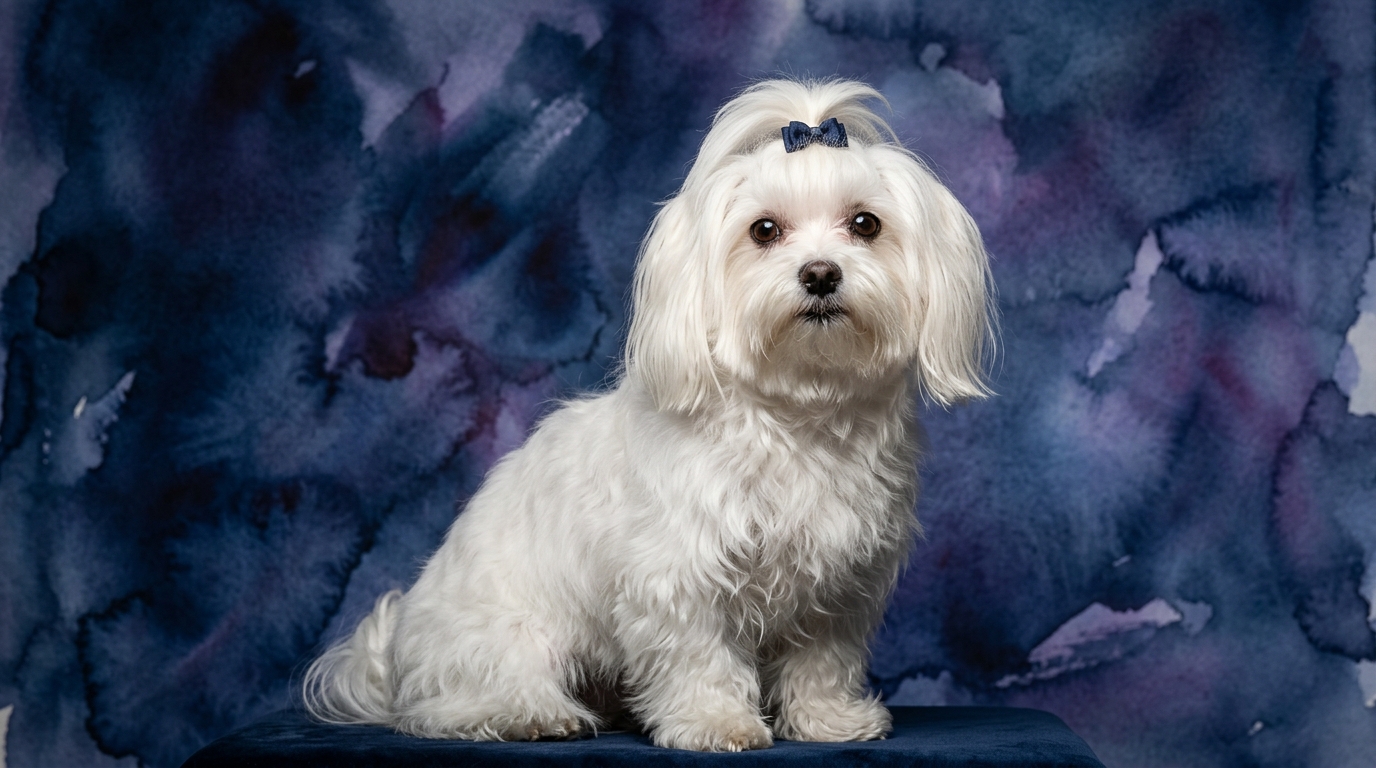
The Maltese, a cherished Toy breed, exhibits a unique cognitive blueprint. Their Problem Solving is rated 3/5, indicating an average capacity for navigating practical challenges and learning sequences, but not typically innovating complex solutions. Training Speed also stands at 3/5; they respond well to consistent, positive reinforcement, picking up commands at a steady pace, provided they are engaged. Their Social Intelligence is an outstanding 5/5, showcasing an exceptional ability to read human cues, understand social dynamics, and form profound empathetic bonds. An Instinctive Drive of 2/5 means they possess a low prey drive and minimal guarding instincts, dedicating their cognitive resources primarily to companionship. Finally, their Memory is 3/5, allowing them to retain learned commands and routines effectively, though regular refreshers help solidify more intricate details.
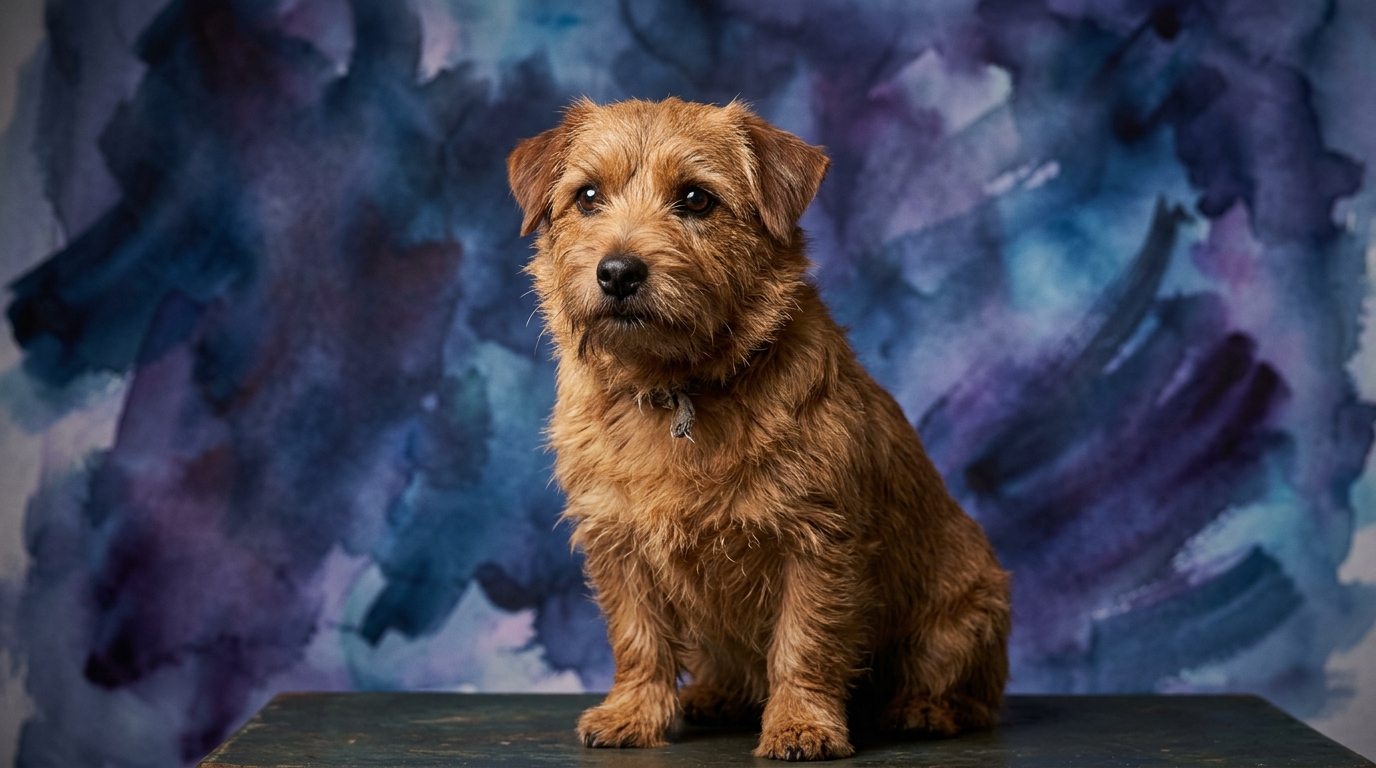
The Norfolk Terrier, a robust Terrier breed, presents a different cognitive profile. Their Problem Solving mirrors the Maltese at 3/5, suggesting they can grasp routines and practical obstacles but aren't typically devising novel solutions to abstract problems. Their Training Speed is also 3/5, indicating an average learning rate, though their independent terrier spirit can sometimes influence consistency. Social Intelligence for the Norfolk Terrier is 3/5; they are good at interacting with humans and other animals, forming bonds, but are generally less acutely sensitive to subtle human emotional shifts compared to the Maltese, often expressing themselves more directly. Their Instinctive Drive is 3/5, reflecting a moderate prey drive characteristic of their heritage, often keen on chasing small animals or investigating scents. Their Memory is 3/5, demonstrating good retention for training and daily routines, remembering people and places effectively.
It's worth noting that while the Maltese is Coren-ranked at #59, the Norfolk Terrier is not, which simply means they haven't been specifically evaluated in Coren's obedience and working intelligence tests. This absence doesn't diminish their cognitive capabilities but highlights that different breeds excel in different forms of intelligence beyond strict obedience.
Where the Maltese Excels Cognitively
The Maltese truly shines in the realm of Social Intelligence, where their 5/5 rating is a standout. This exceptional cognitive ability means they are incredibly adept at interpreting human emotions, intentions, and subtle body language. They often seem to anticipate their owners' moods, offering comfort or seeking interaction with remarkable precision. This deep empathetic connection makes them unparalleled as emotional support companions, capable of forming bonds that transcend mere companionship.
Furthermore, their lower Instinctive Drive (2/5) contributes to their cognitive strengths in a unique way. With fewer distractions from independent pursuits like hunting, tracking, or intense guarding, the Maltese can channel more of their cognitive energy into their primary role: engaging with their human family. This allows for a singular focus on social interaction and emotional attunement, resulting in a dog that is consistently present and responsive within the family's social sphere.
Where the Norfolk Terrier Shows Distinct Cognitive Strengths
The Norfolk Terrier's distinct cognitive strengths often emerge from their balanced Instinctive Drive (3/5). Unlike the Maltese, this moderate drive fuels a keen curiosity and tenacity, encouraging a more active and practical engagement with their environment. They possess a natural inclination to explore, investigate, and engage with tasks that require a degree of independent thought, such as navigating varied terrains or engaging in scent-based activities, which can be highly stimulating for them.
Coupled with their average Problem Solving (3/5) and Training Speed (3/5), their instinctive drive allows them to approach challenges with a robust, self-directed spirit. This translates into a dog that enjoys learning practical skills and participating in activities that tap into their natural terrier inclination for discovery and pursuit. They are often eager to engage in games that involve seeking or problem-solving within their environment, demonstrating a resilient and adaptable cognitive approach.
Training Dynamics: Maltese vs. Norfolk Terrier
While both breeds share a 3/5 rating for Training Speed, indicating an average capacity to learn commands, the practical application of this speed differs significantly due to their other cognitive traits. Understanding these nuances is crucial for effective training and fostering a positive relationship.
Maltese training benefits immensely from their exceptional Social Intelligence (5/5). They are highly motivated by praise, affection, and the strengthening of their bond with their human. Training often feels like a collaborative effort, as they are eager to please and quick to pick up on social cues regarding desired behaviors. This sensitivity, however, means training methods must be gentle and consistent, as harsh corrections can easily lead to anxiety or withdrawal. Patience may be required for house training, as their focus on social interaction might sometimes overshadow strict routine adherence.
Norfolk Terrier training, on the other hand, is influenced by their moderate Instinctive Drive (3/5) and slightly less acute Social Intelligence (3/5). They can be more independently minded, sometimes prioritizing an interesting scent or environmental stimulus over a human request. Training requires consistency, clear boundaries, and finding motivators that appeal to their terrier nature, such as chase games, interactive toys, or scent rewards. Their inherent tenacity can be an asset in teaching complex tasks, but it also means they might test boundaries more, necessitating a firm yet fair approach to leadership. They are generally less likely to be swayed purely by social approval if a more compelling independent activity presents itself.
Lifestyle Suitability: Active vs. Relaxed Owners
The cognitive profiles of the Maltese and Norfolk Terrier lend themselves to different owner lifestyles, primarily dictated by their varying instinctive drives and social needs. Owners seeking a calm, devoted indoor companion will find the Maltese an ideal match.
With their lower Instinctive Drive (2/5) and exceptionally high Social Intelligence (5/5), the Maltese thrives on close human companionship and relatively relaxed routines. They are content with moderate exercise, such as short daily walks and indoor play, and their primary cognitive engagement revolves around their human family. They are less demanding in terms of structured outdoor activities or independent tasks, preferring to be a constant, comforting presence by their owner's side. This makes them perfectly suited for individuals or families who prefer a more tranquil home environment and value deep emotional connection.
Conversely, the Norfolk Terrier, with its moderate Instinctive Drive (3/5) and inherent curiosity, is better suited for owners who enjoy a more active and engaging lifestyle. They appreciate regular opportunities for exploration, vigorous play, and mental stimulation that taps into their terrier instincts, such as scent games or agility exercises. They enjoy having a 'job' or a purpose, even if it's just a spirited game of fetch or a long walk with plenty of interesting smells to investigate. Owners who can provide varied daily activities and appreciate a dog with a robust, independent spirit will find a fulfilling partnership with a Norfolk Terrier.
The Verdict
Choose a Maltese if you seek an exceptionally empathetic and devoted companion, deeply attuned to your emotional state, and thrive on a bond built primarily around close social interaction and indoor comfort.
Opt for a Norfolk Terrier if you appreciate a spirited, curious companion with a moderate independent streak, enjoying varied activities and a more hands-on engagement with their environment.
🧠 Find Your Pet's IQ Score
Our Pet IQ Lab assessment covers 25+ tests across 5 cognitive dimensions — personalized to your breed.
Take the Full IQ Test →Frequently Asked Questions
Do Maltese or Norfolk Terriers bark more frequently?
Maltese, due to their high social intelligence and potential for separation anxiety, might use barking as a communication tool or when feeling insecure. Norfolk Terriers, with their terrier heritage, might bark more at perceived intruders or during enthusiastic play, but generally aren't excessive if well-socialized and stimulated.
Which breed is better with children?
Maltese, with their sensitive nature and strong social bonds, can be excellent with gentle, older children who understand how to interact respectfully with a small dog. Norfolk Terriers are generally sturdy and playful, often tolerating boisterous play better, making them a good fit for families with active, considerate children.
Are there significant grooming differences impacting their cognitive well-being?
Maltese require daily grooming to prevent matting, which can be a calm, bonding experience if introduced early, contributing positively to their social intelligence. Norfolk Terriers have a wiry coat needing regular stripping or clipping; while less demanding daily, the process itself can be a cognitive exercise in patience and cooperation.