Side-by-Side Cognitive Profiles: A Closer Look at Maltese and Norwich Terrier IQ
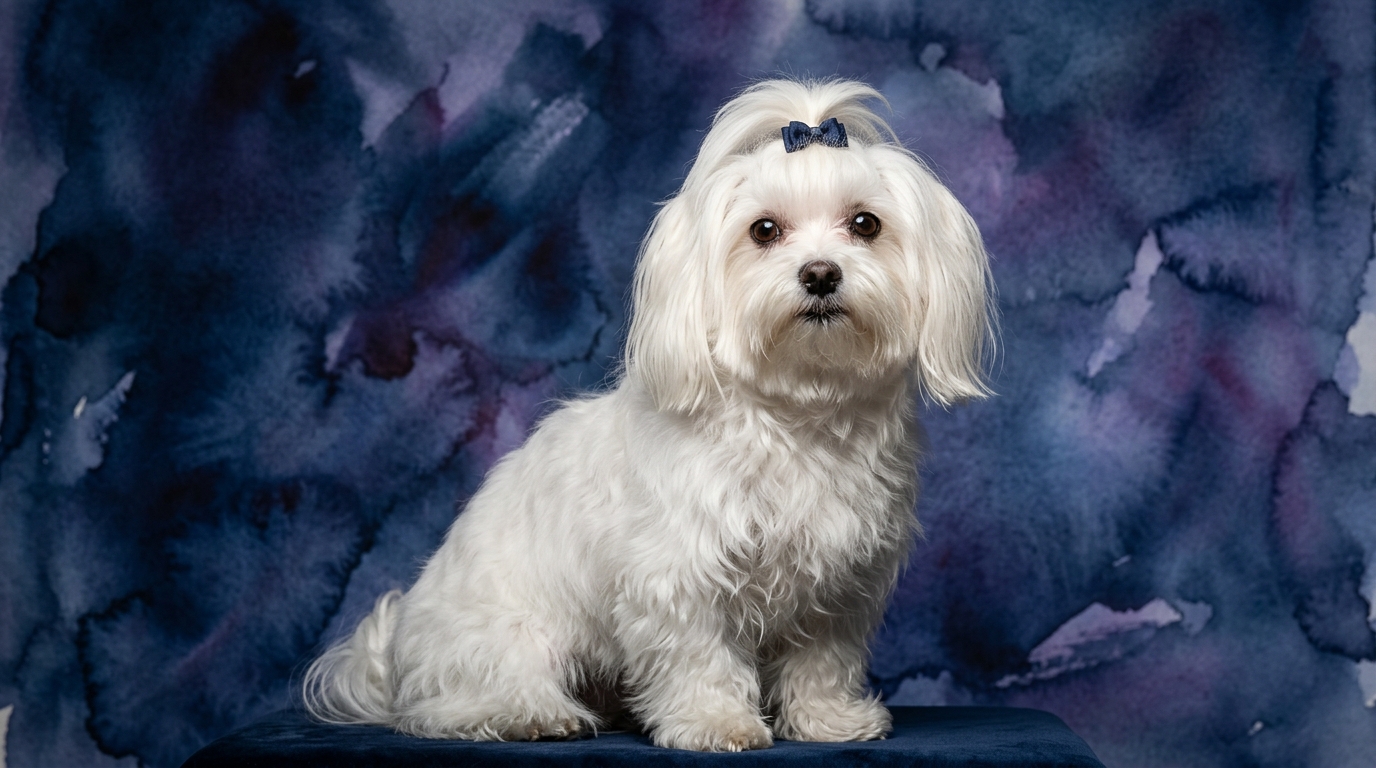
The Maltese, a breed often celebrated for its elegant appearance, presents a cognitive profile that emphasizes relational aspects. Our Cosmic Pet Pet IQ Lab data indicates a Problem Solving score of 3/5, suggesting a moderate capacity for navigating novel challenges or figuring out simple puzzles.
Their Training Speed also registers at 3/5, meaning they absorb new commands at an average pace, requiring consistent, positive reinforcement to solidify learning. Where the Maltese truly stands out is in Social Intelligence, scoring an impressive 5/5. This suggests an exceptional ability to interpret human moods, cues, and intentions, making them remarkably attuned companions who thrive on interaction and understand the nuances of their human family's emotional landscape.
In terms of Instinctive Drive, the Maltese scores 2/5, indicating a lower inclination for tasks rooted in ancestral working roles like chasing or digging. Their Memory, at 3/5, implies a reliable but not extraordinary capacity for recalling past events and learned behaviors.
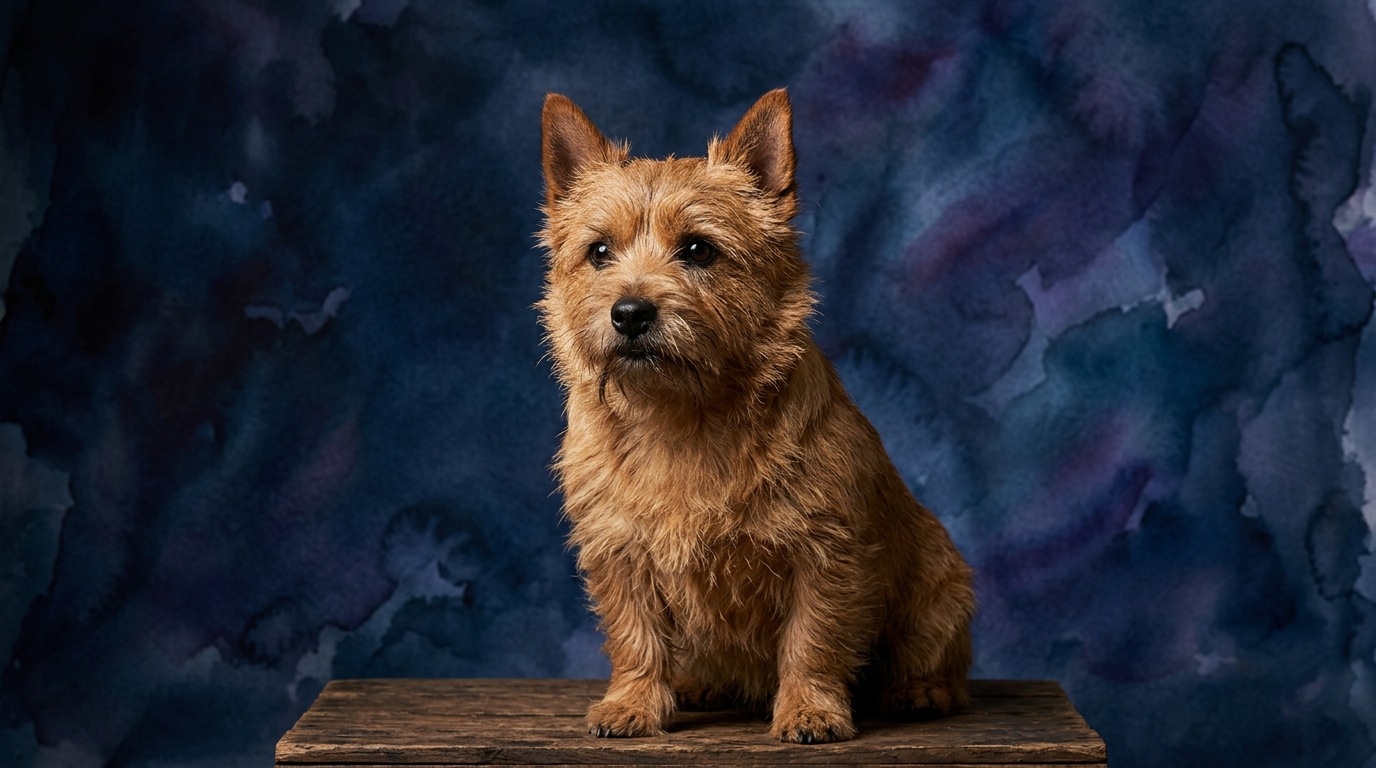
The Norwich Terrier, a robust terrier with a history of rodent control, exhibits a distinct cognitive makeup. Like the Maltese, they score 3/5 in Problem Solving, indicating a similar aptitude for figuring out practical dilemmas, though perhaps with a more independent approach.
Their Training Speed also aligns at 3/5, meaning they learn at an average rate, but their terrier temperament often dictates that training must be engaging and varied to hold their attention. Social Intelligence for the Norwich Terrier is rated 3/5. While capable of forming strong bonds, their understanding of human social cues is more direct and less nuanced compared to the Maltese, often preferring a clear directive over subtle emotional hints.
A key differentiator is their Instinctive Drive, which scores 3/5. This reflects their heritage as working terriers, manifesting as a persistent desire to explore, dig, and engage with their environment, often with a strong prey drive. Their Memory, like the Maltese, is 3/5, providing a solid foundation for retaining experiences and commands.
Where the Maltese Shines Cognitively
The Maltese's undeniable cognitive strength lies in their remarkable Social Intelligence, scoring a full 5/5 compared to the Norwich Terrier's 3/5. This isn't just about being 'friendly'; it's about a sophisticated capacity for understanding and responding to human emotional states and communication signals.
A Maltese might intuitively sense a shift in your mood, offering comfort or adapting their behavior without explicit instruction. They often excel at tasks requiring close partnership and responsiveness to subtle changes in tone or body language, making them exceptional emotional support animals or therapy companions.
This heightened social acumen also contributes to their adaptability within a family setting. They often integrate seamlessly, quickly learning household routines and anticipating their owner's needs or desires based on non-verbal cues, creating a deeply empathetic bond.
Where the Norwich Terrier Excels Cognitively
The Norwich Terrier's distinct advantage surfaces in their Instinctive Drive, scoring 3/5 versus the Maltese's 2/5. This isn't a measure of raw intelligence, but rather a reflection of their inherent motivation for active engagement with the world around them, rooted in their working terrier origins.
This stronger drive manifests as a persistent curiosity and a natural inclination to investigate, chase, and 'work,' even if that work is simply rooting around in the garden or meticulously inspecting every new scent on a walk. Their problem-solving might be applied more readily to environmental challenges, like figuring out how to get to an interesting smell under a bush.
While the Maltese might wait for a cue, the Norwich Terrier is more likely to initiate exploration or apply their moderate problem-solving skills to independently achieve a goal, such as finding a hidden toy. This drive makes them excellent partners for activities requiring tenacity and a keen interest in their surroundings.
Training Dynamics: Decoding Ease and Engagement
Both breeds share a Training Speed score of 3/5, suggesting neither is inherently faster or slower at grasping new commands. However, the *approach* to training and the *types* of behaviors they excel at can differ significantly due to their other cognitive dimensions.
For the Maltese, their high Social Intelligence can be a powerful asset in training. Their strong desire to please and their sensitivity to human feedback mean that positive reinforcement, delivered with clear emotional warmth, can be incredibly motivating. They are likely to respond well to praise and affection, striving to maintain that positive social connection.
The Norwich Terrier, with its higher Instinctive Drive, might require a more varied and stimulating training regimen. While equally capable of learning, their independent spirit and natural curiosity mean that repetitive drills might lead to boredom. Training sessions should be kept short, engaging, and incorporate elements that tap into their natural drives, such as scent work or agility.
Challenges in training might also differ: a Maltese might become withdrawn if training is too harsh or inconsistent, whereas a Norwich Terrier might become stubborn or easily distracted if not sufficiently motivated or if the training environment isn't stimulating enough. Understanding these underlying cognitive traits is key to effective training for both.
Matching Cognitive Profiles to Lifestyles: Active Explorers vs. Relaxed Companions
When considering lifestyle compatibility, the cognitive profiles of the Maltese and Norwich Terrier present distinct pictures. The Maltese, with its exceptional Social Intelligence and lower Instinctive Drive, often thrives in environments where companionship and close interaction are paramount.
They are generally content with moderate exercise and derive immense satisfaction from being an integral part of their human family's daily life, whether that's lounging on a lap during a quiet evening or accompanying an owner on errands. Their cognitive strengths make them ideal for individuals or families seeking a deeply attuned and emotionally responsive companion who isn't driven by an intense need for 'work' or high-octane physical activity.
Conversely, the Norwich Terrier's higher Instinctive Drive and independent streak make them better suited for active owners. They require more than just a daily walk; their cognitive engagement benefits from opportunities to explore, sniff, and perhaps even participate in dog sports like earthdog trials or agility, which tap into their natural terrier instincts.
Owners who enjoy outdoor adventures, consistent training challenges, and can provide ample mental and physical stimulation will find the Norwich Terrier a fulfilling and enthusiastic partner. Their moderate social intelligence means they appreciate companionship but are also capable of entertaining themselves, making them less prone to separation anxiety if their needs for activity are met.
The Verdict
Choose the Maltese if you prioritize a deeply empathetic, emotionally attuned companion who thrives on close social interaction and offers unwavering affection, content with a more relaxed pace of life.
Opt for the Norwich Terrier if you seek an enthusiastic, independent partner for adventures, who enjoys engaging in activities that tap into their natural curiosity and instinctive drives, and thrives with consistent mental and physical stimulation.
🧠 Find Your Pet's IQ Score
Our Pet IQ Lab assessment covers 25+ tests across 5 cognitive dimensions — personalized to your breed.
Take the Full IQ Test →Frequently Asked Questions
Are Maltese or Norwich Terriers better for first-time dog owners?
The Maltese's high social intelligence and desire to please can make them more forgiving for first-time owners, especially with consistent positive reinforcement. The Norwich Terrier's independent nature and higher instinctive drive might require a slightly more experienced hand to manage their energy and focus their working instincts effectively.
Do either of these breeds excel at specific dog sports?
The Maltese, due to their social intelligence and agility, can do well in obedience or rally, where precise movements and handler connection are key. The Norwich Terrier's instinctive drive and tenacity make them natural fits for earthdog trials, barn hunt, or agility, where problem-solving and persistence are rewarded.
How do their problem-solving skills compare in daily life?
With both scoring 3/5, their problem-solving is comparable, but applied differently. A Maltese might 'solve' the problem of getting attention by subtle cues, while a Norwich Terrier might 'solve' getting to a dropped treat by persistent nudging or digging under furniture.