The Cosmic Pet Pet IQ Lab: Maltese vs. Puli — A Side-by-Side Cognitive Profile
Welcome to The Cosmic Pet Pet IQ Lab, where we meticulously analyze the diverse cognitive landscapes of our canine companions. Today, we're dissecting the mental architectures of two distinct breeds: the Maltese, a quintessential Toy group dog, and the Puli, a robust member of the Herding group.
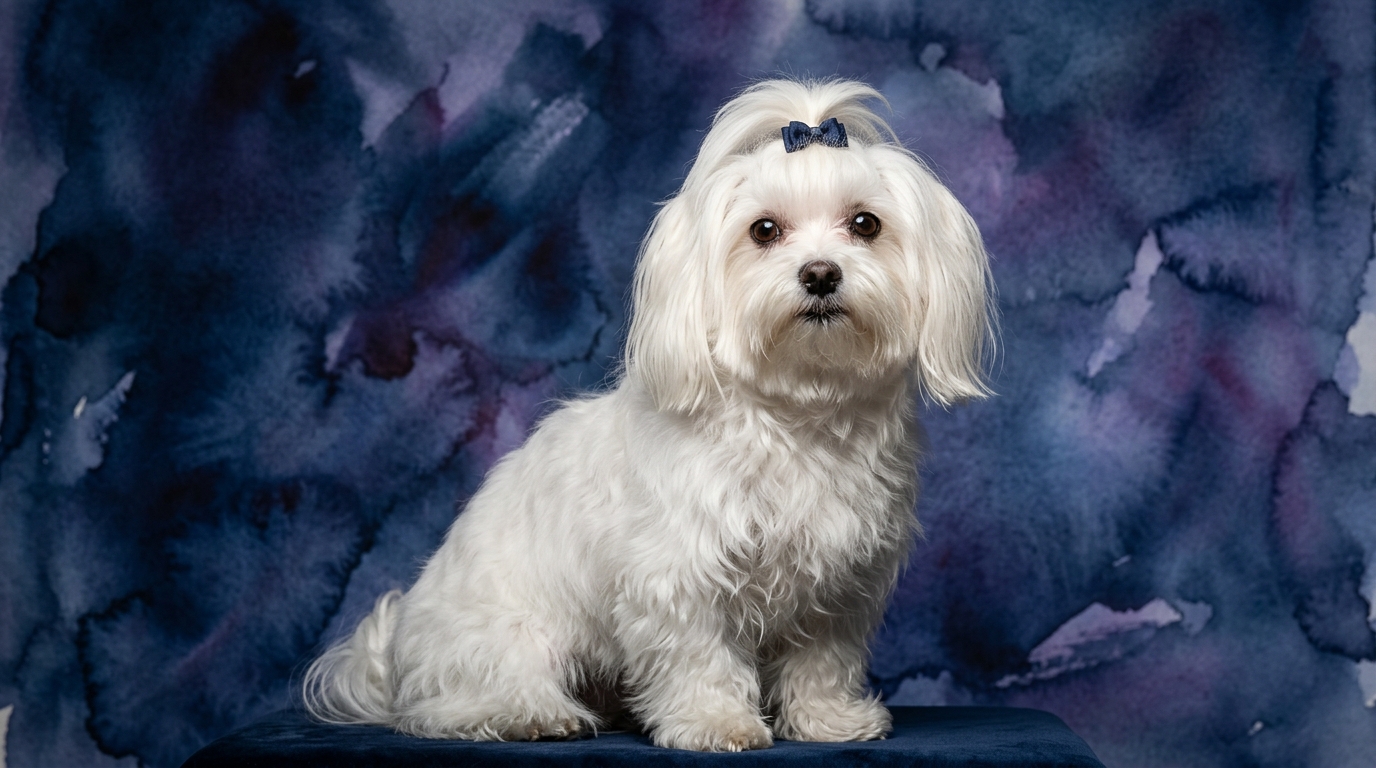
The Maltese, ranked #59 in Coren's intelligence scale, presents a cognitive profile geared towards companionship. Their Problem Solving is rated at 3/5, indicating an ability to navigate familiar routines but less inclination for novel, complex challenges without human intervention. Training Speed is also 3/5, meaning they learn commands at a moderate pace, thriving with consistent, positive reinforcement. Where they truly excel is Social Intelligence at 5/5, demonstrating an exceptional attunement to human emotions and social dynamics. Their Instinctive Drive is 2/5, focusing primarily on interaction rather than task-oriented behaviors, and their Memory is 3/5, allowing for reasonable retention of learned behaviors and social cues.
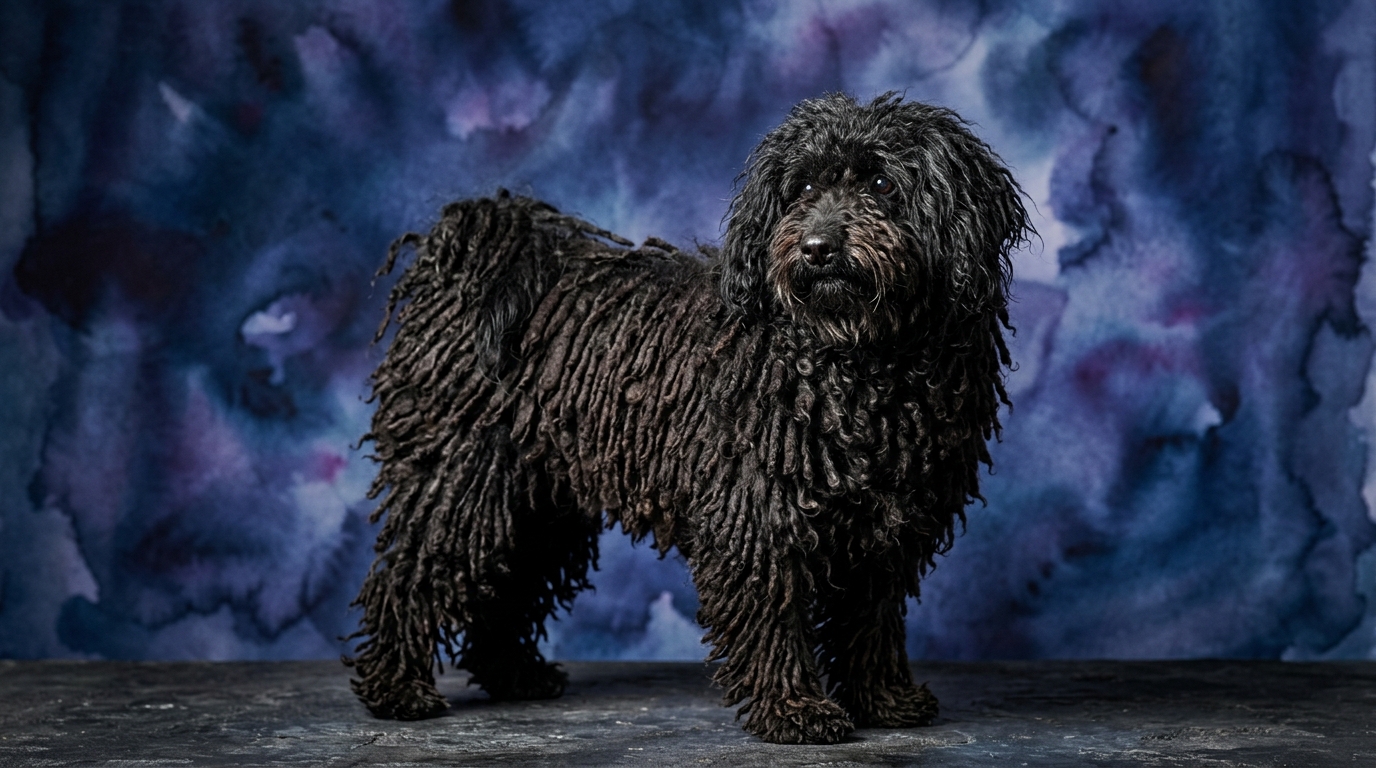
In contrast, the Puli, holding a significantly higher Coren rank of #25, showcases a mind honed for purpose. Their Problem Solving capability is 4/5, reflecting a strong aptitude for independent thought and figuring out environmental puzzles. Training Speed is 4/5, indicating a quick grasp of new concepts and commands, often requiring fewer repetitions. Their Social Intelligence is 3/5, strong within their immediate pack but less universally empathetic than the Maltese. A moderate Instinctive Drive of 3/5 underpins their watchful nature and desire for engagement, while their Memory is a robust 4/5, ensuring excellent recall for complex tasks and sequences.
These profiles reveal two distinct approaches to canine intelligence, each optimized for their historical roles and desired companionship styles.
Where the Maltese's Mind Shines Brightest
The Maltese's cognitive zenith lies in its unparalleled Social Intelligence, rated at a perfect 5/5. This isn't merely about being affectionate; it's a sophisticated processing capacity that allows them to read and respond to human emotions with remarkable precision. They possess an innate ability to sense subtle shifts in their owner's mood, often offering comfort or mirroring the emotional state of their household without explicit cues.
This profound social attunement means their cognitive resources are heavily invested in interpersonal dynamics, making them exquisitely responsive to praise, gentle correction, and social reward. They integrate seamlessly into family structures, often becoming the emotional core of the home. Their mental energy is channeled into understanding and maintaining harmonious relationships, making them intuitive and deeply empathetic companions who thrive on close, reciprocal interaction.
The Puli's Distinct Cognitive Edge
The Puli's cognitive prowess is most evident in its robust Problem Solving abilities (4/5) and rapid Training Speed (4/5). Originating from a lineage of working dogs, their minds are geared towards analytical thought and independent decision-making. They approach new situations with a thoughtful, often strategic mindset, capable of assessing environments and devising solutions to practical challenges, such as navigating obstacles or figuring out how to access desired items.
Complementing this is their strong Memory (4/5) and moderate Instinctive Drive (3/5). Their excellent recall ensures that complex sequences and learned tasks are retained effectively over time, making multi-step commands achievable. The underlying instinctive drive, while not always overtly expressed as herding in a domestic setting, fuels a desire for purpose and engagement, pushing them to interact with and master their surroundings rather than merely observe. This combination fosters a rapid and thorough learning process for intricate tasks, allowing them to excel in structured learning and independent endeavors.
Training Dynamics: Who Learns Faster and Why?
When it comes to training, the Puli generally demonstrates a quicker grasp of new commands, boasting a Training Speed of 4/5 compared to the Maltese's 3/5. This efficiency stems from their higher problem-solving aptitude and a history rooted in working tasks, where rapid learning and execution were critical for survival and success. Pulis respond exceptionally well to clear, consistent instruction, often enjoying the mental stimulation that structured training provides, and they can master complex sequences with fewer repetitions.
The Maltese, while certainly trainable, might require more patience and consistency to solidify new behaviors. Their training is profoundly motivated by social reward and the desire to please their human, rather than an inherent drive for task completion. They can be sensitive to harsh correction, thriving instead on positive reinforcement that strengthens their bond. Their exceptional social intelligence means they are constantly processing human cues, which can sometimes make them appear less focused on task-oriented training if not properly engaged and motivated through connection.
Consider real behavioral differences: a Puli might independently figure out how to unlatch a cabinet or retrieve a specific toy from a complex setup, demonstrating their problem-solving in action. A Maltese, conversely, is more likely to master a similar task through direct instruction and repetition, primarily driven by the desire for human attention or praise. The Puli's inherent drive for purposeful activity makes them eager participants in structured training that offers a 'job,' while the Maltese's motivation is more intrinsically linked to the joy of companionship and social interaction.
Matching Minds: Active vs. Relaxed Lifestyles
The Puli's cognitive profile, marked by stronger problem-solving and a moderate instinctive drive, aligns perfectly with active owners who enjoy engaging their dog in structured activities, advanced training, or dog sports like agility. Their mental energy requires outlets beyond simple walks; they thrive on challenges that engage their analytical capabilities and desire for purpose, often seeking out novel ways to interact with their environment. Owners who appreciate a dog with independent thought, a watchful nature, and a willingness to participate in mentally stimulating endeavors will find a Puli a highly rewarding partner.
Conversely, the Maltese, with its exceptional social intelligence and lower instinctive drive, is an ideal fit for owners seeking a deeply connected, emotionally responsive companion. They flourish in environments where their primary role is companionship, enjoying close proximity and social interaction without needing extensive, complex mental tasks or physical exertion. While they benefit from regular play and short walks, their cognitive demands are more centered around consistent social engagement and affection rather than demanding physical or intellectual challenges, making them superb companions for calmer, more relaxed households.
The Verdict
Choose the Maltese if your priority is an emotionally attuned companion who thrives on social connection and offers profound comfort, fitting seamlessly into a relaxed, affectionate household.
Opt for the Puli if you seek a mentally agile, problem-solving partner eager for engaging activities and structured learning, ideal for an active owner who appreciates independent thought and purposeful interaction.
🧠 Find Your Pet's IQ Score
Our Pet IQ Lab assessment covers 25+ tests across 5 cognitive dimensions — personalized to your breed.
Take the Full IQ Test →Frequently Asked Questions
Do Maltese dogs struggle with learning new tricks?
Maltese dogs are capable of learning tricks and commands, but their training speed (3/5) suggests they may require more consistent repetition and patience compared to some breeds. Their motivation is often deeply tied to pleasing their owner and receiving social rewards, making positive reinforcement key.
Are Puli dogs suitable for first-time dog owners?
Puli dogs, with their strong problem-solving abilities (4/5) and moderate instinctive drive (3/5), benefit from experienced owners who can provide consistent training and mental stimulation. Their independent nature and need for purpose can be challenging for novices without a clear understanding of dog behavior.
How does social intelligence impact daily life with a Maltese?
A Maltese's high social intelligence (5/5) means they are exceptionally attuned to human emotions and social cues, often anticipating needs and offering comfort. This makes them highly responsive and deeply connected companions, thriving on close interaction and becoming very integrated into family life.