
Side-by-Side Cognitive Profiles: Maltese vs. Rhodesian Ridgeback
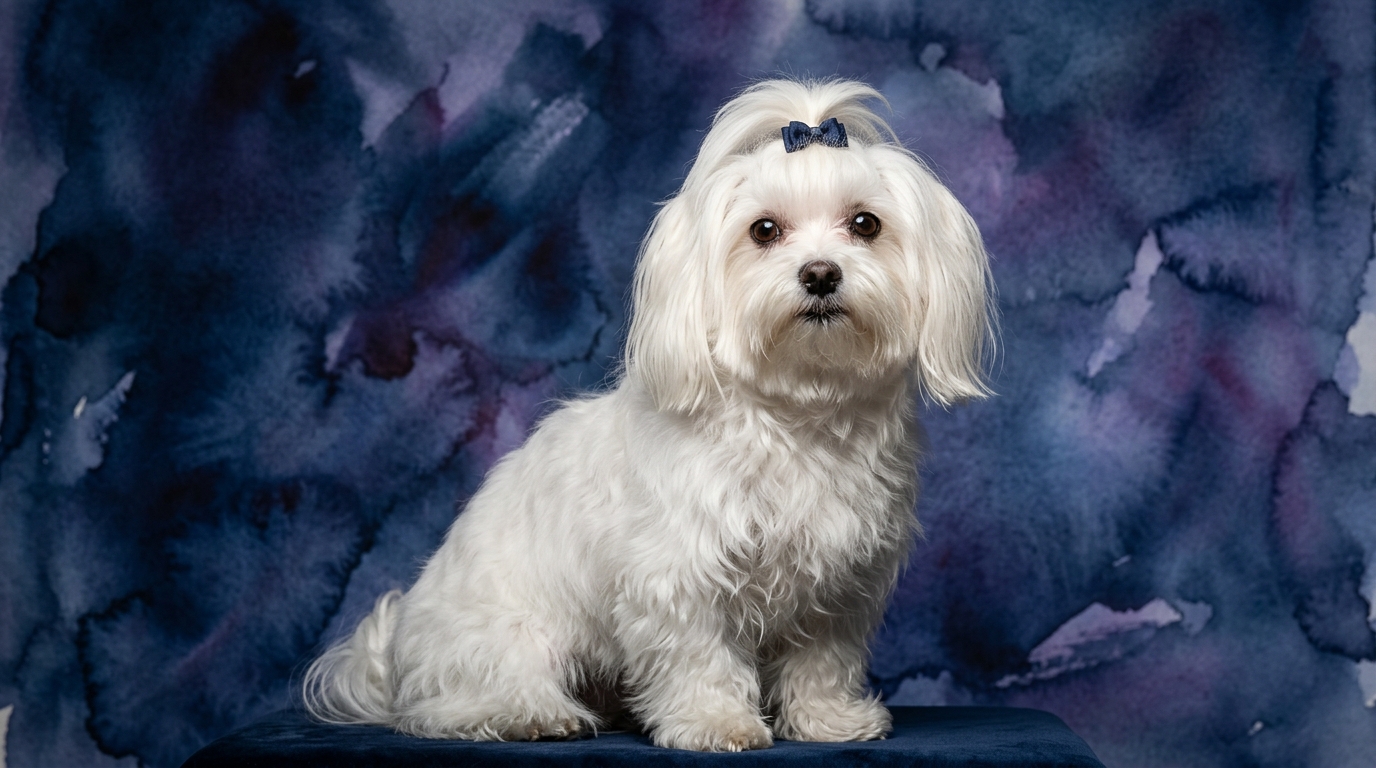
The Maltese, ranking #59 on the Coren scale, presents a cognitive profile deeply intertwined with companionship. Their Problem Solving is rated at 3/5, indicating an ability to navigate moderately complex situations, often relying on observation rather than independent innovation, especially if a human is involved. Training Speed also sits at 3/5; while generally eager to please, their learning curve is steady, responding best to consistent, positive reinforcement. Where the Maltese truly shines is in Social Intelligence, scoring a remarkable 5/5. They possess an exceptional capacity for understanding human emotions and subtle cues, making them highly attuned emotional companions. Their Instinctive Drive is lower at 2/5, meaning their natural inclinations are primarily geared towards interaction rather than tasks like hunting or guarding. Finally, their Memory is 3/5, allowing them to reliably recall routines, learned commands, and significant social interactions.
In contrast, the Rhodesian Ridgeback, with a Coren ranking of #52, showcases a more independent and robust mental framework. Their Problem Solving mirrors the Maltese at 3/5, but their approach is often more self-reliant, driven by physical capabilities and a desire to figure things out independently, such as opening a gate. Their Training Speed is also 3/5; while intelligent, their independent nature and strong will mean they require patient, consistent, and confident handling to achieve reliable responses. Social Intelligence for the Ridgeback is 3/5; they form strong bonds with their family but are generally more reserved with strangers and may not constantly seek human approval. Their Instinctive Drive is higher at 3/5, reflecting their historical role as hunters and guardians, manifesting as a notable prey drive and territorial instinct. Like the Maltese, their Memory is 3/5, ensuring they retain past training, boundaries, and experiences effectively, crucial for their self-reliant disposition.
Where the Maltese Wins Cognitively
The Maltese's standout cognitive advantage lies overwhelmingly in its social intelligence, scoring a perfect 5/5. This breed excels at interpreting human emotions, subtle body language, and vocal inflections, making them incredibly intuitive companions. They possess an innate ability to connect with their owners on a deep emotional level, often anticipating needs or offering comfort without explicit prompts. This heightened social awareness means they integrate seamlessly into family life, often becoming the emotional barometer of the household. While their Coren ranking (59) places them lower overall, this specific mental faculty is undeniably superior, allowing them to thrive in human-centric environments and form exceptionally strong, nuanced bonds. Their lower instinctive drive (2/5) further enhances this, as their mental energy isn't diverted by strong urges to hunt or patrol, allowing them to focus almost entirely on social interaction.
Where the Rhodesian Ridgeback Wins Cognitively
The Rhodesian Ridgeback’s cognitive strengths are rooted in a different set of priorities, particularly their instinctive drive (3/5) and a more independent problem-solving approach. While their problem-solving score is equal to the Maltese (3/5), the *nature* of their problem-solving differs; it's often more self-directed and less reliant on human intervention. Their historical role as a hunter means they possess a practical intelligence focused on navigating environments and achieving goals with determination. This breed's higher instinctive drive, compared to the Maltese's 2/5, translates into a more robust internal motivation for exploration, patrolling, and engaging with their environment. Their Coren rank (52) also suggests a slightly broader capacity for learning and adapting across various tasks, even if their social intelligence isn't as pronounced as the Maltese. This combination makes them adept at independent thought and action, particularly in situations requiring tenacity and self-reliance.
Which Is Easier to Train and Why
Both breeds share a 3/5 rating for training speed, but the *approach* to training and the *ease* of achieving consistent results differ significantly due to their behavioral profiles. The Maltese, with its 5/5 social intelligence and 2/5 instinctive drive, is often perceived as easier to train for obedience and household manners. Their strong desire to please and profound connection with their human companions mean they are highly motivated by positive reinforcement and praise from their owners. They are acutely aware of human reactions and will often adjust their behavior to maintain harmony and affection. While they learn at a moderate pace, their willingness to cooperate and emotional sensitivity make them responsive to gentle, consistent methods, often resulting in a more compliant and emotionally engaged trainee.
The Rhodesian Ridgeback, despite the same training speed rating, presents a different training challenge. Their 3/5 social intelligence and 3/5 instinctive drive mean they are often more independent thinkers with a strong will. They are capable of learning complex commands but might require more structured, consistent, and patient training from a confident handler. Their inherent self-reliance means they might question commands or seek to find their own solutions if not properly motivated or if the training isn't engaging. Their higher instinctive drive, particularly a prey drive, can also be a significant distraction if not managed, requiring owners to work harder on focus and impulse control. Therefore, while both learn at a similar pace, the Maltese's inherent desire for connection generally makes the training process feel more cooperative and less challenging for the average owner.
Which Suits Active Owners vs. Relaxed Owners
The distinction between these two breeds regarding owner lifestyle is quite clear. The Rhodesian Ridgeback, with its 3/5 instinctive drive and robust physical build, is unequivocally suited for active owners. This breed requires substantial daily exercise, not just a short walk around the block. Their cognitive and physical well-being depend on opportunities for vigorous activity, whether it's long hikes, jogging, or engaging in dog sports like lure coursing or agility. Their independent nature and problem-solving capacity also benefit from mental stimulation through training, puzzle toys, and exploring new environments. A relaxed owner who cannot commit to these extensive exercise and enrichment needs would likely find a Ridgeback challenging, potentially leading to boredom-induced destructive behaviors.
Conversely, the Maltese, with its lower instinctive drive (2/5) and smaller size, is an ideal fit for more relaxed owners. While they certainly enjoy walks and playtime, their exercise requirements are modest compared to a Ridgeback. Their primary need is for companionship and social interaction, which aligns perfectly with a less active lifestyle where they can spend ample time with their human family. Their high social intelligence means they thrive on being included in daily activities, even if those activities are simply lounging on the couch or gentle strolls. They adapt well to apartment living and are generally content as long as they receive consistent affection and engagement from their owners.
The Verdict
If you prioritize an exceptionally socially attuned, emotionally responsive companion dog that thrives on close human interaction and has modest exercise needs, the Maltese is an excellent choice. They are perfect for individuals or families seeking a devoted lap dog who will be the emotional heart of the home, fitting seamlessly into a more relaxed lifestyle.
Opt for the Rhodesian Ridgeback if you lead an active lifestyle, are prepared for consistent, firm training, and desire a robust, independent, and protective companion. This breed is ideal for owners who can provide ample physical exercise, mental challenges, and strong leadership, appreciating a dog with a noble presence and a keen, self-reliant mind.
🧠 Find Your Pet's IQ Score
Our Pet IQ Lab assessment covers 25+ tests across 5 cognitive dimensions — personalized to your breed.
Take the Full IQ Test →Frequently Asked Questions
Do Maltese dogs respond well to positive reinforcement?
Absolutely. With a social intelligence score of 5/5, Maltese dogs are highly attuned to human emotions and respond exceptionally well to praise, treats, and affection. Their desire to please their owners makes positive reinforcement a very effective training method for them.
Are Rhodesian Ridgebacks good with other pets?
Rhodesian Ridgebacks can coexist peacefully with other pets, especially if raised with them from a young age. However, their 3/5 instinctive drive, which includes a prey drive, means careful introductions and supervision are crucial, particularly with smaller animals.
How do the memory capabilities of these two breeds compare?
Both the Maltese and the Rhodesian Ridgeback share a memory score of 3/5. This indicates they both possess a solid ability to recall learned commands, routines, and significant experiences, making them consistent in their learned behaviors over time.