A Side-by-Side Look at Cognitive Profiles
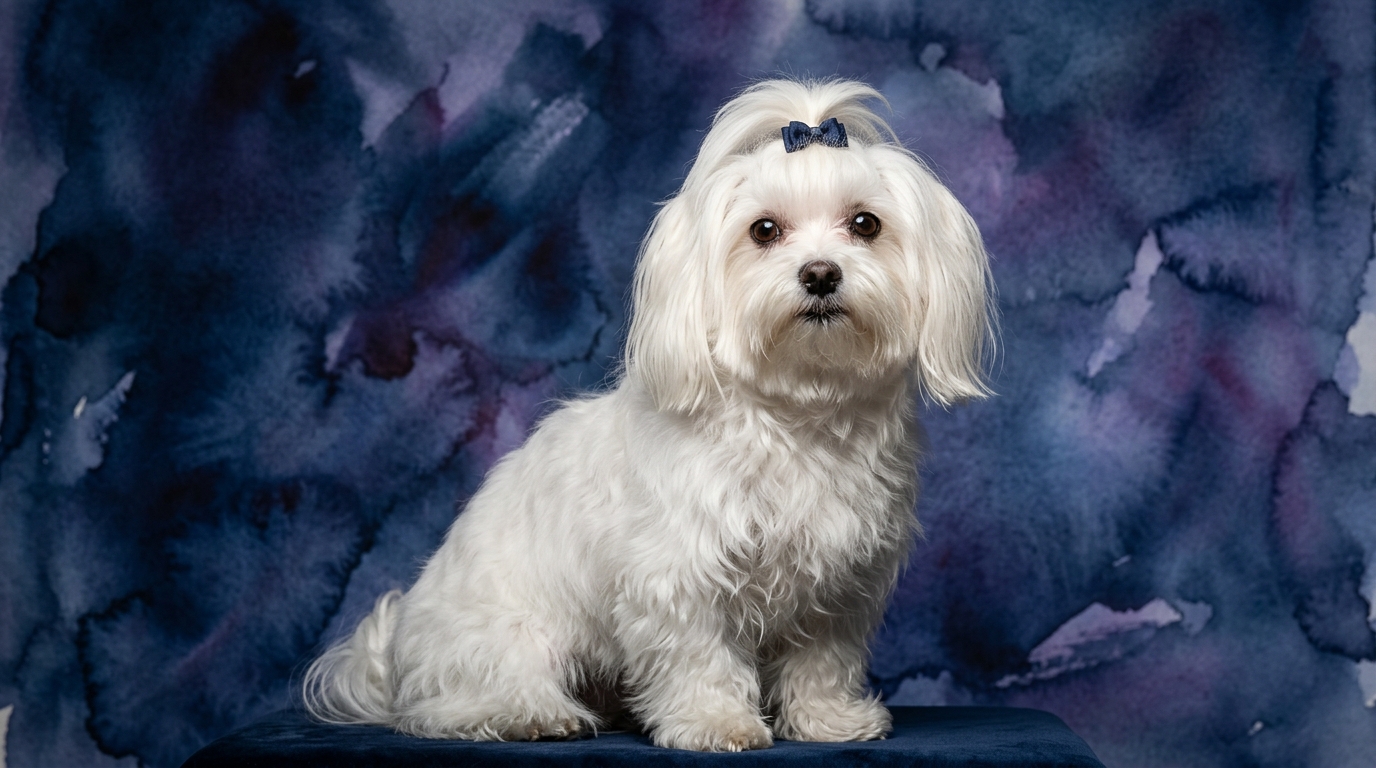
The Maltese, a cherished Toy breed, exhibits a unique cognitive makeup. Their problem-solving ability scores a 3 out of 5, indicating a moderate capacity for navigating novel challenges. Training speed also registers a 3 out of 5, suggesting they learn new commands at an average pace. Where the Maltese truly excels is in social intelligence, earning a perfect 5 out of 5, signifying a profound ability to understand and respond to human cues and emotions. Their instinctive drive is low at 2 out of 5, meaning their natural predispositions are less dominant, while memory stands at a balanced 3 out of 5.
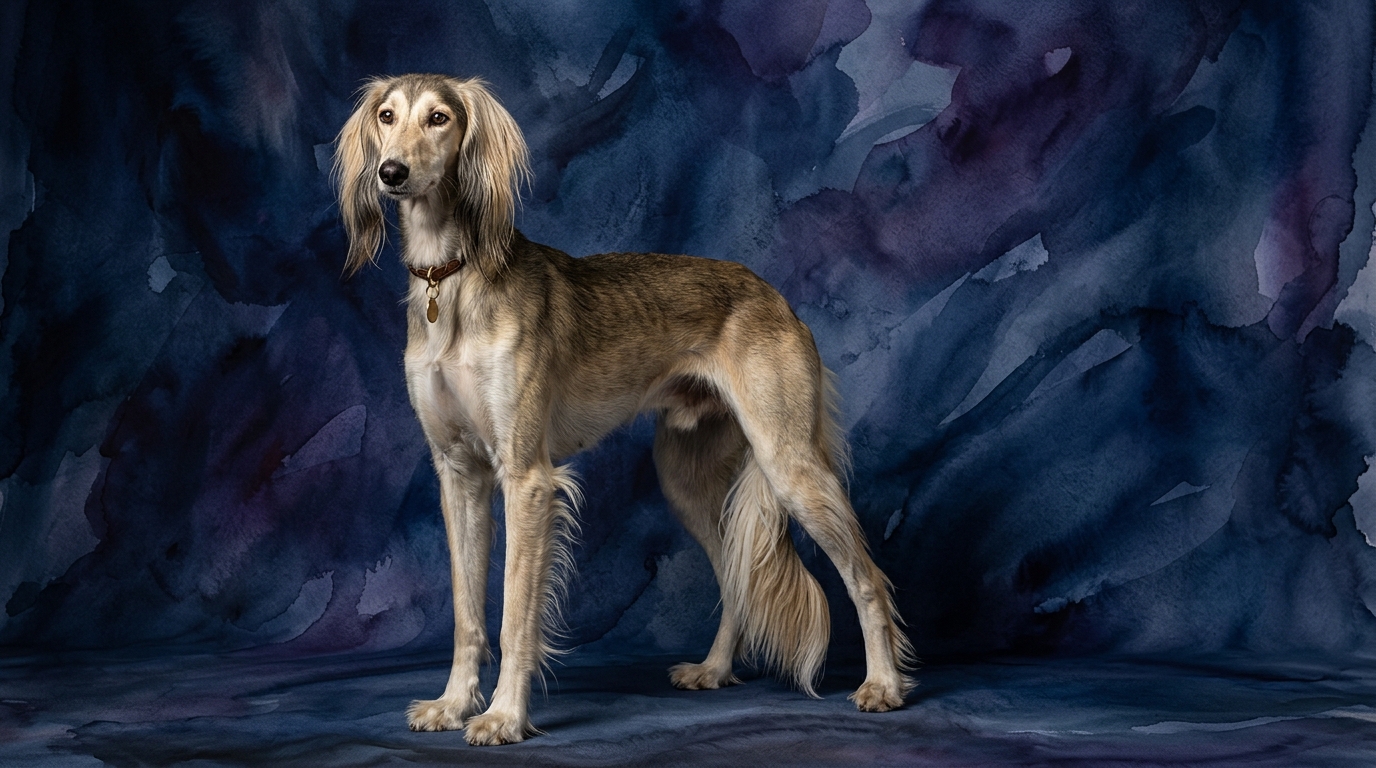
In contrast, the Saluki, an ancient Hound breed, presents a different cognitive blueprint. They share the Maltese's problem-solving score of 3 out of 5, demonstrating similar capabilities in figuring out solutions. Their training speed also matches at 3 out of 5, implying an equivalent learning rate for new tasks. However, the Saluki’s social intelligence is a moderate 3 out of 5, suggesting they are responsive but perhaps less intensely focused on human interaction compared to the Maltese. Their instinctive drive is higher at 3 out of 5, reflecting their heritage, and their memory also scores a 3 out of 5, on par with the Maltese. While the Maltese holds a Coren rank (#59), the Saluki, though not Coren-ranked, clearly possesses a distinct set of cognitive strengths.
Where the Maltese Shines Cognitively
The Maltese's standout cognitive strength lies unequivocally in their social intelligence, scoring a perfect 5 out of 5. This isn't merely about being friendly; it reflects a deep capacity to interpret human moods, intentions, and communication nuances. A Maltese often seems to anticipate their owner's needs or emotions, offering comfort or initiating play at just the right moment. This high social intelligence translates into a companion animal profoundly attuned to the family dynamic, making them exceptionally responsive to social cues and well-integrated into human routines. Their ability to form strong, empathetic bonds is a direct result of this cognitive advantage.
Furthermore, their lower instinctive drive (2 out of 5) contributes to their suitability as a companion. While a moderate instinctive drive can be a cognitive asset in breeds designed for specific work, for a household pet, a lower drive means fewer distractions from innate hunting or herding behaviors. This allows the Maltese to dedicate more of their cognitive resources to social interaction and domestic learning, rather than being constantly compelled by external stimuli related to prey or territory. This mental quietude, combined with their social acuity, allows them to be exceptionally present and engaged with their human counterparts, focusing their problem-solving and memory on understanding and navigating their social world.
Where the Saluki's Mind Excels
The Saluki's cognitive profile, while different from the Maltese, is remarkably adapted to their original purpose. Their instinctive drive, at 3 out of 5, is a significant cognitive asset for a sighthound. This drive isn't just about chasing; it encompasses a keen observational intelligence, a rapid processing of visual stimuli, and the ability to formulate and execute complex pursuit strategies over varied terrain. When a Saluki spots something moving in the distance, their cognitive functions rapidly engage, assessing speed, trajectory, and potential obstacles, demonstrating a sophisticated form of problem-solving applied to their natural inclinations. This drive fuels their focus and determination in tasks that resonate with their heritage, showcasing an independent and goal-oriented mind.
While their problem-solving (3/5) and training speed (3/5) scores match the Maltese, these scores operate within a different cognitive framework for the Saluki. Their problem-solving often manifests in independent decision-making, particularly when engaging with the environment. For example, a Saluki might strategically navigate a complex outdoor space to intercept a perceived target, or independently figure out how to access a desired object. This isn't about solving human-designed puzzles for social approval, but rather about effective, self-directed engagement with their surroundings. Their moderate social intelligence (3/5) means they are responsive but retain a degree of independent thought, making them less prone to constant reliance on human direction and more capable of autonomous action, a trait essential for a sighthound working at a distance from its handler.
Training Dynamics: Maltese vs. Saluki
When it comes to training, both the Maltese and Saluki share a training speed score of 3 out of 5, suggesting they learn new commands at a comparable pace. However, the underlying cognitive mechanisms and motivational factors differ significantly, impacting the training experience. The Maltese, with its exceptional social intelligence (5/5), is often highly motivated by human approval and a desire for connection. Training for a Maltese can feel like a cooperative game, where positive reinforcement tied to social praise, gentle touch, and enthusiastic verbal encouragement yields strong results. Their lower instinctive drive (2/5) means fewer internal distractions from strong prey drives or independent exploration, allowing them to focus more intently on the trainer and the task at hand. They are generally eager to please and will readily engage in repetitive training sessions that strengthen their bond with their human.
The Saluki, while equally capable of learning at a 3/5 training speed, requires a different approach due to their moderate social intelligence (3/5) and higher instinctive drive (3/5). They are less inherently driven by the sole desire to please and more by their own independent motivations. Training a Saluki often means making the learning process interesting, engaging, and relevant to their natural inclinations. They respond well to reward-based training that uses high-value treats, engaging play, or opportunities to run as motivators. Their independence means they might question commands or choose to prioritize an interesting scent or distant movement over immediate compliance. Successful Saluki training involves patience, consistency, and a deep understanding of their sighthound nature, often requiring more creative strategies to maintain their engagement and secure their cooperation, rather than relying solely on social bonding.
Tailoring to Lifestyles: Active vs. Relaxed Owners
The cognitive profiles of the Maltese and Saluki naturally align with different owner lifestyles. For relaxed owners seeking a deeply connected and adaptable companion, the Maltese is often an ideal fit. Their high social intelligence means they thrive on close interaction and are content with a moderate level of physical activity, easily satisfied with indoor play sessions, short walks, or simply cuddling on the couch. Their lower instinctive drive means they are generally less prone to independent exploration or strong impulses to chase, making them easier to manage in various environments. Their cognitive engagement primarily revolves around the human-animal bond, making them excellent companions for those whose primary desire is a pet that is always present and attuned to their emotional state.
Conversely, the Saluki is better suited for active owners who can meet their distinctive cognitive and physical needs. Their higher instinctive drive and history as sighthounds mean they require significant opportunities to run in secure, expansive areas. This isn't just about physical exercise; it's about providing an outlet for their keen senses and problem-solving abilities related to pursuit. An active owner who enjoys activities like lure coursing, long hikes, or providing access to safely fenced areas allows the Saluki to engage their mind in ways that fulfill their natural predispositions. Their independent nature also means they appreciate owners who respect their space and allow them a degree of autonomy, making them a rewarding choice for those who appreciate a graceful, self-possessed companion with a strong, active spirit.
The Verdict
For those prioritizing a deeply socially engaged companion whose cognitive strengths lie in interpersonal connection and adaptability to a calmer home environment, the Maltese is an excellent choice.
Conversely, if you seek an independent, graceful partner who thrives on physical activity and engaging their keen senses, offering a rewarding experience for an active, understanding owner, the Saluki might be your ideal match.
🧠 Find Your Pet's IQ Score
Our Pet IQ Lab assessment covers 25+ tests across 5 cognitive dimensions — personalized to your breed.
Take the Full IQ Test →Frequently Asked Questions
Do Maltese learn tricks easily?
With a training speed of 3/5 and exceptional social intelligence, Maltese are generally receptive to learning tricks, especially when training is framed as a cooperative, enjoyable interaction with their human. Their desire to please makes them eager participants.
Are Salukis good at puzzle toys?
Salukis, with a problem-solving score of 3/5 and moderate instinctive drive, can engage with puzzle toys effectively, particularly those that mimic hunting or foraging challenges. They approach these tasks with a degree of independent thought, finding satisfaction in the successful completion of the puzzle.
Which breed is better for apartment living, considering their intelligence?
While both can adapt, the Maltese's lower instinctive drive and high social intelligence make them generally more suited for apartment living, as their cognitive and physical needs are often met within a smaller space. Salukis, despite their similar problem-solving and training speed scores, require significant outdoor space to express their natural sighthound drives, making a large yard or frequent access to secure running areas crucial.