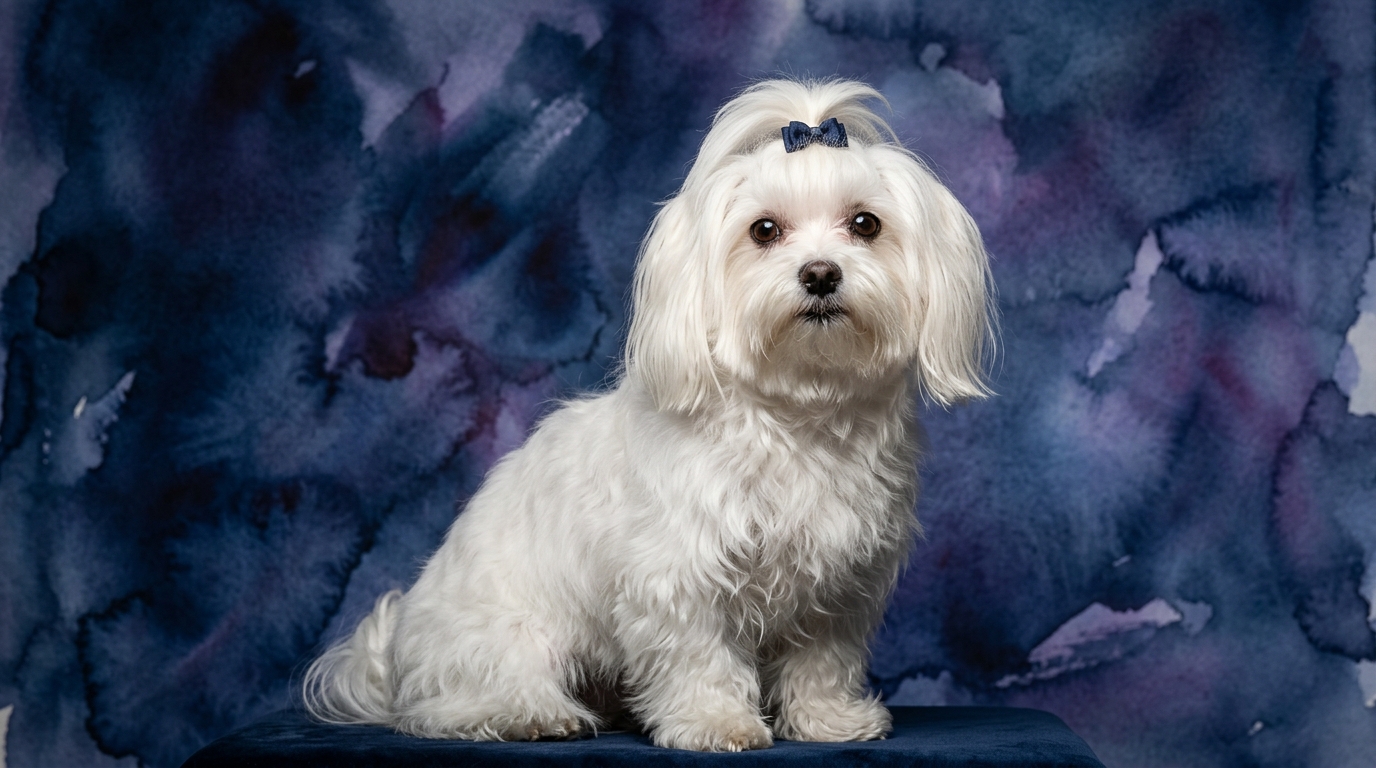
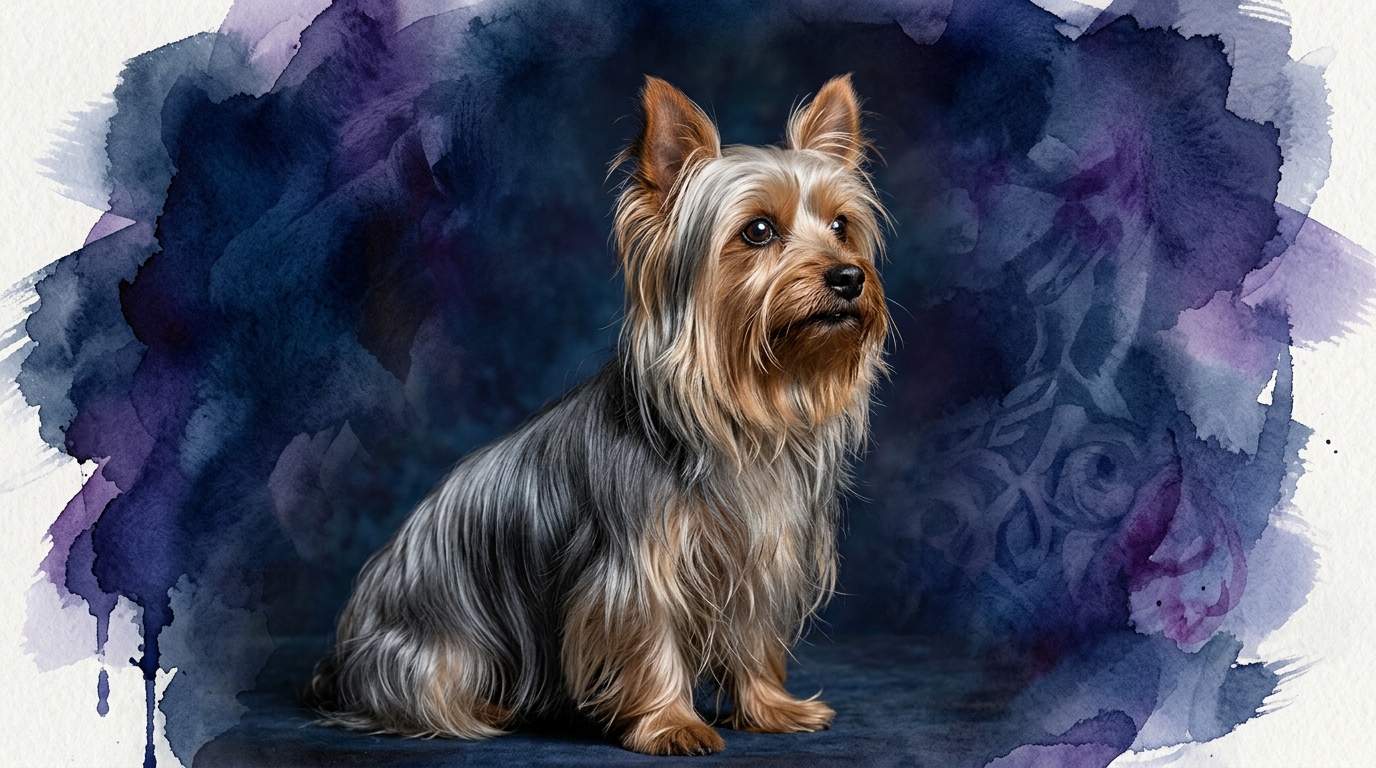
Side-by-Side Cognitive Profile
The Cosmic Pet Pet IQ Lab employs a five-dimensional framework to assess canine intelligence: Problem Solving, Training Speed, Social Intelligence, Instinctive Drive, and Memory. Each dimension is scored out of five, offering a nuanced understanding of a breed's cognitive strengths and tendencies, moving beyond simplistic notions of 'smartness.'
The Maltese presents a profile geared towards companionship. Their Problem Solving and Training Speed both score 3/5, indicating a moderate capacity to navigate new challenges and learn commands with consistent instruction. Memory is also 3/5, suggesting they retain learned information adequately. Their standout trait is a remarkable 5/5 in Social Intelligence, signifying profound emotional attunement and a deep desire for connection. A lower Instinctive Drive of 2/5 means they are less driven by independent exploration or prey instincts. The Maltese also holds a Coren rank of #59, placing them in the average category for working and obedience intelligence.
The Silky Terrier offers a slightly different, yet equally capable, cognitive blueprint. They share the Maltese's 3/5 scores in Problem Solving, Training Speed, and Memory, suggesting similar baseline cognitive processing for these areas. However, their Social Intelligence is a balanced 3/5, indicating they form strong bonds but with a greater degree of independence. Notably, their Instinctive Drive is 3/5, higher than the Maltese, which points to a more pronounced natural urge for exploration, chasing, and engaging with their environment. The Silky Terrier is not Coren-ranked, which often means their cognitive expression might be more varied than in breeds primarily assessed for obedience-focused tasks.
Where the Maltese Wins Cognitively
The Maltese's undeniable cognitive advantage lies in their exceptional Social Intelligence, scoring a perfect 5/5. This isn't merely about enjoying human company; it signifies a deep, almost empathetic attunement to their owners' emotional states and subtle non-verbal cues. They possess an innate ability to 'read' a room and respond with appropriate affection or quiet presence.
This heightened social acumen means a Maltese is often the first to notice a shift in mood, offering comfort or seeking interaction precisely when it's most desired. They excel at forming profound, reciprocal bonds, thriving on close physical and emotional proximity. Their world revolves around their human family, making them incredibly intuitive companions who understand social dynamics with remarkable clarity. This isn't just charming; it's a distinct cognitive strength that allows for complex, non-verbal communication and a profound sense of belonging within a human household.
Where the Silky Terrier Wins Cognitively
The Silky Terrier's unique cognitive edge emerges from its higher Instinctive Drive, rated at 3/5 compared to the Maltese's 2/5. This isn't a deficit for the Maltese, but rather a different prioritization of cognitive resources in the Silky Terrier, manifesting as a more pronounced drive for exploration, chasing, and independent problem-solving rooted in their terrier heritage.
This elevated instinctive drive translates into a dog with a robust curiosity about its surroundings and a natural inclination to investigate. They are more likely to engage with toys that simulate prey, enjoy scent-based games, and show tenacity when pursuing a perceived goal, whether it's a squirrel in the yard or a hidden treat. While their Problem Solving score is similar, their higher drive often propels them to apply those problem-solving skills to more self-directed, environmental challenges, showcasing a tenacious and independent spirit that sets them apart.
Which is Easier to Train and Why
Both breeds share an identical Training Speed score of 3/5 and a Problem Solving score of 3/5, suggesting they absorb new commands and concepts at a comparable moderate pace. However, the *ease* of training often hinges on more than just raw learning speed; it's also about motivation, focus, and the underlying behavioral drivers.
The Maltese's superior Social Intelligence (5/5) offers a distinct advantage in the training arena. Their profound desire to please and connect with their human counterparts makes them inherently more compliant and eager to engage in cooperative tasks. They are highly motivated by praise and affection, often viewing training as another opportunity for positive social interaction. This willingness to work *with* their owner, coupled with their sensitivity to human cues, can make the training process feel smoother and more rewarding, even if the actual rate of learning new commands is similar to the Silky Terrier.
In contrast, the Silky Terrier's higher Instinctive Drive (3/5) and more moderate Social Intelligence (3/5) can present different training dynamics. While they are certainly capable learners, their independent streak and tendency to follow their nose or curiosity can sometimes make them less consistently focused on human-directed tasks. Training a Silky might require more creativity to harness their natural drives, perhaps incorporating elements of chase or scent work, and a firmer, more consistent approach to maintain their attention against environmental distractions. They respond well to reward-based methods but might require more compelling incentives to overcome their inherent terrier tenacity and self-direction.
Which Suits Active Owners vs. Relaxed Owners
When considering lifestyle compatibility, the cognitive profiles of the Maltese and Silky Terrier point to different ideal owner types. The Maltese, with its high Social Intelligence (5/5) and low Instinctive Drive (2/5), is a quintessential companion for relaxed owners seeking a devoted, low-key presence.
Maltese thrive in environments where they receive consistent human attention and affection, perfectly content with indoor living and gentle strolls. Their minimal instinctive drive means they are less prone to independent exploration or demanding vigorous physical activity. They are ideal for individuals or families who cherish quiet companionship, enjoying cuddles on the couch and close emotional bonds, needing mental stimulation primarily through social interaction and gentle play rather than challenging physical feats or complex tasks.
The Silky Terrier, on the other hand, with its balanced Social Intelligence (3/5) and higher Instinctive Drive (3/5), aligns better with active owners. While they love their human families, their terrier heritage imbues them with a greater need for purposeful activity and engagement. They benefit from daily walks that allow for sniffing and exploration, puzzle toys that challenge their problem-solving skills, and games that tap into their natural chase drive. Their robust curiosity and tenacity mean they appreciate owners who can provide outlets for their mental and physical energy, making them excellent companions for those who enjoy outdoor activities, short hikes, or engaging in agility or earthdog trials.
The Verdict
Choose the Maltese if your primary desire is an exceptionally devoted, emotionally intuitive companion who thrives on close social connection and a more relaxed daily routine.
Opt for the Silky Terrier if you appreciate a more independent, tenacious spirit and are prepared to engage their higher instinctive drives with varied activities and consistent mental stimulation.
🧠 Find Your Pet's IQ Score
Our Pet IQ Lab assessment covers 25+ tests across 5 cognitive dimensions — personalized to your breed.
Take the Full IQ Test →Frequently Asked Questions
Does the Maltese's high social intelligence make them prone to separation anxiety?
A Maltese's exceptional social intelligence means they form very strong bonds and deeply value human presence. While not a guarantee, this strong attachment can predispose them to separation distress if not managed with early training and gradual independence building.
Why isn't the Silky Terrier Coren-ranked, and what does that mean for its intelligence?
The absence of a Coren rank for the Silky Terrier doesn't imply a lack of intelligence; rather, Coren's ranking primarily assesses 'working and obedience intelligence.' Silky Terriers possess robust cognitive abilities, particularly in areas of problem-solving and instinctive drive, which might not always align perfectly with obedience-focused metrics.
Are both breeds suitable for first-time dog owners?
Both breeds can be suitable for first-time owners, but their differing cognitive profiles mean different considerations. The Maltese's eagerness to please and social nature can be very forgiving, while the Silky Terrier's independent streak and higher instinctive drive might require a first-time owner who is committed to consistent training and providing ample mental and physical engagement.