Side-by-Side IQ Profile: Unpacking Cognitive Dimensions
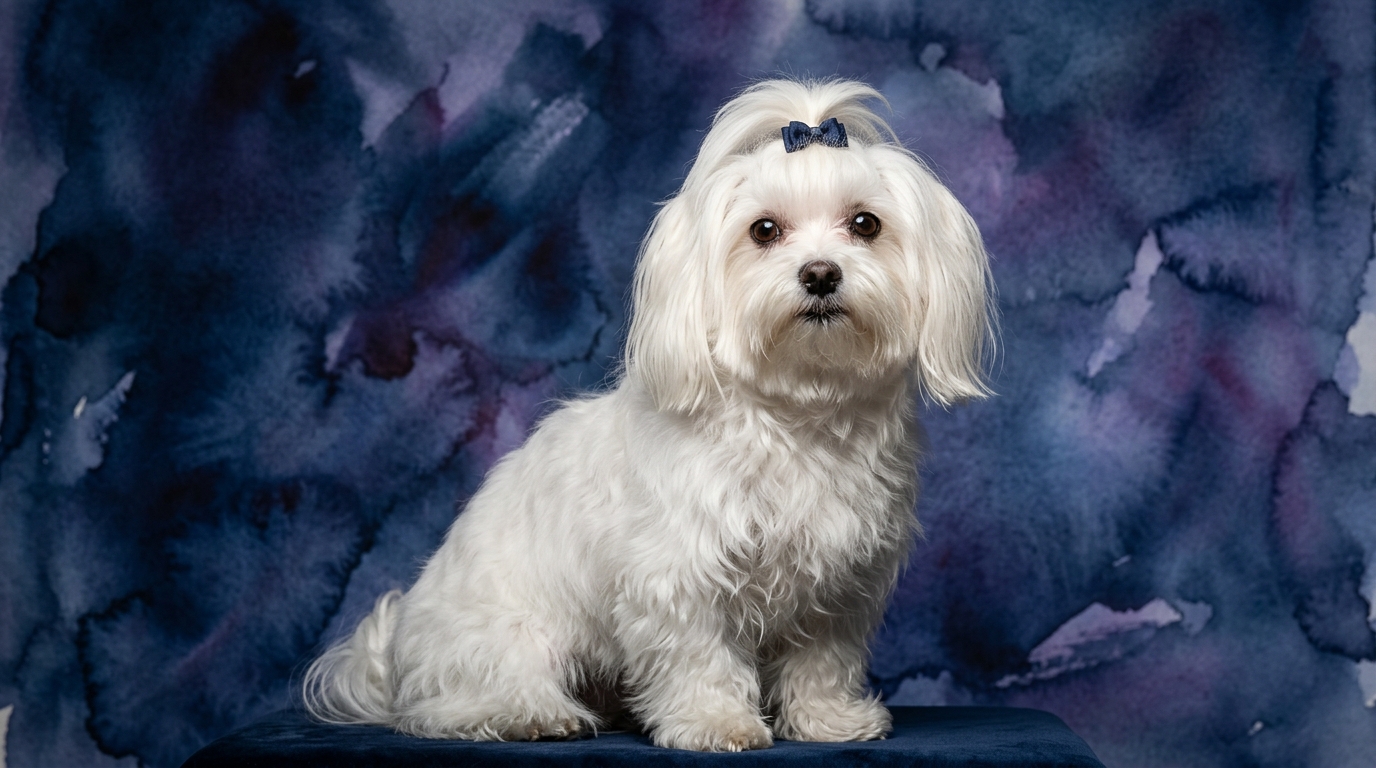
The Cosmic Pet Pet IQ Lab employs a five-dimensional framework to assess canine intelligence, providing a nuanced understanding beyond simple obedience. For the Maltese, a Toy breed, we observe a Coren rank of #59, indicating a moderate level of working and obedience intelligence relative to other breeds. Their Problem Solving score is 3/5, suggesting a moderate capacity to figure out novel situations and puzzles, capable of learning routines but perhaps not always seeking innovative solutions independently. Training Speed also registers at 3/5, meaning they learn new commands and behaviors at an average pace, responsive to consistent, positive reinforcement.
Where the Maltese truly shines is in Social Intelligence, earning a perfect 5/5. This reflects an exceptional ability to read human emotions, understand social cues, and form deep, empathetic bonds with their human companions, making them incredibly intuitive pets. Their Instinctive Drive is lower at 2/5, meaning they possess minimal inherent urges for complex tasks like herding, guarding, or retrieving, preferring companionship over work. Memory for the Maltese stands at 3/5, indicating an average ability to retain learned information and recall past experiences.
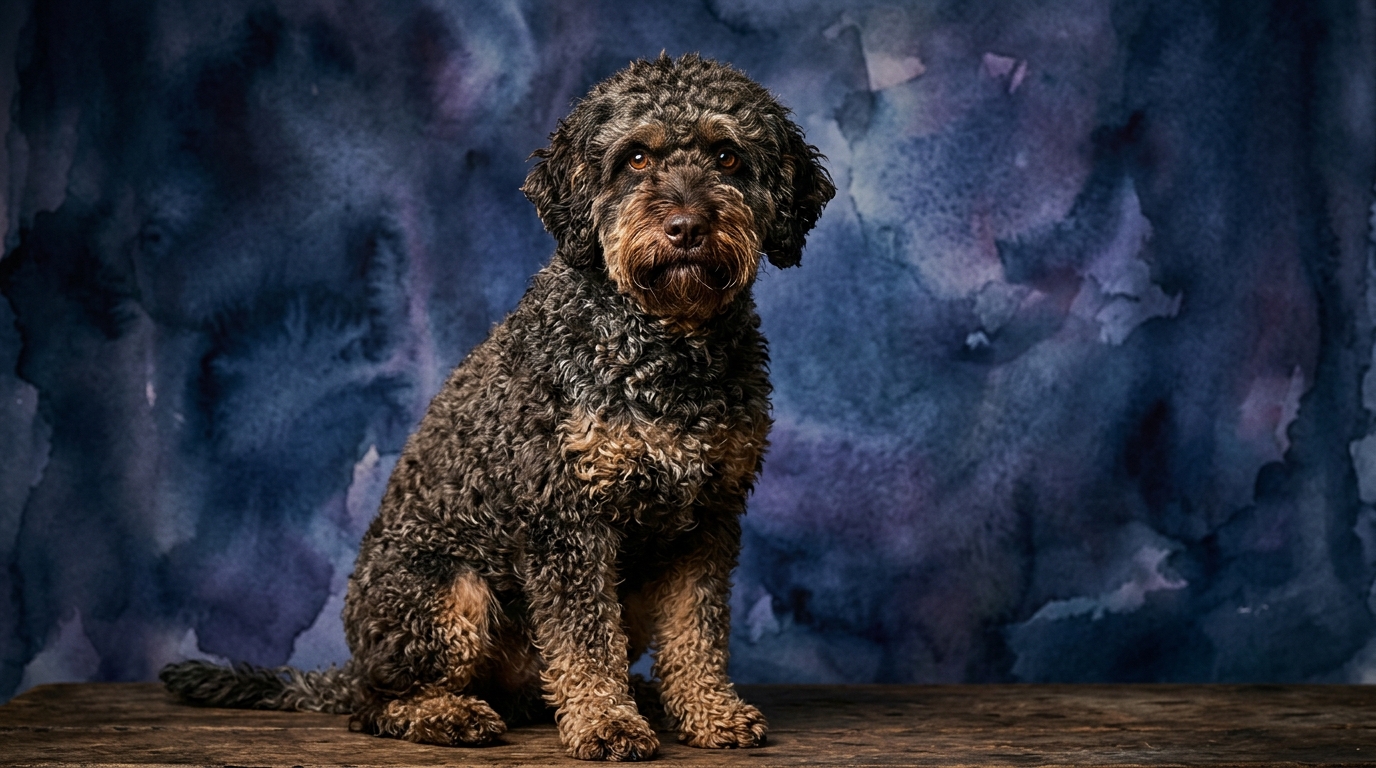
The Spanish Water Dog, a Herding breed, while not Coren-ranked, presents a more balanced, work-oriented cognitive profile across the board. Their Problem Solving score is 3/5, similar to the Maltese, suggesting they can navigate and resolve challenges adequately, often benefiting from tasks that engage their natural instincts. Training Speed is also 3/5, indicating an average rate of learning new skills, though their working drive often makes them eager students when the training is engaging and purposeful.
In contrast to the Maltese, the Spanish Water Dog's Social Intelligence is 3/5. While capable of forming strong bonds, their focus isn't solely on emotional attunement; they possess a more independent streak, characteristic of herding breeds needing to make decisions autonomously. Their Instinctive Drive is 3/5, a moderate but significant score, reflecting their natural inclination for herding, retrieving, and physical activity, and a desire to have a 'job.' Memory for the Spanish Water Dog is also 3/5, allowing them to recall training and past events reliably, which is crucial for their working roles.
Where the Maltese Wins Cognitively: The Art of Connection
The Maltese unequivocally excels in the realm of Social Intelligence, achieving a top score of 5/5, a significant lead over the Spanish Water Dog's 3/5. This superior capacity means Maltese dogs are extraordinarily adept at understanding and responding to human emotions, often appearing to anticipate their owner's moods or needs. They are masters of non-verbal communication, picking up on subtle shifts in tone, facial expressions, and body language, which allows them to forge remarkably deep and intuitive emotional connections.
This heightened social acumen translates into a breed that thrives on companionship and interaction, often becoming highly attuned emotional support animals for their families. Their cognitive strength lies not in complex task execution, but in their ability to integrate seamlessly into the human social fabric, offering comfort, soliciting attention, and providing a constant, empathetic presence. This makes them exceptional companions for individuals or families seeking a dog that is truly 'in tune' with their emotional world.
Where the Spanish Water Dog Wins Cognitively: Purposeful Drive
The Spanish Water Dog's cognitive edge lies in its Instinctive Drive, rated at 3/5, which is notably higher than the Maltese's 2/5. While both breeds share similar scores in Problem Solving, Training Speed, and Memory, the SWD's stronger inherent drive signifies a greater natural inclination towards purposeful activity, work, and exploration. This breed possesses an innate desire to engage with its environment in a meaningful way, often seeking out tasks or activities to fulfill its herding and working heritage.
This higher instinctive drive means the Spanish Water Dog is typically more self-motivated to engage in activities like fetching, swimming, or even complex scent work, requiring less external prompting to initiate play or tasks. Their cognitive strength is rooted in their capacity for sustained focus on a 'job' and their resilience in diverse environments, allowing them to adapt their thinking to practical, outdoor challenges. This makes them particularly suited for roles where they can utilize their natural urges, such as dog sports, agility, or even as working farm dogs.
Which Is Easier to Train and Why: Beyond Speed
Both the Maltese and the Spanish Water Dog share an identical Training Speed score of 3/5, indicating they learn new commands at an average pace. However, the *ease* of training can differ significantly based on their other cognitive attributes and behavioral tendencies. The Maltese, with its exceptional 5/5 Social Intelligence and lower 2/5 Instinctive Drive, often presents as 'easier' to train for basic obedience and house manners because they are intensely motivated by pleasing their human companions and forming strong bonds. Their desire for connection and approval makes them highly receptive to positive reinforcement, and their lower drive means fewer distractions from inherent urges like chasing or herding.
Conversely, while the Spanish Water Dog also learns at an average speed, their 3/5 Instinctive Drive means they require training that channels their natural urges constructively. If not provided with sufficient mental and physical stimulation, their drive can manifest as independent, sometimes stubborn, behavior. Training the SWD often requires more creativity and consistency to integrate their working instincts into the learning process, making it feel more demanding for owners who aren't prepared to engage their dog's purposeful energy. For instance, a Maltese might quickly learn 'stay' because they want to be near you, while a SWD might learn it better if it's part of a retrieve game or a task that gives them a sense of purpose.
Cognitive Profiles for Active vs. Relaxed Owners
The distinct cognitive profiles of the Maltese and Spanish Water Dog make them suitable for vastly different owner lifestyles. The Maltese, with its superior Social Intelligence (5/5) and lower Instinctive Drive (2/5), is an ideal companion for relaxed owners seeking a deeply connected, emotionally responsive pet. Their cognitive strengths are best utilized in environments focused on close companionship, indoor activities, and gentle social interactions. They thrive on being involved in daily family life, often content with moderate indoor play and short, leisurely walks.
Conversely, the Spanish Water Dog, characterized by its moderate Instinctive Drive (3/5) and balanced Problem Solving (3/5) and Training Speed (3/5), is a perfect match for active owners. This breed's cognitive make-up demands regular mental and physical engagement, excelling in activities that utilize their natural herding and retrieving instincts. Owners who enjoy hiking, swimming, dog sports like agility, or even working roles will find the SWD's intelligence is best expressed through consistent activity and purposeful tasks, preventing boredom and potential behavioral issues stemming from unfulfilled drives.
The Verdict
Choose the Maltese if your lifestyle is relaxed and you prioritize an emotionally intuitive companion who thrives on close social connection and moderate activity.
Opt for the Spanish Water Dog if you are an active owner seeking a versatile, driven partner for outdoor adventures, dog sports, and engaging mental challenges.
🧠 Find Your Pet's IQ Score
Our Pet IQ Lab assessment covers 25+ tests across 5 cognitive dimensions — personalized to your breed.
Take the Full IQ Test →Frequently Asked Questions
Do Maltese dogs get bored easily due to their lower instinctive drive?
Maltese dogs have a lower instinctive drive, meaning they are less prone to boredom from a lack of intense, task-oriented activity. They are more content with social interaction, gentle play, and being close to their owners, fulfilling their high social intelligence needs rather than needing constant 'work'.
How does the Spanish Water Dog's instinctive drive impact their daily behavior?
The Spanish Water Dog's moderate instinctive drive means they naturally seek activities that engage their mind and body, often manifesting as a desire to herd, retrieve, or explore. If these urges aren't met through structured play or training, they may invent their own 'jobs,' which can sometimes lead to mischievous or disruptive behaviors.
Are Maltese dogs good at learning tricks despite their average problem-solving score?
Yes, Maltese dogs can be quite good at learning tricks, not necessarily because of exceptional problem-solving, but due to their high social intelligence and desire to please their owners. Their responsiveness to human cues and motivation for positive interaction makes them enthusiastic students for trick training.