Side-by-Side IQ Profile: Maltese vs. Staffordshire Bull Terrier
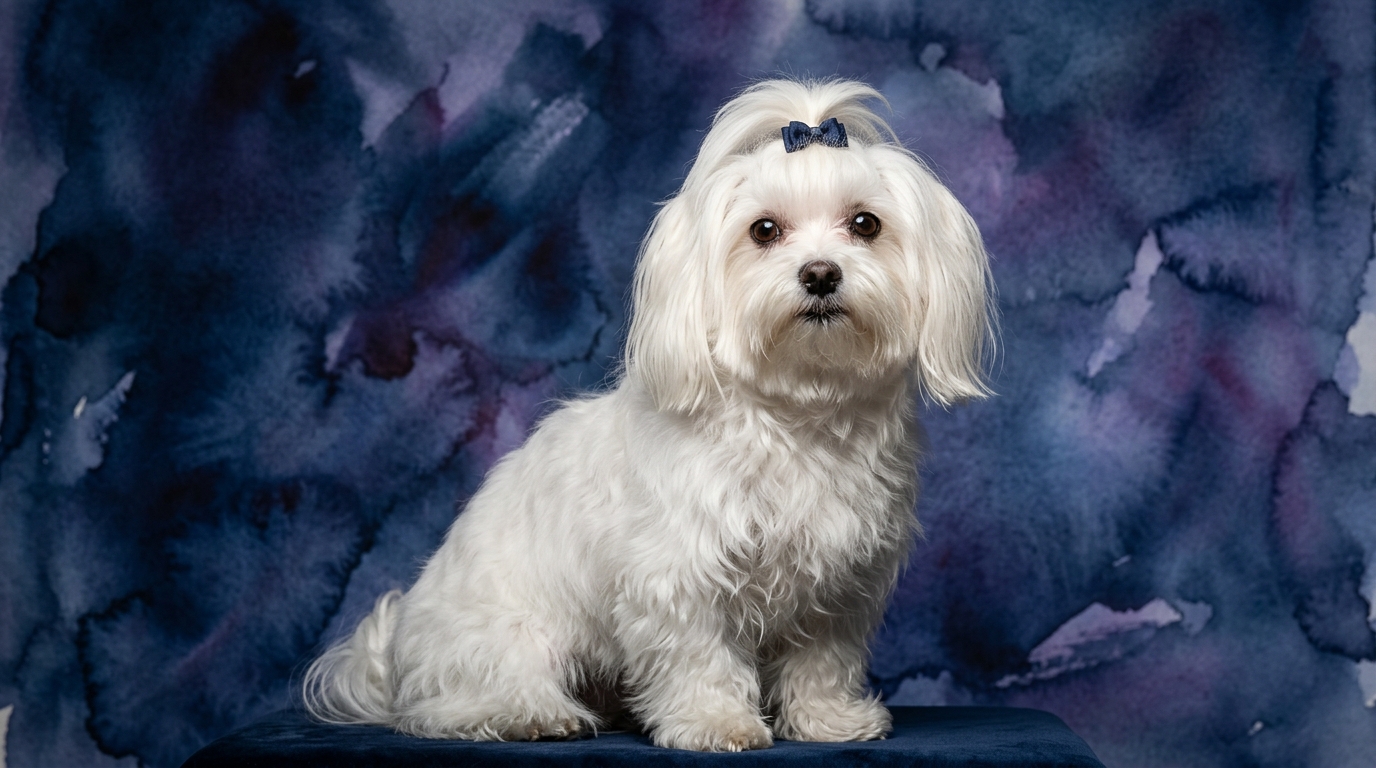
**Maltese (Coren Rank #59):** This breed’s cognitive makeup is finely tuned for companionship.
**Problem Solving (3/5):** Capable of solving moderate challenges, often by relying on learned patterns or gentle manipulation rather than complex, novel strategies. Their problem-solving is typically cooperative, not independently driven.
**Training Speed (3/5):** Learns new commands at an average pace, highly responsive to consistent positive reinforcement, especially praise and gentle interaction, driven by a strong desire to please.
**Social Intelligence (5/5):** Exceptionally attuned to human emotions and subtle social cues, demonstrating profound empathy and an innate ability to anticipate owner moods, making them intuitive companions.
**Instinctive Drive (2/5):** Possesses a low prey drive and minimal independent hunting or guarding instincts; their cognitive energy is primarily directed towards social interaction and companionship.
**Memory (3/5):** Adequately retains learned commands and routines, benefiting from regular practice and recalling experiences associated with positive reinforcement.
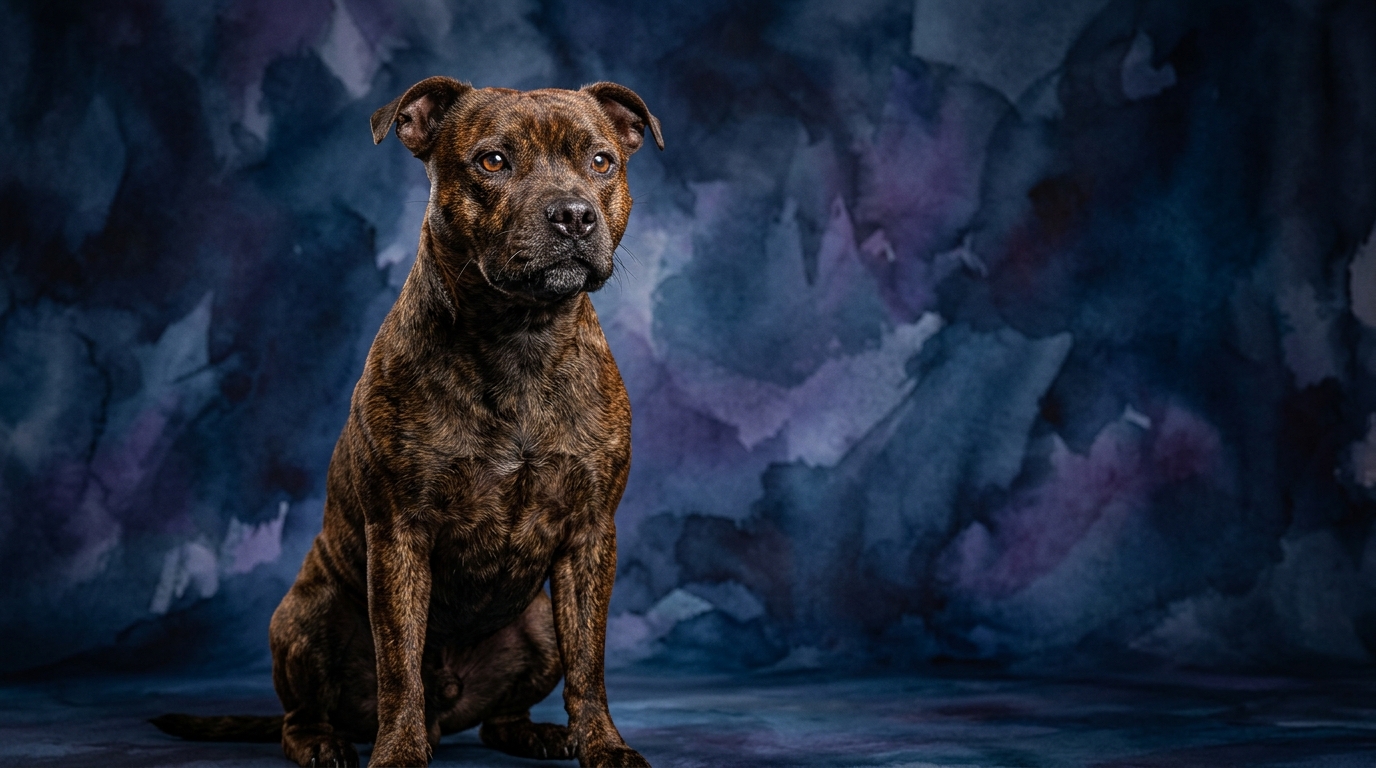
**Staffordshire Bull Terrier (Not Coren-Ranked):** The Staffy's cognition reflects its robust and engaging nature.
**Problem Solving (3/5):** Exhibits practical problem-solving skills, particularly when tasks involve physical engagement or a clear reward. They approach challenges with tenacity and a direct, trial-and-error method.
**Training Speed (3/5):** Learns at an average rate, but requires engaging, consistent, and fun training methods, as their enthusiasm and independent thought can sometimes require patient guidance.
**Social Intelligence (3/5):** Generally affectionate and good-natured with people, but less attuned to subtle emotional nuances than the Maltese, preferring clear, overt social cues and robust interaction.
**Instinctive Drive (3/5):** Possesses a moderate instinctive drive, manifesting as a strong desire for physical engagement, play, and sometimes a moderate prey drive, requiring appropriate outlets.
**Memory (3/5):** Good recall for positive experiences, learned behaviors, and routines, though strong environmental distractions can sometimes influence their focus during recall.
Where the Maltese Wins Cognitively
The Maltese’s cognitive prowess truly excels in the realm of social intelligence, scoring a perfect 5/5. This isn't merely about being friendly; it reflects a profound capacity for emotional understanding and intuitive connection with humans. They possess a unique cognitive ability to interpret nuanced changes in human vocalizations, body language, and facial expressions, allowing them to anticipate their owner's moods and react empathetically. For instance, a Maltese might instinctively offer comfort when sensing distress or initiate gentle play when detecting happiness, demonstrating a sophisticated processing of social cues that few other breeds match. Their cognitive architecture is inherently wired for fostering deep, responsive human-animal bonds, making them masters of subtle communication within a household context. This exceptional social acumen means they often require less explicit instruction to understand social boundaries or emotional needs, relying instead on their innate perceptive abilities.
Where the Staffordshire Bull Terrier Wins Cognitively
The Staffordshire Bull Terrier demonstrates distinct cognitive strengths in areas requiring physical tenacity and practical application of problem-solving skills, supported by their 3/5 instinctive drive. Unlike the Maltese's focus on social nuance, the Staffy's mind is geared towards engaging with and manipulating its physical environment. This manifests in their ability to strategically approach puzzle toys that require physical effort or to navigate complex agility courses with determination and focus. Their cognitive processes are often driven by a strong desire to achieve a tangible outcome, whether it's retrieving a toy, winning a tug-of-war, or overcoming an obstacle. This resilience in pursuit of a goal, coupled with their robust physical capabilities, allows them to excel in tasks demanding sustained effort and physical coordination. They process challenges as opportunities for dynamic interaction, often finding direct and persistent solutions rather than subtle, observational ones.
Which is Easier to Train and Why
Both the Maltese and the Staffordshire Bull Terrier share a 3/5 training speed, indicating they are capable learners, but their cognitive drivers for training differ significantly. The Maltese, with its unparalleled social intelligence, is often perceived as 'easier' to train for basic obedience because its primary motivation is to please and maintain close proximity to its human. Their cognitive reward system is heavily weighted towards social approval, making positive reinforcement like praise and gentle affection incredibly effective. They are less likely to challenge commands with independent thought, as their mental energy is directed towards harmonious coexistence. Conversely, while the Staffy also responds well to positive reinforcement, their moderate instinctive drive and robust nature mean training needs to be highly engaging and consistent. Their cognitive focus can be easily diverted by environmental stimuli or their own playful impulses. To train a Staffy effectively, sessions often need to be structured as interactive games that leverage their physical prowess and desire for activity, such as incorporating fetch or tug into command practice. While neither breed is inherently 'harder' to train, the Maltese's cognitive wiring for social reciprocity often makes initial obedience training feel more straightforward, whereas the Staffy requires a more dynamic and persistent approach to channel its substantial mental and physical energy.
Which Suits Active Owners vs. Relaxed Owners
When considering lifestyle compatibility, the cognitive profiles of these two breeds offer clear distinctions. The Maltese, with its low instinctive drive (2/5) and profound social intelligence (5/5), is an ideal companion for relaxed owners or those with less active lifestyles. Their cognitive needs are primarily met through close companionship, gentle indoor play, and moderate, short walks. They don't possess a strong mental drive for complex physical challenges or extensive outdoor adventures; instead, their cognitive energy is almost entirely directed towards bonding and emotional attunement with their human family. They thrive in environments where their main 'job' is to be a loving, present companion, making them perfectly suited for apartment living or owners who prefer quiet evenings. In contrast, the Staffordshire Bull Terrier, with its balanced instinctive drive (3/5) and practical problem-solving skills, is a natural fit for active owners. Their minds are stimulated by regular physical activity, engaging play sessions, and opportunities to explore varied environments. They benefit significantly from daily walks, interactive games like fetch or tug, and even participation in dog sports such as agility or flyball. Owners who enjoy an active outdoor lifestyle and are prepared to channel their Staffy's robust mental and physical energy will find a highly engaged and enthusiastic partner. Their cognitive satisfaction comes from dynamic interaction and purposeful activity, rather than purely passive companionship.
The Verdict
Choose a Maltese if you seek an extraordinarily empathetic companion whose cognitive strengths lie in deep social bonding and intuitive emotional connection, thriving in a calm, people-centric home where subtle emotional cues are paramount.
Opt for a Staffordshire Bull Terrier if you desire a robust, playful partner who excels in physical engagement and practical problem-solving, fitting well into an active household that values interactive challenges and consistent, game-based interaction.
🧠 Find Your Pet's IQ Score
Our Pet IQ Lab assessment covers 25+ tests across 5 cognitive dimensions — personalized to your breed.
Take the Full IQ Test →Frequently Asked Questions
Do Maltese dogs understand human emotions better than Staffies?
Yes, the Maltese's exceptional social intelligence (5/5) suggests a greater cognitive capacity for discerning subtle human emotional cues and responding empathetically. While Staffies are affectionate, their social processing is generally more direct, indicating a difference in the nuance of emotional understanding and a preference for overt social interaction.
Are Staffies more independent thinkers than Maltese?
Staffies, with their moderate instinctive drive, often exhibit a more independent and tenacious approach to tasks, especially when motivated by play or physical interaction. They are more likely to pursue a goal autonomously. Maltese, conversely, are typically more human-dependent, with their cognitive focus primarily on companionship and pleasing their owner, making them less inclined towards independent problem-solving.
Which breed is better at learning tricks?
Both breeds have a 3/5 training speed, meaning they can learn tricks effectively. The Maltese excels with gentle, praise-based training due to their strong social intelligence and desire to please. The Staffy thrives with engaging, game-like sessions that tap into their physical drive and desire for interactive challenges, responding best to enthusiasm and consistent rewards.