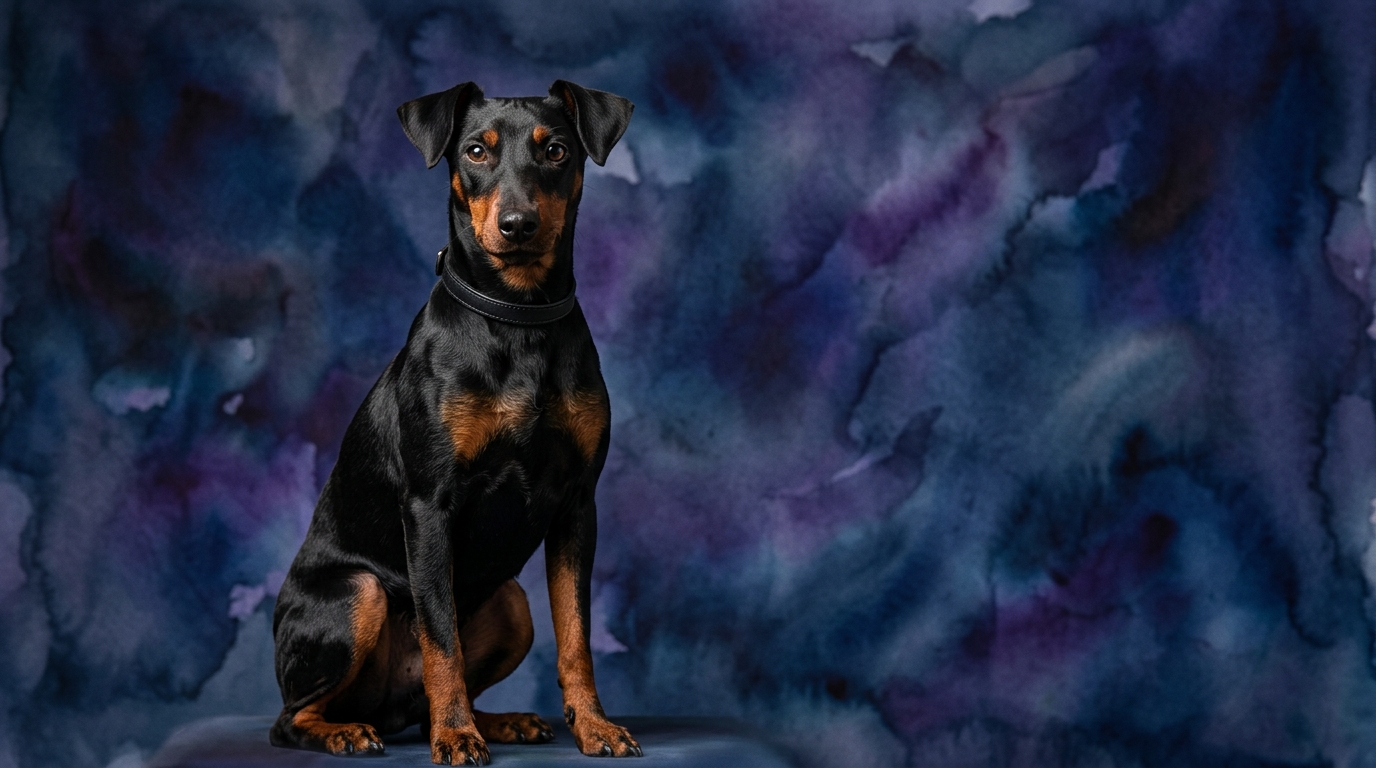
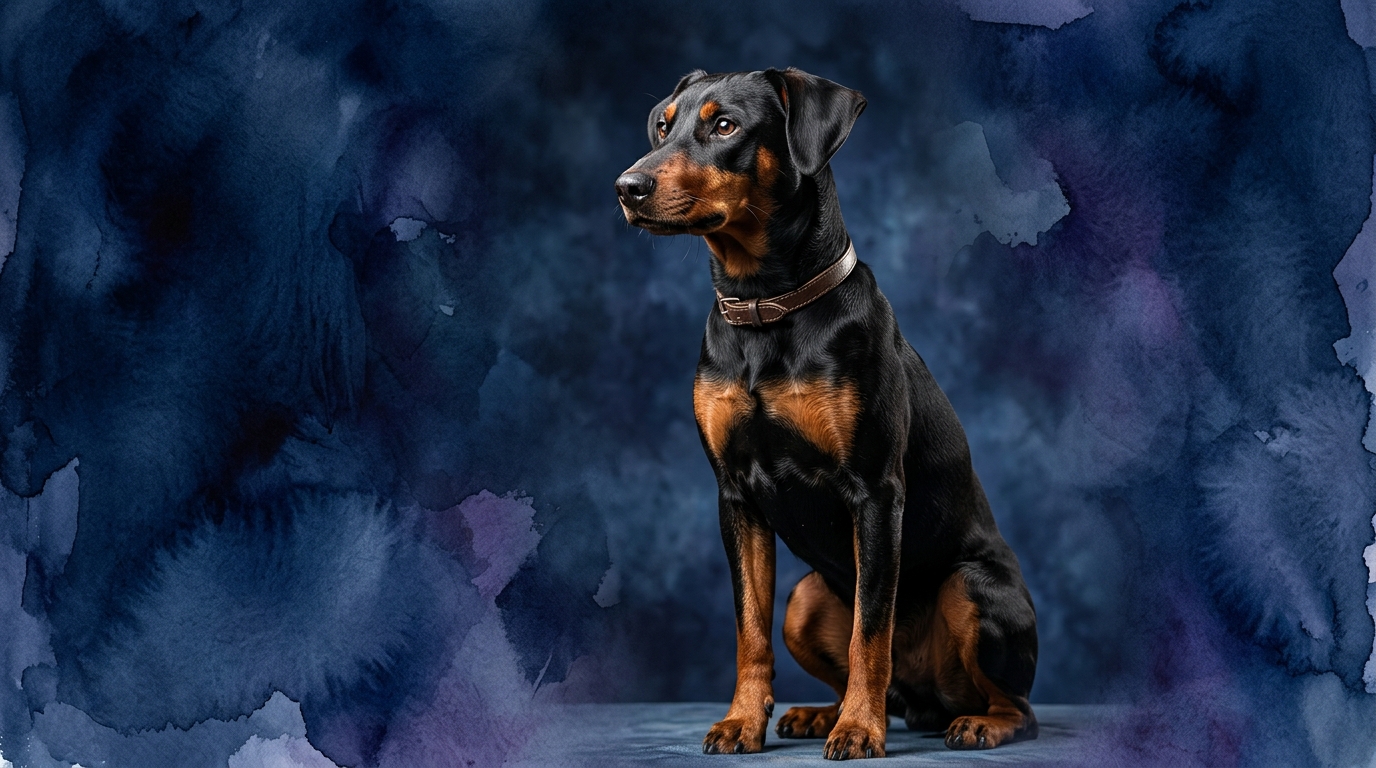
Side-by-Side Cognitive Profiles
The Cosmic Pet Pet IQ Lab assesses canine intelligence across five key dimensions, and interestingly, both the Manchester Terrier and the German Pinscher register identical scores across the board. However, a numerical equivalence doesn't mean their cognitive processes operate in the same manner. Their breed-specific histories and inherent temperaments lend unique flavors to each score, revealing how a '3/5' in one area can manifest quite differently.
For the **Manchester Terrier**, a score of **3/5 in Problem Solving** reflects a clever, often self-directed ingenuity. These dogs excel at figuring out how to navigate tight spaces, outsmarting small prey, or finding ways to access desired items, often employing a determined, trial-and-error approach characteristic of their vermin-hunting heritage. Their solutions are typically practical and serve their immediate goals, sometimes with a touch of mischievousness. Their **3/5 Training Speed** indicates a capacity for rapid learning, but it’s often paired with an independent streak. A Manchester Terrier can grasp new commands quickly when motivated, yet their compliance might be conditional on whether they deem the task worthwhile or align with their current interests. Consistency and engaging methods are crucial to harness their quick wits. A **3/5 in Social Intelligence** means they are acutely aware of their human family's dynamics and intentions, forming deep, loyal bonds. They can read moods and situations well within their familiar circle, though they may display a reserved or discerning attitude towards strangers, relying on their judgment rather than automatic amiability. Their social cues are often direct and clear, indicating their preferences. Their **3/5 Instinctive Drive** is largely rooted in their terrier lineage: a robust prey drive, an eagerness to chase, and a keen alertness. This manifests as a sharp response to movement, a propensity for digging if left unsupervised, and an inherent vigilance against perceived intruders or novel stimuli in their environment, fueling their energy and focus. The Manchester Terrier’s **3/5 Memory** score highlights their ability to retain complex routines, learned commands, and significant experiences, both positive and negative. They remember where the best sunbeam is, which cupboard holds the treats, and past interactions with people or other animals, influencing their future behavior and responses.
The **German Pinscher** also scores **3/5 in Problem Solving**, but their approach leans more towards strategic thinking and resourcefulness in a protective or task-oriented context. They are adept at evaluating situations, identifying potential threats, or figuring out how to complete a multi-step task, often displaying a calculated and resolute method. Their solutions often involve assessing their environment and acting decisively. Similar to the Manchester Terrier, the German Pinscher's **3/5 Training Speed** signifies quick learning capabilities. However, their drive to understand and participate in human-led activities, characteristic of working breeds, often translates into a keen desire to master commands. While independent, they respond well to clear, fair leadership, internalizing lessons efficiently and demonstrating a capacity for advanced obedience. A **3/5 Social Intelligence** for the German Pinscher points to their discerning nature and strong family loyalty. They are observant of human behavior, understanding subtle cues and family hierarchies. They excel at recognizing familiar faces versus strangers, often acting as vigilant guardians who can distinguish between a welcomed guest and a perceived threat, making them highly attuned to their social environment. The German Pinscher’s **3/5 Instinctive Drive** is primarily centered around their role as guardians and companions. This manifests as strong territoriality, a watchful demeanor, and an innate desire to protect their family and property. While they possess some prey drive, it is generally less intense than a terrier's and more aligned with general alertness and vigilance rather than dedicated vermin control. With a **3/5 Memory** score, the German Pinscher demonstrates excellent retention of training, routines, and social interactions. They remember boundaries, house rules, and the individuals they've met, influencing their future responses and interactions. This robust memory contributes to their consistent behavior and reliability within a structured environment.
Where the Manchester Terrier Excels Cognitively
While both breeds share identical numerical scores, the Manchester Terrier often showcases a particular cognitive edge in areas demanding independent, self-initiated problem-solving with a touch of guile. Their heritage as ratters means they excel at tasks requiring cleverness to overcome physical barriers or outmaneuver small, quick targets. This isn't about following complex human instructions, but rather about innate resourcefulness when faced with a challenge that appeals to their predatory instincts. For instance, a Manchester Terrier might more readily devise novel ways to access a forbidden treat or squeeze through a small opening, driven purely by their own motivation rather than seeking human approval. Their problem-solving is often a solo endeavor, reflecting a deep-seated autonomy and a tenacious spirit that fuels their cognitive drive to achieve their own objectives, irrespective of human direction.
Where the German Pinscher Excels Cognitively
Conversely, the German Pinscher tends to display a cognitive advantage in situations requiring discerning social intelligence and a strategic approach to protection. Their working background means they are often more adept at reading and reacting to complex human social cues, particularly those related to safety and hierarchy within the family unit. A German Pinscher might more quickly assess a novel person or situation for potential threat, exhibiting a nuanced understanding of social dynamics rather than just reacting impulsively. Their problem-solving often involves a more calculated assessment of risk and the implementation of a deliberate strategy, making them particularly astute in roles demanding vigilance and judgment, such as discerning between a postal worker and an actual intruder. This cognitive strength allows them to act as thoughtful, perceptive guardians.
Training Dynamics: A Tale of Two 3/5s
Despite both breeds scoring 3/5 in training speed, the 'ease' of training can manifest differently due to their underlying motivations and drives. The German Pinscher, with its working heritage, often possesses a stronger innate desire to partner with its human, making them generally more receptive to structured obedience and eager to please a respected leader. Their social intelligence often translates into a quicker understanding of human expectations and a willingness to comply for positive reinforcement and partnership. Consistency and fairness are paramount, but once a German Pinscher understands a command, their memory and desire to please ensure reliable recall and a solid foundation for advanced training. They thrive on clear communication and appreciate a leader who provides consistent guidance, making them highly responsive to well-structured lessons.
In contrast, the Manchester Terrier, while quick to learn, often brings a stronger independent streak to the training process. Their terrier tenacity means they might understand a command perfectly but choose to execute it only if it aligns with their immediate interest or if the reward is sufficiently compelling. Training a Manchester Terrier requires more creativity, engaging games, and a deep understanding of their prey drive to make learning feel like a collaborative hunt rather than a directive. Their memory is excellent, retaining both commands and past experiences, but their willingness to apply it in a structured setting can be more variable, demanding a trainer who can consistently capture their attention and make training irresistibly fun and rewarding. They respond best to short, engaging sessions that tap into their natural curiosity and drive, rather than repetitive drills.
Matching Breeds to Lifestyles: Active vs. Relaxed Owners
Considering their cognitive profiles and inherent drives, the German Pinscher generally suits active owners who appreciate a canine partner in structured activities. Their 3/5 instinctive drive, focused on vigilance and companionship, combined with their strategic problem-solving, means they thrive when given a 'job' – be it advanced obedience, agility, or guarding duties. They require consistent mental stimulation and physical exercise to channel their energy and intelligence productively. An owner who enjoys training, hiking, or dog sports will find a responsive and engaged companion in the German Pinscher, as they revel in purposeful activity alongside their human. For more relaxed owners, a German Pinscher can adapt, but their inherent need for purpose and mental engagement means they might become restless or develop their own 'jobs' if not adequately stimulated, which could lead to unwanted behaviors like excessive barking or patrolling.
The Manchester Terrier, while also energetic, often suits owners who are active in a different way – those who appreciate independent play, spontaneous adventures, and engage in quick, stimulating bursts of activity. Their robust prey drive and clever problem-solving make them ideal for owners who enjoy interactive games, lure coursing, or Earthdog trials, activities that tap into their natural instincts. While they require regular exercise, their independent nature means they might be content with shorter, more intense bursts of activity followed by cuddles, rather than sustained, highly structured work. A relaxed owner who can provide consistent, engaging mental enrichment and manage their terrier instincts will find a loyal, entertaining companion, but ignoring their need for mental engagement can lead to a bored and potentially destructive dog that finds its own, less desirable, forms of entertainment.
The Verdict
Choose the Manchester Terrier if you value an independent, clever companion who brings spontaneous joy and thrives on engaging, instinct-driven activities, and you're prepared for a dog that sometimes operates on its own terms.
Opt for the German Pinscher if you seek a loyal, discerning partner eager for structured activity and training, and you can provide consistent leadership and mental challenges for a protective and strategic thinker.
🧠 Find Your Pet's IQ Score
Our Pet IQ Lab assessment covers 25+ tests across 5 cognitive dimensions — personalized to your breed.
Take the Full IQ Test →Frequently Asked Questions
Are Manchester Terriers stubborn during training?
While not inherently stubborn, Manchester Terriers possess a strong independent streak and will to please themselves first. Their 3/5 training speed means they learn quickly, but consistent, fun, and reward-based methods are essential to keep their attention and overcome their preference for self-directed activities.
Do German Pinschers make good guard dogs?
Yes, German Pinschers excel as vigilant guardians due to their 3/5 instinctive drive and discerning social intelligence. They are observant of their environment and family, capable of assessing situations and acting protectively without being overly aggressive, making them excellent deterrents for their home.
Which breed is better with children?
Both breeds can be good with children when properly socialized and raised together, but their approaches differ. The Manchester Terrier's playful independence suits active, respectful children, while the German Pinscher's protective and discerning nature means they are often tolerant but watchful, making them better suited to slightly older, respectful children who understand boundaries and respect their space.