Side-by-Side Cognitive Profile: Unpacking Identical Scores
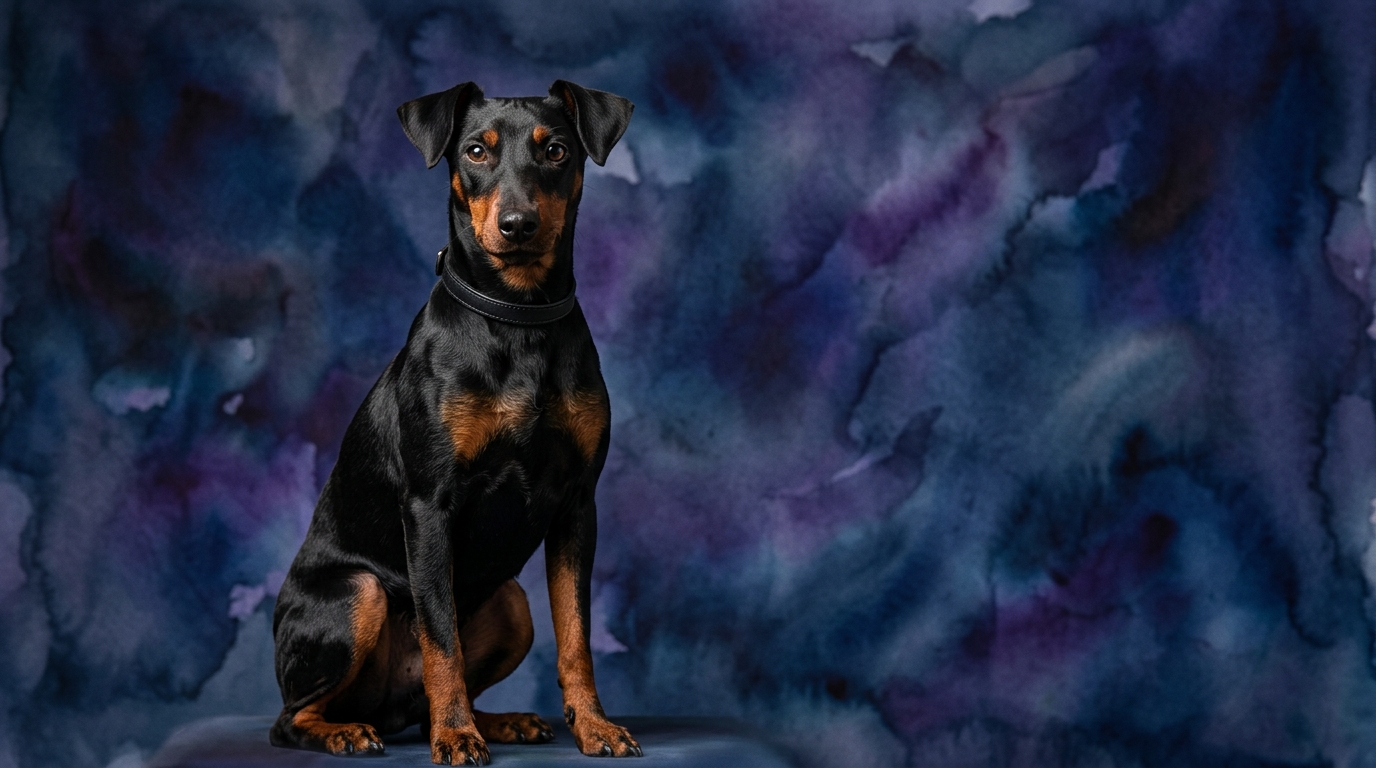
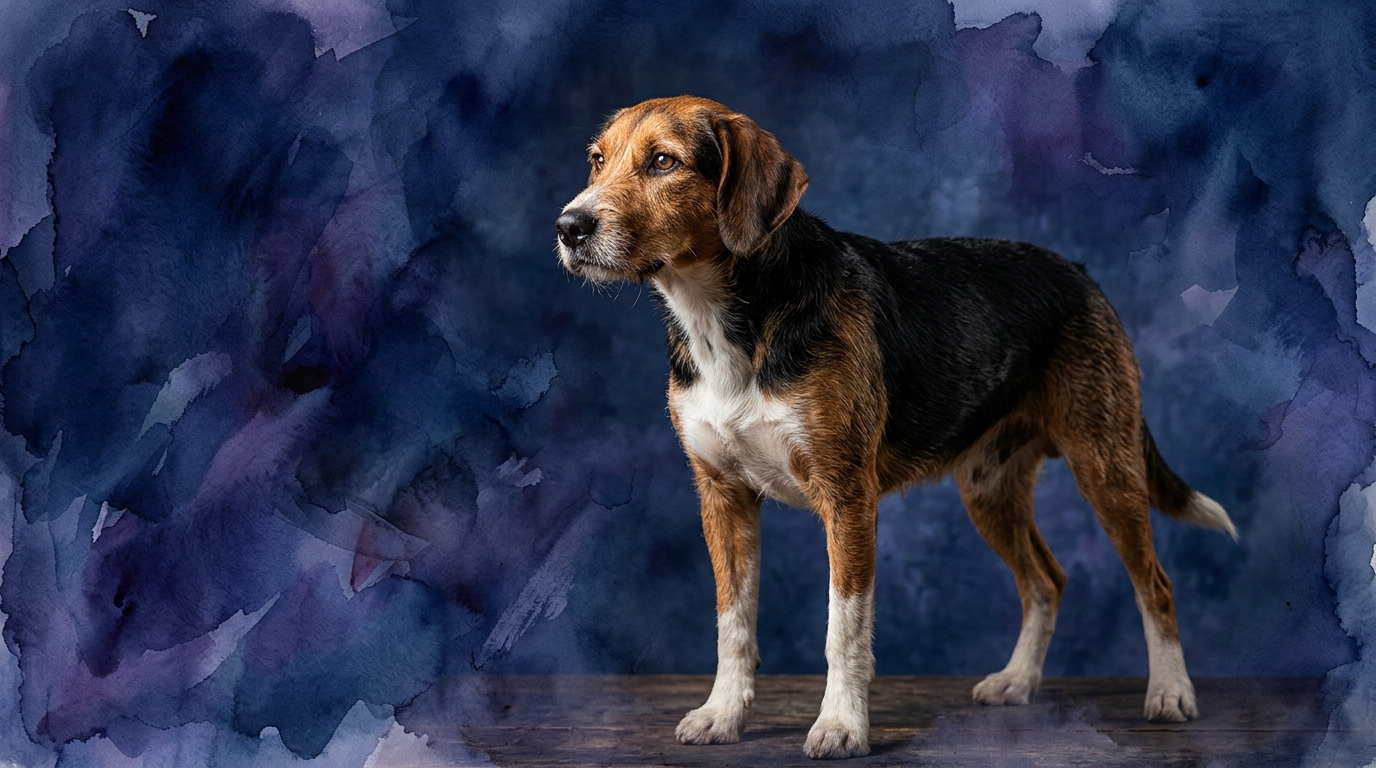
At first glance, the Manchester Terrier and Harrier appear to have identical cognitive profiles according to our Cosmic Pet Pet IQ Lab data, each scoring 3/5 across all five dimensions: Problem Solving, Training Speed, Social Intelligence, Instinctive Drive, and Memory. However, these identical scores manifest profoundly differently, shaped by their distinct ancestral purposes as a terrier and a hound.
For **Problem Solving (3/5)**, the Manchester Terrier often displays a cunning, independent approach, driven by its history as a ratter. They excel at figuring out how to outsmart small prey or navigate complex, confined spaces, using persistence and cleverness. A Harrier's 3/5 problem-solving, conversely, is more aligned with methodical tracking and adapting to environmental cues to follow a scent trail, often within a pack context. Their problem-solving is less about individual ingenuity and more about sustained, focused effort.
Regarding **Training Speed (3/5)**, the Manchester Terrier grasps new commands at a moderate pace, but their independent spirit means compliance isn't always immediate; they often weigh the reward against their own desires. Harriers also learn at a moderate rate, but their powerful scent drive can be a significant distraction, making sustained focus challenging despite their willingness to cooperate. Consistency and high-value rewards are paramount for both, but for different underlying reasons.
**Social Intelligence (3/5)** in a Manchester Terrier suggests they can read human and canine cues, but their interactions can be more selective or reserved, forming deep bonds with their chosen few. They understand boundaries but might test them with a typical terrier self-assurance. A Harrier's 3/5 social intelligence is often expressed through their affable, pack-oriented nature, enjoying group activities and generally being more amenable to cooperative efforts, reflecting their heritage as working hounds.
The **Instinctive Drive (3/5)** of a Manchester Terrier is heavily geared towards prey drive, chasing, and territorial alertness, making them vigilant and spirited. This drive requires careful management and appropriate outlets to prevent unwanted behaviors like chasing small animals or excessive barking. The Harrier's 3/5 instinctive drive is overwhelmingly focused on scent work and endurance, making them tireless trackers with an unwavering determination to follow a trail. This instinct demands extensive physical and mental engagement through activities like scent games or long, purposeful walks.
Finally, for **Memory (3/5)**, both breeds retain learned information and routines moderately well. The Manchester Terrier remembers commands and experiences, but their independent streak means they might remember *how* to perform a task but might still need strong motivation to *consistently* execute it. Harriers also have a reliable memory, particularly for scent trails and geographical navigation, but their strong drives can occasionally override perfect recall in highly stimulating environments, pulling them away from a learned command in favor of an enticing smell.
Where the Manchester Terrier's Cognition Shines
Despite sharing identical numerical scores, the Manchester Terrier's unique blend of terrier tenacity and intelligence gives it distinct cognitive advantages in specific areas. Their historical role as ratters instilled a remarkable capacity for independent problem-solving, particularly in confined or challenging environments. A Manchester Terrier might excel at figuring out complex puzzle toys or devising clever ways to access forbidden areas, demonstrating a proactive, self-reliant approach to overcoming obstacles that is characteristic of their breed. This isn't just a physical act; it involves a sequence of cognitive steps to assess, plan, and execute.
Another area of cognitive strength lies in their focused alertness and quick decision-making regarding their immediate surroundings. As natural watchdogs, they possess a keen observational intelligence, rapidly processing subtle environmental changes and the presence of strangers. This allows them to quickly discern potential threats or novelties, leading to swift, often vocal, alerts. This acute awareness and rapid cognitive processing of their environment set them apart, making them highly effective communicators of their observations to their human companions.
Furthermore, their innate terrier cunning often translates into a nuanced understanding of boundaries and routines, which they might playfully test. This indicates a cognitive awareness of rules and expectations, even if their independent spirit occasionally prompts them to explore the limits. This cleverness demands an owner who can consistently out-think their dog, turning potential challenges into engaging mental exercises.
Where the Harrier's Cognition Excels
The Harrier, with its deep hound heritage, showcases cognitive strengths that are distinct from its terrier counterpart, even with matching IQ scores. Their most prominent cognitive advantage lies in their unparalleled ability for sustained focus on scent. This isn't merely an instinct; it's a complex cognitive process involving discrimination, pattern recognition, and memory to follow a trail over vast distances and varied terrains, sifting through countless other sensory inputs. A Harrier can maintain this intense mental engagement for hours, demonstrating remarkable cognitive stamina and determination.
Their pack hunting background also endows Harriers with a superior understanding of cooperative group dynamics. While their social intelligence is rated 3/5, they are generally more adept at reading social cues within a group context and working collaboratively towards a shared goal, whether with other dogs or their human companions. This nuanced social cognition makes them agreeable partners in activities that require teamwork and coordination, distinguishing them from the more independent problem-solving style of a terrier.
Moreover, Harriers exhibit exceptional spatial memory and environmental navigation skills. Their ability to recall complex routes and topographical features, often combining visual and olfactory cues, is a testament to their practical intelligence. This cognitive mapping allows them to efficiently navigate large outdoor spaces, making them superb companions for extended adventures where remembering the way is crucial. This is a profound cognitive asset for any owner who enjoys exploring vast outdoor landscapes.
Training Dynamics: Manchester Terrier vs. Harrier
When it comes to training, both the Manchester Terrier and the Harrier present unique considerations despite their identical 3/5 training speed scores. The Manchester Terrier's independent nature and sharp wit mean they learn quickly, but their compliance is often conditional. They require an owner who can make training engaging, challenging, and consistently rewarding, appealing to their problem-solving intellect. Repetitive, uninspired training will likely be met with a terrier's clever defiance. Their potential for stubbornness means training is less about brute force and more about strategic engagement and building a strong, respectful partnership where the dog feels motivated to participate. They might understand a command perfectly but choose not to execute it if a more interesting distraction or perceived benefit arises.
The Harrier, while generally eager to please within a pack structure, faces its primary training challenge in its formidable scent drive and potential for distraction. They can learn commands readily, especially when food-motivated, but maintaining focus in an environment rich with stimulating smells can be incredibly difficult. Training a Harrier demands immense patience, unwavering consistency, and a proactive approach to managing their environment. Early and consistent recall training, often with the aid of a long line, is non-negotiable for their safety. Their instincts are powerful, and an owner must learn to channel these drives into productive activities rather than attempting to suppress them entirely. For a novice owner, managing a Harrier's environmental focus might feel more demanding than navigating a Manchester Terrier's independent streak, even if the Harrier is inherently more 'willing' to comply when not distracted.
Lifestyle Match: Active vs. Relaxed Owners
The choice between a Manchester Terrier and a Harrier often boils down to an owner's lifestyle and energy levels. The Manchester Terrier is an excellent fit for active owners who appreciate a dog with a spirited personality and a sharp, engaging mind. They thrive on regular physical exercise, such as brisk walks, runs, or engaging play sessions, combined with ample mental stimulation through puzzle toys, obedience work, or agility. While they enjoy their downtime with their family, their baseline energy demands are significant, and they can become bored and potentially destructive if not adequately stimulated. They can adapt well to apartment living if their exercise and mental needs are consistently met, making them suitable for active urban or suburban dwellers who enjoy interactive play.
Conversely, the Harrier is unequivocally suited for highly active, outdoors-focused owners. Their endurance and powerful drive mean they require substantial daily physical exercise, often far beyond a simple neighborhood walk. They are built for stamina and thrive on long hikes, runs, and, ideally, scent-based activities that engage their formidable nose. A Harrier is not a dog for a truly relaxed or sedentary owner; their profound need to run, explore, and follow scents will lead to frustration and potential behavioral issues if not adequately met. They are best suited for owners who can provide vast outdoor spaces or commit to extensive daily outings, ideally in rural or semi-rural settings where they can safely explore their instincts.
The Verdict
Choose the Manchester Terrier if you seek a clever, independent companion for an active urban or suburban lifestyle, who thrives on mental games and a strong, engaging bond with their human. They demand consistent interaction and a strategic approach to training.
Opt for a Harrier if you lead a highly active, outdoors-focused life and desire a tireless, affable companion for long hikes, scent work, or running, and are prepared to manage a powerful prey drive. They excel with owners who can provide ample space and consistent outlets for their formidable stamina and keen nose.
🧠 Find Your Pet's IQ Score
Our Pet IQ Lab assessment covers 25+ tests across 5 cognitive dimensions — personalized to your breed.
Take the Full IQ Test →Frequently Asked Questions
Do Manchester Terriers get along with other pets?
Manchester Terriers can coexist with other pets, especially if raised together from a young age, but their strong prey drive means small, furry animals might be viewed as quarry. Careful, supervised introductions and consistent training are crucial to ensure harmonious relationships within the household.
Are Harriers prone to wandering off?
Yes, Harriers possess an incredibly strong scent drive, making them highly prone to following interesting smells and wandering far from home if off-leash in an unsecured area. A securely fenced yard and reliable recall training, often practiced with a long line, are absolutely essential for their safety and to prevent them from getting lost.
What kind of mental exercise do these breeds need?
Both breeds benefit significantly from mental stimulation. Manchester Terriers thrive on puzzle toys, advanced obedience training, agility, and interactive games that challenge their clever minds. Harriers excel with scent work, tracking games, exploring new environments, and participating in dog sports that engage their natural foraging and hunting instincts, providing a crucial outlet for their powerful drives.