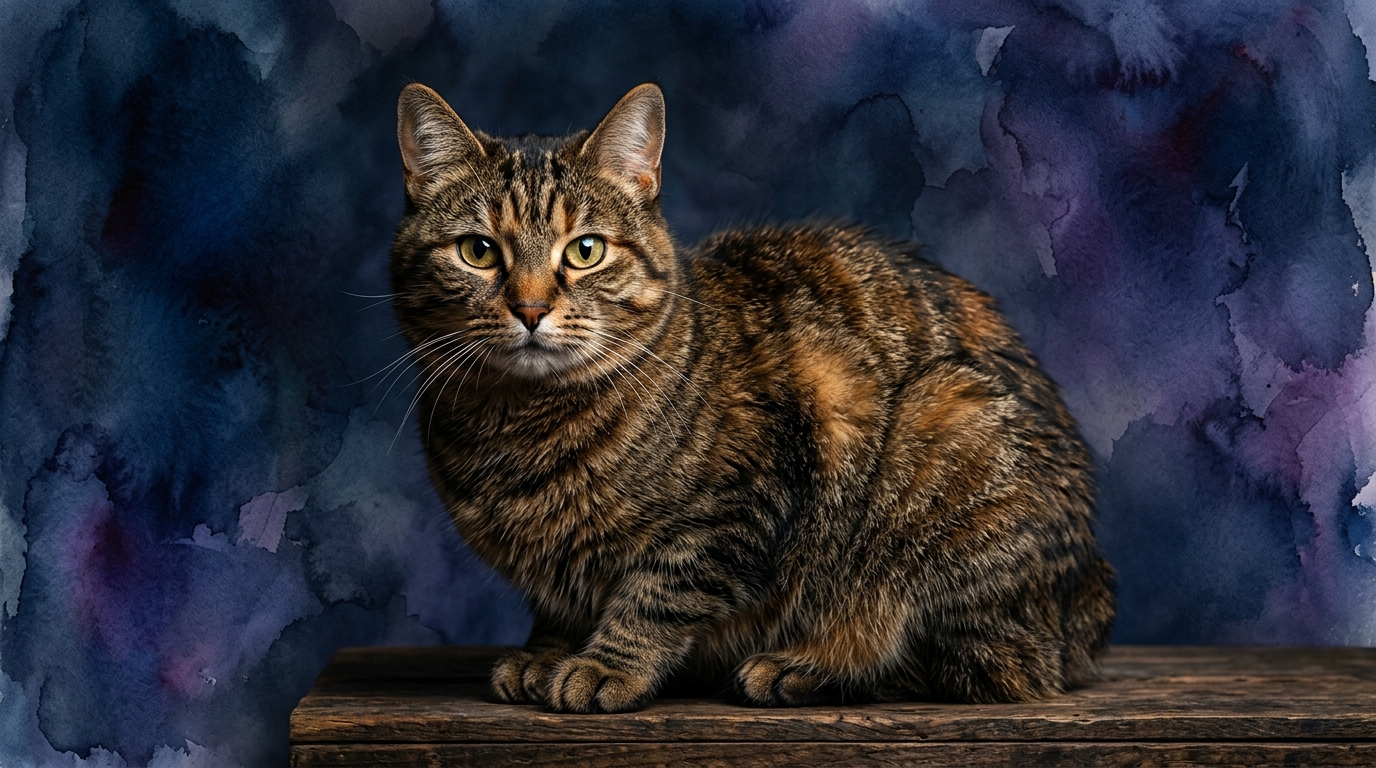

Side-by-Side IQ Profile: Manx vs. Bombay
The Manx cat demonstrates a solid capacity for figuring out environmental challenges, translating its problem-solving score of 3/5 into practical cleverness. This isn't about complex engineering, but rather observable ingenuity in daily life, such as learning to open simpler latches on cabinets, navigating intricate furniture arrangements to reach a desired spot, or devising strategies to access favored, elevated perches. Their inherent agility and robust physical coordination, often attributed to their unique build, frequently complement this cognitive ability, allowing them to physically execute the solutions they've mentally mapped out with remarkable precision and speed.
With a training speed of 3/5, Manx cats are quite receptive to learning new behaviors, especially when engagement is high and rewards are consistently applied. They can pick up basic commands, learn to walk on a leash, and even master a variety of tricks, often enjoying the interactive process as much as the outcome itself. Their cooperative nature and eagerness to participate make them generally agreeable and enthusiastic students in structured learning scenarios.
Manx cats display a respectable level of social awareness, earning a 3/5 in social intelligence by forming strong, discernible bonds with their primary caregivers and often showing a perceptive understanding of human moods and intentions. They can read social cues within their established family unit and respond with appropriate interaction, whether it's seeking comfort during moments of distress or initiating playful antics to garner attention.
Their instinctive drive, rated at 3/5, is well-balanced, indicating a moderate yet keenly expressed interest in natural feline behaviors. This manifests as an engaging and often vigorous prey drive during play, characterized by focused stalking, decisive pouncing, and a natural curiosity for exploring their territory and novel objects. They are frequently adept at 'hunting' toys and engaging in extended, satisfying play sessions.
Manx cats possess a good memory, scoring 3/5, for routines, favored people, and the intricate layout of their environment. They can recall learned commands over extended periods and remember the precise locations of their preferred toys, resting spots, and even where treats might be hidden, contributing to their consistent daily habits and predictable comfort-seeking behaviors.
The Bombay cat shares the Manx's capacity for practical problem-solving, also scoring 3/5, often applying this intelligence to social situations or resource acquisition within their domestic sphere. They might strategically position themselves to gain attention, figure out how to access a hidden treat within a puzzle toy, or learn the optimal time to solicit affection from their human, demonstrating a cleverness often focused on their immediate desires and comfort. Their focus can be quite intense when they are sufficiently motivated.
Bombay cats also learn at a moderate pace, with a training speed of 3/5, thriving on positive reinforcement and consistent methods. Their generally agreeable and profoundly affectionate nature can make them exceptionally eager participants in training, particularly when it strengthens their bond with their human companions. They can learn a variety of commands, routines, and even simple tricks with patience and dedicated, gentle encouragement.
Bombay cats exhibit a similar level of social intelligence, rated 3/5, often expressed through their profound, almost dog-like devotion to their chosen humans. They are perceptive of emotional states and tend to actively seek out companionship, making them highly responsive to social interactions and capable of adapting their behavior based on the nuanced dynamics within their household, often becoming a comforting presence.
This breed also possesses a moderate instinctive drive, scoring 3/5, which is often channeled into highly focused and precise play. Their characteristic 'panther-like' stalking can be intense and deliberate, even if directed at a feather wand or a small toy mouse. This drive is typically well-integrated into their domestic life, providing engaging entertainment without being overly disruptive, rather showcasing their mental engagement.
Bombay cats demonstrate a good memory, earning a 3/5, particularly for routines, the schedules of their human companions, and learned behaviors associated with comfort and reward. They can remember preferred interactions, specific commands, and the layout of their home, contributing to their predictable and comforting presence and their ability to anticipate daily events.
Where Manx Cognition Shines Brightest
While both breeds share identical cognitive scores, the Manx's expression of its abilities often shines brighter in scenarios requiring agile application of problem-solving and instinctive drive within its physical environment. Their unique physical build, particularly the lack of a tail, contributes to a distinct balance and agility that can make their 3/5 problem-solving appear more overtly expressed in navigating complex spaces or performing quick, acrobatic maneuvers to achieve a goal. For instance, a Manx might more readily utilize its physical prowess to scale shelves or squeeze into tight spots to retrieve a hidden toy, demonstrating its cognitive mapping and physical coordination in tandem. Their robust hunting instincts, also rated 3/5, often translate into more visible and vigorous play, making them seem particularly adept at 'capturing' moving objects, a testament to their focused attention and quick reflexes in a dynamic setting.
Where Bombay Cognition Excels
Conversely, the Bombay often presents its cognitive strengths in areas emphasizing social engagement and focused, intentional interaction. Their 3/5 social intelligence is frequently observed as a deep, almost dog-like devotion to their human companions, manifesting in a nuanced understanding of their owner's emotional states and routines. A Bombay might more consistently demonstrate its problem-solving (3/5) by figuring out how to gain attention or elicit specific responses from its human, perhaps by strategically placing itself in their line of sight or employing a particular vocalization. Their instinctive drive (3/5), while present, often feels more refined and controlled, allowing for sustained, focused play with interactive toys that requires intense concentration rather than broad physical exertion, showcasing their mental engagement in a more contained manner.
Trainability: Manx vs. Bombay
Both the Manx and the Bombay possess a training speed of 3/5, indicating a moderate capacity for learning and an openness to instruction. However, the *approach* to training might vary for optimal results given their distinct temperaments. The Manx, with its active and playful disposition, often responds exceptionally well to training that incorporates agility, interactive games, and trick learning, viewing the process as an extension of their natural exploratory play. Their keen interest in their surroundings and desire for engagement makes them enthusiastic participants when the training is stimulating, varied, and rewards their agility and cleverness. Conversely, the Bombay's strong social bond and desire for companionship can make them highly receptive to training that strengthens their connection with their human. They may excel at leash training, playing fetch, or learning specific routines because it involves quality time and pleases their beloved owner, often thriving on consistent, gentle reinforcement within a trusting, affectionate relationship.
Matching Feline Intellect to Lifestyles
For owners who appreciate an interactive and often boisterous feline companion, the Manx is an excellent fit. Their moderate instinctive drive and playful nature mean they thrive in environments offering plenty of stimulation, interactive toys, and opportunities for physical activity that engages both their body and their problem-solving mind. An active owner who enjoys engaging in daily play sessions, providing puzzle toys, or even teaching their cat agility will find the Manx a willing and enthusiastic partner, eager to participate in dynamic household activities. Their curiosity and adaptability make them suitable for households with a vibrant, dynamic rhythm. In contrast, the Bombay, while certainly playful, often appeals more to owners seeking a deeply affectionate and somewhat more predictable companion. Their social intelligence and propensity for close bonding make them ideal for relaxed owners who cherish quiet companionship, extensive lap time, and consistent routines. While they certainly enjoy play, their energy is often channeled into focused, intimate interaction with their people rather than constant independent exploration, making them content in a calmer home environment that values cuddles and shared moments as much as chase.
The Verdict
Choose the Manx if you seek an agile, curious, and interactive feline partner who will engage enthusiastically in play and problem-solving within a dynamic household. Their spirited nature makes them a joy for owners who enjoy active participation in their cat's daily life.
Opt for the Bombay if your preference is for a deeply devoted, affectionate companion who thrives on close human interaction and offers a calming, consistent presence in a more relaxed home setting. Their focused play and social acumen make them exceptional companions for those who value a strong, quiet bond.
🧠 Find Your Pet's IQ Score
Our Pet IQ Lab assessment covers 25+ tests across 5 cognitive dimensions — personalized to your breed.
Take the Full IQ Test →Frequently Asked Questions
Do Manx cats really act like dogs?
Manx cats often exhibit dog-like traits such as playing fetch, following their owners around the house, and responding to their names, which is a testament to their social intelligence and training speed. This behavior stems from their active, engaging nature and their strong bond with their human family, rather than a deviation from typical feline cognition.
Are Bombay cats good with other pets?
Bombay cats, with their moderate social intelligence, can often integrate well into multi-pet households, especially if introduced properly and with patience. Their affectionate and adaptable nature typically allows them to form amiable relationships with other animals, though individual personalities will always play a role in the dynamics.
How can I keep a Manx cat mentally stimulated?
To keep a Manx cat mentally stimulated, focus on interactive play that engages their problem-solving and instinctive drive, such as puzzle feeders, rotational toys, and regular sessions with wand toys. Agility training or teaching new tricks can also be highly rewarding, tapping into their moderate training speed and curious nature.