Side-by-Side IQ Profile: Understanding the 3/5 Score
At The Cosmic Pet Pet IQ Lab, both the majestic Mastiff and the charming Affenpinscher register a consistent 3 out of 5 across all five cognitive dimensions: problem solving, training speed, social intelligence, instinctive drive, and memory. While these scores are identical, their real-world application differs dramatically due to each breed's unique physical and historical context. A 3/5 score indicates a dog that is consistently average in these areas, capable of learning and adapting but not exhibiting exceptional prowess without dedicated effort.
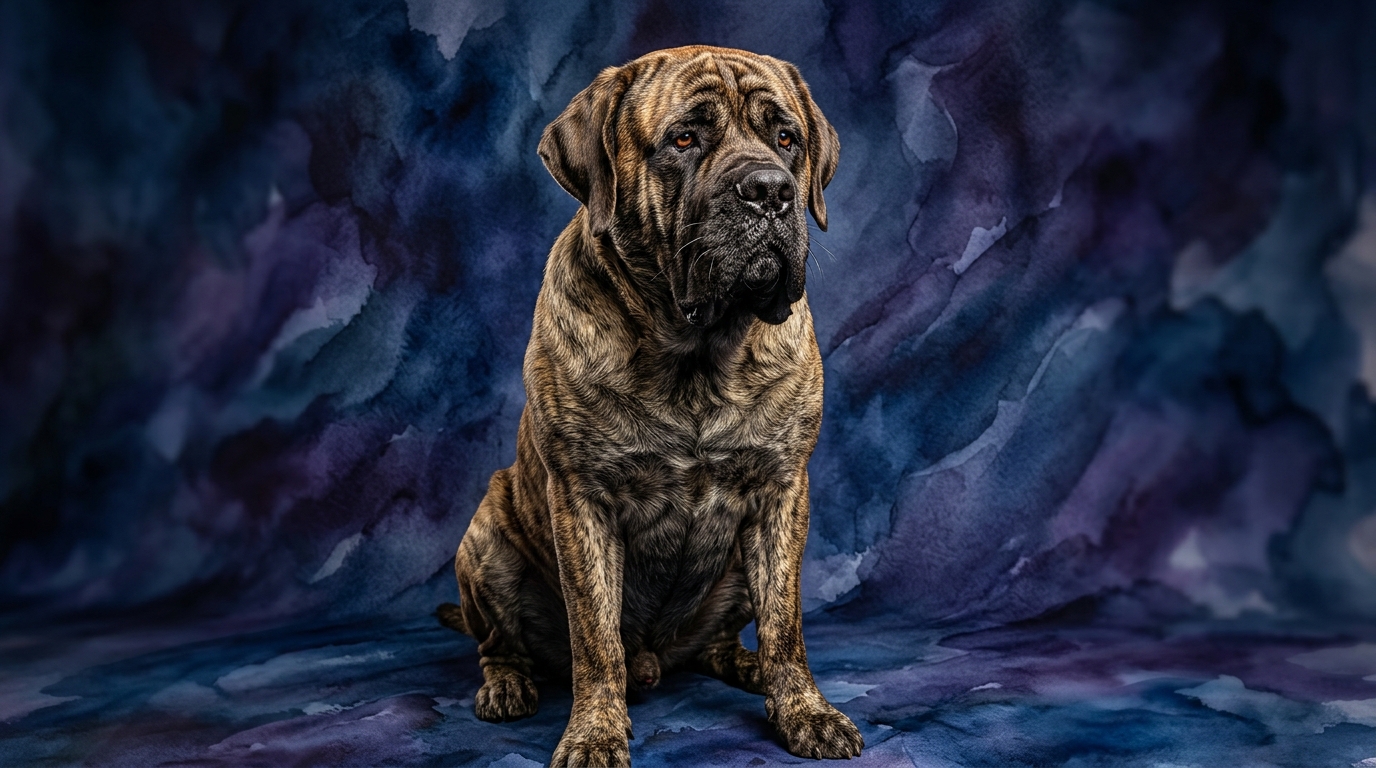
For the **Mastiff**, a 3/5 in **problem solving** means they are capable of navigating familiar household routines and overcoming simple, predictable obstacles, often relying on learned patterns rather than innovative solutions. Their **training speed** at 3/5 suggests they learn new commands and behaviors at an average pace, requiring consistent repetition and positive reinforcement to solidify understanding. Their **social intelligence** (3/5) allows them to form deep bonds with their family, interpret familiar human cues, and integrate into established social structures with a calm, watchful demeanor. A 3/5 **instinctive drive** reflects their historical role as guardians; they possess a moderate protective instinct and territorial awareness that requires appropriate guidance. Finally, their **memory** at 3/5 ensures they retain learned commands, routines, and recognition of familiar individuals and environments over time, contributing to their reliability.
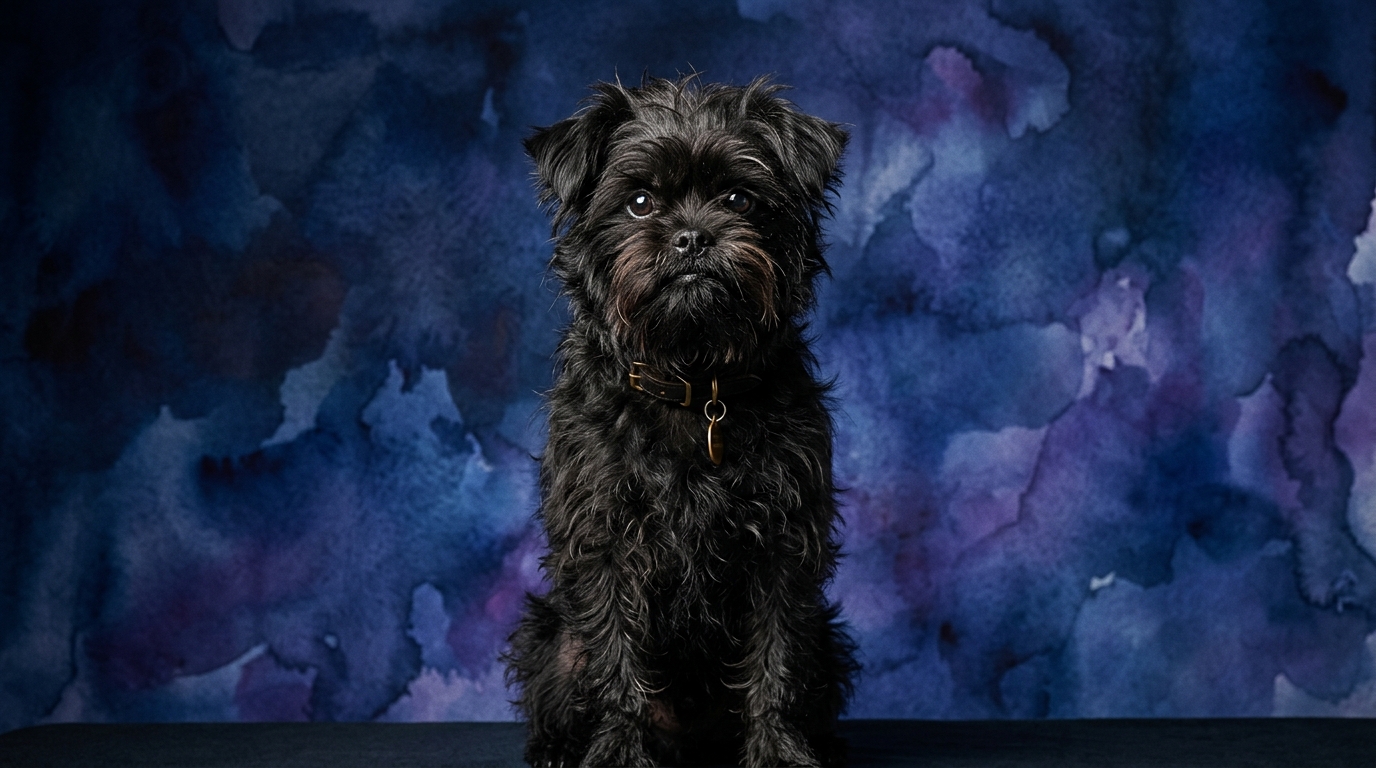
The **Affenpinscher**, also scoring 3/5 across the board, interprets these metrics through a different lens. Their **problem solving** (3/5) often manifests in clever, sometimes mischievous ways within their immediate environment, such as figuring out how to access a favorite toy or navigate around small household barriers, typically through trial-and-error. Their **training speed** of 3/5 means they learn new skills at an average rate, but their spirited nature often demands shorter, more engaging sessions to maintain focus. The Affenpinscher's **social intelligence** (3/5) is adept at reading individual human emotions and exploiting opportunities for attention, often displaying a discerning nature with strangers. Their 3/5 **instinctive drive** includes a pronounced alertness and a terrier-like determination, making them vigilant watchdogs with a strong sense of self-importance. Their **memory** (3/5) allows them to recall learned behaviors and routines, and they are known to remember both positive and negative experiences, which can influence future interactions.
Where the Mastiff Wins Cognitively
While sharing identical raw scores, the Mastiff's cognitive strengths often lie in areas that leverage their size and inherent calm. Their social intelligence, for instance, excels in managing complex, multi-member household dynamics. A Mastiff's presence and deliberate nature allow them to seamlessly integrate into families with children and other pets, often acting as a stabilizing, gentle anchor. They process the nuances of group interactions, understanding their role as a protective yet non-intrusive member, a manifestation of their 3/5 social intelligence tailored for large-scale social harmony.
Furthermore, their problem-solving, though not abstract, benefits from their methodical approach and physical presence. A Mastiff might be more effective at understanding and adhering to large property boundaries or navigating a consistent, expansive outdoor routine. Their memory (3/5) supports this, enabling them to reliably recall the layout of their territory and the established patterns within it, which is crucial for their historical guardian role. This cognitive application differs from the quick, small-scale problem-solving of a toy breed, instead focusing on stability and reliability within a larger scope.
Where the Affenpinscher Wins Cognitively
The Affenpinscher’s cognitive advantages shine in areas demanding agility, quick observation, and a certain spirited determination. Their problem-solving (3/5) is often more about immediate, physically oriented challenges within a compact space. An Affenpinscher might cleverly manipulate a small object to get a treat, or find a unique path to a forbidden couch, leveraging their size and quickness. This isn't abstract thought, but rather an efficient, opportunistic application of their cognitive abilities to achieve desired outcomes in their immediate environment.
Their social intelligence (3/5), while also average, is exceptionally tuned for individual human interaction and attention-seeking. They are masters at reading subtle human cues to elicit specific responses, charming their way into laps or extra playtime. This refined ability to manipulate social situations for personal gain is a distinct cognitive advantage in a home setting. Additionally, their instinctive drive for vigilance and alertness means they are constantly processing sensory input, making them highly aware of their surroundings. This constant cognitive engagement, though sometimes expressed vocally, demonstrates a rapid processing of environmental information that supports their role as a tiny, yet effective, alarm system.
Which is Easier to Train and Why
When considering ease of training, the identical 3/5 training speed score for both breeds requires a closer look at their temperament and physical attributes. The Mastiff, despite its impressive size, is generally known for a biddable and calm temperament. While not rapid learners, their inherent desire to please their owner and their deliberate nature mean that once a command is understood, it tends to be retained reliably. Training a Mastiff is about patience, consistency, and building a strong, trusting bond; their physical presence means physical force is impractical, so mental engagement and positive reinforcement are paramount. They might take longer to grasp a new concept, but their steady focus can make the process feel less chaotic.
The Affenpinscher, on the other hand, presents a different training dynamic. Their 3/5 training speed is often tempered by a spirited, sometimes stubborn, and independent personality typical of many terrier-type dogs. While they are capable of learning, their short attention span and strong will can make consistency a challenge. Training sessions need to be short, fun, and highly engaging to keep their interest. Early socialization is crucial to manage their potentially bossy tendencies and channel their alertness into appropriate behaviors. Therefore, while both learn at an average pace, the Mastiff's calm demeanor often makes them easier to *manage* during training, whereas the Affenpinscher demands a more creative, persistent, and engaging approach to achieve similar results, often requiring an owner with a strong sense of humor.
Which Suits Active Owners vs. Relaxed Owners
The choice between a Mastiff and an Affenpinscher often aligns with an owner's lifestyle and energy levels. The Mastiff, with its calm disposition and moderate exercise requirements, is an excellent fit for relaxed owners. They thrive in stable, predictable environments and are content with leisurely walks and ample time spent lounging with their family. Their cognitive needs are met through consistent routines, clear communication, and the quiet presence of their human companions, making them ideal for those who appreciate a gentle giant and a serene household.
Conversely, the Affenpinscher is better suited for more active and engaged owners. Their spirited nature, constant alertness, and desire for interaction mean they require regular mental stimulation beyond just physical exercise. Owners who enjoy playful interactions, can provide consistent training, and appreciate a dog with a big personality in a small package will find the Affenpinscher a delightful companion. Their cognitive abilities are best nurtured by an owner willing to engage in games, puzzle toys, and varied activities that challenge their curious and determined spirit.
The Verdict
Choose the Mastiff if you seek a calm, steadfast companion whose cognitive strengths lie in stable social dynamics and methodical adherence to routine, ideal for a relaxed household.
Opt for the Affenpinscher if you desire a spirited, vigilant partner whose intelligence excels in quick, small-scale problem-solving and nuanced social engagement, fitting an active, engaging lifestyle.
🧠 Find Your Pet's IQ Score
Our Pet IQ Lab assessment covers 25+ tests across 5 cognitive dimensions — personalized to your breed.
Take the Full IQ Test →Frequently Asked Questions
Do Mastiffs learn commands slower than Affenpinschers, given their size difference?
Both Mastiffs and Affenpinschers score 3/5 in training speed, indicating an average learning pace. While the Mastiff's deliberate nature might make learning seem slower, their focus can lead to better retention. The Affenpinscher's spirited temperament might necessitate shorter, more engaging sessions, but their actual learning speed is comparable.
Are Affenpinschers better at problem-solving due to their agility and smaller size?
Both breeds score 3/5 in problem-solving, but its manifestation differs. Affenpinschers often excel at physically navigating small spaces or manipulating objects for immediate gratification due to their agility. Mastiffs, conversely, apply their problem-solving to understanding larger environments and adhering to established routines, leveraging their calm and methodical approach.
How does social intelligence differ between these two breeds with identical 3/5 scores?
The 3/5 social intelligence score for Mastiffs translates to a calm understanding of complex family dynamics, integrating as a gentle, watchful presence. For Affenpinschers, the same score means they are adept at reading individual human cues for attention and interaction, often charming their way into specific responses, showcasing a more direct, discerning social engagement.