Side-by-Side Cognitive Profiles: Decoding Canine Aptitudes
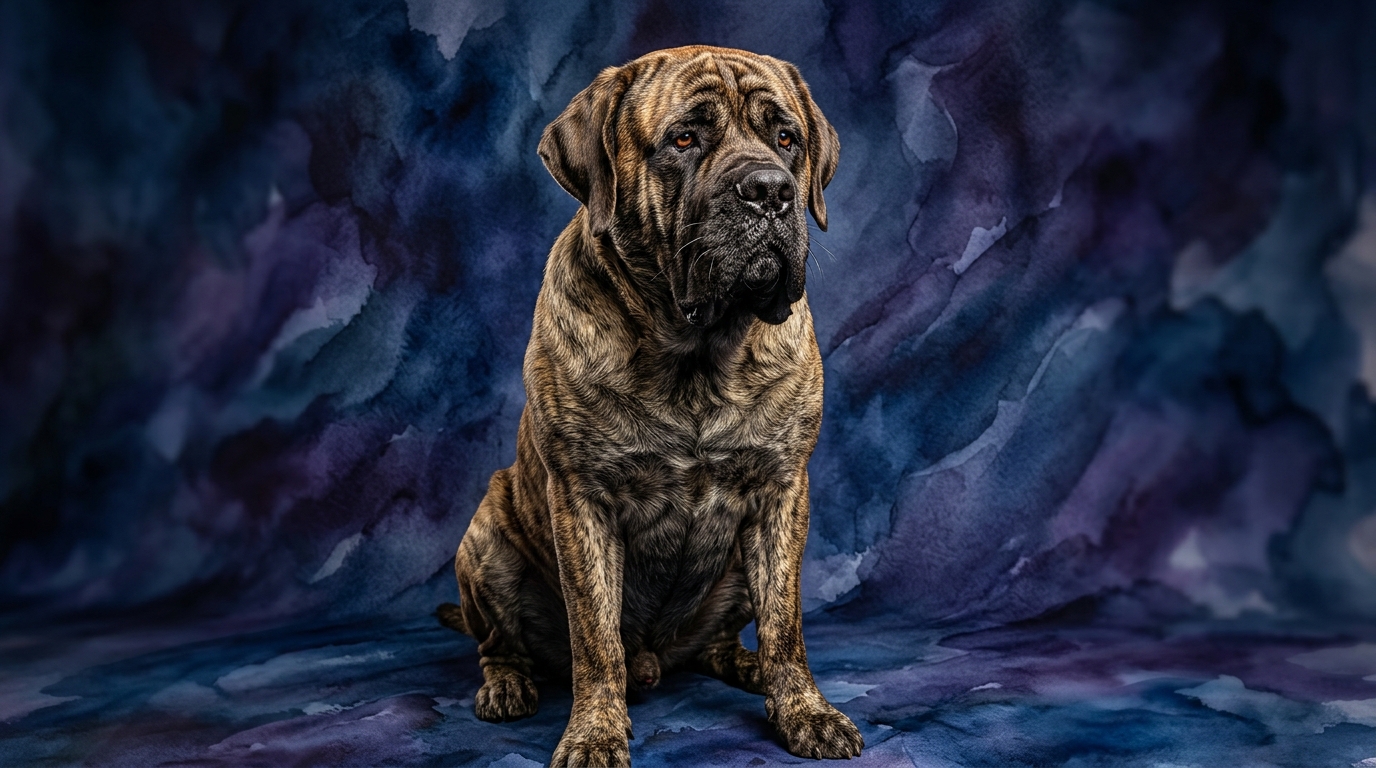
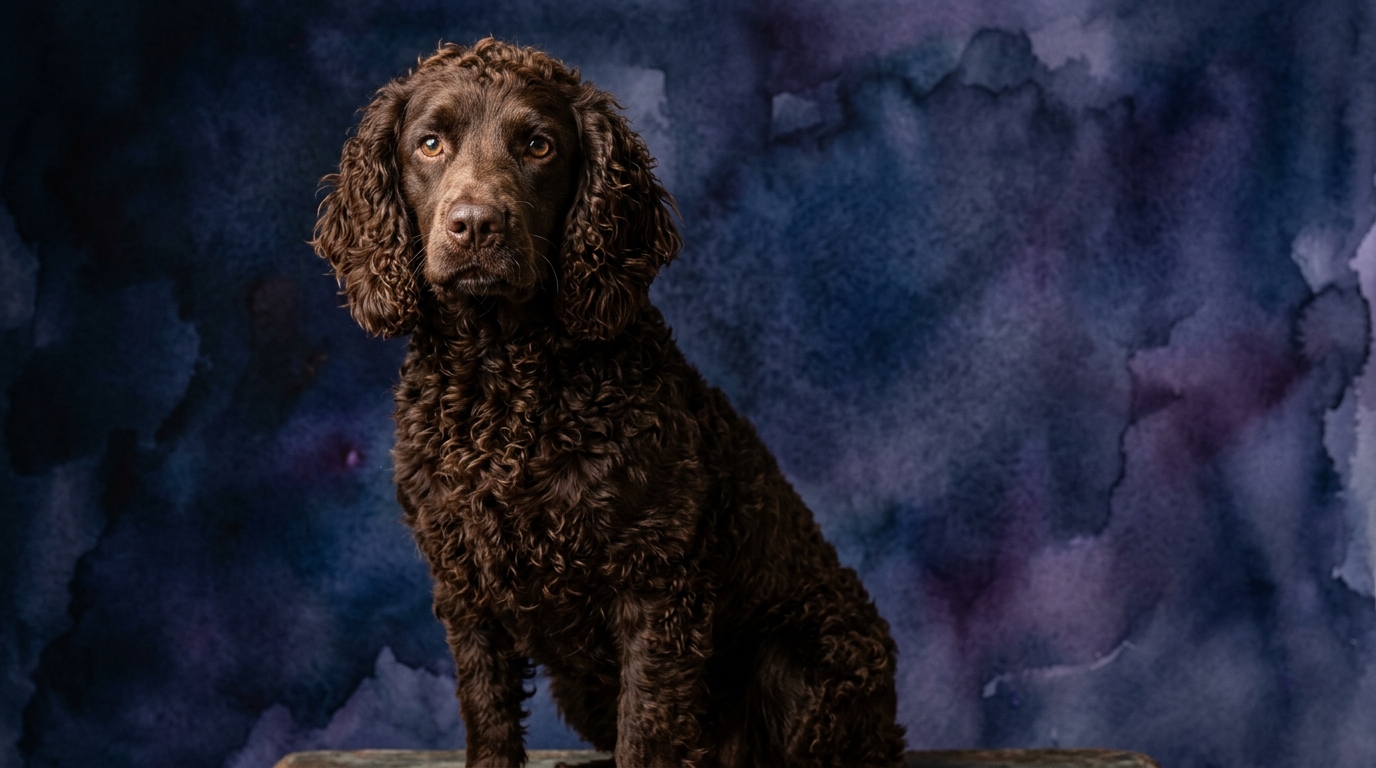
When examining the cognitive profiles of the Mastiff and the American Water Spaniel (AWS), we uncover both shared aptitudes and distinct strengths shaped by their breed histories. Both breeds register a 3 out of 5 for Problem Solving, indicating a moderate capacity to navigate novel situations—for a Mastiff, strategically finding a comfortable spot; for an AWS, figuring out how to retrieve from a challenging location. Similarly, both score 3 out of 5 for Training Speed, meaning they are capable learners but require consistent, patient, positive reinforcement. Their Social Intelligence also aligns at a 3 out of 5, reflecting an ability to read human cues; Mastiffs display sensitivity to family moods, while AWS are generally outgoing and responsive. The Instinctive Drive for both is also 3 out of 5, yet this manifests differently: for the Mastiff, it's rooted in protective instincts leading to watchful vigilance; for the AWS, it's focused on retrieving, swimming, and flushing game, demonstrating persistent motivation for water and object tasks. The most notable distinction lies in Memory: the Mastiff scores 3 out of 5, showing solid retention of learned behaviors. The American Water Spaniel, however, excels with a 4 out of 5, indicating superior recall for complex sequences, multiple retrieves, or intricate scent trails over extended periods—a crucial asset for their demanding working roles.
Where the Mastiff Excels Cognitively
The Mastiff's cognitive strengths are deeply intertwined with its historical role as a guardian, giving it distinct advantages in specific areas. Its 3/5 Instinctive Drive, coupled with its imposing presence, translates into a sophisticated situational awareness and protective discernment. A Mastiff’s 3/5 problem-solving often manifests as deliberate, thoughtful assessment of surroundings, particularly concerning potential threats. They process information and respond with measured intent, a cognitive process emphasizing calm judgment over rapid reaction. Their 3/5 Social Intelligence allows them to attune to subtle emotional shifts, offering comfort or watchful vigilance. Their 3/5 memory supports this by consistently reinforcing who belongs. This breed’s cognitive profile emphasizes sustained, calm judgment, a discerning ability to differentiate between routine and anomaly, and a profound, quiet understanding of its family role.
Where the American Water Spaniel Shines Cognitively
The American Water Spaniel's cognitive profile truly shines where precision, recall, and tenacious focus are paramount, primarily due to its superior memory. With a 4/5 in Memory, the AWS has a distinct advantage, retaining complex training sequences, remembering multiple retrieve locations, or following intricate scent paths with remarkable accuracy over time. This enhanced recall is crucial for piecing together information and acting efficiently in sporting tasks. Their 3/5 Problem Solving often manifests as highly goal-oriented, such as overcoming obstacles to retrieve. Coupled with their 3/5 Instinctive Drive, strongly geared towards retrieving and water work, the AWS exhibits persistent mental stamina. This combination allows them to remain focused on tasks for extended periods, even amidst distractions, and to learn and execute specialized tasks with higher consistency and precision.
Which Breed is Easier to Train and Why
Both Mastiffs and American Water Spaniels score 3/5 for Training Speed, indicating they require patient, consistent methods. However, the American Water Spaniel often presents as 'easier' to train for specific tasks, largely due to its superior memory and task-oriented instinctive drive. An AWS's 4/5 memory means it retains commands and complex sequences with fewer repetitions. Its strong instinctive drive for retrieving makes it a highly motivated participant in relevant training, eager to please. The Mastiff, while trainable, often requires a different approach. Its 3/5 memory, while solid, might need more consistent reinforcement. Its instinctive drive, focused on guarding and comfort, doesn't always translate into a strong desire for repetitive obedience tasks. Mastiffs can be more independent, benefiting from shorter, varied sessions that leverage their calm nature. For owners seeking a dog that picks up skills quickly and enthusiastically, especially in a working context, the American Water Spaniel typically offers a more straightforward training experience.
Which Suits Active Owners vs. Relaxed Owners
The cognitive and behavioral profiles of these breeds clearly delineate their suitability for different owner lifestyles. The American Water Spaniel, with its sporting heritage, is unequivocally suited for active owners. Its 3/5 instinctive drive for retrieving and water work, combined with notable memory and problem-solving, means it thrives on consistent physical and mental engagement. They require daily opportunities to run, swim, and engage in tasks challenging both body and mind. Owners enjoying hiking, competitive sports, or long walks by water will find the AWS an eager and tireless companion. A lack of appropriate outlets can lead to boredom and undesirable behaviors. Conversely, the Mastiff is generally a better fit for more relaxed owners who appreciate a calm, watchful presence. While needing moderate exercise, its needs are less demanding than a sporting breed. Its 3/5 instinctive drive is expressed through quiet vigilance and protective companionship. They are often content with daily walks or secure yard play, followed by extended rest. Their thoughtful problem-solving and social intelligence make them sensitive companions who enjoy family life without constant vigorous activity. Owners preferring a less active lifestyle but desiring a loyal, discerning companion will find the Mastiff an ideal match.
The Verdict
Choose a Mastiff if you seek a calm, discerning companion with a quiet, protective presence for a more relaxed household. They thrive with owners who appreciate thoughtful observation and moderate activity, providing steadfast loyalty and a comforting, watchful demeanor without requiring constant high-energy engagement.
Opt for an American Water Spaniel if you are an active individual or family seeking a tenacious, enthusiastic, and highly trainable partner for outdoor adventures and mental challenges. Their superior memory and strong drive for retrieving make them ideal for owners who enjoy hiking, swimming, and engaging in stimulating activities.
🧠 Find Your Pet's IQ Score
Our Pet IQ Lab assessment covers 25+ tests across 5 cognitive dimensions — personalized to your breed.
Take the Full IQ Test →Frequently Asked Questions
Do Mastiffs and American Water Spaniels learn at the same pace?
While both breeds score 3/5 for Training Speed, the American Water Spaniel's superior memory (4/5) often gives the impression of faster learning for complex tasks. Mastiffs learn steadily but might require more consistent reinforcement due to their independent nature.
How does the 'Instinctive Drive' score differ between these two breeds?
Both have a 3/5 Instinctive Drive, but it manifests differently. For the Mastiff, it's primarily a protective and guarding instinct, leading to calm vigilance. For the American Water Spaniel, it's a strong drive for retrieving, swimming, and hunting, making them eager participants in active tasks.
Is one breed more prone to behavioral issues if not mentally stimulated?
Yes, the American Water Spaniel is more likely to develop undesirable behaviors like excessive barking or destructive chewing if not provided with sufficient mental and physical outlets. Mastiffs, while needing engagement, are generally less prone to acting out due to a lack of stimulation, often preferring quiet companionship.