Side-by-Side IQ Profile: Unpacking the Scores
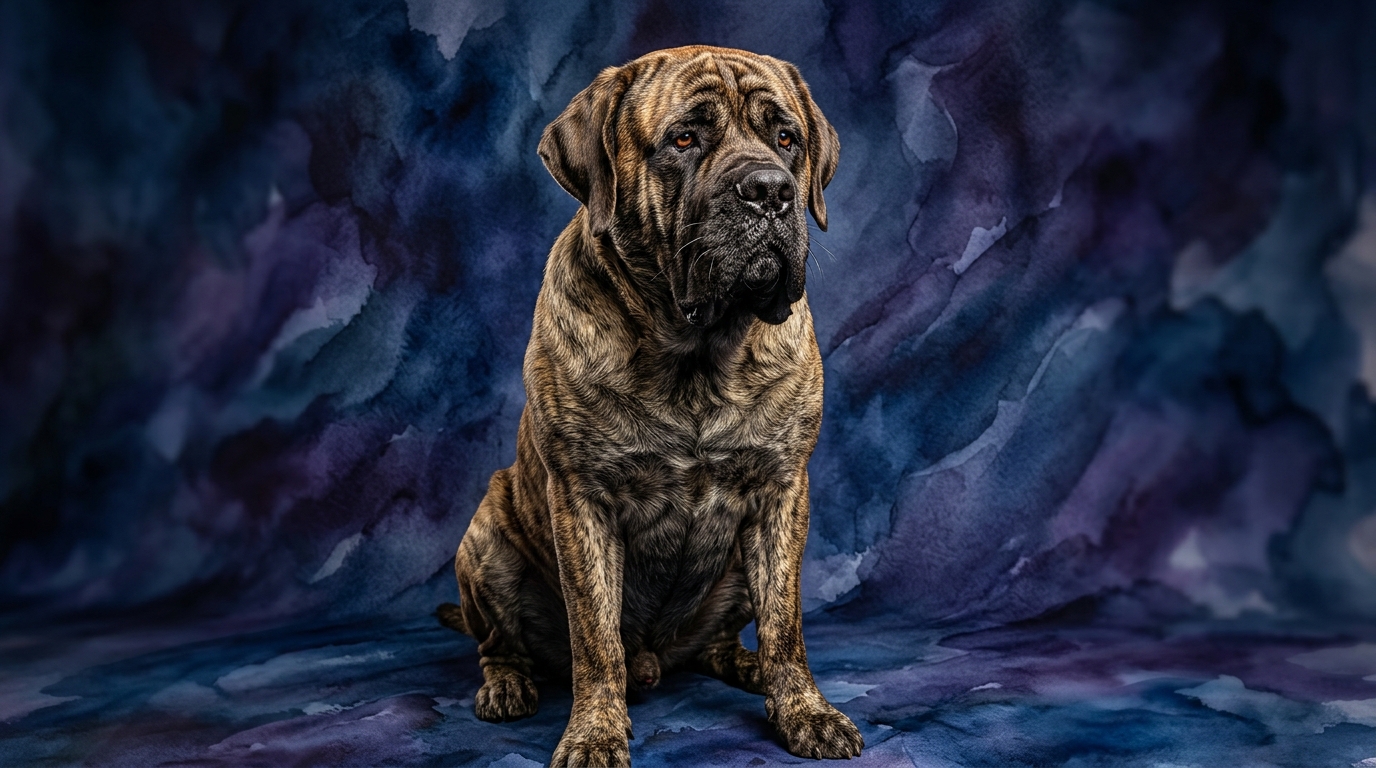
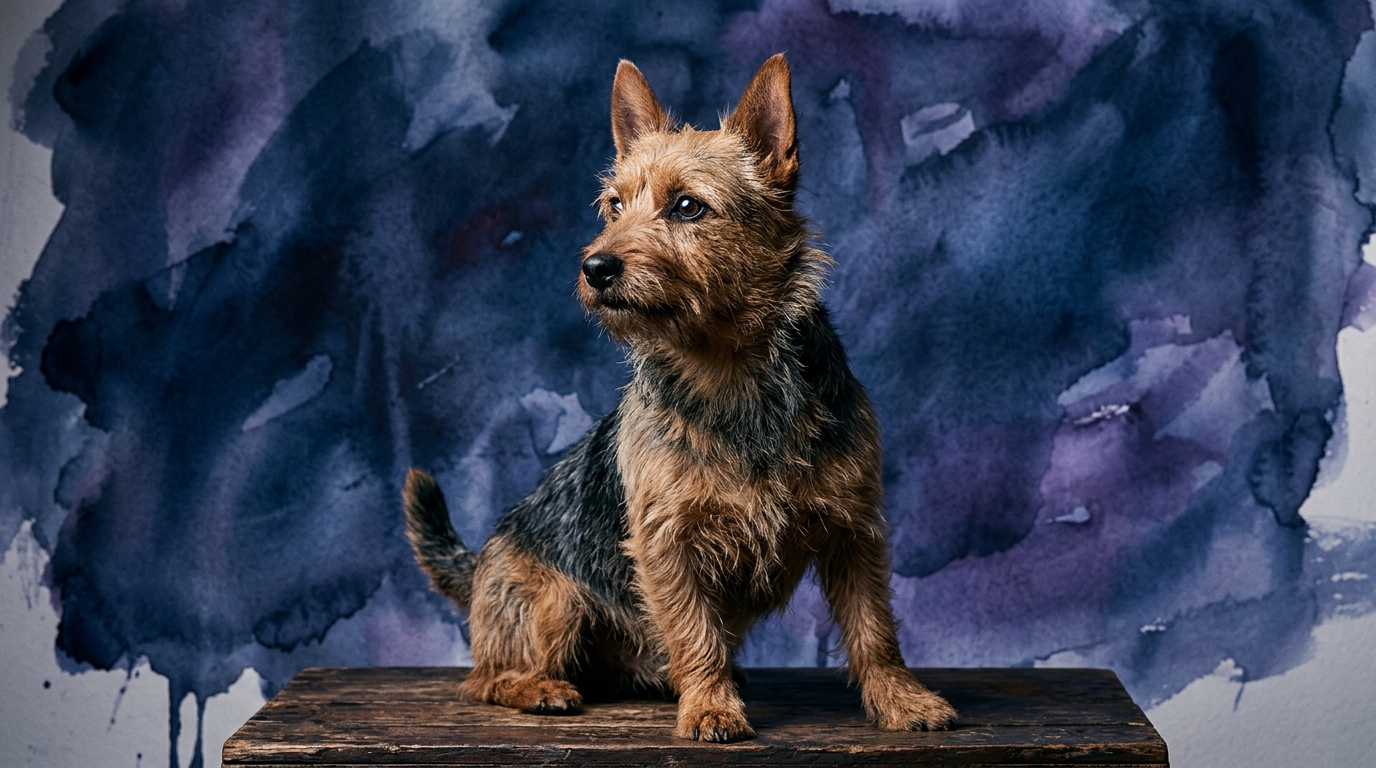
The Cosmic Pet Pet IQ Lab assesses canine intelligence across five key dimensions, and both the Mastiff and Australian Terrier register a consistent 3/5 across the board. While the scores are identical, the manifestation of these cognitive traits in each breed is distinct, reflecting their inherent natures and historical purposes.
For **Problem Solving (3/5)**, a Mastiff typically displays a deliberate, observational approach. They might carefully assess a new situation or a minor household obstacle, often taking time to process before acting, driven by a calm, watchful nature. An Australian Terrier, in contrast, applies this 3/5 problem-solving with a persistent, trial-and-error methodology, often driven by a strong investigative curiosity or the pursuit of a perceived 'prey,' like a hidden toy. Their solutions are often more direct and physically engaged.
Regarding **Training Speed (3/5)**, the Mastiff generally responds well to consistent, patient instruction, showing a willingness to comply once they understand the command, albeit at a measured pace. Their desire to please their family makes them receptive, though not lightning-fast learners of complex sequences. The Australian Terrier, while capable of grasping concepts, might present challenges due to their independent spirit and distractibility. Their training speed is adequate, but their focus can waver without engaging, varied methods.
**Social Intelligence (3/5)** in a Mastiff translates to a profound understanding of their family's emotions and household dynamics. They are discerning with strangers, capable of assessing intentions and reacting with measured protectiveness. The Australian Terrier's social acumen involves reading human cues for interaction, often displaying a spirited playfulness or assertive charm. They are adept at navigating the social landscape within their immediate family, often seeking to be at the heart of activity.
The **Instinctive Drive (3/5)** for a Mastiff is rooted in their guardian heritage. This manifests as a strong territorial awareness and a calm, watchful demeanor, ready to protect without undue aggression. They possess a deep-seated desire to oversee their domain. For the Australian Terrier, this drive is a classic terrier blend of keen prey instinct, a propensity for digging, and vocal alertness. Their instincts compel them to explore, hunt, and assert their presence in their environment.
Finally, **Memory (3/5)** means both breeds retain information effectively. A Mastiff remembers routines, family members, and past training lessons with remarkable consistency, contributing to their dependable nature. An Australian Terrier likewise recalls training, the locations of favored items, and previous interactions, proving they learn and retain from experience, even if their application of that memory is sometimes colored by their independent streak.
Where the Mastiff's Cognition Shines
The Mastiff's cognitive strengths lie in their capacity for calm, observational learning and their nuanced understanding of social situations within their family unit. Their impressive size often belies a gentle, discerning mind. They excel at assessing situations, particularly those involving potential threats or changes in their environment, without immediate, impulsive reactions. This deliberate processing allows them to act as thoughtful, protective guardians, relying on presence and considered judgment rather than swift, reactive bursts of energy. Their ability to remain composed under pressure and to offer subtle emotional support to their human companions speaks volumes about their social intelligence and memory for past interactions. They are not necessarily quick problem-solvers in a physical sense, but rather excel at mental evaluation and strategic patience, making them superb companions for owners who value quiet companionship and a watchful eye.
Where the Australian Terrier's Cognition Excels
The Australian Terrier showcases cognitive prowess through their persistent problem-solving, particularly when driven by their innate terrier instincts. They demonstrate remarkable tenacity in pursuing a goal, whether it's retrieving a hidden toy, navigating a complex scent trail, or outsmarting a puzzle feeder. Their quick reactions and adaptability to new environments or challenges, infused with their characteristic zest, make them highly engaging. Unlike the Mastiff's deliberate assessment, the Australian Terrier often employs a more hands-on, energetic approach to problem-solving. Their alertness and acute environmental awareness mean they are often the first to notice changes or novelties, processing new information with a lively curiosity. This makes them adept at tasks requiring quick thinking and physical dexterity, thriving in environments where their keen senses and adventurous spirit are encouraged and channeled productively.
Training Dynamics: Mastiff vs. Australian Terrier
Training a Mastiff often involves a different approach than training an Australian Terrier, despite their identical 3/5 training speed score. Mastiffs, with their desire to please and less independent nature, are generally easier to train in terms of compliance once they understand what is expected. Their immense size necessitates early and consistent socialization and obedience training to ensure they are well-mannered and manageable. Training sessions should be calm, patient, and consistent, relying heavily on positive reinforcement. They are less prone to distraction from external stimuli once focused on a task, making their learning curve steady and reliable, though not rapid.
The Australian Terrier, on the other hand, can present more challenges due to their independent terrier spirit and strong instinctive drives. Their prey drive, digging tendencies, and vocalization can be significant distractions. Training requires engaging, varied sessions to keep their interest and prevent boredom. Owners must employ creativity and a firm, consistent, but fun approach to training, often needing to outsmart the terrier's independent streak. While physically easier to handle due to their size, their mental engagement requires more strategic effort to maintain focus and motivation. Their quickness to react can sometimes be mistaken for an eagerness to learn, but it often requires more repetition to solidify commands against their natural impulses.
Lifestyle Match: Active vs. Relaxed Owners
Choosing between a Mastiff and an Australian Terrier largely depends on an owner's lifestyle and preferred level of canine engagement. The Mastiff is an ideal companion for owners who appreciate a calm, watchful presence and a generally relaxed household rhythm. While they require moderate, consistent exercise for their joint health and mental well-being, they are not suited for overly active owners seeking a jogging partner or a dog for intense, prolonged physical activity. They thrive on companionship, routine, and being an integral, albeit quiet, part of family life. Their needs lean towards a serene environment where their gentle, protective nature can flourish without excessive demands for high-energy output.
Conversely, the Australian Terrier is a spirited choice for active owners who enjoy engaging in games, short but brisk walks, and various forms of mental stimulation. They possess a more consistent energy output and genuinely appreciate activities that tap into their terrier instincts, such as scent work, agility, or interactive puzzle toys. They are not dogs for a completely sedentary lifestyle; they need regular opportunities to explore, play, and burn off their inherent terrier zest. Owners who enjoy an alert, persistent, and lively companion, and are prepared to provide consistent engagement and varied activities, will find the Australian Terrier a rewarding match for their more dynamic lifestyle.
The Verdict: When to Choose Each Breed
The Verdict
Choose a Mastiff if you seek a calm, observant companion with a gentle, protective nature, valuing a profound, quiet presence over high-octane engagement. They thrive in a stable home where their thoughtful demeanor and loyalty are cherished.
Opt for an Australian Terrier if you desire an alert, persistent, and spirited companion for engaging activities and a lively household. They flourish with owners who provide consistent mental and physical stimulation to channel their enthusiastic terrier energy.
🧠 Find Your Pet's IQ Score
Our Pet IQ Lab assessment covers 25+ tests across 5 cognitive dimensions — personalized to your breed.
Take the Full IQ Test →Frequently Asked Questions
Do Mastiffs need a lot of exercise?
Mastiffs require moderate, consistent exercise to maintain their health and prevent obesity, but they are not high-energy dogs. Daily leisurely walks and supervised playtime are usually sufficient to keep them content.
Are Australian Terriers good with children?
Australian Terriers can be good with children, especially if raised with them and properly socialized. Their robust nature means they can tolerate lively play, but supervision is always recommended to ensure respectful interactions from both dog and child.
How do their grooming needs compare?
Mastiffs have minimal grooming needs due to their short, dense coat, requiring only occasional brushing. Australian Terriers, with their wiry double coat, need regular brushing and occasional hand-stripping or professional grooming to maintain coat health and appearance.