Side-by-Side IQ Profile: Decoding the 3/5 Scores
Both the Mastiff and Bullmastiff register a consistent 3 out of 5 across all five cognitive dimensions measured by the Cosmic Pet Pet IQ Lab. This indicates a moderate capacity in each area, suggesting they are capable, thoughtful animals, but not necessarily those that will consistently surprise you with flashes of brilliance or lightning-fast learning. Understanding what a '3/5' truly signifies for these magnificent breeds is key to appreciating their intelligence.
Their Problem Solving (3/5) suggests a moderate capacity for independent thought and navigating novel situations. These breeds aren't typically devising complex strategies, but they can effectively learn to manage their environment and adapt to routine changes. Their solutions often lean towards practical, physically-oriented methods, like finding the most comfortable spot or a direct route to a desired object, rather than intricate manipulations.
Training Speed (3/5) indicates they learn new commands and behaviors at a moderate pace. They require consistent, patient instruction and positive reinforcement. While capable of mastering a wide range of commands, their sheer size and deliberate nature mean they might take more repetitions to process and reliably execute a new instruction compared to breeds with higher scores in this dimension.
Social Intelligence (3/5) reflects a moderate understanding of both canine and human social cues. They can interpret body language and vocalizations reasonably well, enabling them to integrate into family structures and interact appropriately with familiar individuals. However, their social circle might be smaller, and they may not be as universally outgoing or demonstrative as some breeds, often preferring the company of their close-knit family.
Instinctive Drive (3/5) points to a moderate level of inherent drives for behaviors such as guarding. For these working breeds, this primarily manifests as a strong, natural protective instinct for their family and territory. While not typically high-prey drive dogs, their historical roles as guardians mean they possess an innate inclination to observe and react to perceived threats, usually with a calm, watchful demeanor rather than frantic action.
Finally, their Memory (3/5) signifies a moderate capacity to retain commands, routines, and recognition of specific individuals over time. Once a behavior is learned, it tends to stick. Similarly, they remember positive and negative experiences, which is crucial for effective training and building lasting trust. They are unlikely to forget a familiar face or a well-established household rule, contributing to their reliability once properly socialized and trained.
Where the Mastiff Cognitively Excels
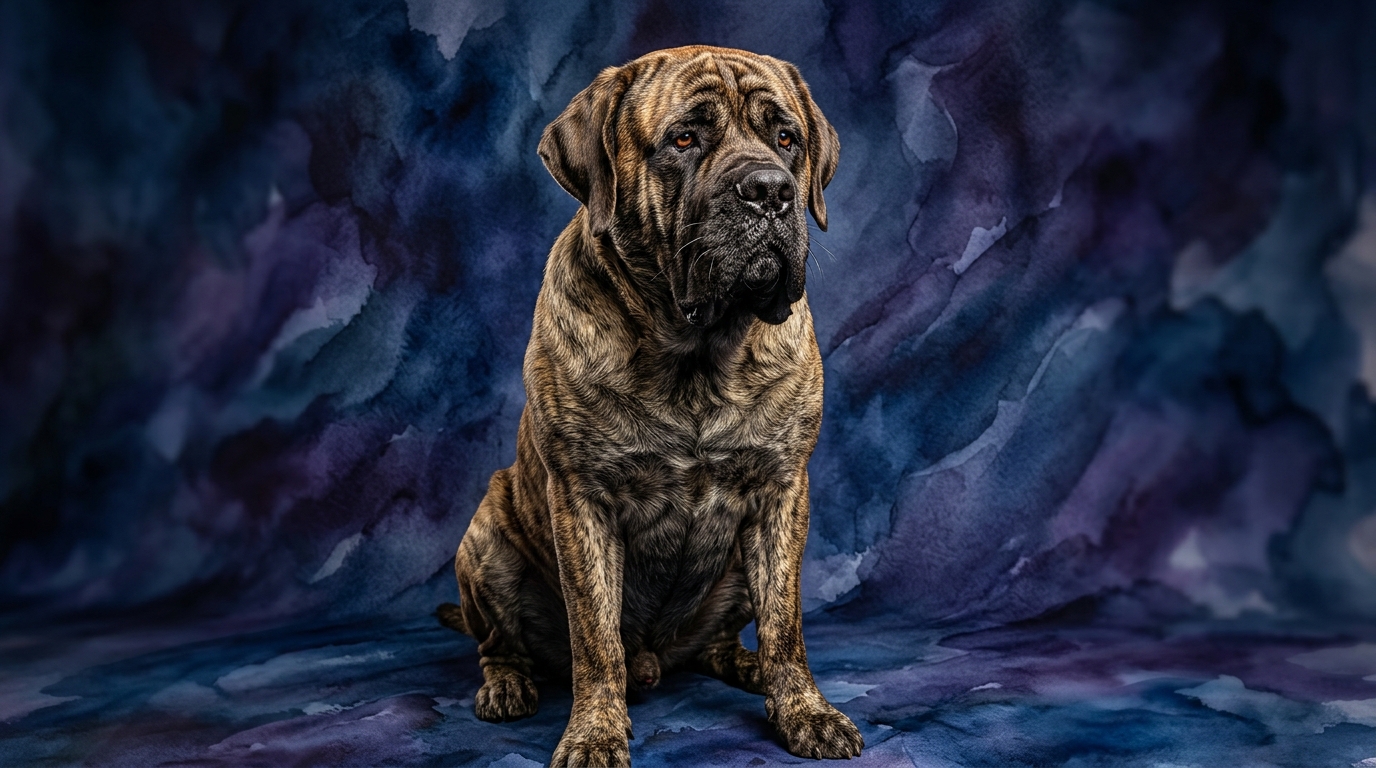
Despite identical IQ scores, discerning subtle cognitive strengths requires looking beyond the numerical rating into their historical roles and inherent temperaments. The Mastiff, an ancient breed, often demonstrates a profound, almost stoic deliberation in its cognitive approach. Their problem-solving, rated 3/5, tends to be less about quick fixes and more about a methodical assessment of a situation. For instance, a Mastiff encountering an unfamiliar object blocking its path might take more time to evaluate it, perhaps nudging it cautiously, rather than attempting to brute-force its way through. This measured approach can sometimes translate into a more reliable, if slower, decision-making process in novel environments, minimizing impulsive errors.
Their social intelligence, also 3/5, often manifests as a deep, unwavering loyalty to their immediate family, coupled with a reserved, watchful demeanor towards strangers. This isn't a deficit, but rather a strength in discerning trusted individuals from potential threats, rooted in their long history as guardians of estates. Their memory, while rated 3/5, can be particularly strong when it comes to remembering people and places associated with comfort and security, fostering an almost elephantine recall for their loved ones. This deep-seated recognition contributes to their steadfast nature, making them incredibly dependable companions once a bond is formed, remembering kindness and routines with impressive consistency.
Where the Bullmastiff Cognitively Excels
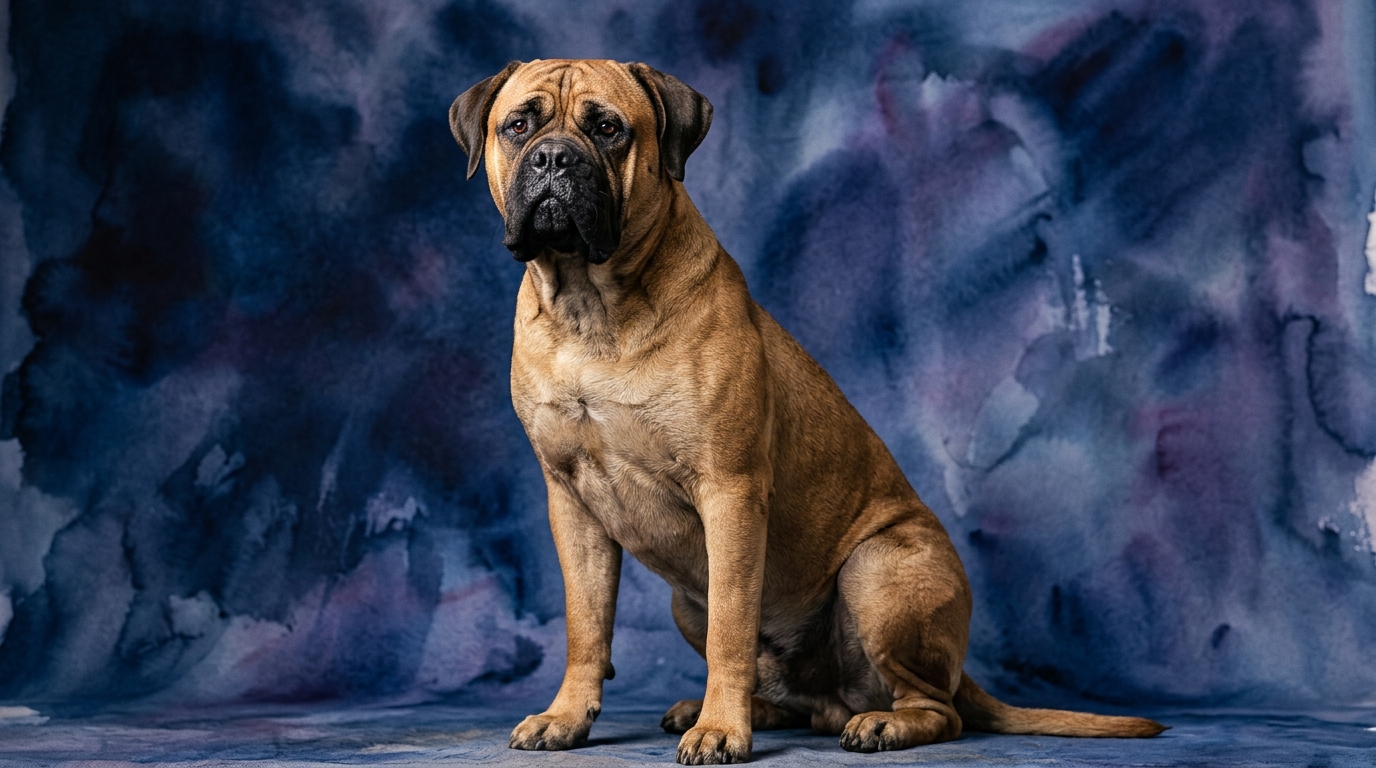
The Bullmastiff, often described as the ‘Gamekeeper’s Night Dog,’ brings a slightly different cognitive flavor to the table, born from its specific working heritage. While sharing the same 3/5 scores, their problem-solving tends to be more direct and task-oriented. Faced with a similar obstruction, a Bullmastiff might more readily attempt to move it or find an immediate workaround, reflecting their historical need for practical, on-the-spot solutions in guarding duties. This isn't necessarily faster than a Mastiff's approach, but perhaps more decisive in its execution, demonstrating a slightly higher inclination towards active intervention.
Their training speed, also 3/5, can sometimes benefit from a pronounced eagerness to engage with their handler, especially when the training involves a clear purpose or a reward-based system. This drive to work alongside their human partner, a trait refined for their role in tracking and holding poachers, can make them highly attentive during training sessions, showing a particular aptitude for commands related to control and restraint. The Bullmastiff's instinctive drive, rated 3/5, is particularly refined for its protective role. It's less about a passive deterrent and more about an active, intelligent guardianship that involves assessing a situation and acting with appropriate force – a blend of vigilance and controlled intervention. This means their social intelligence, while 3/5, might involve a more active processing of social dynamics within the family unit, positioning themselves as watchful protectors rather than merely present companions. Their memory, while 3/5, might be particularly sharp for routines and boundaries, crucial for a dog expected to patrol and secure a specific area with precision.
Training Ease: Nuances in Learning
Given their identical 3/5 training speed scores, neither the Mastiff nor the Bullmastiff will be a 'quick study' in the traditional sense. Both require immense patience, consistency, and positive reinforcement from their owners to establish reliable behaviors. However, subtle behavioral nuances can influence the perceived ease of training for different handlers. The Bullmastiff, with its heritage as a gamekeeper’s assistant, often exhibits a slightly higher 'biddability' or willingness to work in partnership with its human. Their role required them to be responsive to commands in high-stakes situations, leading to a lineage that values handler cooperation. This isn't to say they are always eager-to-please, but they often respond well to training that is engaging and purpose-driven, especially when it taps into their protective instincts in a controlled manner. They might show a slightly quicker uptake on commands that involve 'holding' or 'staying' when presented with clear expectations and rewards.
The Mastiff, by contrast, while equally trainable and possessing a good memory, can sometimes display a more independent and self-assured nature. Their training might require more creative motivation and a deeper understanding of their thoughtful, sometimes ponderous, temperament. They are less likely to be coerced and respond best to a trainer who earns their respect through consistent, fair methods and establishes a strong bond. For example, teaching a 'stay' command might require more repetitions and longer proofing for a Mastiff, as their internal motivation to remain might need stronger reinforcement compared to a Bullmastiff's inherent desire to please its trusted human partner in a specific task. Both breeds benefit immensely from early socialization and puppy classes to develop good manners and appropriate social skills, managing their impressive size from a young age.
Suitability for Active vs. Relaxed Owners
It's important to clarify that neither the Mastiff nor the Bullmastiff are suited for owners seeking a high-energy running partner or a dog for agility competitions; both are giant breeds with moderate exercise needs and a relatively low kinetic drive compared to many other working breeds. However, their subtle cognitive and behavioral differences lend them to slightly different owner lifestyles. The Bullmastiff, while calm indoors, often possesses a slightly higher 'active' drive, particularly related to their protective instincts and need for mental engagement. An active owner, in this context, is someone who enjoys consistent, purposeful walks, perhaps incorporating some light obedience work or scent games into their routine. They thrive with owners who can provide structured activities that tap into their desire to 'do' something, even if it's just patrolling the yard with their human. They appreciate having a 'job,' however small, and an owner who is willing to engage them in interactive play or training sessions that leverage their practical problem-solving.
On the other hand, the Mastiff is generally better suited for truly relaxed owners. Their exercise requirements are typically lower, and they are often content with short, leisurely strolls and long periods of comfortable napping. Their cognitive processing, while deliberate, doesn't translate into a constant need for mental stimulation in the same way. A relaxed owner who appreciates a majestic, calm, and relatively low-maintenance companion in terms of daily activity will find the Mastiff an ideal fit. They are masters of the 'lounge and observe' lifestyle, perfectly content to be a quiet, imposing presence by their owner's side, requiring less structured engagement beyond their basic needs and affectionate interaction.
The Verdict
Choose the Mastiff if you appreciate a truly majestic, calm, and profoundly loyal companion content with a more relaxed pace of life and a quiet, watchful presence. Their deep, deliberate cognition suits owners who value steadfastness and a less overtly 'working' dynamic.
Opt for the Bullmastiff if you desire a protective companion with a slightly more active and engaged temperament, appreciating structured activity and a dog that enjoys working in partnership with its handler. Their practical cognition suits owners who can provide purpose-driven interaction.
🧠 Find Your Pet's IQ Score
Our Pet IQ Lab assessment covers 25+ tests across 5 cognitive dimensions — personalized to your breed.
Take the Full IQ Test →Frequently Asked Questions
Are Mastiffs or Bullmastiffs better for first-time dog owners?
Both breeds are large and require consistent training and socialization, making them challenging for truly novice owners. However, a Bullmastiff's slightly higher biddability and desire to work with a handler might make the training process marginally easier for a committed first-timer willing to invest time and effort.
How do their protective instincts differ?
The Mastiff's protection is often more about imposing presence and a formidable deterrent, reacting only when necessary with a calm, watchful demeanor. The Bullmastiff, bred for more active guarding, tends to be more proactive in assessing and intervening in perceived threats, displaying a controlled readiness to act and 'hold' an intruder.
Do either of these breeds excel at dog sports?
While both can enjoy basic obedience and some scent work, neither breed typically excels in high-impact dog sports like agility or advanced obedience due to their massive size, deliberate movement, and moderate training speed scores. Their focus is more on companionship and guarding rather than athletic competitions.