Side-by-Side IQ Profile: Unpacking Identical Scores
On paper, the Mastiff and the Chow Chow present a remarkably similar cognitive blueprint, each scoring 3 out of 5 across all five dimensions of our Pet IQ Lab assessment. This parity, however, belies the nuanced ways these scores play out in their daily lives and interactions, shaped by centuries of breed development and purpose. Understanding these subtle differences requires looking beyond the numbers to their behavioral manifestations.
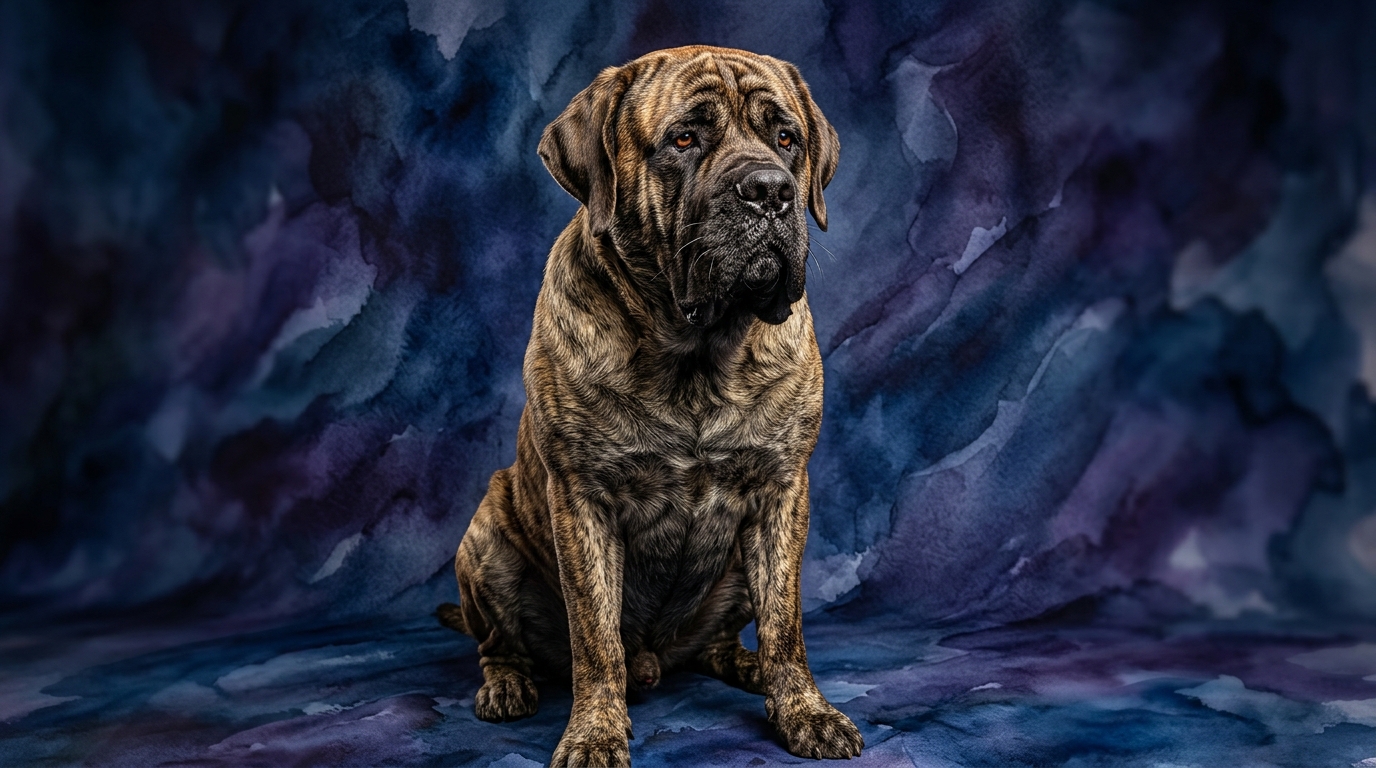
The Mastiff, a member of the Working Group, demonstrates its Problem Solving ability (3/5) through a deliberate and observant approach to its environment. This often involves assessing potential threats or changes in its territory, making measured decisions about protection, and navigating its large physique through various spaces. Its Training Speed (3/5) reflects a capacity to learn new commands and routines, though it requires consistent, patient instruction and clear communication. A Mastiff's Social Intelligence (3/5) is characterized by a deep connection to its immediate family, often displaying a discerning watchfulness towards strangers and an understanding of household dynamics. Its Instinctive Drive (3/5) is rooted in its protective heritage, manifesting as a strong territorial instinct and a calm, steadfast guardianship. Finally, its Memory (3/5) allows it to recall past experiences, familiar faces, and established routines, contributing to its reliability as a companion.
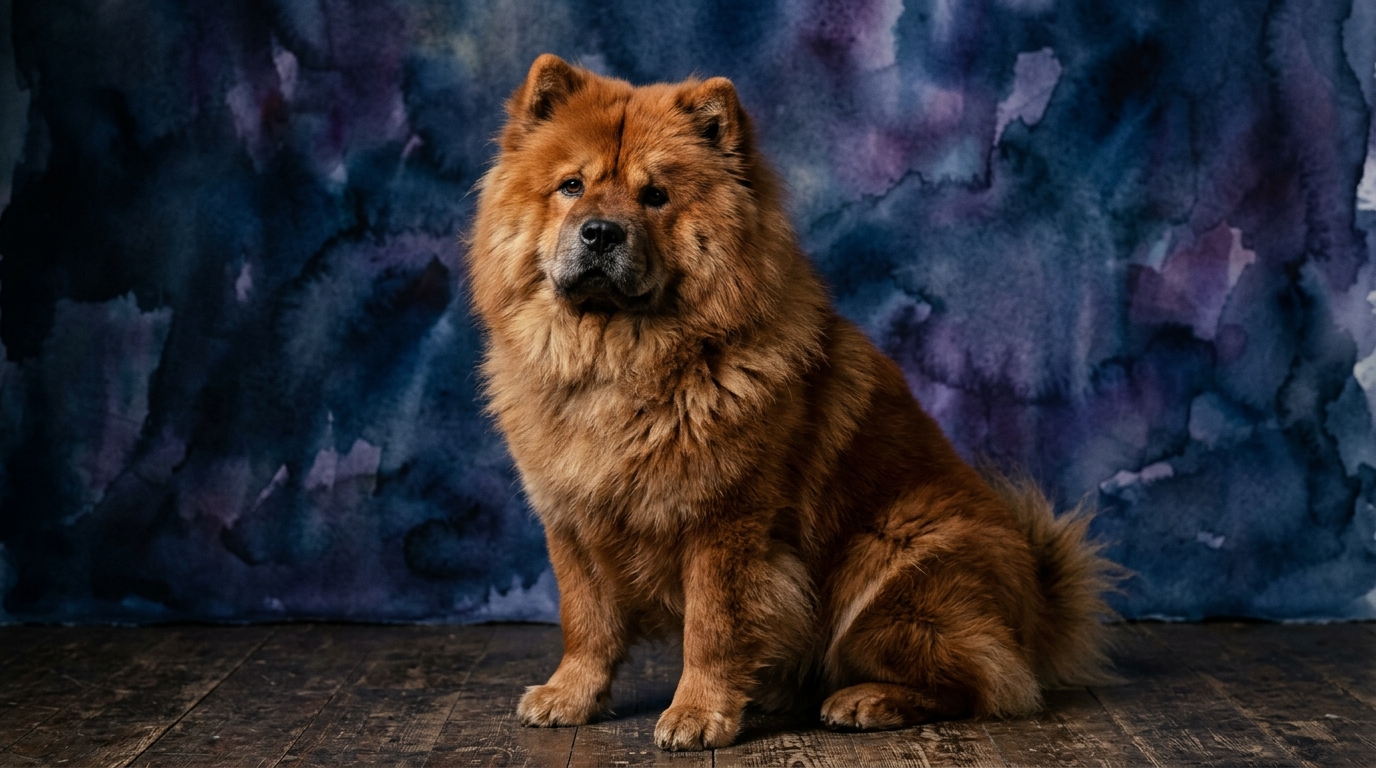
The Chow Chow, from the Non-Sporting Group, also exhibits Problem Solving (3/5), but often in a more independent and self-reliant manner. This breed is adept at figuring things out on its own terms, whether it's navigating its chosen path or achieving a personal goal without constant human direction. Its Training Speed (3/5) suggests a moderate learning capacity, but this is often tempered by its independent streak, requiring trainers to be patient, consistent, and to employ positive reinforcement techniques that appeal to its self-assured nature. The Chow Chow's Social Intelligence (3/5) is expressed through a reserved demeanor; it forms strong, loyal bonds with a select few, often less outwardly expressive than other breeds, yet deeply attuned to its chosen family. Its Instinctive Drive (3/5) is prominent in its guarding tendencies and a strong sense of self-preservation, often manifesting as a dignified aloofness. The Chow Chow's Memory (3/5) is formidable for remembering boundaries, routines, and even perceived injustices, contributing to its consistent, if sometimes stubborn, character.
Where the Mastiff's Cognition Shines
Despite identical scores, the Mastiff often showcases its cognitive strengths in areas requiring cooperative engagement and overt responsiveness to its human companions. Its Problem Solving, while deliberate, is frequently directed towards family welfare. For instance, a Mastiff might instinctively place itself between a perceived threat and its family, a complex assessment of danger and protective action. Its Social Intelligence manifests as a more overtly communicative presence; it might use subtle body language or soft nudges to express needs or seek interaction, indicating a nuanced understanding of social cues within the family unit. This inherent desire for companionship and readiness to participate in family life can make its cognitive processes feel more accessible and collaborative, particularly in situations requiring shared decision-making or joint ventures like navigating new environments together.
Where the Chow Chow's Cognition Excels
The Chow Chow's cognitive strengths often lie in its remarkable independence and self-sufficiency, qualities that distinguish its 3/5 scores. Its Problem Solving often leans towards autonomous decision-making; a Chow Chow might find its own way around an obstacle or devise a method to reach a desired object without soliciting human assistance, relying on its own internal logic. This breed's Social Intelligence, while reserved, is expressed through a profound inner loyalty and a capacity for discerning judgment, choosing its trusted circle carefully and maintaining a dignified distance from others. This allows the Chow Chow to be content with its own company, exhibiting an impressive mental fortitude and resilience. Its cognitive processes are geared towards personal agency, making it adept at navigating its world with minimal external prompting, a testament to its ancient heritage as a versatile working dog.
Ease of Training: Navigating Distinct Temperaments
While both breeds share a Training Speed score of 3/5, the practical experience of training a Mastiff versus a Chow Chow can differ significantly due to their underlying temperaments and motivations. The Mastiff, with its deeply ingrained desire to please and its strong social bond with its family, often appears more amenable to training. Its social intelligence means it's generally more attentive to human cues and eager to participate in cooperative activities. Training a Mastiff typically involves patient, positive reinforcement, and a clear, fair approach, but its willingness to engage makes the process feel more like a joint effort. They respond well to praise and a calm, consistent leader, often learning commands steadily once they understand the expectation.
Conversely, the Chow Chow's identical 3/5 Training Speed is often complicated by its profound independence and sometimes aloof nature. This breed does not possess the same inherent desire to please as many others; instead, it often requires a clear understanding of 'what's in it for me.' Training a Chow Chow demands exceptional patience, creativity, and a deep respect for its self-possessed personality. Harsh methods are counterproductive, leading to resistance. Success comes from making training engaging, rewarding, and consistent, often framing commands as suggestions rather than demands. While capable of learning, the Chow Chow's selective listening and preference for self-direction mean that mastering commands can be a longer, more nuanced journey, feeling less like a collaboration and more like a series of thoughtful negotiations.
Lifestyle Suitability: Active vs. Relaxed Owners
When considering which breed aligns with an owner's lifestyle, both the Mastiff and the Chow Chow largely appeal to those who appreciate a more relaxed pace, albeit for different reasons linked to their cognitive profiles. The Mastiff, despite its imposing size and working group classification, is often described as a 'gentle giant' indoors. Its moderate instinctive drive and social intelligence make it content with being a calm, steadfast presence within the home, requiring regular but not excessive exercise. Owners who are relaxed but present, appreciating a dog that is deeply integrated into family life and seeks companionship, will find the Mastiff's steady cognitive processes and affectionate nature a perfect fit. They thrive on routine and feeling secure within their family unit, making them suitable for owners who offer a predictable, loving environment without demanding constant high-energy activities.
The Chow Chow, too, can suit a relaxed owner, but its independent problem-solving and reserved social intelligence mean it thrives with owners who respect its self-sufficient nature. While it enjoys walks and moderate activity, it is not a breed that constantly seeks engagement or demands attention. A Chow Chow is often content to observe its surroundings or rest quietly, requiring less direct interaction than many breeds. This makes it an excellent choice for owners who appreciate a dignified companion that is not overly clingy and can entertain itself. Relaxed owners who understand and value a dog's autonomy, providing consistent care without excessive demands for interaction, will find the Chow Chow's self-contained temperament and cognitive independence a harmonious match.
The Verdict
Choose a Mastiff if you appreciate a deeply loyal, cooperative companion whose cognitive strengths manifest in protective attentiveness and a desire for family integration, even with a moderate training pace.
Opt for a Chow Chow if you value an independent, self-reliant canine whose intelligence shines through its autonomous problem-solving and dignified, reserved companionship, understanding its unique training approach.
🧠 Find Your Pet's IQ Score
Our Pet IQ Lab assessment covers 25+ tests across 5 cognitive dimensions — personalized to your breed.
Take the Full IQ Test →Frequently Asked Questions
Are Mastiffs and Chow Chows difficult to train?
Both Mastiffs and Chow Chows have a moderate training speed (3/5), meaning they require patience and consistency. Mastiffs are generally more eager to please, while Chow Chows demand a more nuanced approach due to their independent nature, requiring creative, positive reinforcement.
Which breed is more social?
Both breeds score 3/5 in social intelligence, but express it differently. Mastiffs are typically more overtly affectionate and connected to their family, while Chow Chows are reserved, forming deep bonds with a select few and maintaining a dignified distance from strangers.
Do Mastiffs or Chow Chows need a lot of exercise?
Neither breed requires excessive exercise. Both are content with moderate daily activity and are generally calm indoors. Their cognitive profiles suit owners who appreciate a more relaxed home environment, though they still benefit from consistent physical and mental stimulation.